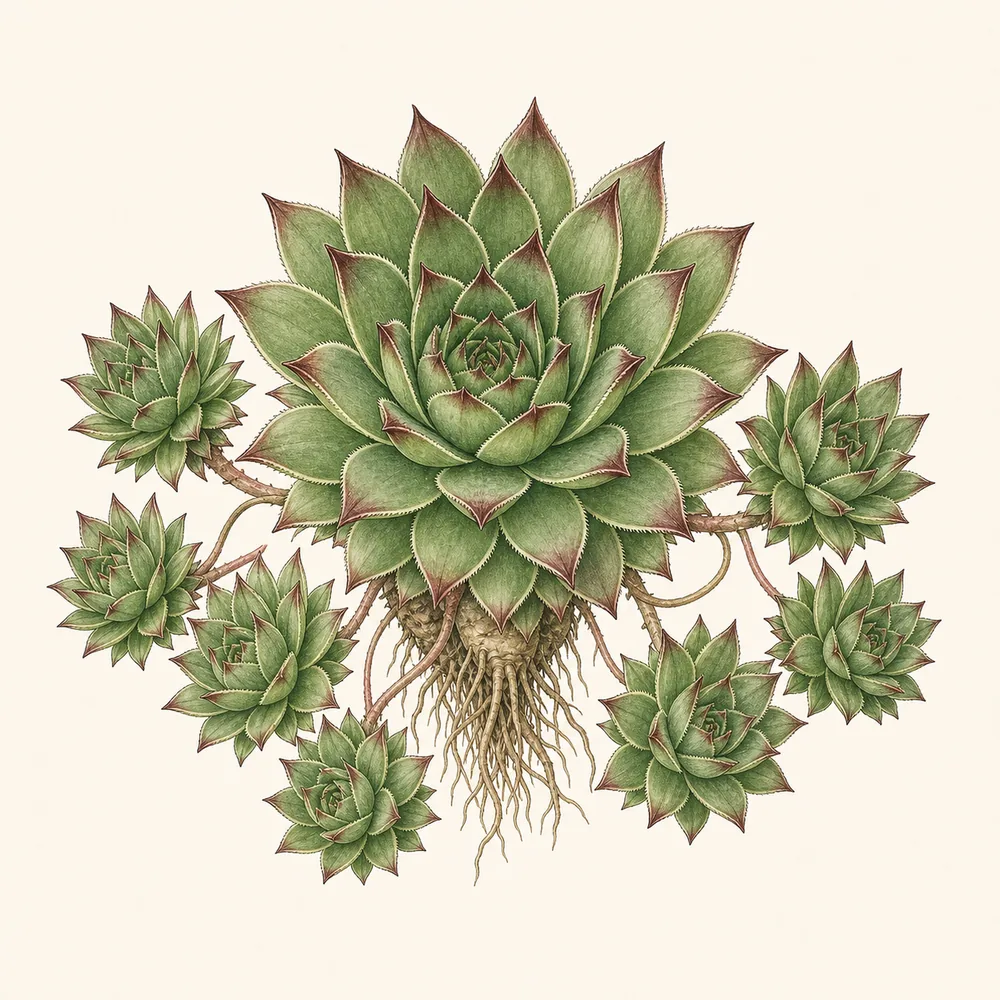
Sempervivum
A tight rosette succulent that thrives on neglect and shrugs off a British winter outdoors. Each rosette throws off a ring of babies — the 'chicks' — so one plant quickly becomes a colony.
Safe around cats & dogs
Sempervivum (listed by the ASPCA as 'Hens and Chickens') is non-toxic to cats and dogs — a hardy, pet-safe rosette succulent that also grows happily outdoors.
Care at a glance
Everything that matters, in six lines. The detail is further down.
Light
As much direct sun as you can give it, indoors or out. Good light keeps the rosettes tight and brings out the red and bronze tints; shade makes them pale and loose.
Water
Water only when the soil is fully dry, and hardly at all in winter. Outdoors in the UK, rainfall usually does the job on its own.
Temperature
Genuinely tough — it survives frost, snow and cold winds outdoors year-round. Heat and drought bother it far less than damp cold.
Humidity
Dry air suits it perfectly. Never mist; the enemy is standing wet, especially cold winter wet at the roots.
Feeding
It evolved on poor, stony ground and needs almost no feeding. A very weak dose once in summer is the most it wants.
Soil
A gritty cactus mix, or ordinary compost cut half-and-half with grit. Sharp drainage matters more than anything else for this plant.
What to do, and when
Growth restarts and chicks multiply fast. The best time to lift and split a crowded clump or pot up the offsets.
Peak colour and growth in full sun. A mature rosette may throw up a tall flower spike — see below before you panic.
Growth slows. Ease off water entirely and make sure outdoor pots can't waterlog in the coming wet months.
Fully dormant and hardy outdoors. Keep it dry rather than warm — cold it can take, sodden compost it cannot.
Hens, chicks and the flower that ends a rosette
Each mother rosette (the 'hen') sends out short stems tipped with miniature rosettes (the 'chicks'), which root where they touch soil. Left alone, a single plant spreads into a dense mat — one of the easiest of all succulents to propagate.
Sempervivum is monocarpic: a rosette flowers once, then dies. When one sends up a tall, curious flower spike, that rosette is at the end of its life — but the surrounding chicks carry straight on. Simply pull out the spent rosette afterwards and let the offsets fill the gap.
The one thing that kills it: winter wet
Cold is not the danger — this plant laughs at frost. What rots it is soggy compost sitting cold and airless around the roots through a wet British winter.
Grow it in the grittiest mix you can, in a pot or bed that drains freely, and if it lives outdoors, tip pots so water can't pool. Get the drainage right and it is close to indestructible.
Indoors or out
Sempervivum is happiest outdoors — in a trough, an old sink, a rockery, or classically in the cracks of a wall or roof, which is how it earned the name houseleek. Full sun keeps the colours vivid.
It will grow indoors too, but only on your very brightest windowsill. In dim rooms the rosettes stretch and pale, and it never looks as good as it does in a sunny spot outside.
Common problems
A rosette rots in the middle
Almost always winter or standing wet. Improve drainage, keep it drier, and remove the mushy rosette so it doesn't spread.
Pale, loose, stretched rosettes
Too little light. Move it into full sun and the new growth will tighten up and re-colour.
A rosette shoots up a tall spike then dies
Normal — it has flowered, which each rosette does only once. Pull the spent one out; the chicks around it take over.
Vine weevil grubs at the roots
If a plant lifts away loose in autumn, check for white grubs in the compost. Repot in fresh gritty mix and treat if they recur.
Everything a sempervivum needs
Full sun, sharp drainage, and the good sense to leave it alone.
We take no commission on anything in the "save your money" tier — if we don't think you should buy it, we don't link it. How our recommendations work
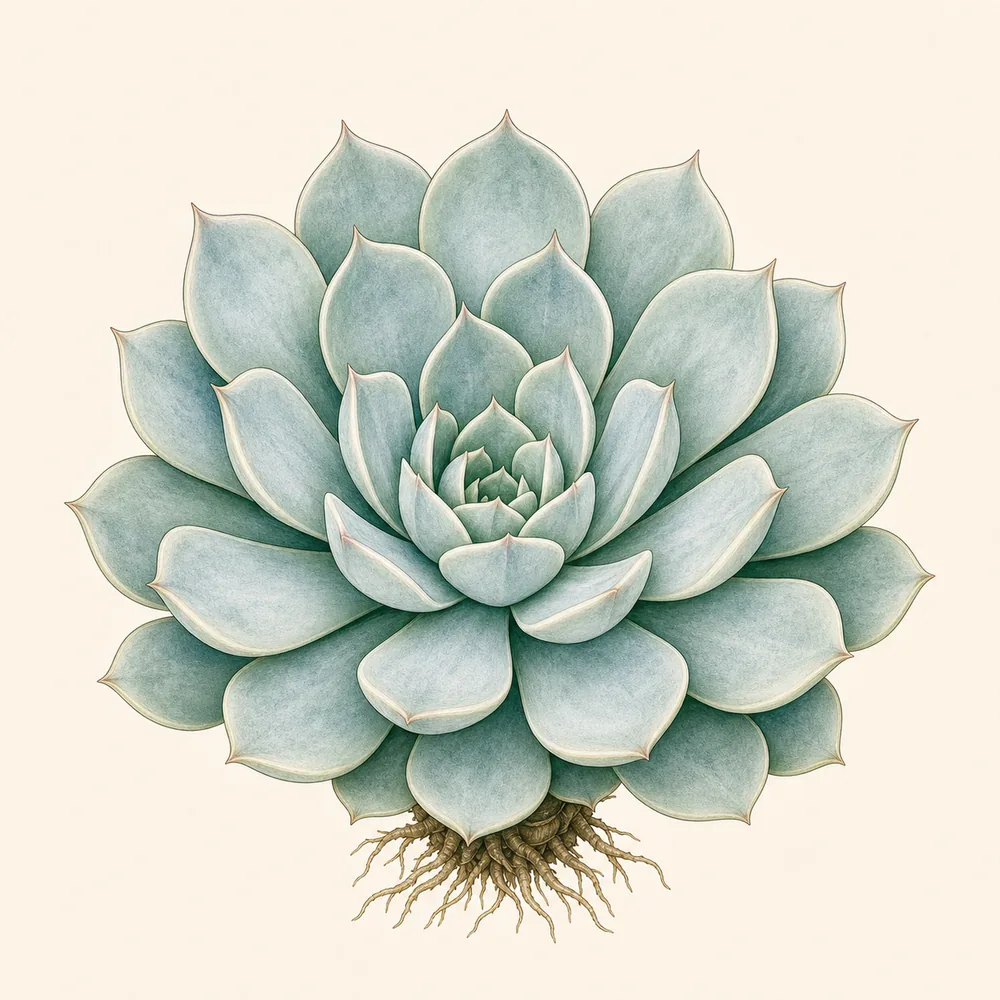
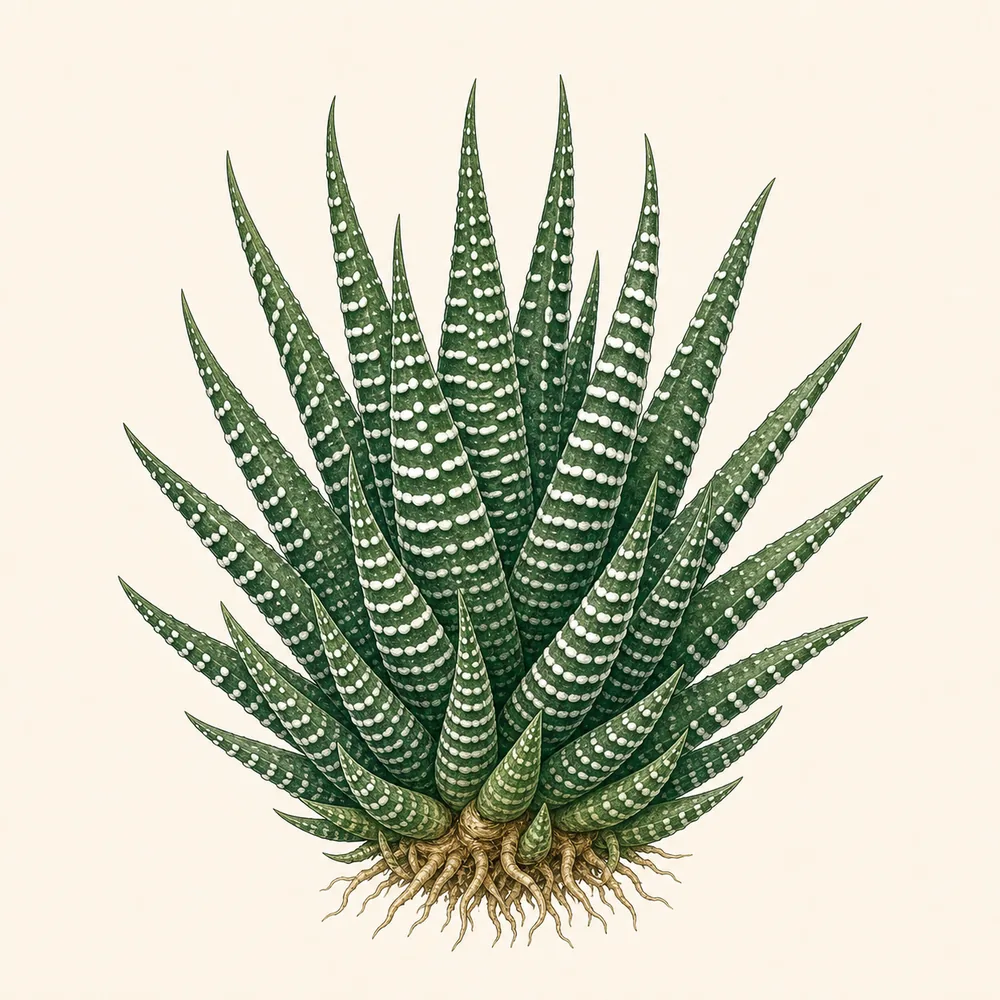
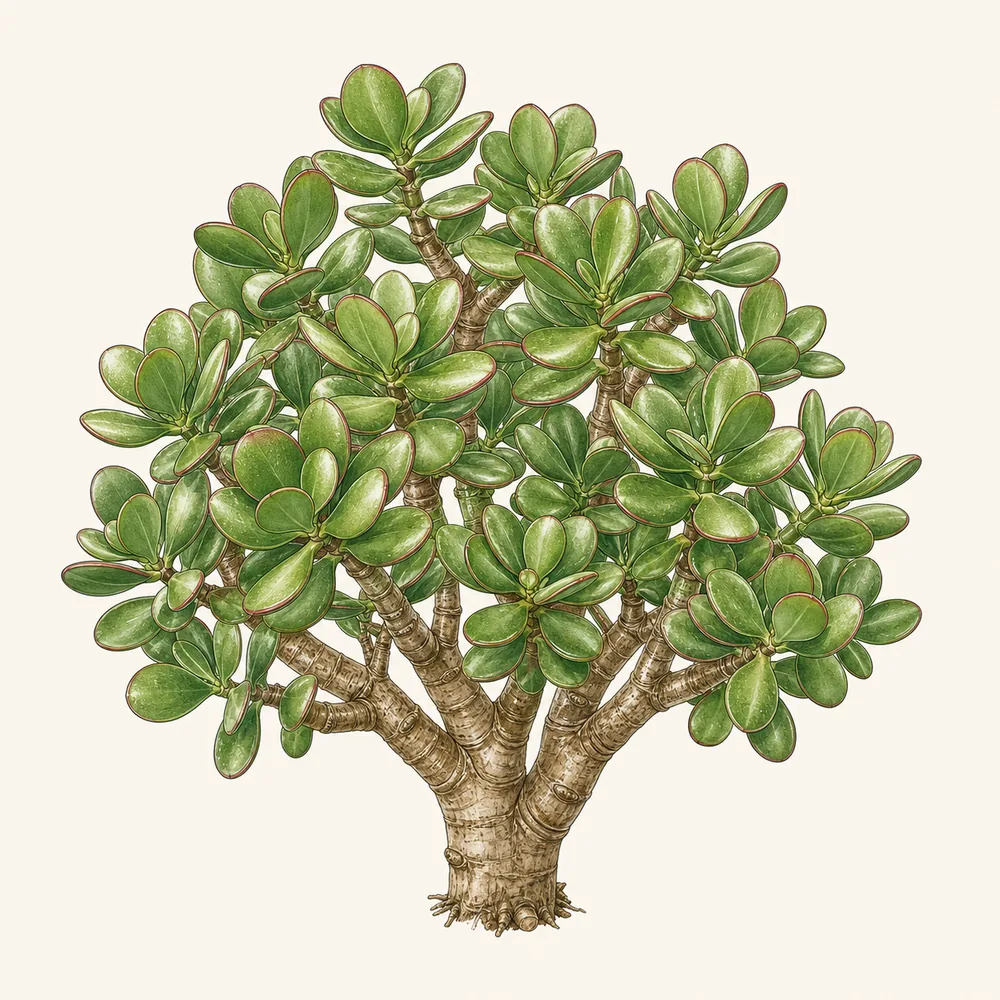
If you like this, try
Other plants with a similar temperament.
How we checked this
Care cross-checked against the RHS. Toxicity confirmed against the ASPCA database, which lists Sempervivum (as 'Hens and Chickens') as non-toxic to cats and dogs. If our page and these sources ever disagree, believe them — and tell us.
Sources: RHS · ASPCA — toxic & non-toxic plants
Last reviewed · July 2026