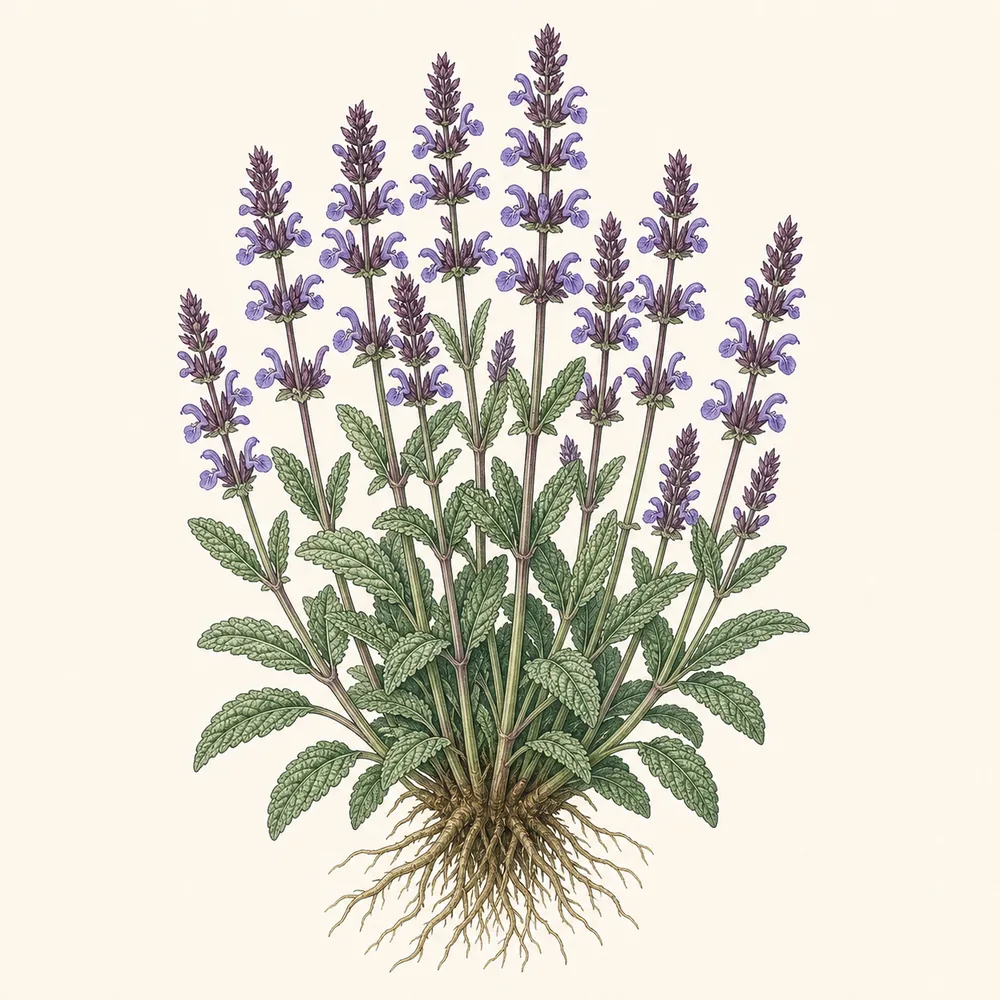
Salvia
Some of the hardest-working plants in a sunny border — spikes of violet, blue, pink or scarlet that pump out flowers from early summer well into autumn, loved by bees and shrugging off dry spells once settled.
Not listed by ASPCA
The ASPCA doesn't list ornamental salvia, so we don't stamp it safe. There's no known serious toxicity for the garden types, but with no database entry we flag the gap rather than guess.
Care at a glance
Everything that matters, in six lines. The detail is further down.
Position
Give them the sunniest, most open spot you have — salvias flower hardest and stay sturdiest in full sun and poorly in shade.
Water
Water new plants through their first summer; established clumps cope well with dry spells and resent sitting wet, especially over winter.
Hardiness
Border types like Salvia nemorosa are fully hardy; tender woody kinds such as 'Hot Lips' need a sheltered spot or winter protection in cold gardens.
Soil
Sharp drainage matters more than richness. On heavy clay, add grit at planting — winter wet kills more salvias than cold does.
Feeding
A spring mulch is plenty. Too much feed gives soft, floppy growth and fewer flowers, so go easy.
Pruning
Shear off faded spikes through summer to keep the flowers coming, then tidy hardy types back in spring.
What to do, and when
Plant new salvias once frost has passed. Cut last year's stems back to fresh basal growth and take softwood cuttings of tender types as insurance.
Peak flowering — deadhead regularly to keep the spikes coming, and give the first flush of hardy types a hard chop for a fresh second wave.
Flowering carries on late for the bees. Leave the top growth on borderline-hardy plants over winter rather than cutting now.
Leave hardy clumps standing for a little frost protection. Overwinter tender types in a frost-free spot or under a dry mulch.
Sun and sharp drainage — the whole game
Salvias are Mediterranean at heart, so they want the two things that spot most often lacks: all-day sun and free-draining soil. Get those right and they need almost nothing else; get them wrong and no amount of feeding or fussing will save a plant sitting cold and wet.
If your border is heavy, plant on a slight mound and work grit or coarse sand into the hole. It's winter wet, not winter cold, that rots the crowns of most salvias — improving drainage is the single best thing you can do for them.
The Chelsea chop for more flowers
Hardy border salvias like Salvia nemorosa respond brilliantly to being cut back hard once the first flush fades in early-to-mid summer — a version of the 'Chelsea chop'. Shear the whole plant back by a third to a half and it rebounds with a fresh wave of spikes.
Deadheading individual spent spikes through the season does the same job on a smaller scale, keeping the plant tidy and the bees fed right through to autumn.
Know your salvia before winter
The name covers everything from bone-hardy herbaceous perennials to tender woody shrubs, and they want different winter treatment. Herbaceous types (nemorosa, x sylvestris) die back and reshoot from the base — leave them be and cut back in spring.
Woody, tender types ('Hot Lips', microphylla and greggii kinds) hold their stems and hate a cold, wet winter. Leave the top growth on over winter for protection, prune in mid-spring, and in cold gardens take a few cuttings in late summer as insurance.
Common problems
Plant rots off over winter
Almost always winter wet, not cold. Improve drainage with grit, plant on a slight mound, and hold off cutting tender types back until spring.
Tall, floppy, few flowers
Too much shade or too rich a soil. Move to full sun, ease off the feeding, and cut back hard to encourage sturdier, more floriferous growth.
Flowering fizzles out by midsummer
Spent spikes left on. Deadhead regularly and give hardy types a hard chop after the first flush for a strong second flowering.
Powdery white coating on the leaves
Powdery mildew, worse in dry soil and stagnant air. Water the roots in prolonged drought, improve air flow, and remove badly affected growth.
Everything a salvia needs
Full sun, sharp drainage, and a well-timed chop.
We take no commission on anything in the "save your money" tier — if we don't think you should buy it, we don't link it. How our recommendations work
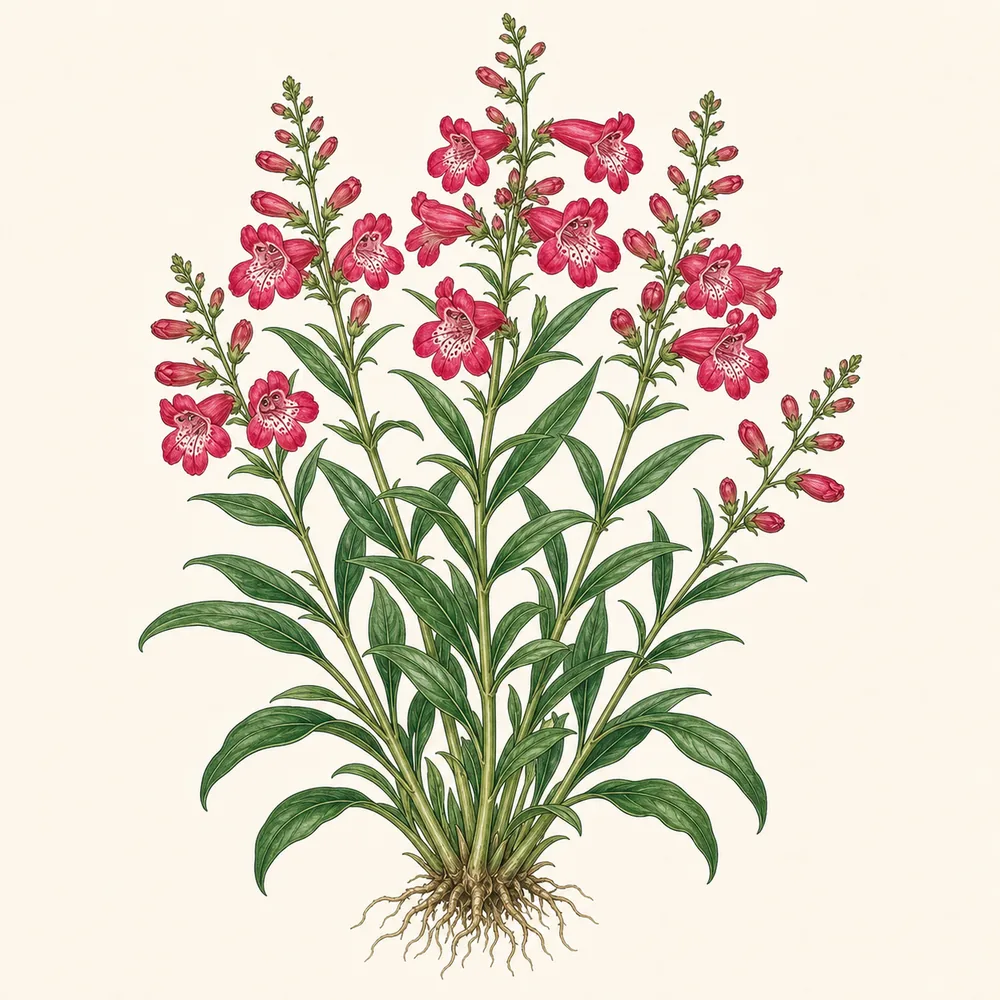
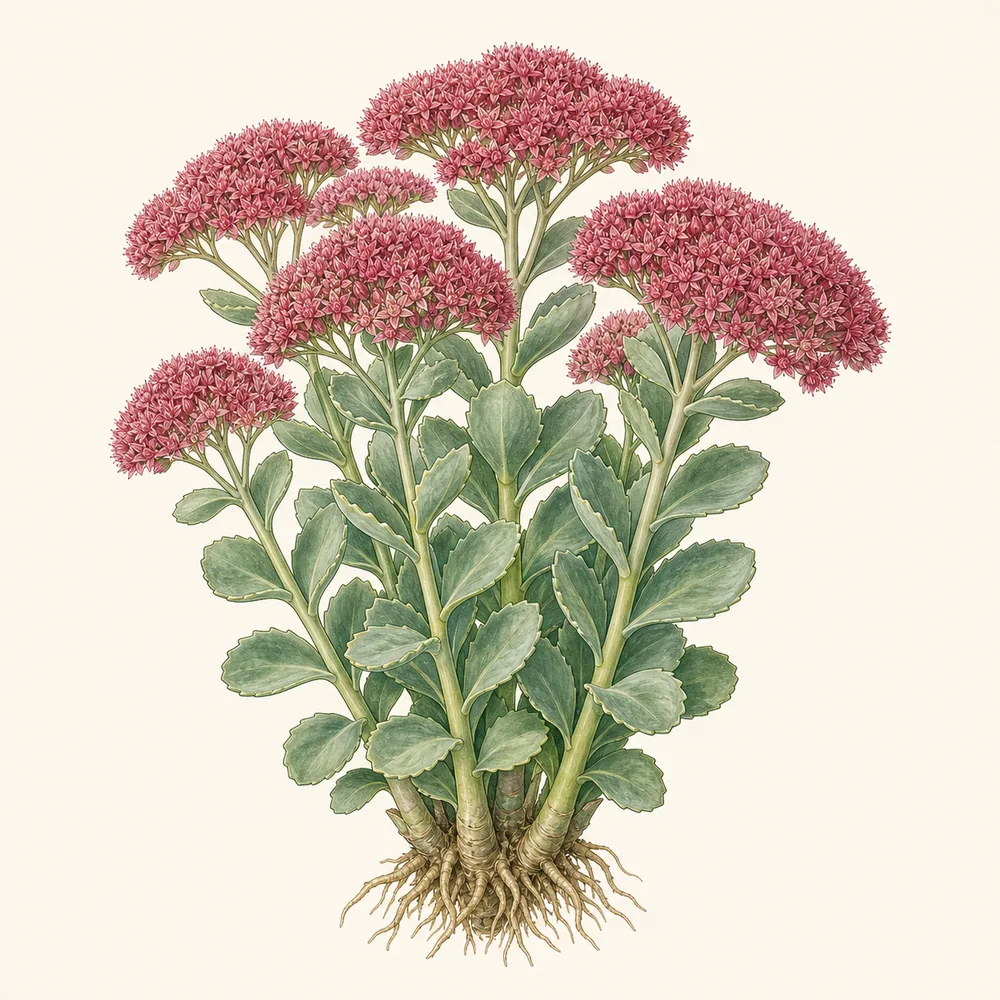
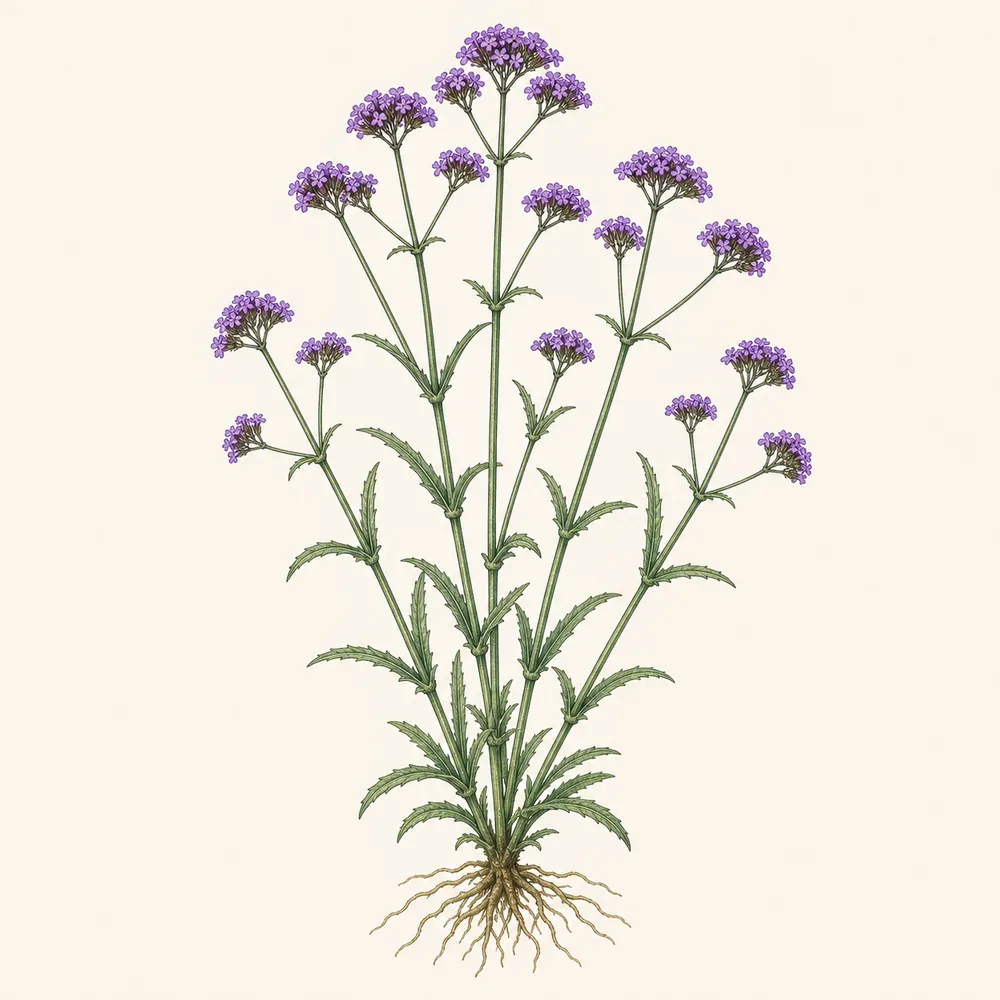
If you like this, try
Other plants with a similar temperament.
How we checked this
Care cross-checked against the RHS. The ASPCA does not list ornamental salvia, so its pet-safety is unconfirmed and we have not stamped it safe. If our page and these sources ever disagree, believe them — and tell us.
Sources: RHS · ASPCA — toxic & non-toxic plants
Last reviewed · July 2026