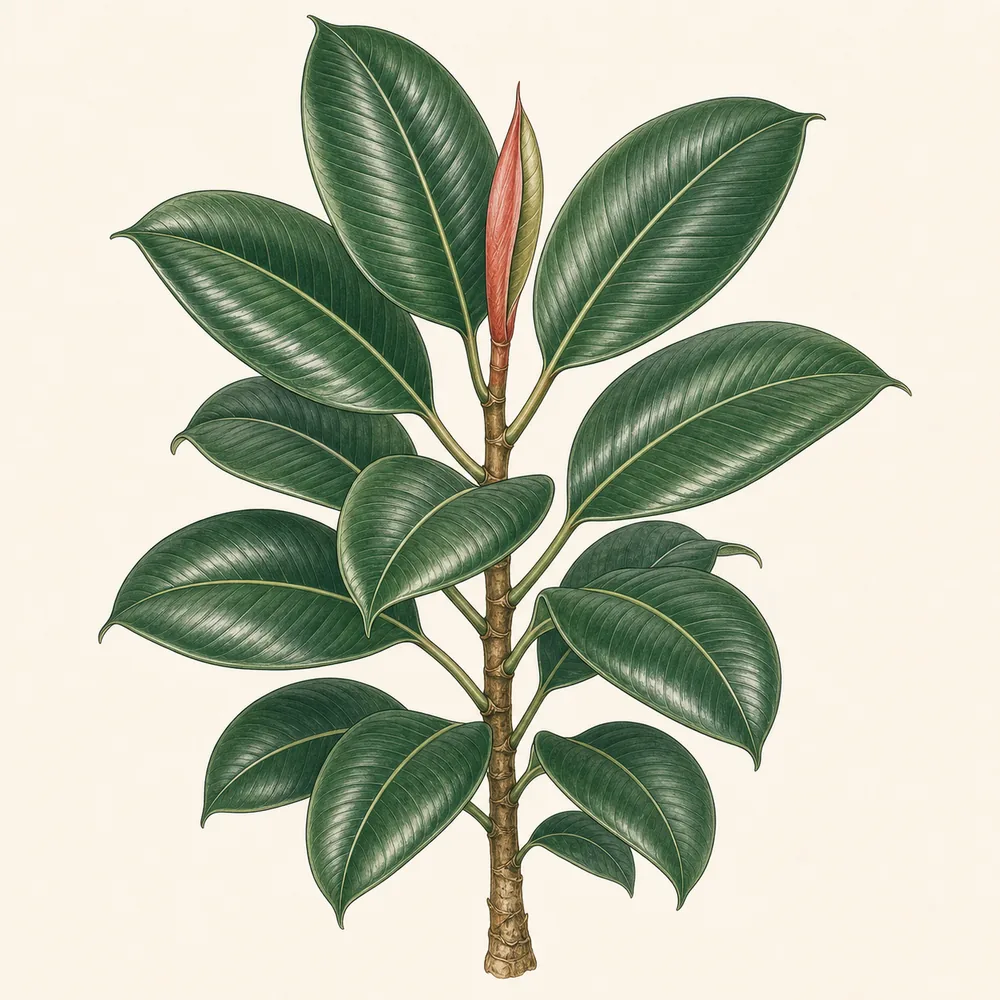
Rubber Plant
A fiddle-leaf fig’s easier cousin: the same glossy drama, far less fuss. Big, leathery, deep-green (or burgundy) leaves on an upright plant that forgives the occasional missed watering.
Mildly toxic to cats, dogs & horses if chewed
Another Ficus. The milky latex sap (ficin, psoralen) irritates skin and, if chewed, the mouth and gut. Mild but messy — keep it away from pets that nibble and wipe up any dripped sap. Source: ASPCA.
Care at a glance
Everything that matters, in six lines. The detail is further down.
Light
Tolerates medium light; variegated and burgundy types keep their colour best in bright, indirect light.
Water
Moderate and even. It copes with a missed watering better than a soggy pot.
Temperature
Normal room warmth. Keep it off cold windowsills in winter.
Humidity
Undemanding. Wipe the leaves to keep them glossy and dust-free.
Feeding
A balanced feed spring to summer keeps new leaves coming.
Soil
Standard peat-free houseplant compost with a little drainage.
What to do, and when
Growth resumes. Repot if congested, resume feeding, and wipe winter dust off the leaves.
Steady growth. Water when the top dries, feed monthly, keep it in good light.
Ease off water and feed as light fades.
Ticking over. Water sparingly, no feed, away from cold glass and draughts.
The easy glossy statement plant
If a fiddle-leaf fig feels intimidating, a rubber plant gives you the same bold, glossy, big-leaf look with a fraction of the temperament. It grows upright into a small indoor tree, takes medium light in its stride, and shrugs off the odd lapse in watering.
Keep the leaves wiped clean so they stay glossy and can gather light, and give variegated or burgundy forms a brighter spot to hold their colour.
Watering and light
Water when the top few centimetres dry out, then drain fully. The commonest mistake is kindness — a rubber plant left in a wet pot drops its lower leaves and rots at the roots.
In too little light it grows leggy with wide gaps between leaves. Move it somewhere brighter (out of harsh direct sun) for compact, well-spaced growth.
Common problems
Dropping lower leaves
Usually overwatering or a cold draught. Let it dry more; move it somewhere stable.
Yellowing leaves
Overwatering. Check the pot drains and ease off.
Brown, dry edges
Air too dry or under-watered. Keep watering a little more even.
Leggy, gappy growth
Too little light. Move it brighter for compact leaves.
Everything a rubber plant needs
A short list for a genuinely low-drama plant.
We take no commission on anything in the "save your money" tier — if we don't think you should buy it, we don't link it. How our recommendations work
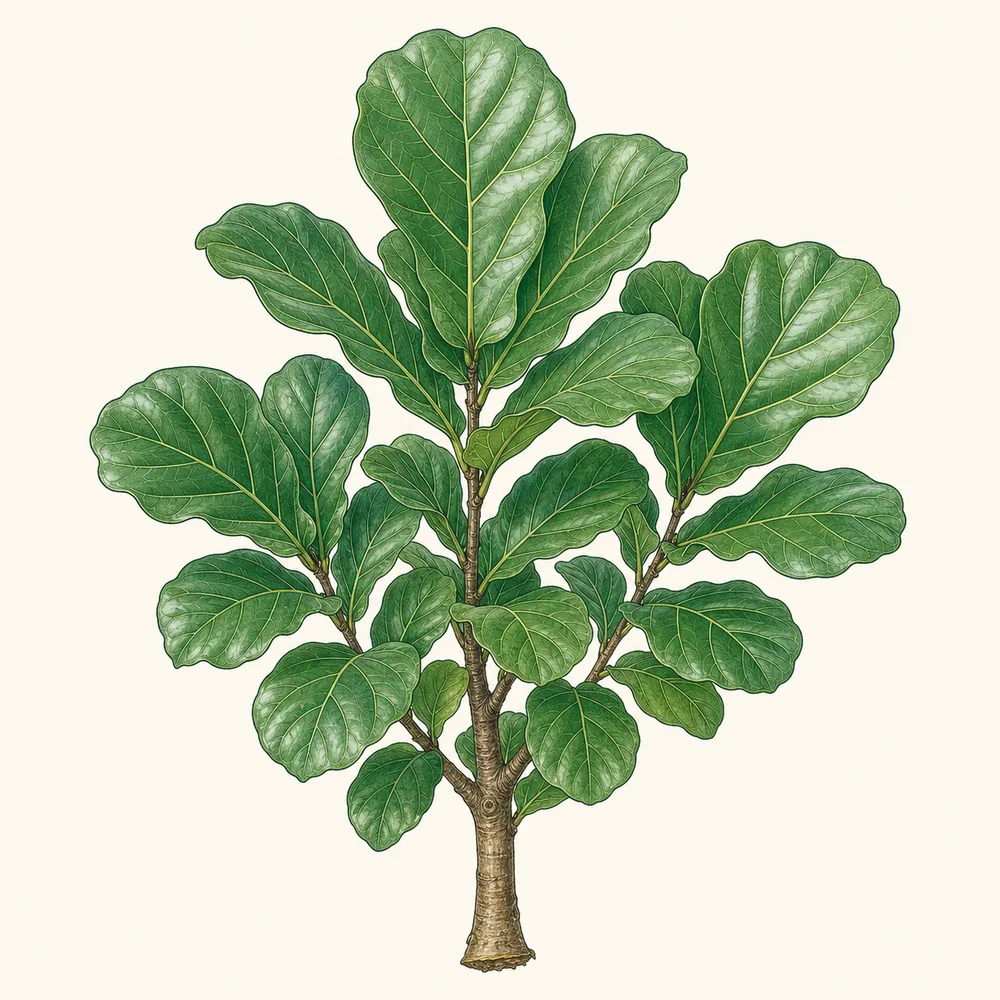
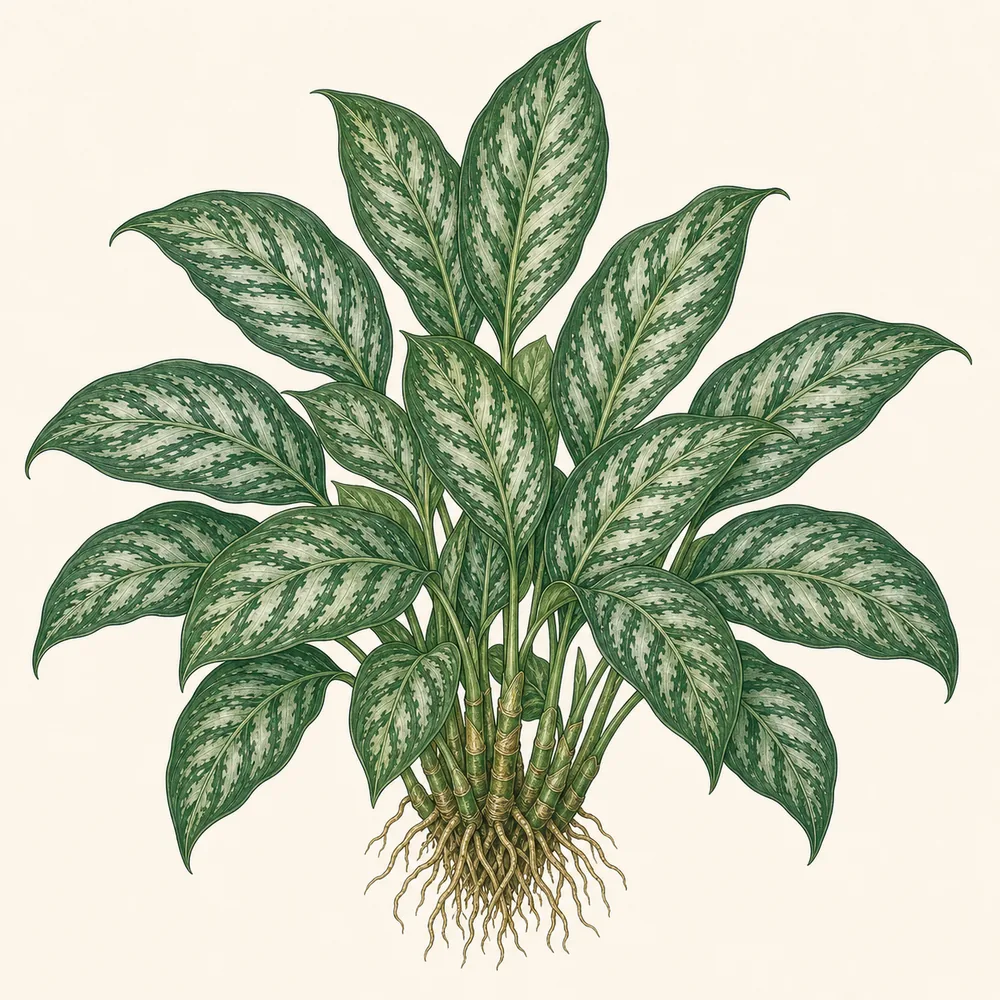
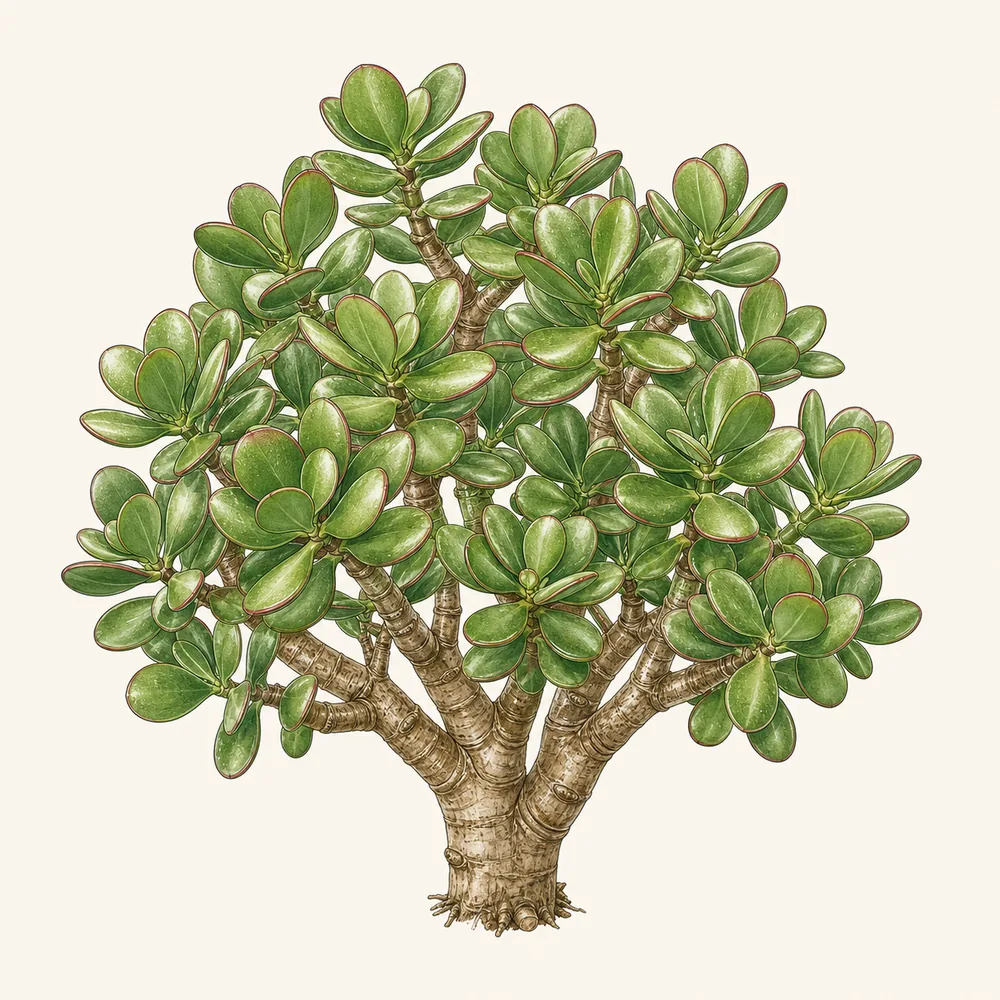
If you like this, try
Other plants with a similar temperament.
How we checked this
Care cross-checked against the RHS and NC State Extension. Toxicity confirmed against the ASPCA Ficus (fig) entry — toxic to cats, dogs and horses; ficin and psoralen; GI and dermal irritation from the latex sap. If our page and these sources ever disagree, believe them — and tell us.
Sources: RHS · NC State Extension · ASPCA — Ficus
Last reviewed · July 2026