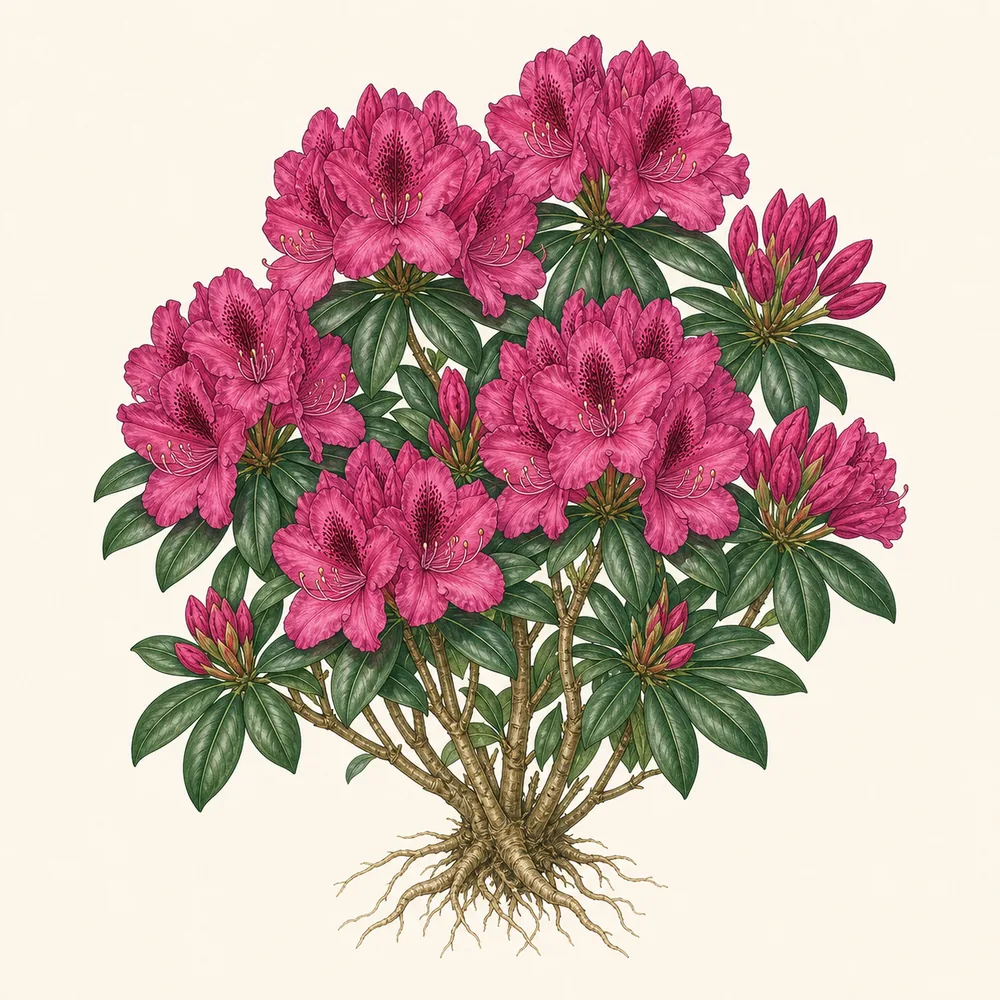
Rhododendron & Azalea
The spring spectacle of acid-soil gardens — trusses of flower smothering evergreen shrubs, from knee-high azaleas to tree-sized rhododendrons. Gloriously easy where the soil suits them, and toxic in every part, with clippings and smoke among the hidden hazards for grazing animals.
Toxic to pets, horses and livestock — don't burn it
All parts contain grayanotoxins that affect the heart and gut; the ASPCA lists vomiting, drooling, weakness and cardiac failure in pets, and grazing animals — horses, sheep, goats — are poisoned surprisingly often by browsing the evergreen leaves when other food is short. Two extra cautions: burning the prunings can release harmful smoke, and even honey made from the flowers can carry the toxin ('mad honey'). Keep clippings away from animals and off the bonfire. Sources: ASPCA, RHS.
Care at a glance
Everything that matters, in six lines. The detail is further down.
Position
Woodland-edge light is ideal — shelter from harsh sun and cold wind. Deep shade gives few flowers.
Soil
Below ~pH 5.5, and moist but well-drained. On chalk or limestone they simply won't thrive — grow in pots instead.
Water
Shallow-rooted and thirsty; mulch and water (with rainwater in hard-water areas) especially while budding in summer.
Feeding
A spring feed formulated for acid-lovers after flowering. Stop by midsummer as next year's buds set.
Pruning
Deadhead spent trusses (carefully, gloved) and shape lightly right after flowering. Bag clippings; don't burn.
Hardiness
Most are hardy; late frosts can brown early blooms. A sheltered spot protects the flower display.
What to do, and when
The flowering climax. Deadhead spent trusses as they fade, then feed with an ericaceous fertiliser and mulch. Shelter early flowers from late frost.
Next spring's buds form now, so this is the critical watering window — keep the roots moist with rainwater and mulch.
Ease off; keep watering until the rain takes over. A good planting season for new shrubs in acid soil or pots.
Evergreen kinds sit tight. Protect containers from hard freezing, and shelter from drying winter winds.
The soil test that decides everything
Rhododendrons and azaleas are the ultimate 'right plant, right place' shrubs. On acid soil they're close to carefree; on chalk or limestone they slowly starve, leaves yellowing between the veins no matter what you feed them. Before buying, find out your soil's pH — a cheap kit, or simply noticing whether rhododendrons, camellias and heathers thrive in neighbours' gardens.
If you're on alkaline ground, don't fight it: grow a compact azalea in a large pot of ericaceous compost, watered with rainwater, and enjoy it there. It's cheaper and happier than a lifetime of soil-acidifying treatments that never quite work.
The hazards grazers and gardeners forget
Rhododendron poisoning in livestock is a real countryside problem: the leaves stay green and available all winter, and hungry sheep, goats or horses will browse them when grazing is poor. If you keep animals, or your hedge borders a paddock, keep rhododendron well fenced off and never dump prunings where stock can reach them.
For gardeners the extra cautions are simple: wear gloves when handling and deadheading, don't burn the clippings (the smoke can be harmful), and if you keep bees, know that honey from large rhododendron stands can occasionally be toxic — the historic 'mad honey'. In an ordinary garden these are easy precautions, not reasons to avoid a magnificent shrub.
Common problems
Yellow leaves, green veins
Lime-induced chlorosis — soil too alkaline or hard tap water. Switch to rainwater and ericaceous feed, or move to a pot.
Buds fail to open, turn brown
Bud blast (a fungus spread by leafhoppers) or frost. Remove affected buds; shelter early-flowering kinds from frost.
Leaves rolled and drooping
Usually drought stress — they're shallow-rooted and thirsty. Water deeply with rainwater and mulch well.
Notched leaf edges
Vine weevil adults; the grubs eat roots, dangerous in pots. Check rootballs; treat containers if plants wilt without cause.
Everything a rhododendron needs
Get the soil right first — after that, it's mostly water and mulch.
We take no commission on anything in the "save your money" tier — if we don't think you should buy it, we don't link it. How our recommendations work
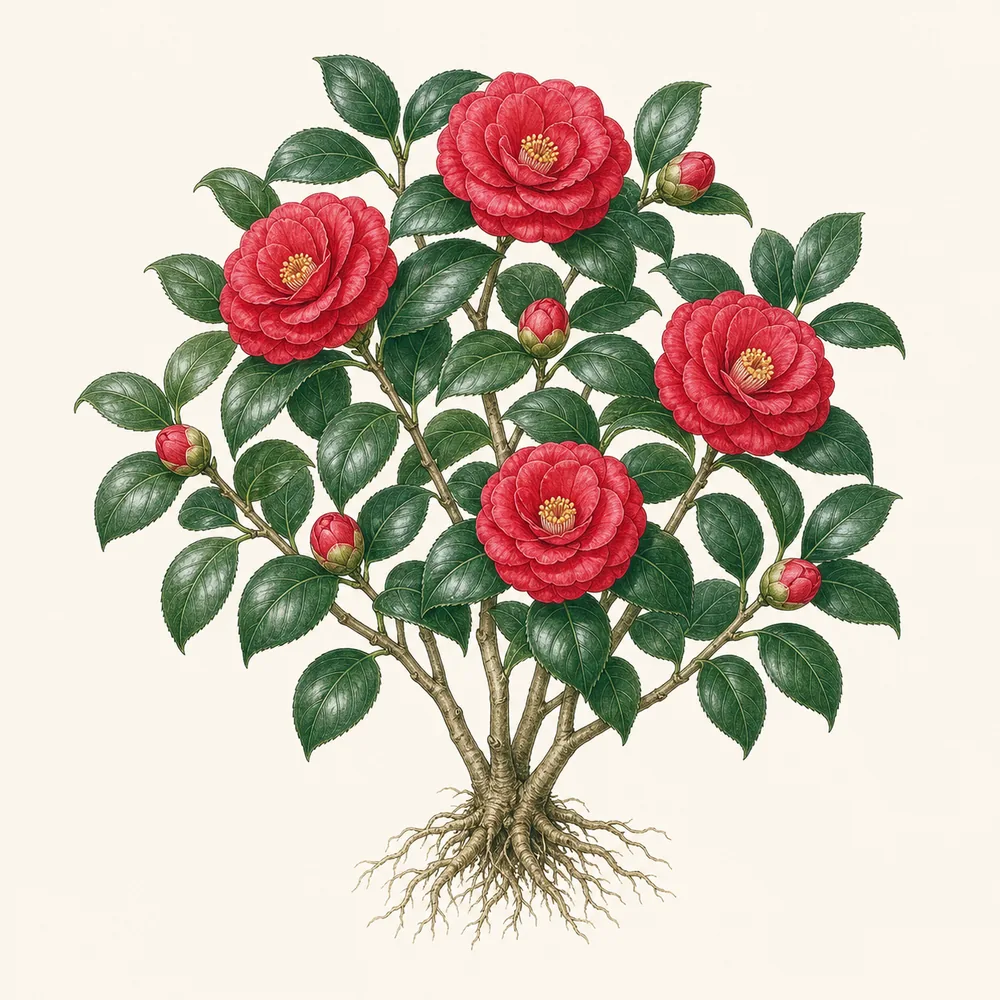
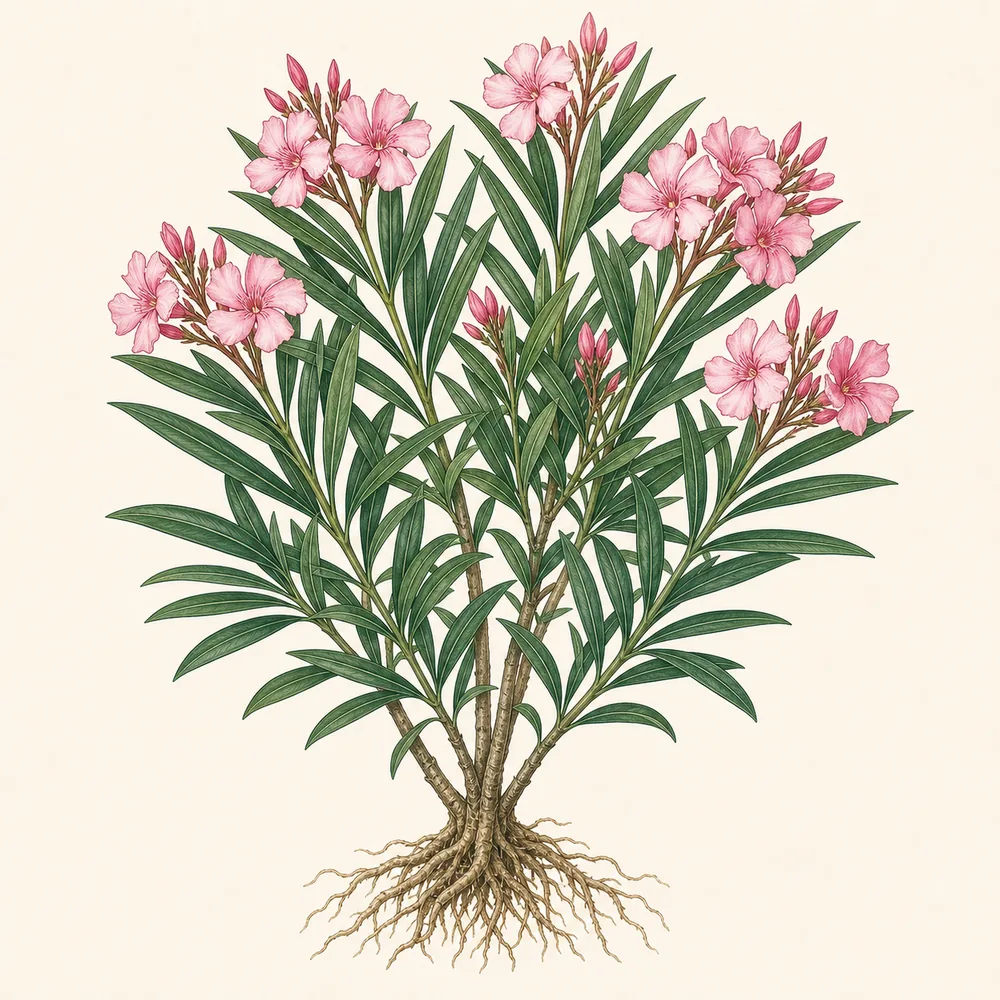
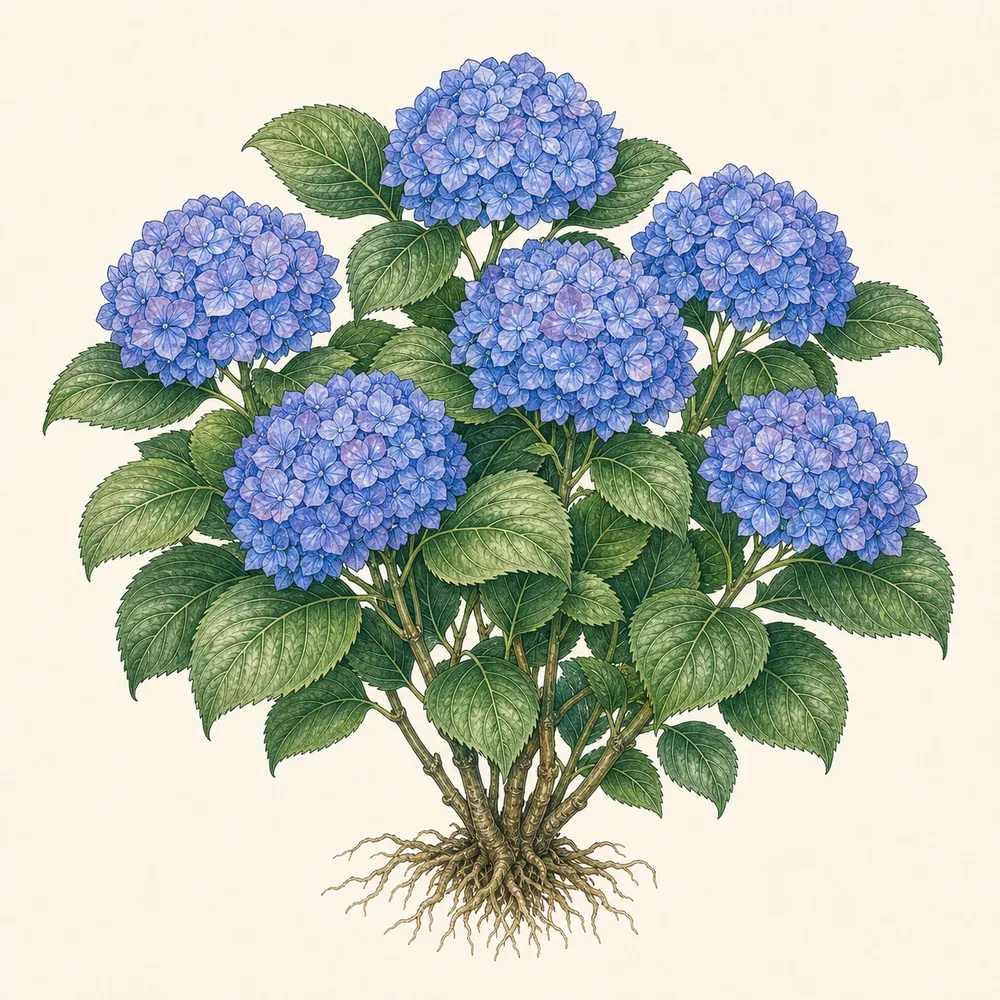
If you like this, try
Other plants with a similar temperament.
From the Notebook
Seasonal notes and guides that mention the rhododendron & azalea.
How we checked this
Care guidance cross-checked against the Royal Horticultural Society and NC State Extension. Toxicity confirmed against the ASPCA database (Rhododendron spp. — grayanotoxin; vomiting, diarrhoea, weakness, cardiac failure) and the RHS; livestock browsing and the 'mad honey' effect are well-documented. If our page and these sources ever disagree, believe them and tell us. If our page and these sources ever disagree, believe them — and tell us.
Sources: RHS · NC State Extension · ASPCA
Last reviewed · July 2026