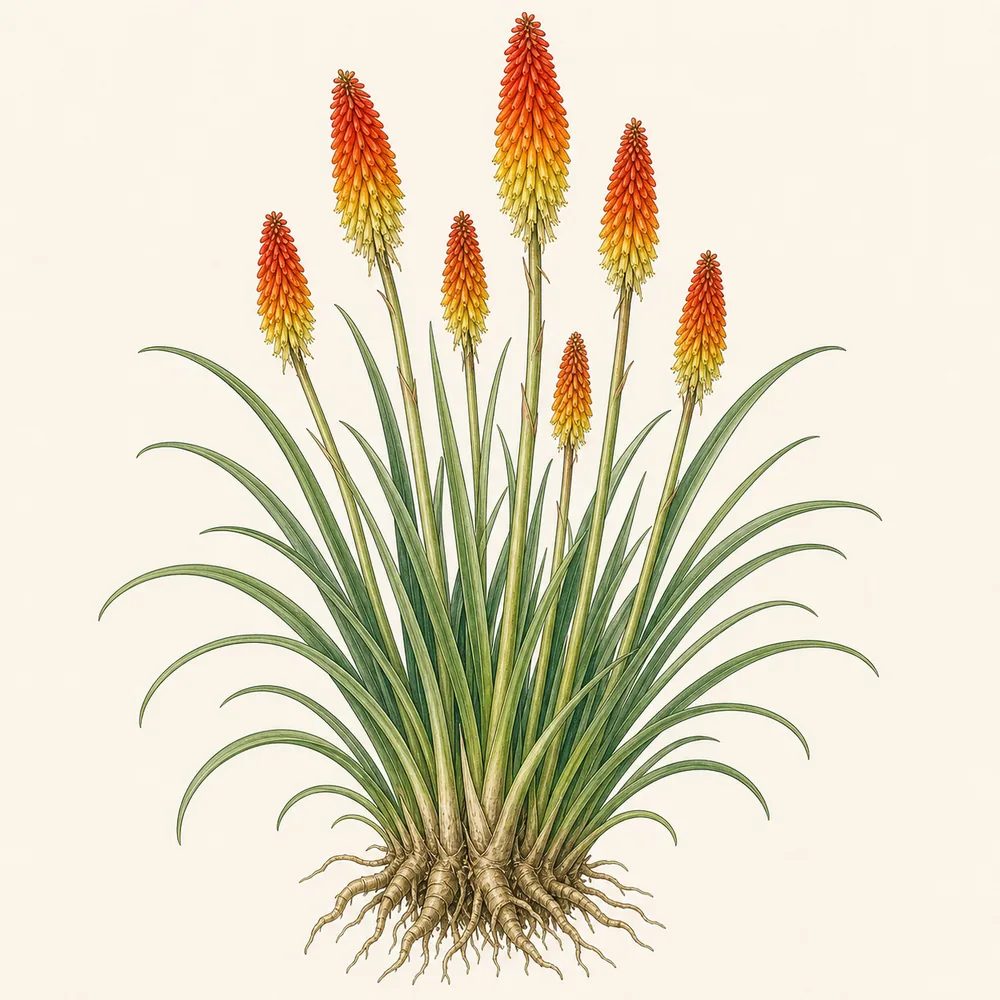
Red-hot Poker
A bold, architectural perennial that sends up flaming pokers of red, orange and yellow above arching, grassy foliage — a magnet for bees and a real focal point in a sunny border. Once settled it's tough and drought-resistant. The two things to get right: sharp drainage, and a light touch when it comes to cutting back.
Not listed by ASPCA
The ASPCA doesn't list the red-hot poker (Kniphofia), so we don't stamp it safe. It has no serious toxicity on record. With no database entry we flag the gap honestly rather than guess.
Care at a glance
Everything that matters, in six lines. The detail is further down.
Light
Give it full sun for the strongest flowering and sturdiest spikes. In shade it flowers poorly and the clump grows soft and floppy.
Water
Water through the first year while it establishes. After that it copes well with dry spells and rarely needs watering.
Temperature
Most kinds are hardy in the UK, but cold combined with wet roots kills them. Sharp drainage matters more than any fleece.
Cutting back
Remove faded flower spikes at the base. Leave most of the foliage over winter as protection, then tidy old leaves in spring.
Feeding
Undemanding in reasonable soil. A spring mulch of compost is plenty; heavy feeding just produces lush leaf over flower.
Soil
Deep, fertile, free-draining soil is ideal. On heavy clay, dig in plenty of grit — it's winter wet, not cold, that rots the crown.
What to do, and when
The main planting and dividing time. Tidy away last year's tatty old foliage, mulch around the crown, and divide congested clumps now as growth begins.
Flowering season for many kinds — tall pokers rise above the foliage and draw in the bees. Cut spent spikes at the base to keep the clump tidy.
Some later varieties are still flowering. Leave the foliage standing rather than cutting it hard — it shelters the crown through the coming winter.
Dormant, and the risk now is wet, not cold. Make sure the crown isn't sitting in water; in very cold gardens a loose mulch gives extra insurance.
Drainage is everything
Red-hot pokers come from open, sunny ground and their one non-negotiable is drainage. They'll sail through a cold winter but rot in a wet one — it's the combination of cold and soggy roots that kills them, not frost alone.
On free-draining soil they're almost trouble-free. On heavy clay, work in plenty of grit before planting, or raise the bed, so the crown never sits in standing water over winter.
Don't cut it back too hard
The common mistake is to shear the whole clump to the ground in autumn like a herbaceous perennial. Kniphofia foliage is evergreen or semi-evergreen, and those leaves protect the crown through winter. Cut it hard now and you expose the crown to cold and wet — exactly what harms it.
Instead, snap off spent flower spikes at the base as they fade, leave the bulk of the foliage standing over winter, and do your tidying in spring — pulling away the old, tatty outer leaves once the worst weather has passed. Some gardeners gather the leaves up and tie them loosely over the crown for extra winter protection.
Architectural structure, and easy to bulk up
Grown well, a red-hot poker is a genuine focal point — strong vertical spikes over a fountain of grassy leaves, brilliant among softer border planting or gravel. There's a poker for most seasons too, from early summer kinds to late varieties that flower into autumn.
Established clumps eventually get congested and flower less. Lift and divide them in spring, not autumn — spring division lets the divisions root and settle through the growing season rather than sitting cold and wet, and it's the simplest way to make more plants for free.
Common problems
Rotting over winter
Cold plus wet roots rots the crown. Plant on sharp-draining soil, add grit to heavy ground, and never leave the crown sitting in standing water.
Cut back too hard
Shearing the foliage to the ground in autumn exposes the crown to winter cold and wet. Leave the leaves standing over winter and tidy in spring instead.
Few flowers on old clumps
Congested, overgrown clumps flower less. Lift and divide them in spring to reinvigorate the plant and give the divisions room to bulk up again.
Floppy, leafy growth
Too much shade or over-rich, over-fed soil. Grow in full sun on free-draining ground and go easy on feeding to keep the clump upright and flowering.
Everything a red-hot poker needs
Full sun, sharp drainage, and a light hand with the secateurs.
We take no commission on anything in the "save your money" tier — if we don't think you should buy it, we don't link it. How our recommendations work
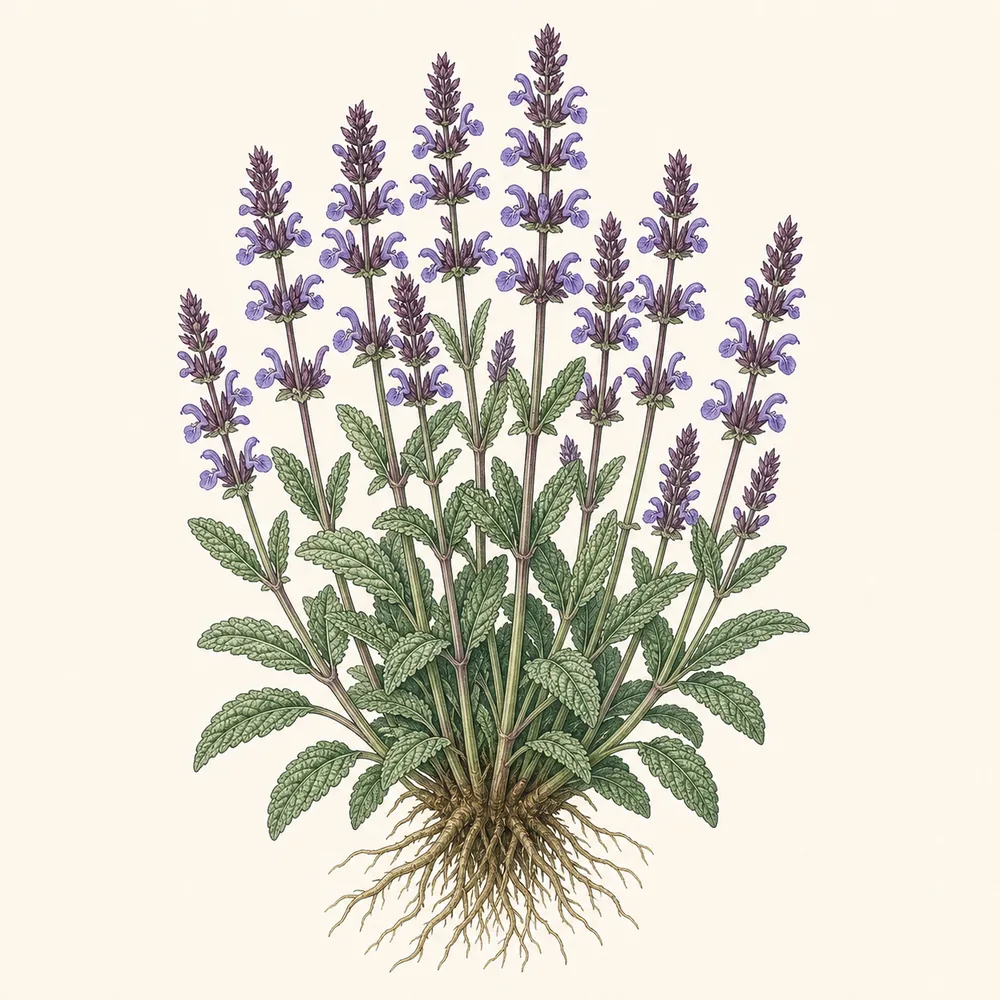
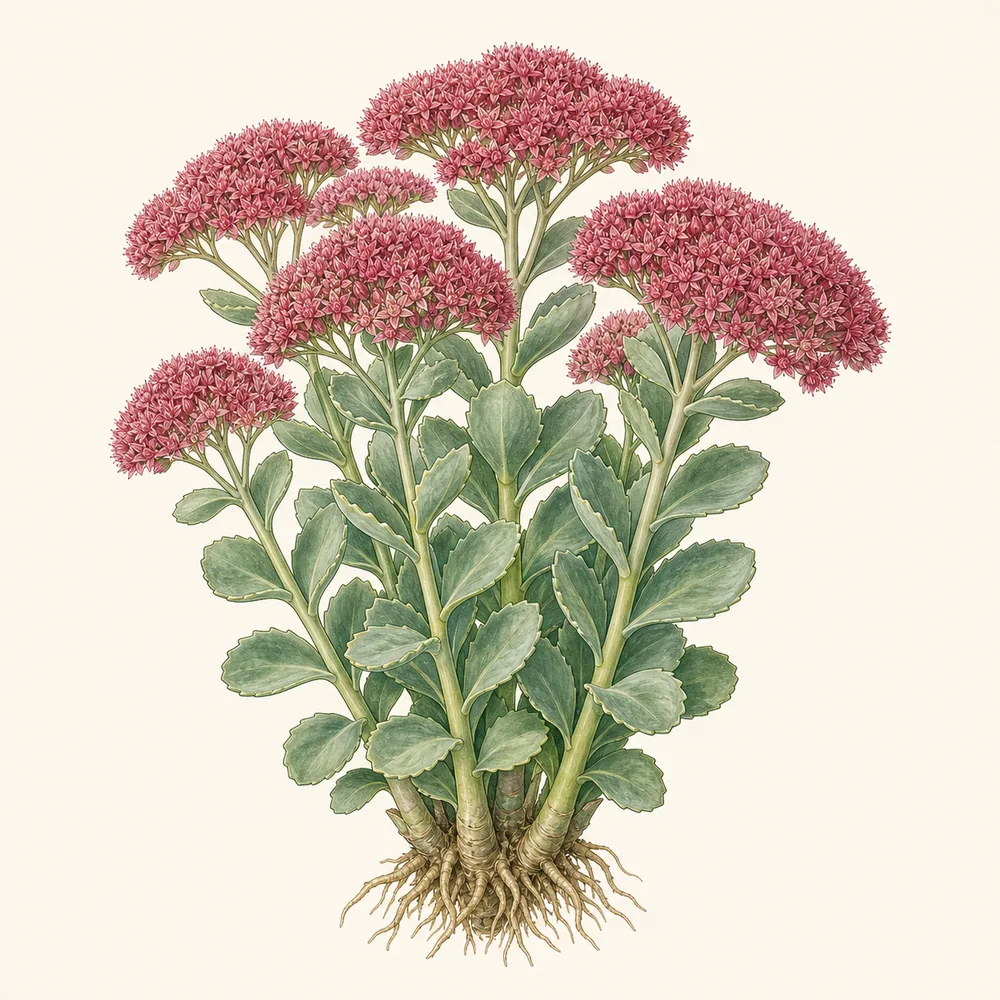
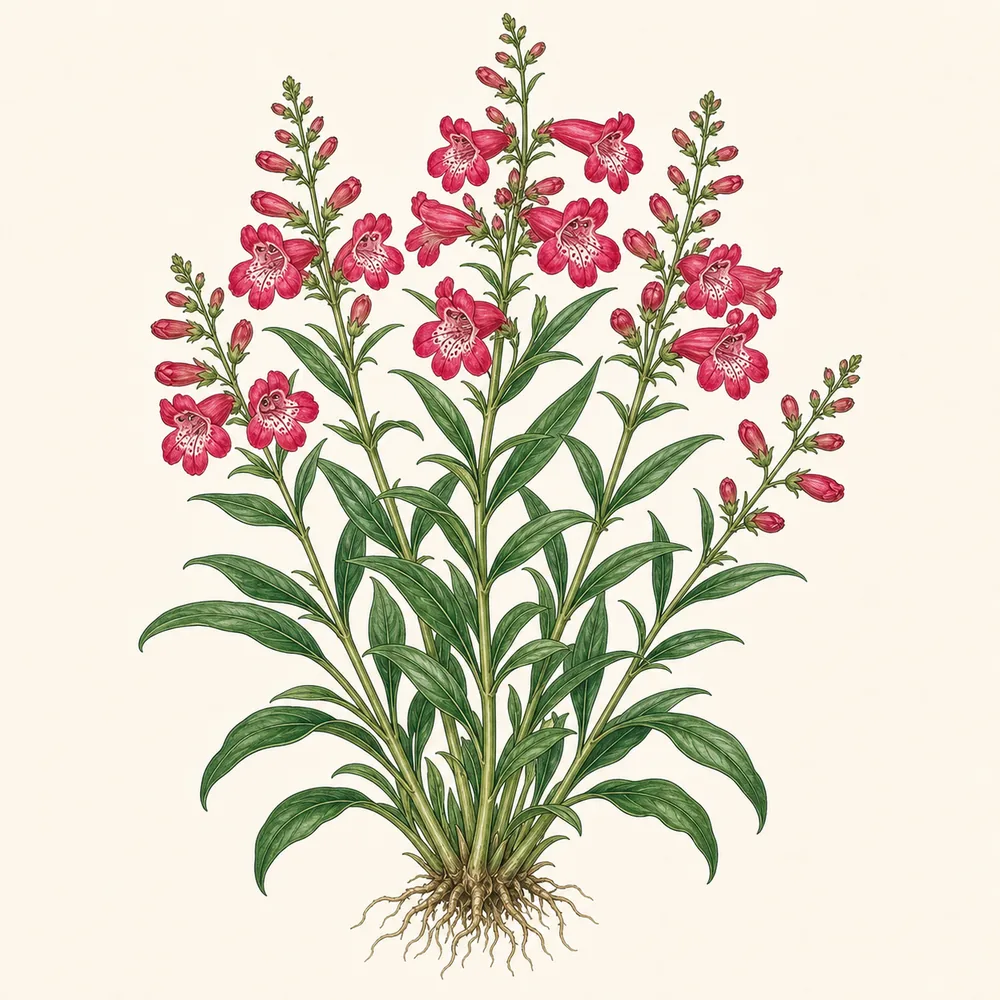
If you like this, try
Other plants with a similar temperament.
How we checked this
Care cross-checked against the RHS. The ASPCA does not list the red-hot poker (Kniphofia), so its pet-safety is unconfirmed and we have not stamped it safe. If our page and these sources ever disagree, believe them — and tell us.
Sources: RHS · ASPCA — toxic & non-toxic plants
Last reviewed · August 2026