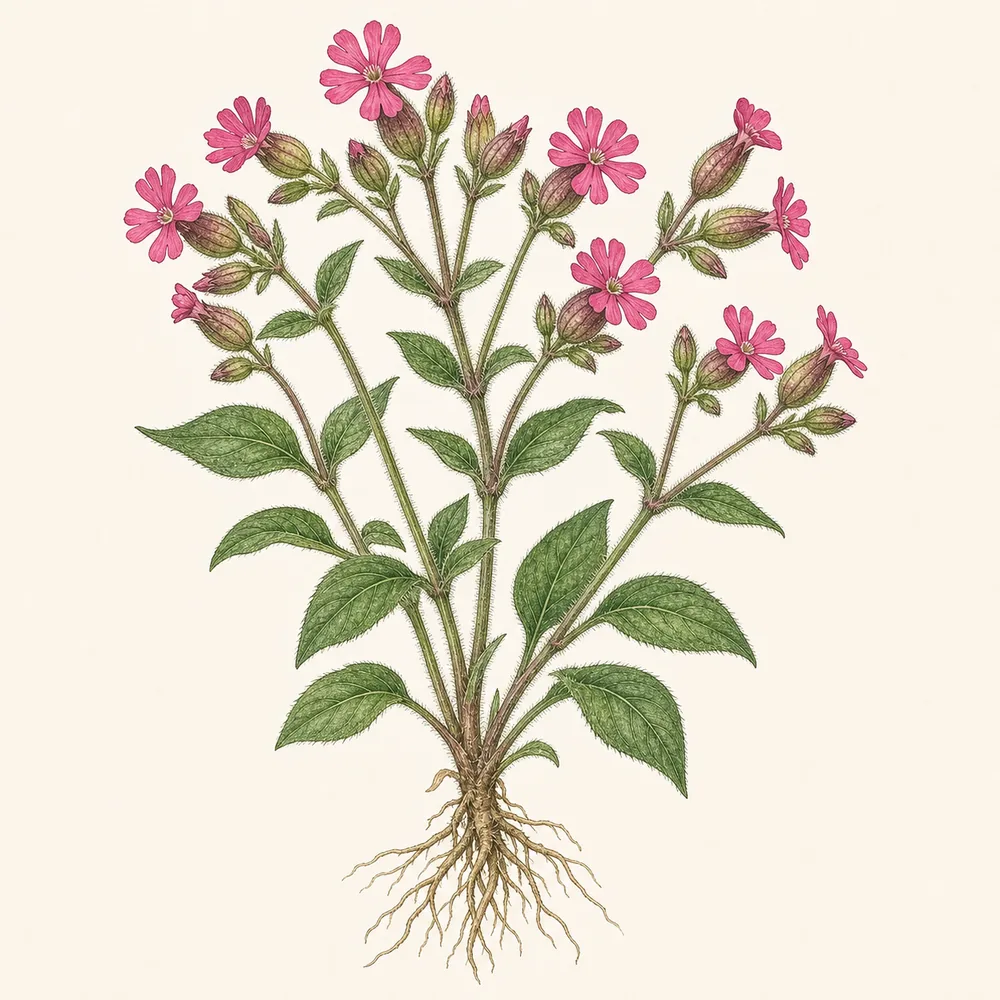
Red Campion
The rosy-pink flower of woodland edges and hedge banks — one of the few native meadow plants that's genuinely happy in shade. It flowers over a remarkably long season from spring into autumn, feeds bees and long-tongued insects, and lights up the shady, hedge-side corners where other wildflowers struggle.
Not listed by ASPCA
The ASPCA doesn't list red campion, so we don't stamp it safe. It's a UK native wildflower with no recorded serious toxicity to pets, but with no database entry we flag the gap honestly rather than guess.
Care at a glance
Everything that matters, in six lines. The detail is further down.
Light
One of the best natives for dappled or part shade — a hedge base or woodland edge suits it perfectly. It also grows in sun where soil stays moist.
Water
Likes ground that doesn't dry out badly. Established plants cope with normal weather; water new plugs through a dry first spell.
Temperature
A hardy native, fine across the UK. Short-lived as an individual but persists indefinitely by self-seeding.
Spacing
In a hedge bank it self-seeds into gaps; as plugs, set them around 30 cm apart to knit into the base of a hedge or edge.
Feeding
No feeding. It thrives on the ordinary, unimproved soil of a hedge base and doesn't want rich ground.
Soil
Happy on most soils that stay reasonably moist and drain freely — the humus-rich ground under a hedge is ideal.
What to do, and when
Among the earliest to flower — rosy-pink blooms open from April, filling the hedge-bank gap before summer flowers arrive. Plant plugs now.
Flowering continues right through summer, feeding bees, hoverflies and butterflies. Leave it to set seed for next year's colony.
Often still throwing the odd late flower while seed capsules ripen and scatter. Cut back surrounding growth and let it self-seed into gaps.
Overwinters as a low leafy rosette rather than dying away completely. Nothing to do; the evergreen rosettes shelter through the cold.
The wildflower for shade
Most meadow and wildflower advice assumes full sun — which is no help for the shady strip along a fence, the base of a hedge or the edge of a few trees. Red campion is the answer. It's naturally a plant of woodland edges and hedge banks, and it flowers happily in dappled or part shade where sun-lovers sulk.
That makes it one of the most useful natives you can plant. Use it to bring colour and nectar to the difficult, shaded margins of a garden that a conventional meadow mix simply won't fill.
Sow in autumn onto bare, lean soil
Sow fresh seed in autumn onto cleared, firmed ground and let winter cold trigger germination. As with all wildflowers, sow onto bare soil rather than into thick grass, don't bury the seed deep, and skip the rich compost — poor, ordinary ground is what it's adapted to.
Individual plants are short-lived, but that barely matters: red campion keeps itself going by self-seeding freely into any bare gap. Leave a little disturbed soil around your plants each year and the colony renews itself indefinitely. Plugs are a good way to get a hedge bank started quickly.
A long season and easy management
Red campion's real strength is its long flowering season — it starts in April, well before most meadow flowers, and can carry on into autumn, bridging the gaps at both ends of the year for pollinators. That makes it valuable well beyond its looks.
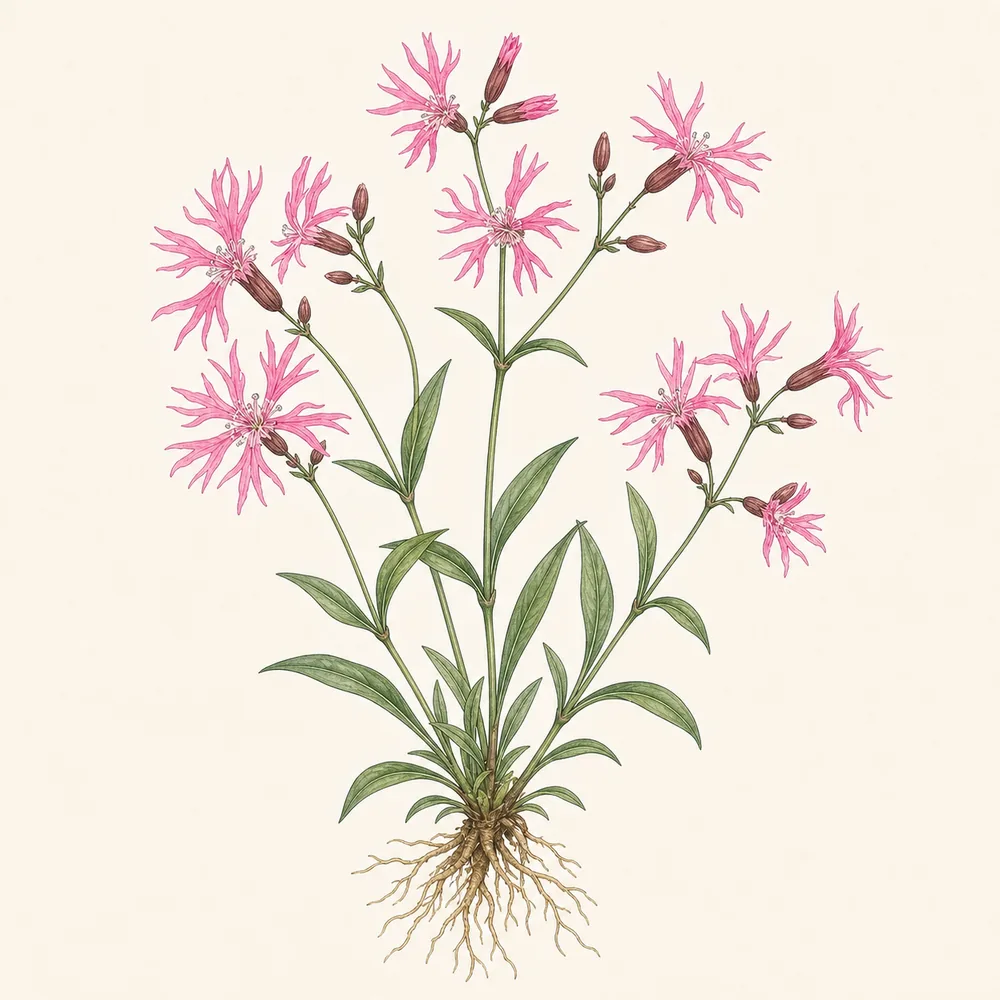
Management is simple. In a hedge-bank setting, cut back the surrounding growth once flowering and seeding are over and rake it off, exactly as you would a meadow. Leave some bare soil for the seed to fall on, and pair it with ragged robin and other partial-shade natives for a hedge-side community that flowers for months.
Common problems
Short-lived plants
Individual plants don't last many years — that's normal. Let it self-seed into bare gaps and the colony renews itself without any effort from you.
Fewer flowers in deep shade
It tolerates shade but flowers best in dappled or part shade. In dense, dark shade move it to a lighter edge for a better display.
Swamped by rank growth
If the hedge base gets rank and grassy it can be crowded out. Cut back competing growth once a year and remove it to keep gaps open.
Won't self-seed
Usually because there's no bare soil for seed to land on. Scratch up a little ground around the plants each autumn so seedlings can get away.
Everything a red campion patch needs
A shady hedge base, ordinary soil, and bare gaps for it to self-seed into.
We take no commission on anything in the "save your money" tier — if we don't think you should buy it, we don't link it. How our recommendations work
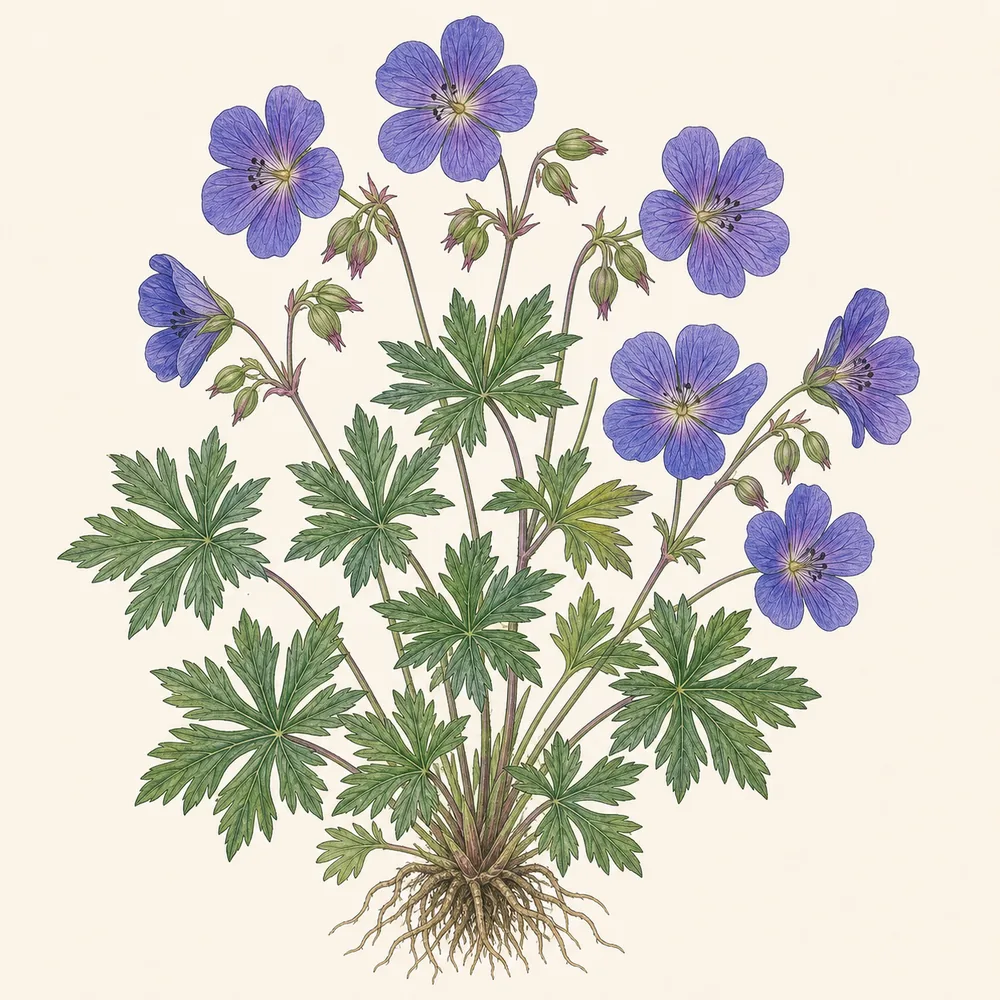
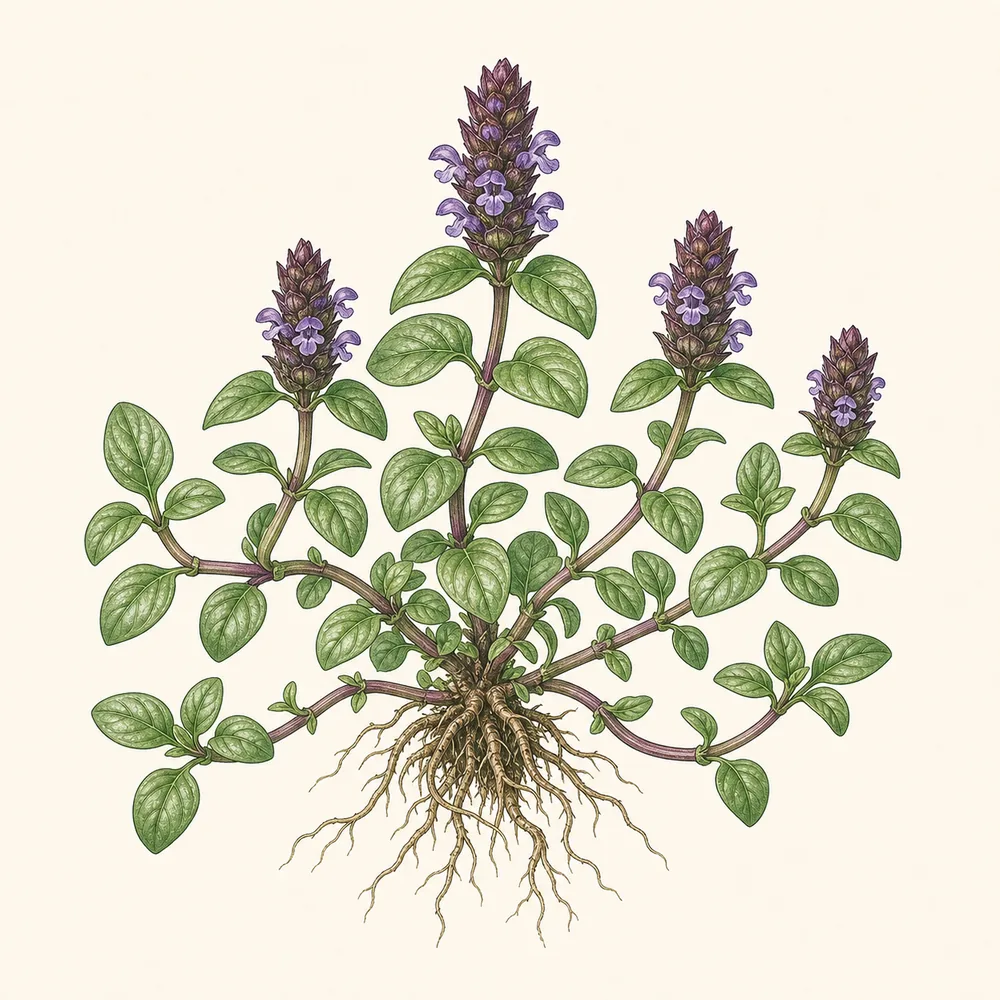
If you like this, try
Other plants with a similar temperament.
How we checked this
Care cross-checked against the RHS. The ASPCA does not list red campion, so its pet-safety is unconfirmed and we have not stamped it safe. If our page and these sources ever disagree, believe them — and tell us.
Sources: RHS · ASPCA — toxic & non-toxic plants
Last reviewed · July 2026