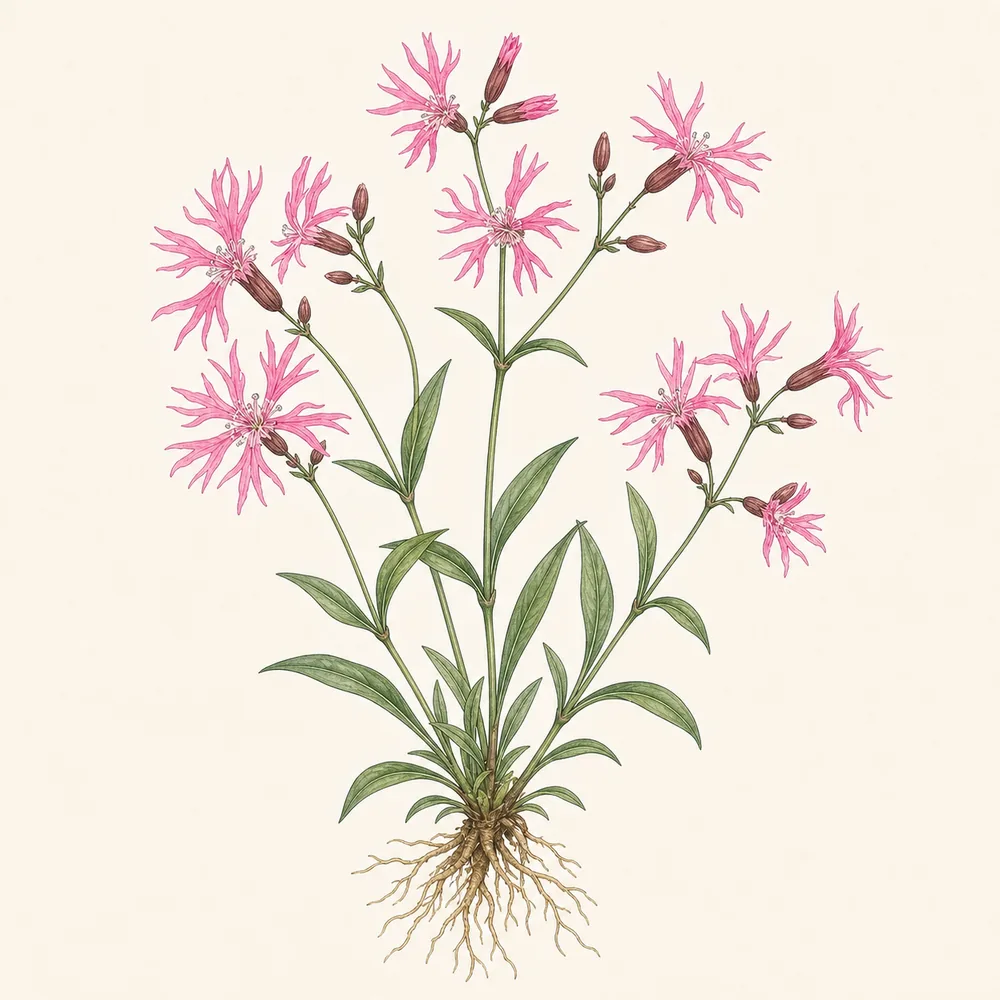
Ragged Robin
A delicate meadow perennial with ragged, star-cut pink petals that seem to shred in the breeze. It's the flower for the damp corner most plants dislike — a boggy edge, a moist meadow or a pond margin — where it flowers in early summer and draws in bees and long-tongued butterflies.
Not listed by ASPCA
The ASPCA doesn't list ragged robin, so we don't stamp it safe. It's a UK native wildflower with no recorded serious toxicity to pets, but with no database entry we flag the gap honestly rather than guess.
Care at a glance
Everything that matters, in six lines. The detail is further down.
Light
Flowers best in full sun but copes with dappled or part shade, which suits a damp woodland edge or the north side of a pond.
Water
Unlike most meadow flowers it wants moist ground and won't thrive in a dry, free-draining bed. Never let boggy plantings dry out in summer.
Temperature
A hardy native perennial, fine across the UK. It dies back over winter and reshoots from the base in spring.
Spacing
In a damp meadow it seeds itself into gaps; as plugs, space around 20–30 cm so clumps can knit together.
Feeding
Don't feed it. Like other meadow flowers it does best on low-fertility ground where hungry grasses can't take over.
Soil
Damp, low-fertility soil — a wet meadow, ditch edge or bog garden. It tolerates most soils as long as they stay reliably moist.
What to do, and when
Fresh rosettes and flowering stems rise from the base. Plant plug plants now into damp ground while the soil is moist and warming.
Flowers open from May into July — ragged pink stars that pull in bees and butterflies. Leave them to nectar and set seed on the damp margin.
Seedheads ripen and scatter. Cut the surrounding damp meadow once flowering is fully over and rake the growth away to keep fertility low.
Dormant and dying back to a low rosette. Nothing to do; leave the ground undisturbed and let winter damp keep the roots happy.
The plant for your wet corner
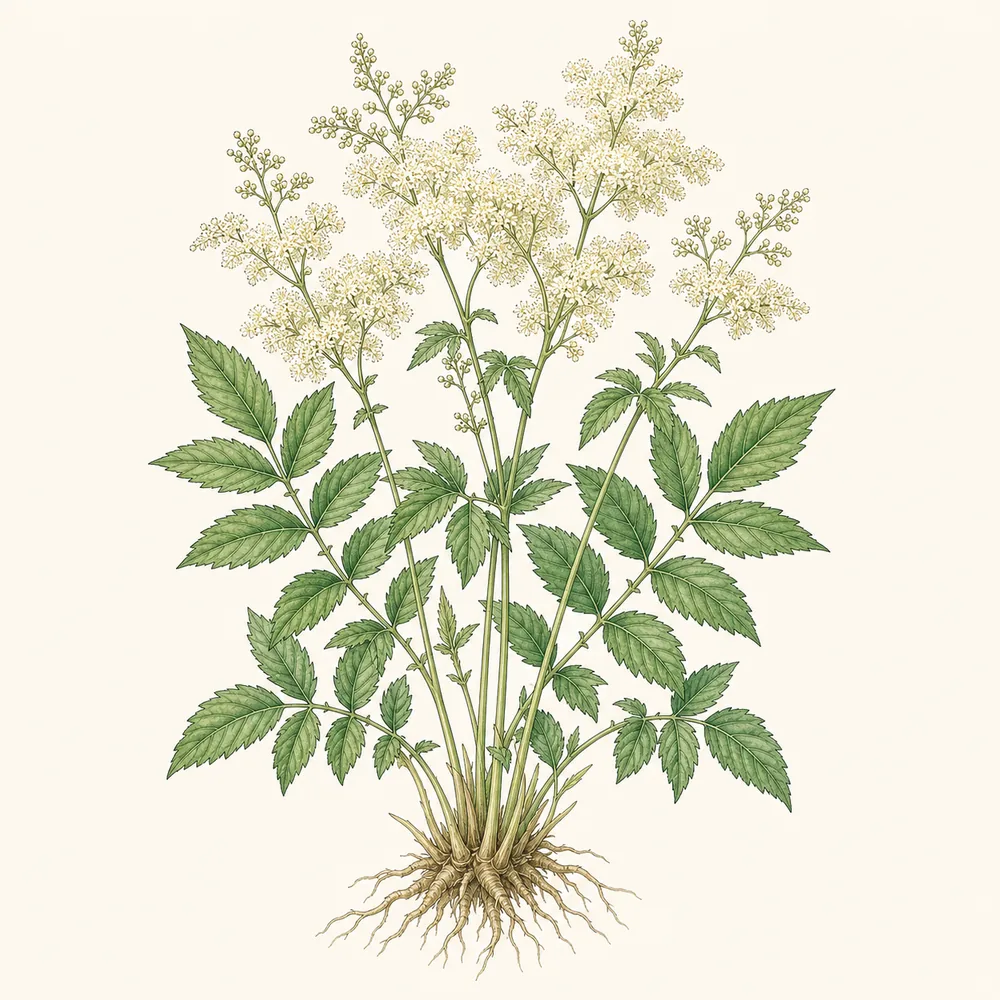
Most meadow flowers want sun and sharp drainage — ragged robin is the exception, and that makes it invaluable. It's built for damp ground: the soggy patch at the bottom of the garden, a pond or ditch margin, or a proper bog garden. Alongside meadowsweet, it turns a problem corner into a wildlife feature.
Give it soil that stays reliably moist through summer. In a dry border it will sulk, flower briefly and fade, so match it to the site rather than trying to change the site to suit it.
Sow in autumn onto lean, damp soil
Sow fresh seed in autumn onto bare, firmed ground and let the winter cold do the work — the seed germinates better after a chill. Don't bury it deep or smother it in rich compost; meadow flowers want poor soil, and enriched ground just grows grass that crowds them out.
It's often easier to raise ragged robin in modules and plant the plugs straight into a damp meadow or bog-garden edge. Keep new plants watered until they take hold, then let the natural moisture of the site carry them.
Managing a damp meadow patch
A wet-meadow patch is managed much like a dry one, just later. Let everything flower and set seed, then do a single cut once the season is over — usually late summer into autumn — and rake the cuttings off. Removing the growth each year is what slowly starves the soil and keeps flowers ahead of the grass.
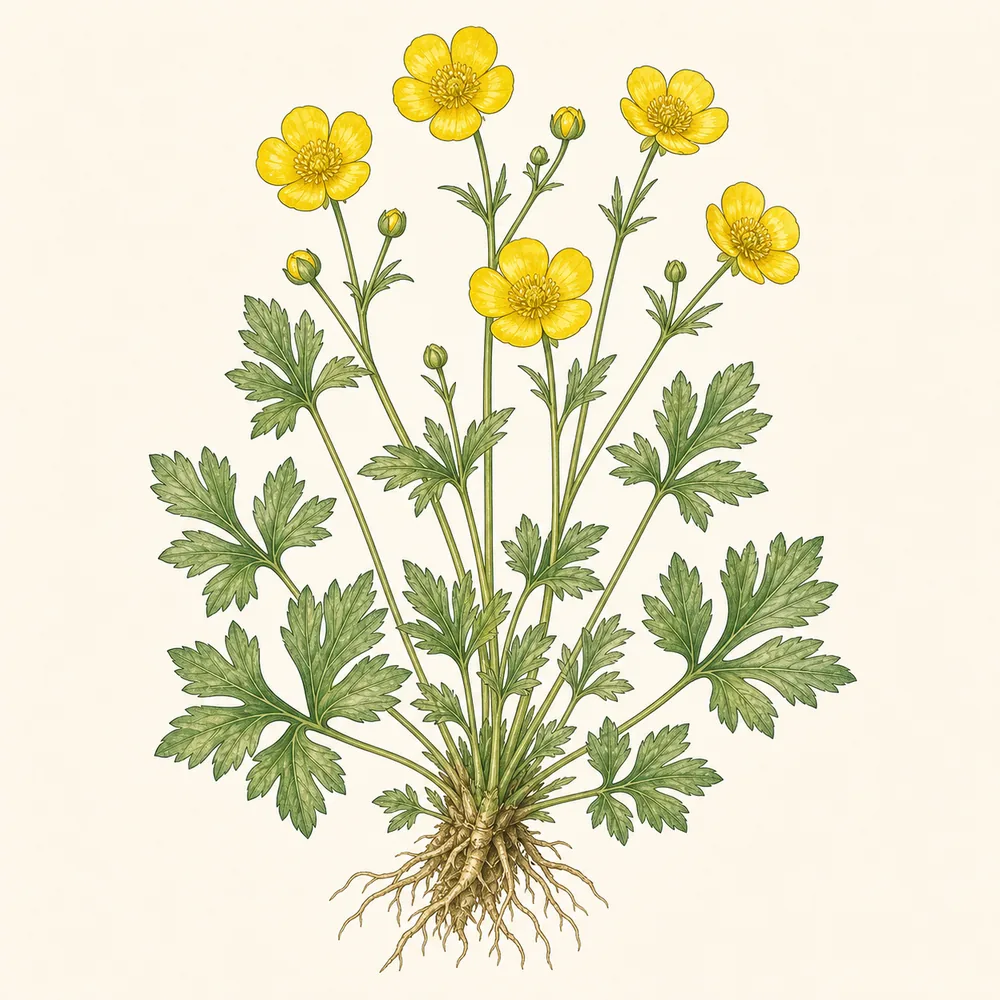
Ragged robin will self-seed into any bare, moist gaps, so a little disturbance each year keeps the colony going. Pair it with meadowsweet, meadow buttercup and marsh marigold for a proper damp-ground community that flowers over a long season.
Common problems
Sparse flowering and short life
Almost always too dry. Ragged robin is short-lived on dry ground; give it reliably moist soil and let it self-seed to keep the colony going.
Crowded out by grass
The soil is too rich, or the meadow isn't being cut. Stop feeding, cut once a year, remove the cuttings, and consider yellow rattle to weaken the grass.
Powdery mildew in a dry spell
White bloom on the leaves when the roots go dry. Keep the ground moist through summer; it's a sign the site isn't damp enough for the plant.
Fails to establish from seed
Seed sown into thick vegetation rarely takes. Sow in autumn onto bare, damp, firmed soil, or plant module-raised plugs instead.
Everything a ragged robin patch needs
A reliably damp spot, poor soil, and bare ground to start it on.
We take no commission on anything in the "save your money" tier — if we don't think you should buy it, we don't link it. How our recommendations work
If you like this, try
Other plants with a similar temperament.
How we checked this
Care cross-checked against the RHS. The ASPCA does not list ragged robin, so its pet-safety is unconfirmed and we have not stamped it safe. If our page and these sources ever disagree, believe them — and tell us.
Sources: RHS · ASPCA — toxic & non-toxic plants
Last reviewed · July 2026