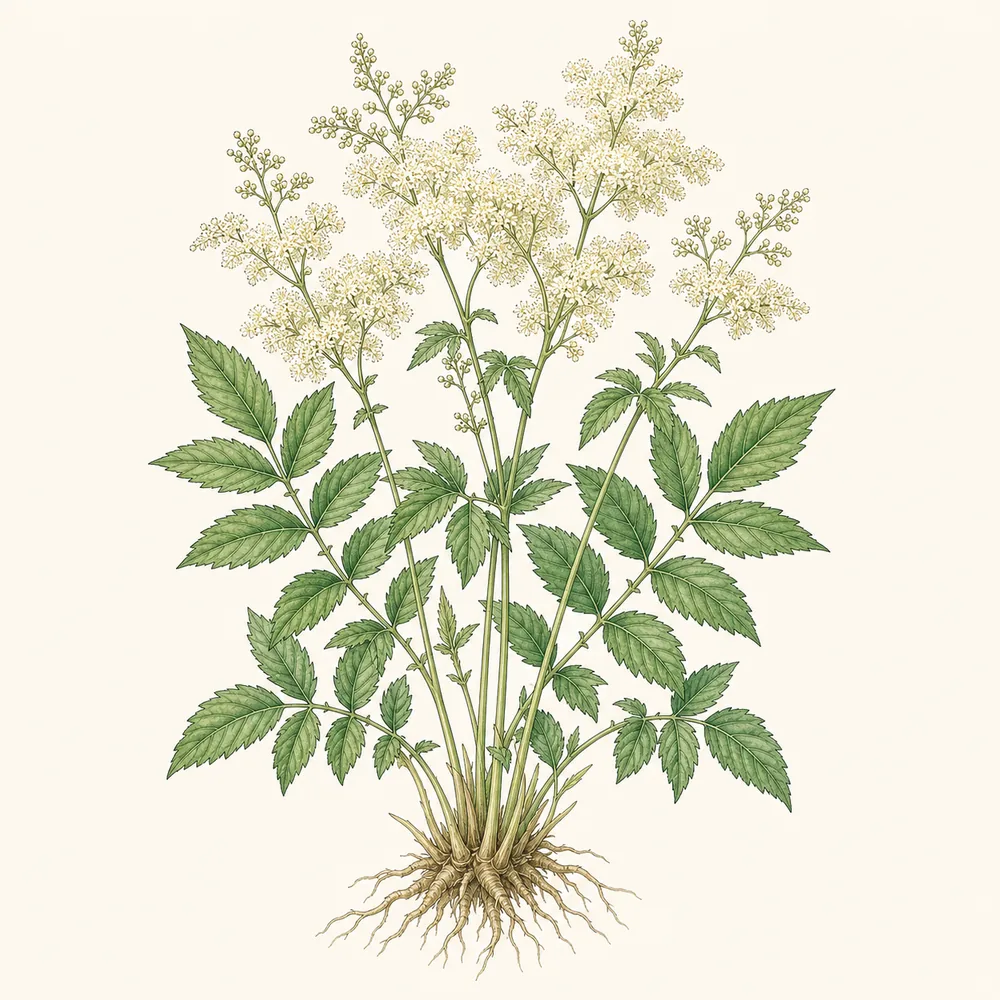
Meadowsweet
A tall, graceful native of damp meadows and ditches, topped in midsummer with frothy cream flowerheads that carry a sweet, almond-honey scent. Give it moist ground and it more or less looks after itself — the perfect flower for a boggy corner or pond edge.
Not listed by ASPCA
The ASPCA doesn't list meadowsweet, so we don't stamp it safe. It's a UK native wildflower with no recorded serious toxicity to pets, but with no database entry we flag the gap honestly rather than guess.
Care at a glance
Everything that matters, in six lines. The detail is further down.
Light
Flowers best in full sun but tolerates dappled or part shade — useful for a damp, half-shaded corner where little else thrives.
Water
The one thing it insists on is damp soil. It never wilts by a pond or ditch; on drier ground you'll need to water in dry spells.
Temperature
Completely hardy across the UK. It dies back to the ground each winter and reshoots strongly every spring.
Habit
Forms an upright clump of divided leaves topped with airy flowerheads — give it room at the back of a damp border or meadow.
Feeding
No feeding required on decent damp ground. As a native it grows perfectly well without any fertiliser.
Soil
Thrives in heavy, moisture-retentive soil — clay, marshy ground and pond margins all suit it. It hates dry, free-draining sand.
What to do, and when
Rich green divided leaves push up early from the crown. Split and replant congested clumps now, or plant new pot-grown plants into damp ground.
The main event — frothy cream flowerheads open from June to August, scenting the air and drawing hoverflies and bees.
Flowers fade to fluffy seedheads. Leave some to self-sow along the damp margins, then let the foliage begin to die down.
Dies back completely to a dormant crown. Cut the old stems to the ground and leave it be — it needs no protection in wet soil.
The flower that solves a soggy corner
Most gardeners have a spot that stays wet — the low end of the garden, the edge of a pond, a ditch that never quite dries. Meadowsweet is the answer. It's a plant of damp meadows and streamsides, so ground that drowns other flowers is exactly where it flourishes.
Plant it and forget it. In moist soil it needs no watering, no feeding and no staking, throwing up its creamy flowerheads year after year and slowly forming a handsome clump.
Sowing and planting
Meadowsweet grows from seed sown in autumn — it germinates best after a cold winter, so sow fresh seed outdoors and let the frost do its work. Seedlings and pot-grown plants can go out in spring into their permanent damp home.
Space plants around 40–50 cm apart at the back of a damp border or scattered through a wet meadow. Once established, mature clumps can be lifted and divided in autumn or early spring to make more.
The scent, and why it's worth knowing
Crush a leaf and you get a sharp, antiseptic note; the flowers, by contrast, smell sweetly of almond and honey. That flower scent is where the name comes from — it was once strewn on floors to freshen medieval halls, which is the 'sweet' in meadowsweet.
For wildlife it's a magnet for hoverflies, bees and beetles working the open, pollen-rich flowerheads. In a wildlife garden it pairs naturally with ragged robin and other damp-meadow flowers.
Common problems
Scorched, crispy leaf edges
Almost always drought. Meadowsweet must have moisture — move it to damper ground or water deeply and mulch in dry spells.
Powdery mildew on the foliage
A white bloom on stressed, dry plants. Keep the roots moist, improve airflow, and cut affected leaves; it usually reflects soil that's too dry.
Flopping in flower
Tall stems can lean on rich or shaded sites. Grow it in more sun, or let it lean naturally among neighbouring plants in a meadow.
Spreading by seed
It self-sows freely on bare damp ground. Deadhead before the seed ripens if you want to keep it in check, or let it colonise a wild margin.
Everything meadowsweet needs
Damp ground, a little space, and almost nothing else.
We take no commission on anything in the "save your money" tier — if we don't think you should buy it, we don't link it. How our recommendations work
If you like this, try
Other plants with a similar temperament.
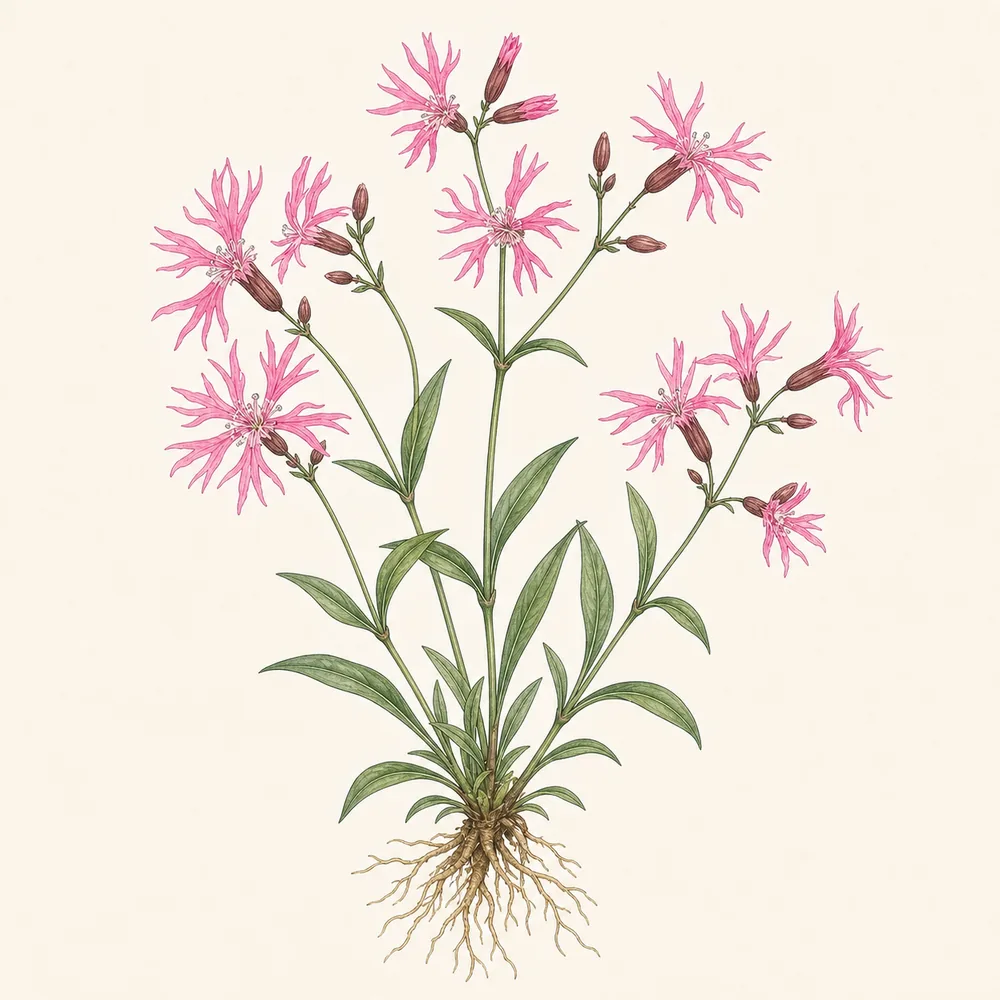
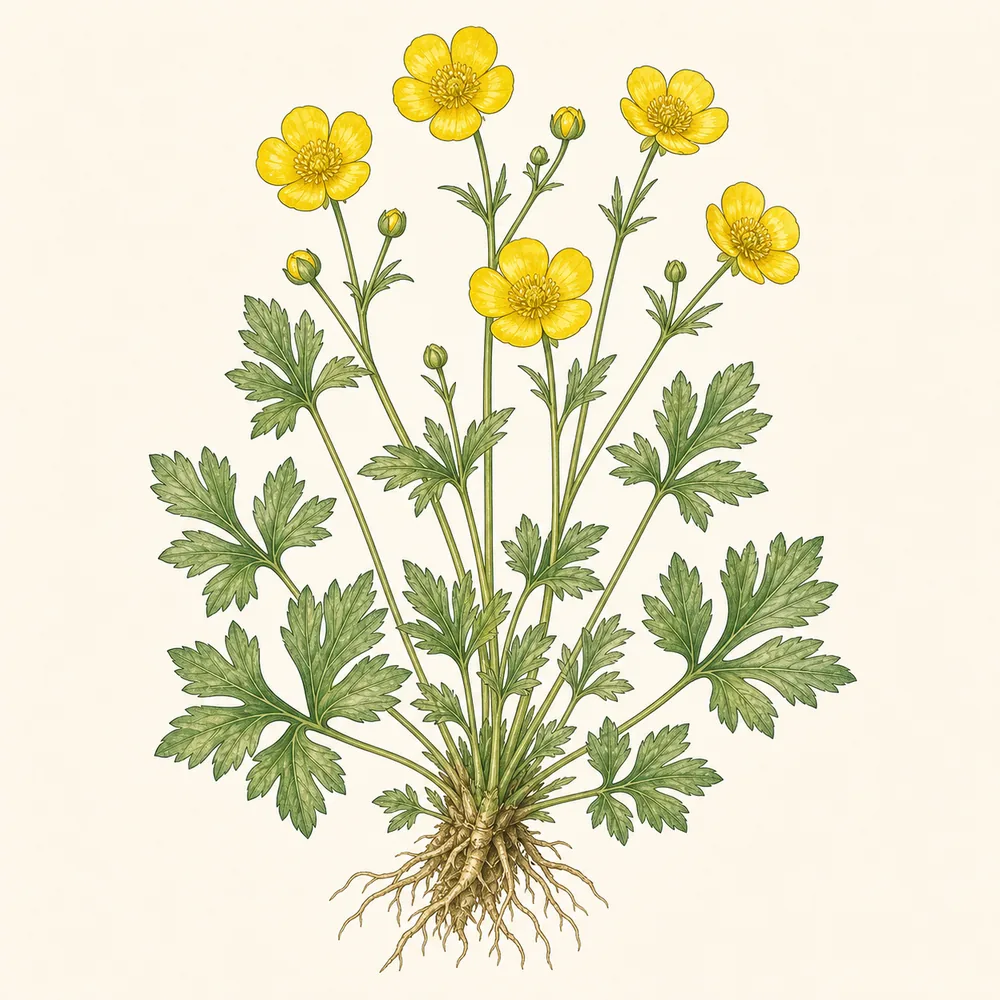
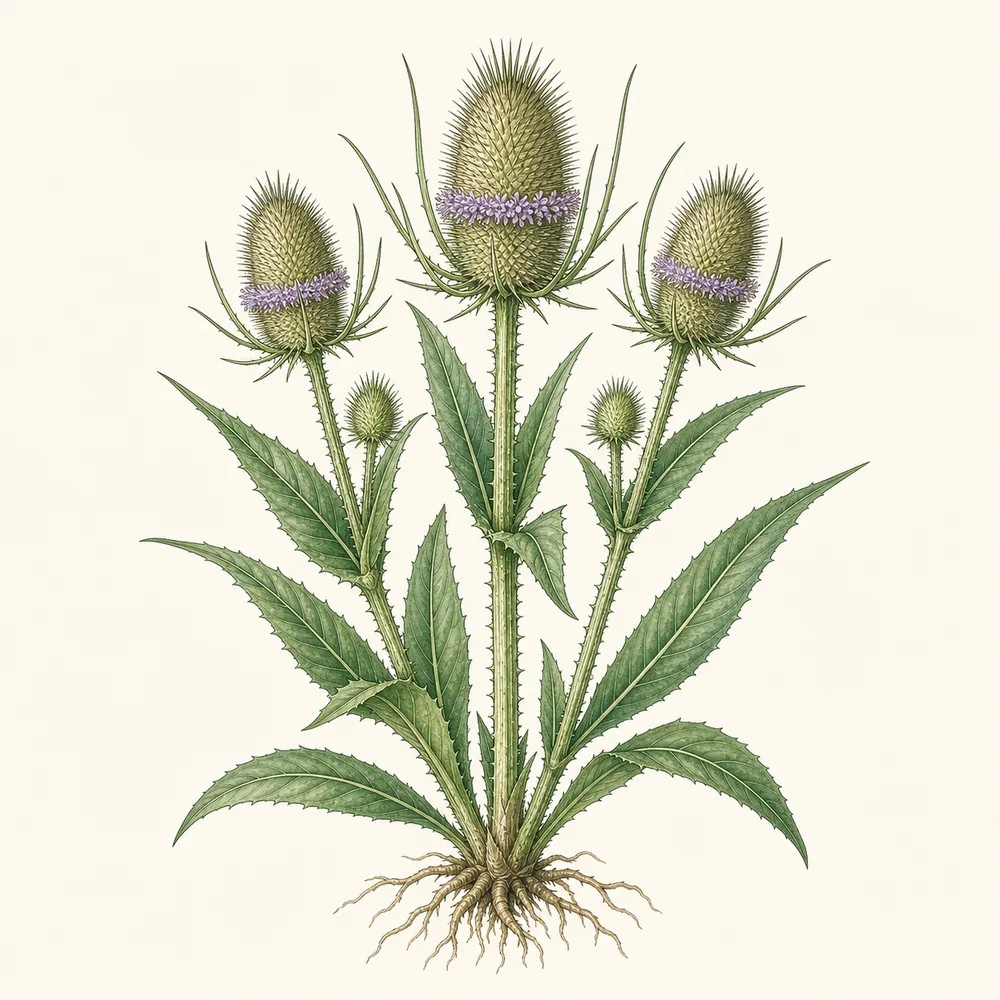
How we checked this
Care cross-checked against the RHS. The ASPCA does not list meadowsweet, so its pet-safety is unconfirmed and we have not stamped it safe. If our page and these sources ever disagree, believe them — and tell us.
Sources: RHS · ASPCA — toxic & non-toxic plants
Last reviewed · July 2026