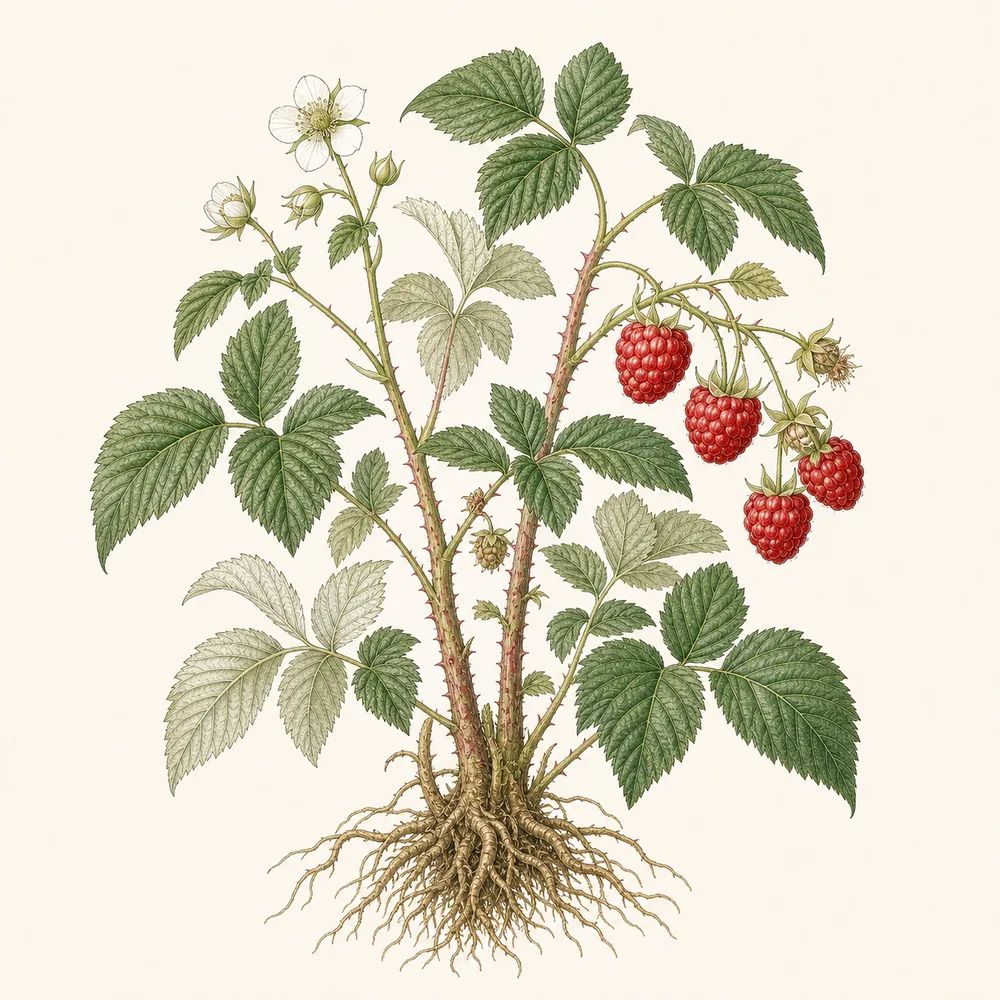
Raspberry
One of the most rewarding fruits you can grow — a row of canes takes little space, crops for years, and gives you sweet berries far better than anything in the shops. The one thing to get right is which type you have, because it decides how and when you prune.
Not listed by ASPCA
The ASPCA doesn't list the raspberry, so we can't stamp it pet-safe. The fruit is widely considered harmless in small amounts and there's no evidence of serious toxicity, but with no database entry we flag the gap honestly rather than guess.
Care at a glance
Everything that matters, in six lines. The detail is further down.
Light
Full sun gives the heaviest, sweetest crop, though raspberries will still fruit in a spot with a few hours of shade.
Water
Keep the roots evenly moist while the fruit swells — the shallow roots dry out fast. A mulch really helps hold moisture.
Temperature
Completely hardy across the UK and actually needs winter cold to fruit well. Shelter from strong wind helps the canes.
Humidity
Space the canes and keep the row open so air moves through — crowded, damp growth invites grey mould on the fruit.
Feeding
A general fertiliser and a thick mulch of compost or well-rotted manure each spring. They're hungry, moisture-loving plants.
Soil
Fertile, moisture-retentive but not waterlogged soil, ideally slightly acidic. They dislike thin chalky ground and dry out fast in sandy soil.
What to do, and when
New canes push up. Feed and mulch, tie summer-fruiting canes to their wires, and cut autumn varieties down to the ground before growth is well away.
Main harvest for summer types from June to July. Pick every couple of days, water in dry spells, and net against birds.
Autumn-fruiting varieties crop now, on into October. After summer types finish, cut out the old fruited canes and tie in the new green ones.
Dormant and the best time to plant bare-root canes. Firm in any lifted by frost and finish tying in the framework.
Summer or autumn — know your type before you prune
This is the one thing beginners get wrong. Summer-fruiting raspberries crop in June–July on canes grown the previous year. After fruiting, cut those old canes right out at the base and tie in this year's new green canes for next summer.
Autumn-fruiting raspberries ('Autumn Bliss', 'Polka') crop from late summer into autumn on the current year's canes. Pruning is far simpler — just cut the whole lot to the ground in late winter, and they grow up and fruit again the same year. If you don't know which you have, watch when it fruits.
Support and spacing
Summer-fruiting canes are tall and need support — a post-and-wire system with horizontal wires, tying the canes in fan-fashion, keeps them upright and the fruit clean. Autumn types are shorter and often self-supporting, though a simple corral of string helps in an exposed spot.
Plant canes about 40–45cm apart in a row and keep the row narrow. Raspberries sucker — new canes pop up from the roots, sometimes a fair way from the parent — so pull up any that stray into paths or borders to keep the patch under control.
Getting the best crop
Raspberries are shallow-rooted and hate drought, so a generous spring mulch of compost or well-rotted manure pays off twice over — it feeds them and holds moisture. Keep them watered as the berries swell and you'll get plump, juicy fruit rather than small, dry ones.
Pick often, ideally every two or three days at the peak. A ripe raspberry pulls off cleanly leaving the white plug behind; pick into a shallow container so the soft fruit at the bottom isn't crushed. They freeze beautifully if you have a glut.
Common problems
Maggots in the fruit
Raspberry beetle grubs, the classic cause of little white maggots at the core. Keep the ground clear underneath, and the worst is usually on early summer varieties — autumn types often escape it.
Grey mould on the berries
Botrytis, a fuzzy grey rot that spreads fast in wet, crowded rows. Pick regularly, remove affected fruit, and keep the canes open and airy.
Canes wilt and die back
Can be cane blight or spur blight entering damaged stems, or waterlogged roots. Cut out and dispose of affected canes, and improve drainage on heavy ground.
Suckers coming up everywhere
Natural — raspberries spread by underground suckers. Simply pull or dig up stray canes to keep the row where you want it; a buried barrier helps contain them.
Everything a raspberry patch needs
Good canes, a bit of support, and a thick spring mulch to keep the roots happy.
We take no commission on anything in the "save your money" tier — if we don't think you should buy it, we don't link it. How our recommendations work
If you like this, try
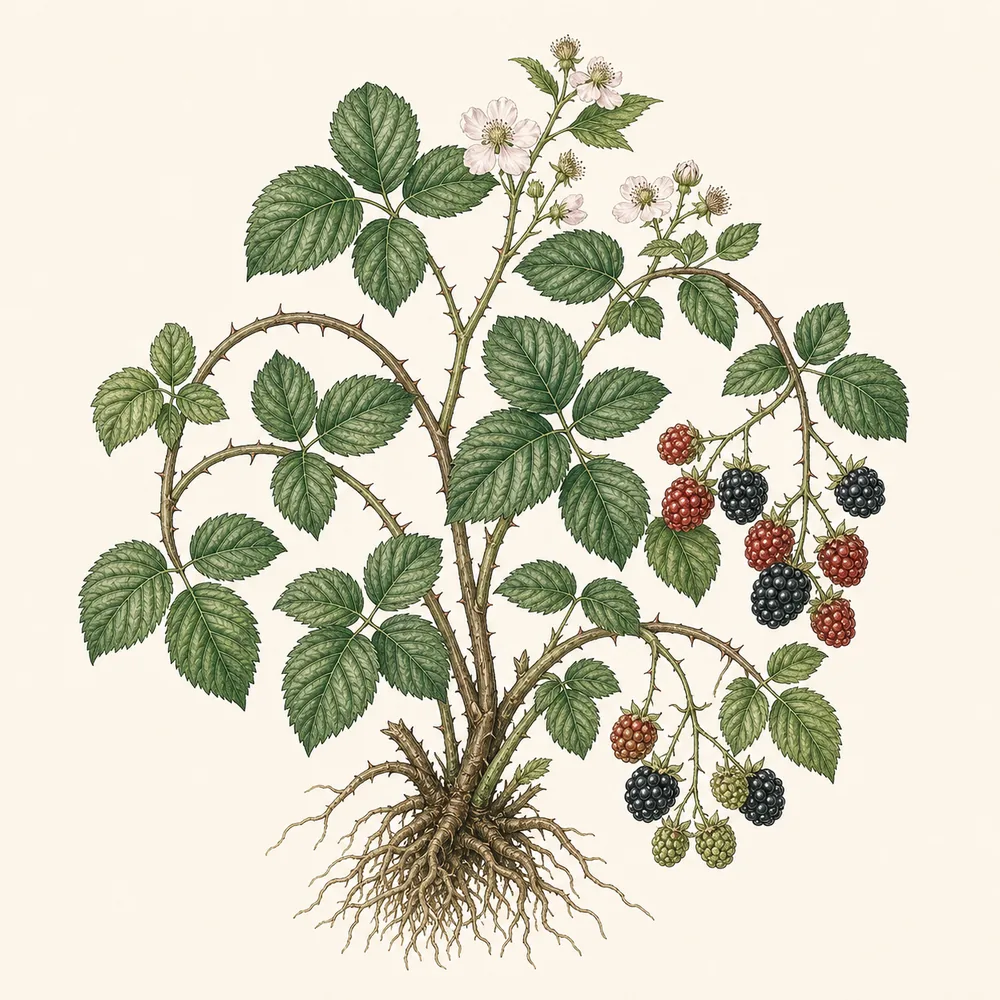
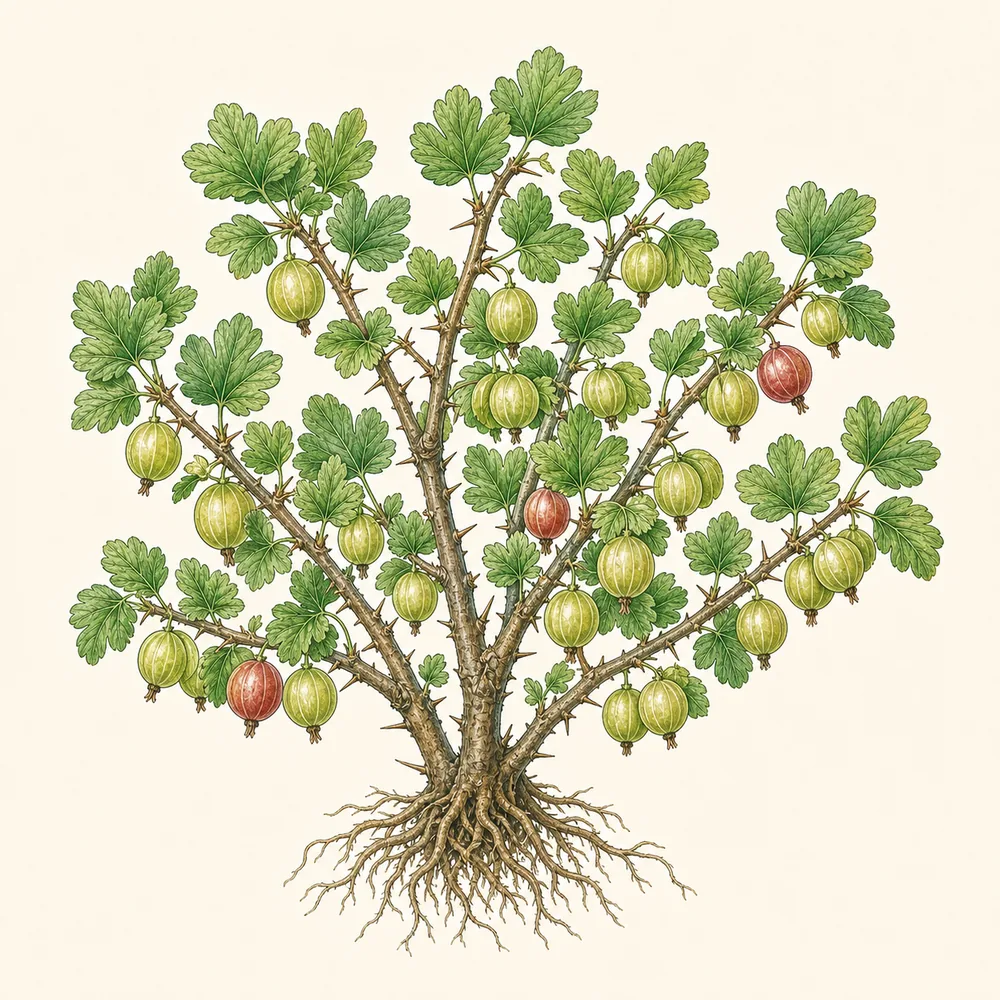
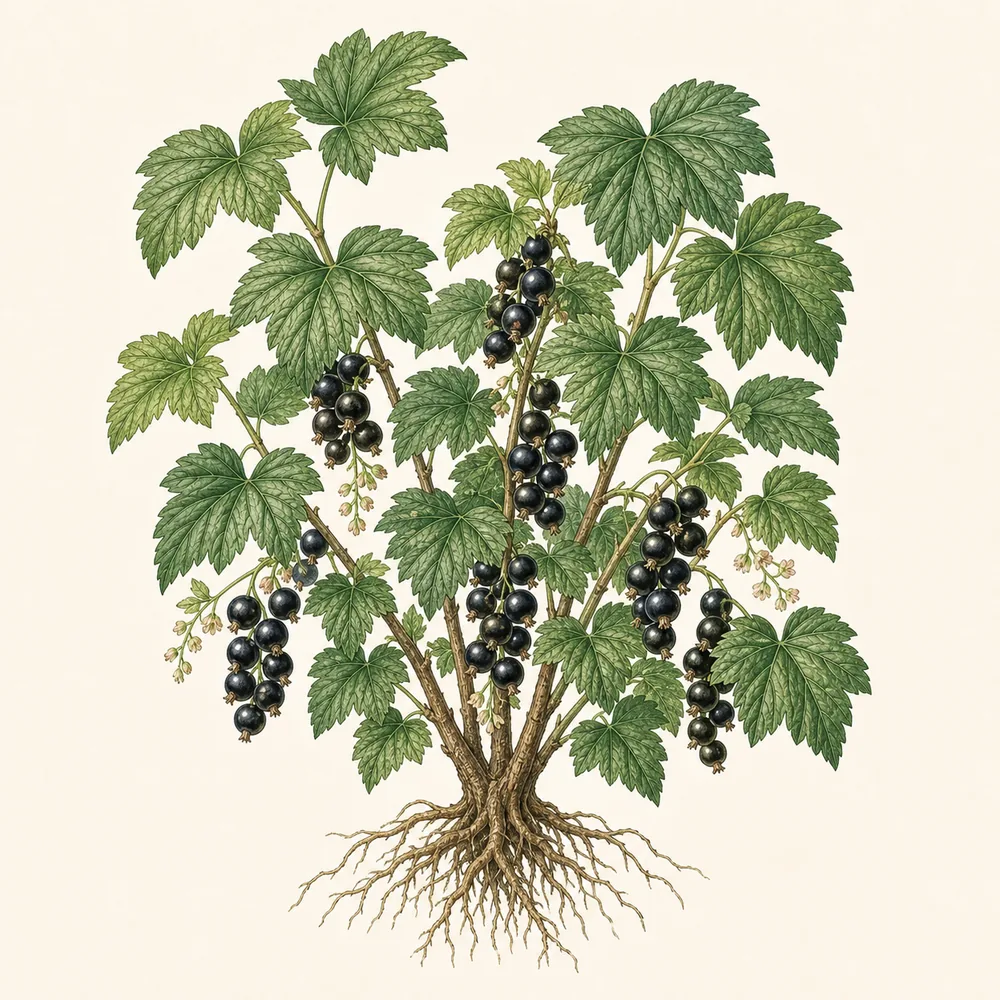
Other plants with a similar temperament.
How we checked this
Care cross-checked against the RHS. The ASPCA does not list the raspberry, so its pet-safety is unconfirmed and we have not stamped it safe. If our page and these sources ever disagree, believe them — and tell us.
Sources: RHS · ASPCA — toxic & non-toxic plants
Last reviewed · July 2026