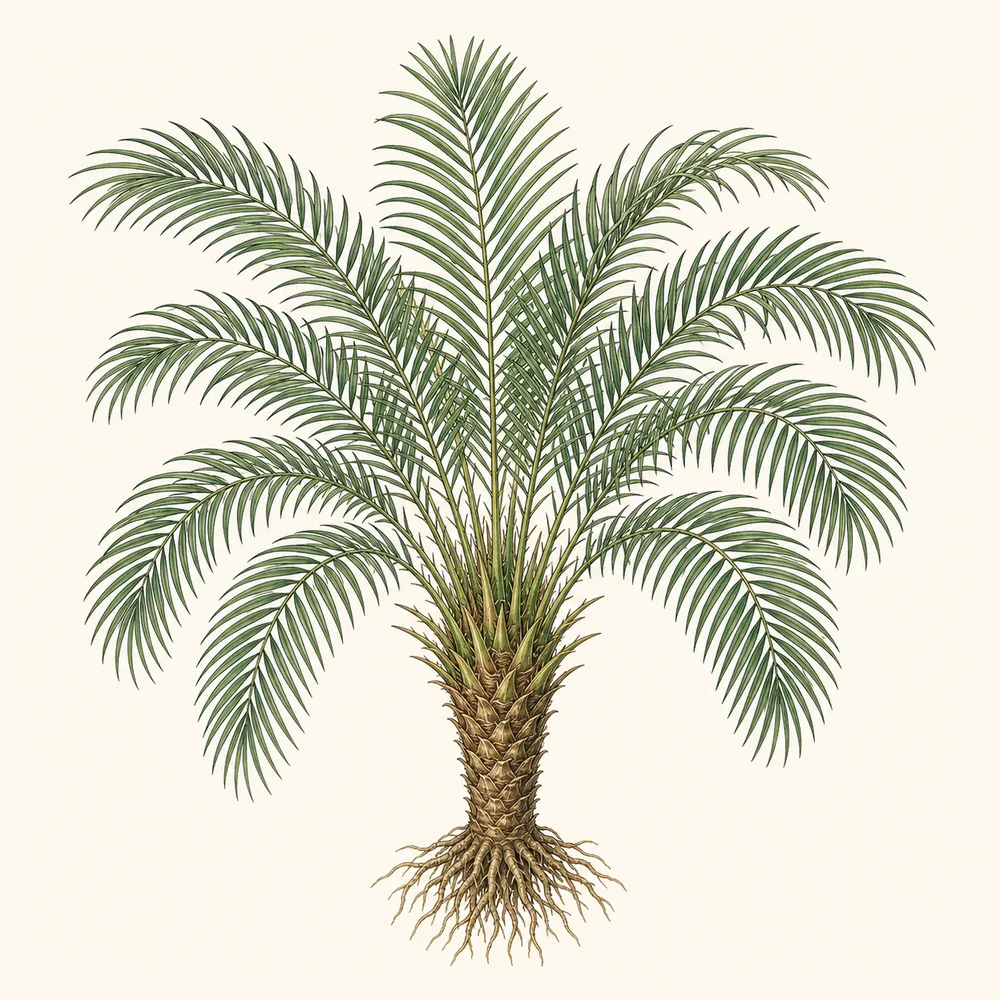
Pygmy Date Palm
A compact, elegant true palm with fine, arching fronds on a slim trunk. Easy-going for a palm once it has good light and steady moisture — just watch the needle-sharp spines near the base of each frond.
Not listed by ASPCA — treat with caution
Neither the ASPCA nor the Pet Poison Helpline lists the pygmy date palm (Phoenix roebelenii), so its pet-safety is unconfirmed. True palms are generally low-risk, but note the very sharp spines at the base of each frond — a real physical hazard to people and pets.
Care at a glance
Everything that matters, in six lines. The detail is further down.
Light
Bright light with a little morning or filtered sun keeps the fronds full. It tolerates medium light but grows thin and slow.
Water
Water when the top few centimetres dry, then drain fully. It dislikes both drought and standing water — aim for steadily damp, not soggy.
Temperature
Warm, even room temperatures. Keep it above about 10 °C and away from cold draughts.
Humidity
Happier with a little extra humidity; dry, heated air is the main cause of brown frond tips.
Feeding
A balanced feed monthly through spring and summer. Palms are prone to nutrient deficiencies, so don't skip it entirely.
Soil
A peat-free mix loosened with grit or perlite so it holds moisture but drains freely.
What to do, and when
Growth resumes. Top-dress or repot if truly pot-bound — palms resent root disturbance, so do it gently and only when needed. Resume feeding.
Peak growth and the thirstiest season. Keep the compost evenly moist, feed monthly, and watch for dry-air tip browning near radiators or in sun.
Ease back on water and feed as light drops. Move it away from windows that will turn cold at night.
Slower growth. Water more sparingly but never let it dry right out, keep it warm, and hold it above about 10 °C.
Respect the spines
At the base of every frond, where it meets the trunk, the pygmy date palm carries long, needle-sharp spines — modified leaflets that can give a nasty, sometimes infected, puncture wound.
Wear thick gloves whenever you prune, repot or even move the plant, and think twice about placing it at eye level or where children and pets brush past it. This is the one genuine catch with an otherwise gentle palm.
Light and even moisture
Give it the brightest spot you can short of scorching midday sun. Good light keeps the crown full; in a dim corner it slowly thins and the new fronds come smaller.
The watering aim is steady dampness. Let the very top dry, then water thoroughly and drain — a palm left bone-dry browns off fronds it won't replace, while one standing in water rots at the roots.
Dealing with brown tips
Crispy brown frond tips are the classic complaint, and usually come down to dry indoor air, under-watering, or a build-up of minerals and fluoride from tap water.
Raise the humidity, keep watering consistent, and if your tap water is hard, using rainwater or filtered water can help. Trim only the dead tip, following the natural leaf shape, rather than cutting a whole green frond.
Common problems
Brown, crispy frond tips
Dry air, erratic watering, or mineral build-up. Raise humidity, water consistently, and consider rainwater if your tap water is hard.
Yellowing fronds
Often a feeding gap or overwatering. Feed monthly in growth and check the pot is draining freely.
Thin, sparse new growth
Too little light. Move it somewhere brighter and it will fill out over time.
Sticky leaves or fine webbing
Scale or spider mites, both common on indoor palms in dry air. Wipe the fronds, raise humidity, and treat promptly.
Everything a pygmy date palm needs
Bright light, steady moisture, a little extra humidity — and gloves for handling.
We take no commission on anything in the "save your money" tier — if we don't think you should buy it, we don't link it. How our recommendations work
If you like this, try
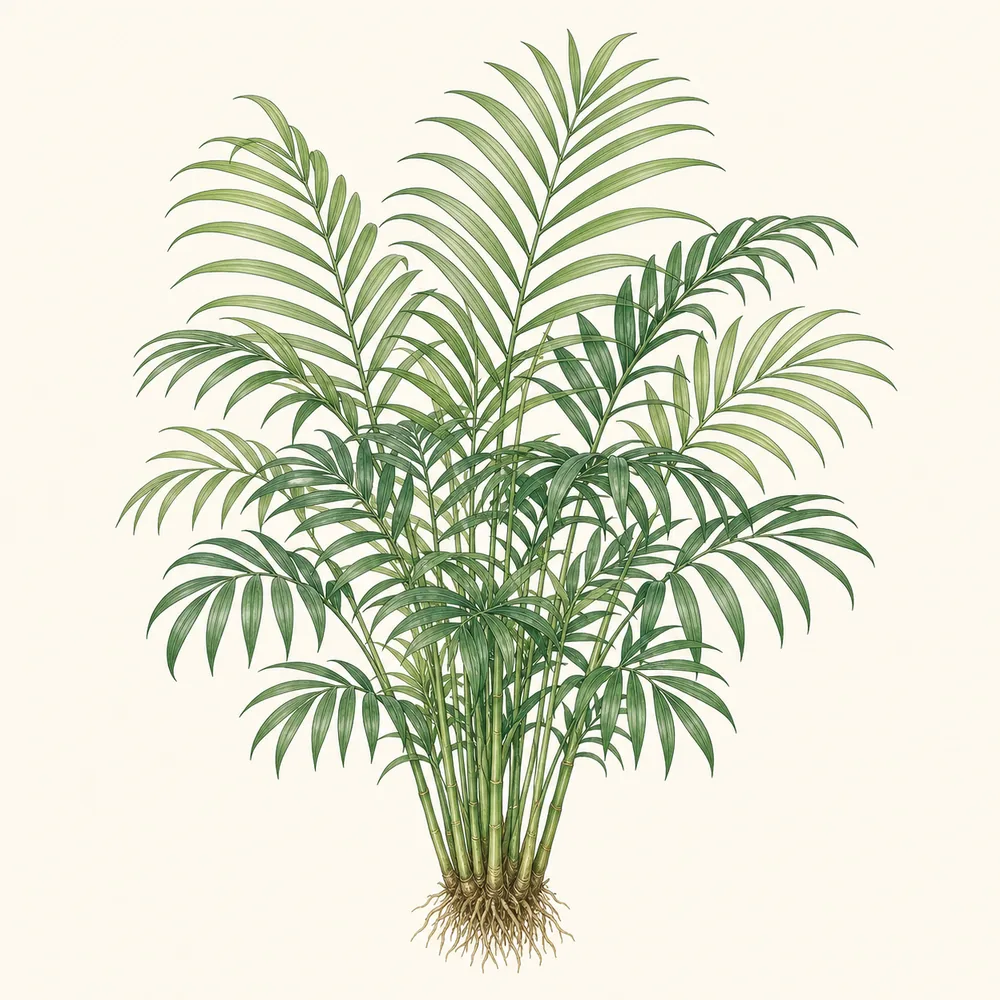
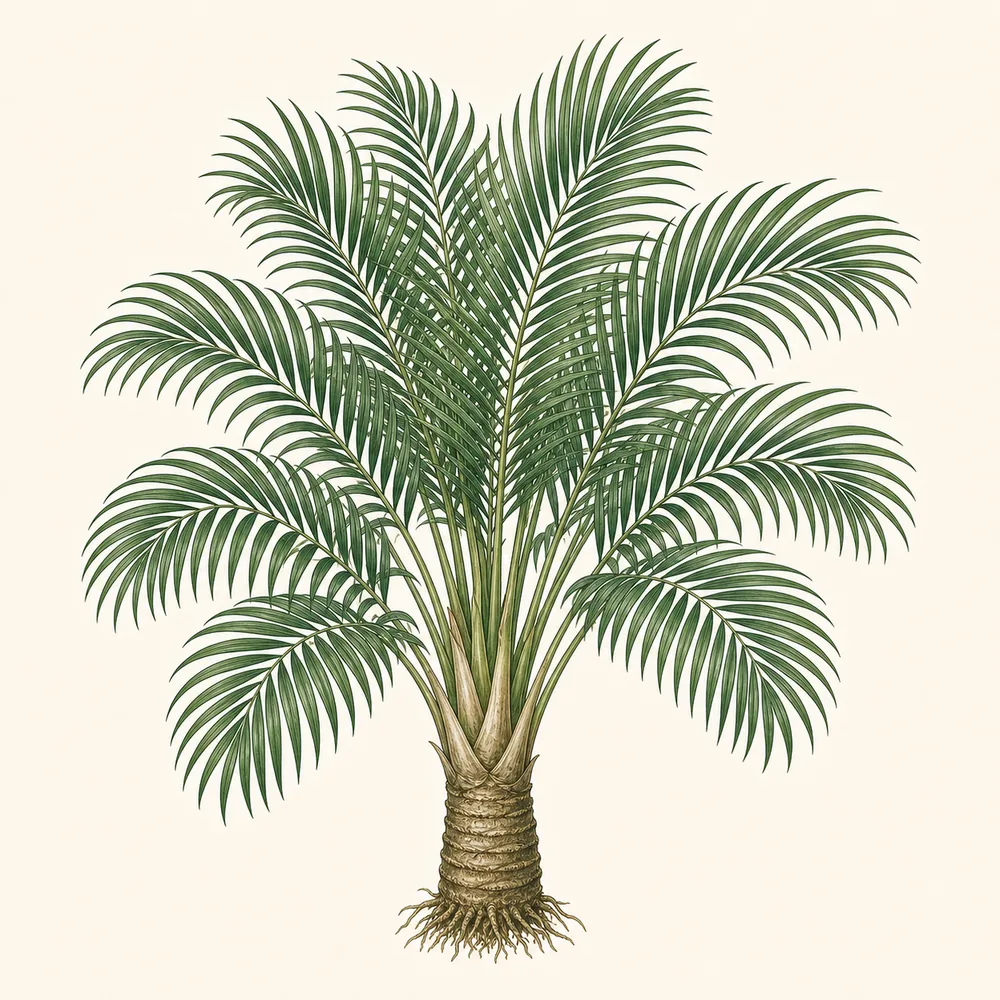
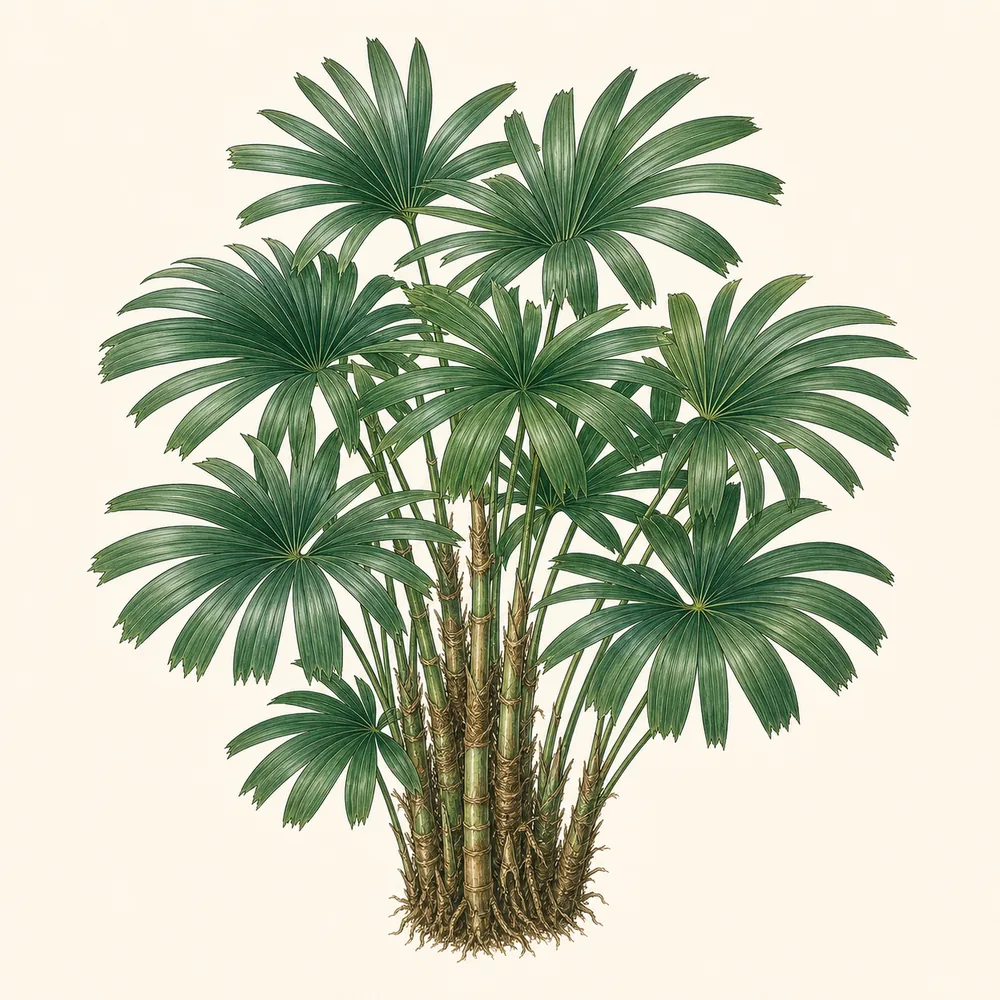
Other plants with a similar temperament.
How we checked this
Care cross-checked against the RHS. Neither the ASPCA nor the Pet Poison Helpline lists the pygmy date palm, so its pet-safety is unconfirmed; note the sharp basal spines. If our page and these sources ever disagree, believe them — and tell us.
Sources: RHS · ASPCA — toxic & non-toxic plants
Last reviewed · July 2026