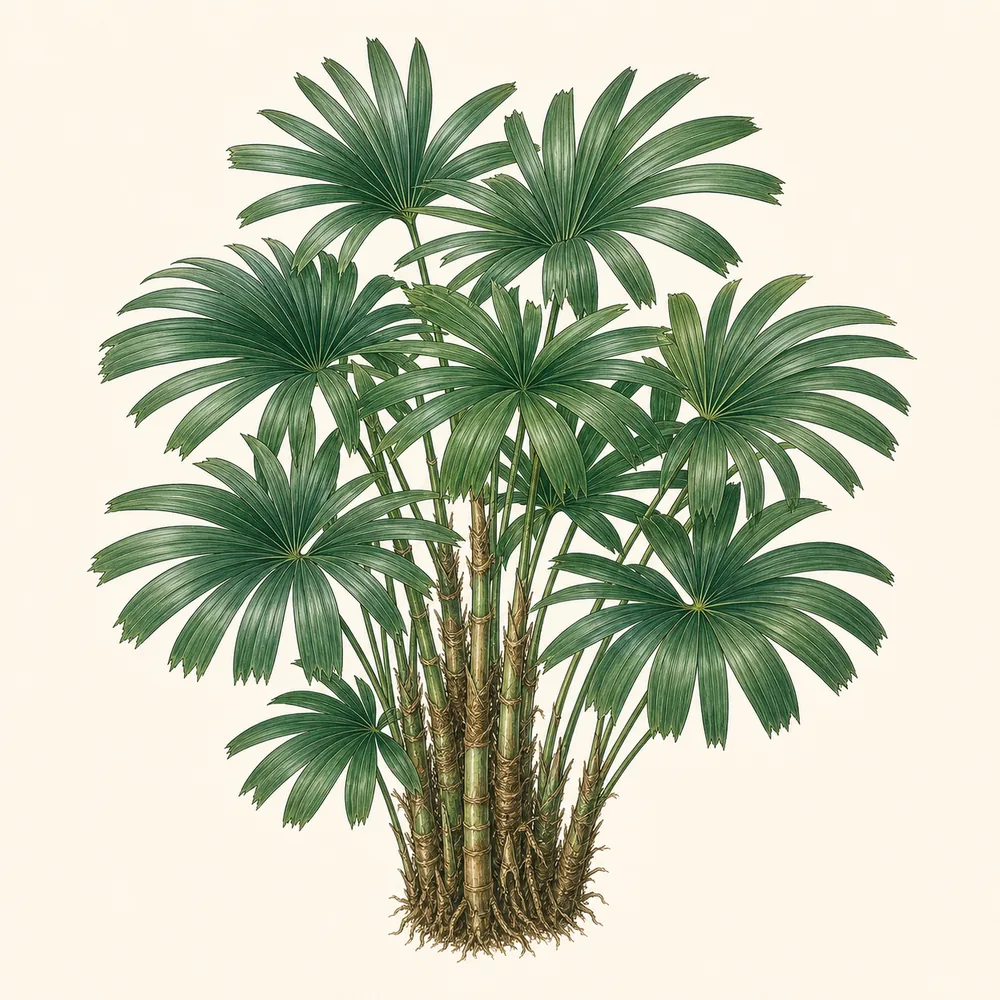
Lady Palm
A slow, clumping fan palm with glossy, fingered fronds on slender bamboo-like canes. One of the most shade-tolerant and genuinely easy palms you can keep indoors — patient, long-lived and hard to kill.
Safe around cats & dogs
The lady palm (Rhapis excelsa) is listed as non-toxic to cats and dogs on the ASPCA database — one of the reliably pet-safe palms, and a tough, shade-tolerant one at that.
Care at a glance
Everything that matters, in six lines. The detail is further down.
Light
Happy in bright indirect light but genuinely tolerant of shadier corners. Keep it out of direct sun, which scorches and bleaches the fronds.
Water
Water when the top few centimetres dry, then drain fully. It dislikes both drought and standing water — brown tips often mean the roots have dried out.
Temperature
Ordinary room warmth suits it. It shrugs off cooler rooms better than most palms, but keep it above 10 °C and off cold draughts.
Humidity
Copes with normal room humidity; a little extra keeps the fronds green to the tips and helps in dry, heated rooms.
Feeding
A weak balanced feed monthly from spring to late summer. It is a light feeder — over-feeding builds up salts and burns the tips.
Soil
A loam-based houseplant mix loosened with a little grit or perlite. It roots densely, so it is happy left in the same pot for years.
What to do, and when
Growth slowly resumes. Repot only if the clump is truly bursting the pot, and start feeding again lightly as new spears push up.
Steady growth. Keep it evenly watered, feed monthly, and stand it out of any scorching midday sun on a bright windowsill.
Ease back on water and feeding as light levels fall. Move it away from radiators as the heating comes on.
Near-rest. Water sparingly, keep it above 10 °C, and mist or group it with other plants if rooms get dry.
The palm for a shady corner
Most palms sulk away from a bright window, but the lady palm evolved as an understorey plant and genuinely tolerates medium and lower light. That makes it one of the few palms worth trying in a north-facing room or a spot set back from the glass.
It grows slowly, so a decent-sized plant is an investment — but it is a long-lived one. A well-kept lady palm can outlast its owner, thickening into a handsome clump of canes over decades.
Water quality and brown tips
The commonest complaint is brown frond tips. Usually it is the roots drying out too far between waterings, or a build-up of salts from hard tap water and over-feeding.
If your water is very hard, let it stand overnight or use cooled boiled or rainwater. Feed weakly and flush the pot with plain water occasionally to wash salts through. Trim brown tips with scissors, following the natural angle of the leaf.
Dividing an established clump
Lady palms spread by underground offsets, sending up new canes around the parent. A crowded, mature clump can be divided in spring: tip it out, tease the rootball apart where canes separate cleanly, and pot each section on.
Go gently — the roots are wiry and resent disturbance, so expect a divided plant to pause for a season before it picks up again.
Common problems
Brown frond tips
Usually dry roots or salt build-up from hard water and feeding. Keep it evenly moist, feed weakly, and switch to filtered or rainwater if needed.
Yellowing whole fronds
Some loss of the oldest fronds is normal. Widespread yellowing points to overwatering — let the top dry more and check drainage.
Pale, washed-out fronds
Too much direct sun. Move it back from the glass into brighter indirect light.
Fine webbing on the fronds
Spider mites, which thrive in dry air. Rinse the fronds, raise humidity, and treat repeatedly until clear.
Everything a lady palm needs
Steady moisture, a shady-to-bright spot, and the patience to let it grow slowly.
We take no commission on anything in the "save your money" tier — if we don't think you should buy it, we don't link it. How our recommendations work
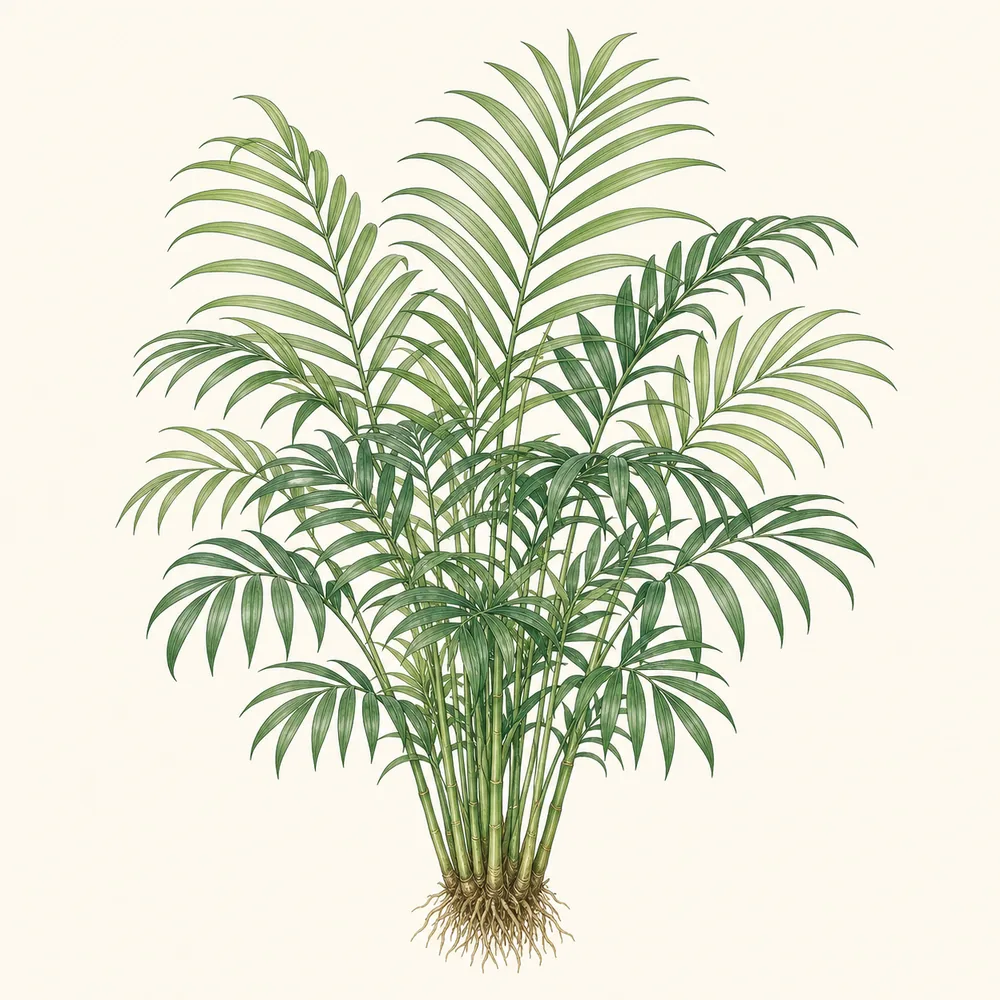
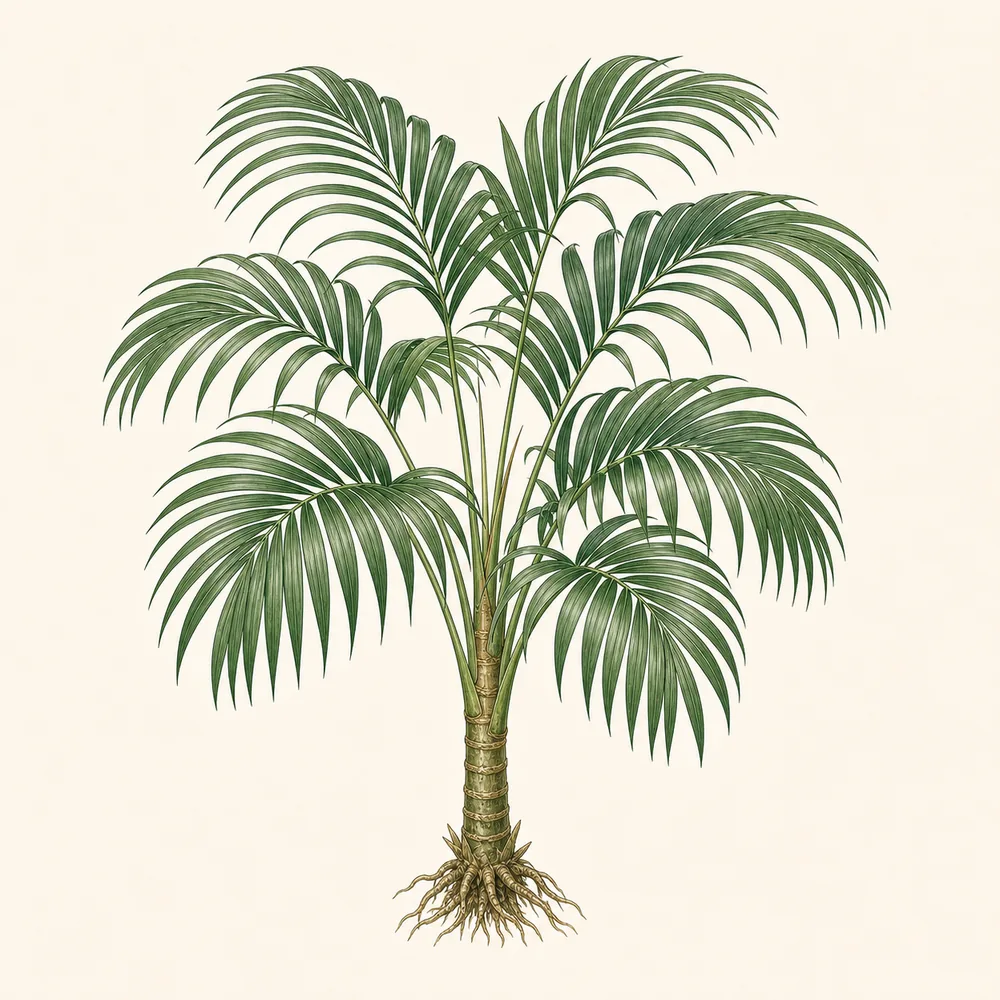
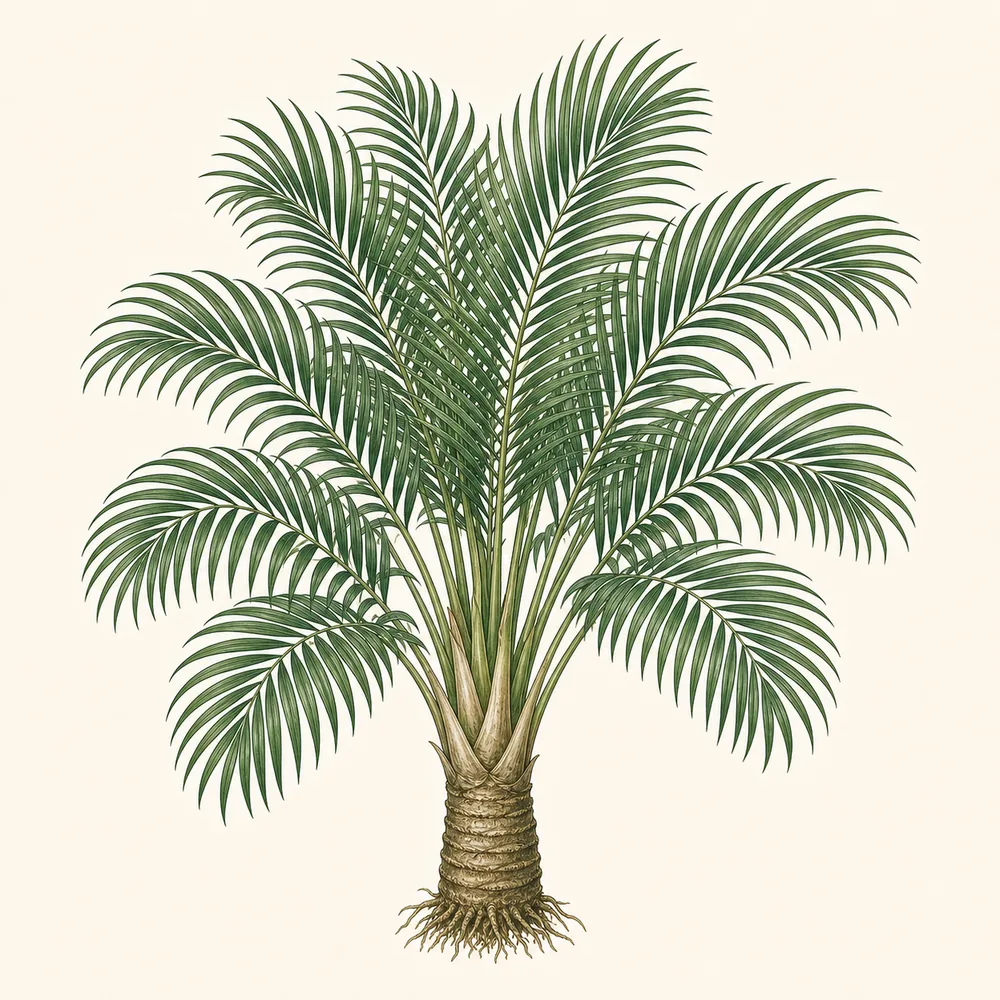
If you like this, try
Other plants with a similar temperament.
How we checked this
Care cross-checked against the RHS. Toxicity confirmed against the ASPCA database, which lists the lady palm (Rhapis excelsa) as non-toxic to cats and dogs. If our page and these sources ever disagree, believe them — and tell us.
Sources: RHS · ASPCA — toxic & non-toxic plants
Last reviewed · July 2026