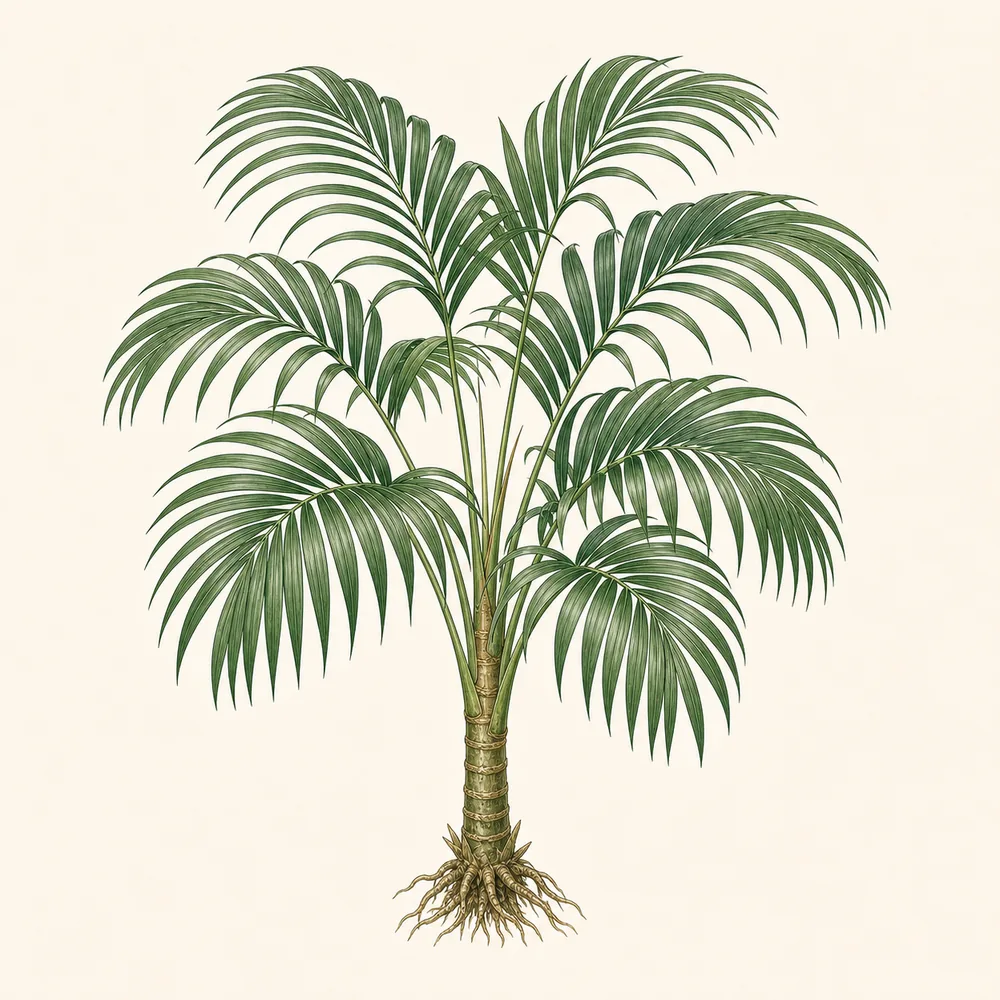
Kentia Palm
The classic parlour palm of grand hallways — elegant arching fronds, remarkably tolerant of low light and neglect, and one of the best big statement plants that is genuinely pet-safe.
Safe around cats & dogs
The kentia palm (Howea forsteriana) is listed as non-toxic to cats and dogs on the ASPCA database. Like the true palms generally, it is a safe choice for a home with pets that nibble.
Care at a glance
Everything that matters, in six lines. The detail is further down.
Light
Famously shade-tolerant, but grows faster and fuller in good indirect light. Keep it out of harsh direct sun.
Water
Water when the top few centimetres are dry, then let it drain fully. It hates sitting wet far more than being dry.
Temperature
Ordinary room warmth; keep it off cold draughts and unheated halls in winter.
Humidity
Copes with normal room air; an occasional mist or a wipe keeps the fronds clean.
Feeding
A weak balanced feed two or three times across spring and summer — palms are light feeders.
Soil
A loam-based mix with added grit or perlite for drainage.
What to do, and when
Growth resumes. Feed lightly, and repot only every few years — kentias resent root disturbance.
Its main growth. Water as the top dries, feed occasionally, and it will take a sheltered shady spot outdoors.
Ease back on water as light fades; bring any outdoor plant in well before cold nights.
Slow growth. Water sparingly, no feed, and keep it warm and away from cold glass.
Watering is the only real risk
Kentias are almost unkillable except by overwatering. Let the top of the pot dry before each drink and always let every drop drain away — soggy roots cause the black-brown frond bases that spell rot.
They are slow, long-lived palms that resent being disturbed, so resist the urge to repot often — every few years is plenty, and they actually flower and grow better slightly pot-bound.
Brown tips and clean fronds
A few brown frond tips are normal and can be trimmed with scissors, following the natural leaf shape. Widespread browning usually means water stress or very dry air.
Wiping the fronds occasionally keeps them glossy and helps you spot the odd scale insect early.
Common problems
Blackening frond bases
Overwatering and rot. Let it dry out, and repot into a grittier, free-draining mix.
Brown, crispy tips
Dry air or under-watering. Keep watering consistent and mist occasionally.
Pale, slow growth
Too little light or long-gone feed. Move it somewhere brighter and feed weakly in summer.
Sticky leaves / small bumps
Scale insects. Wipe them off and treat as needed.
Everything a kentia needs
Good drainage and restraint with the watering can.
We take no commission on anything in the "save your money" tier — if we don't think you should buy it, we don't link it. How our recommendations work
If you like this, try
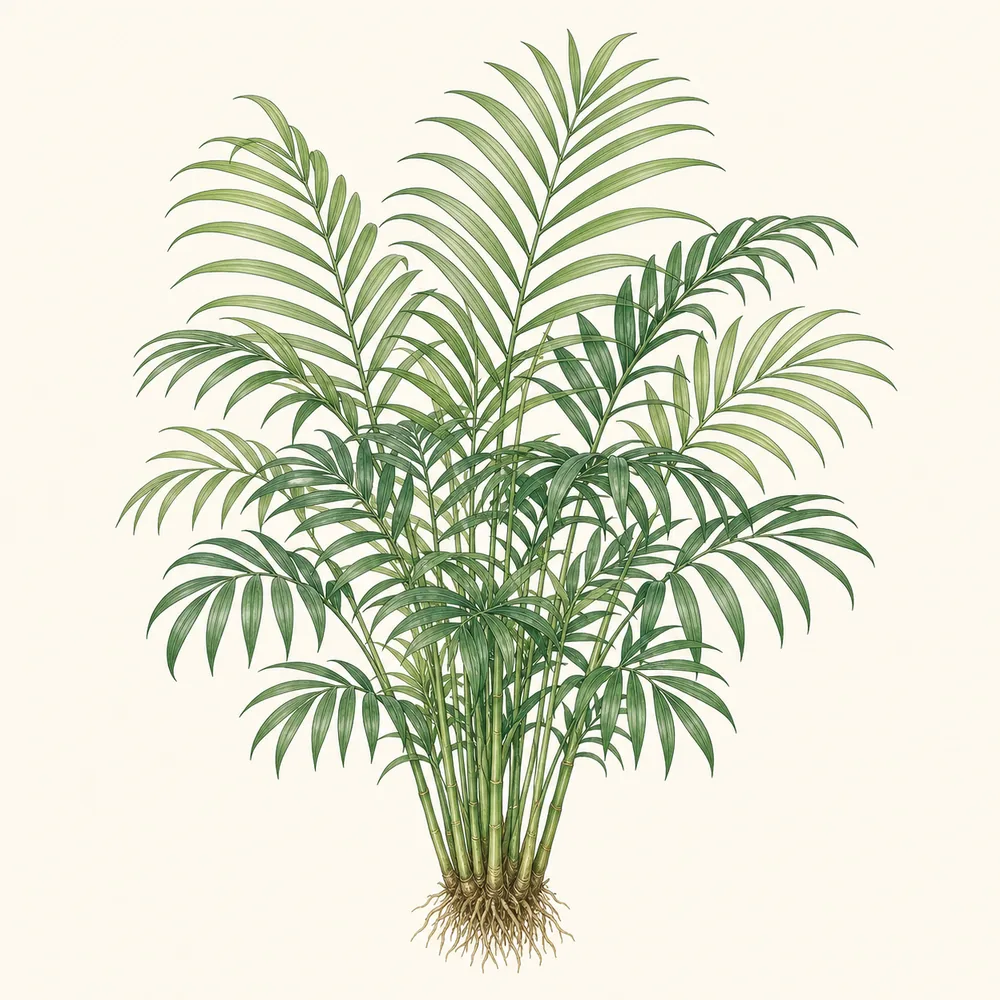
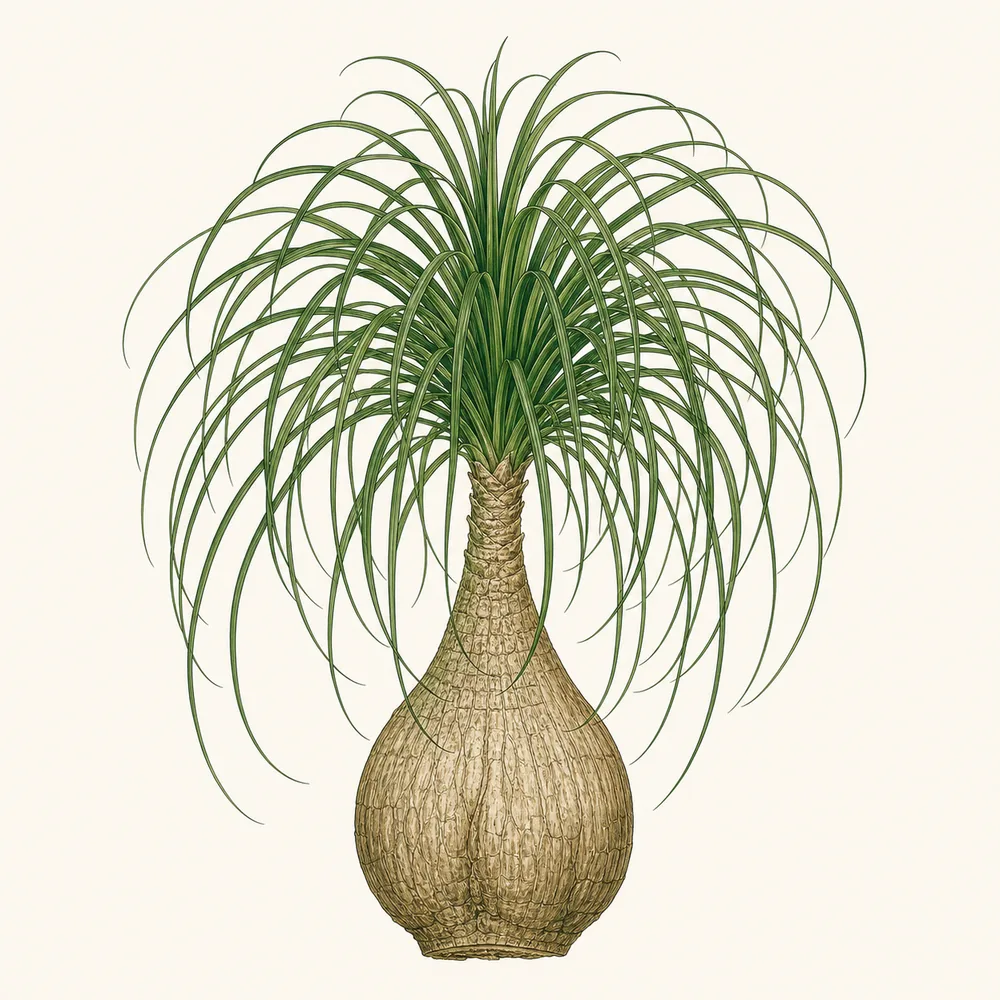
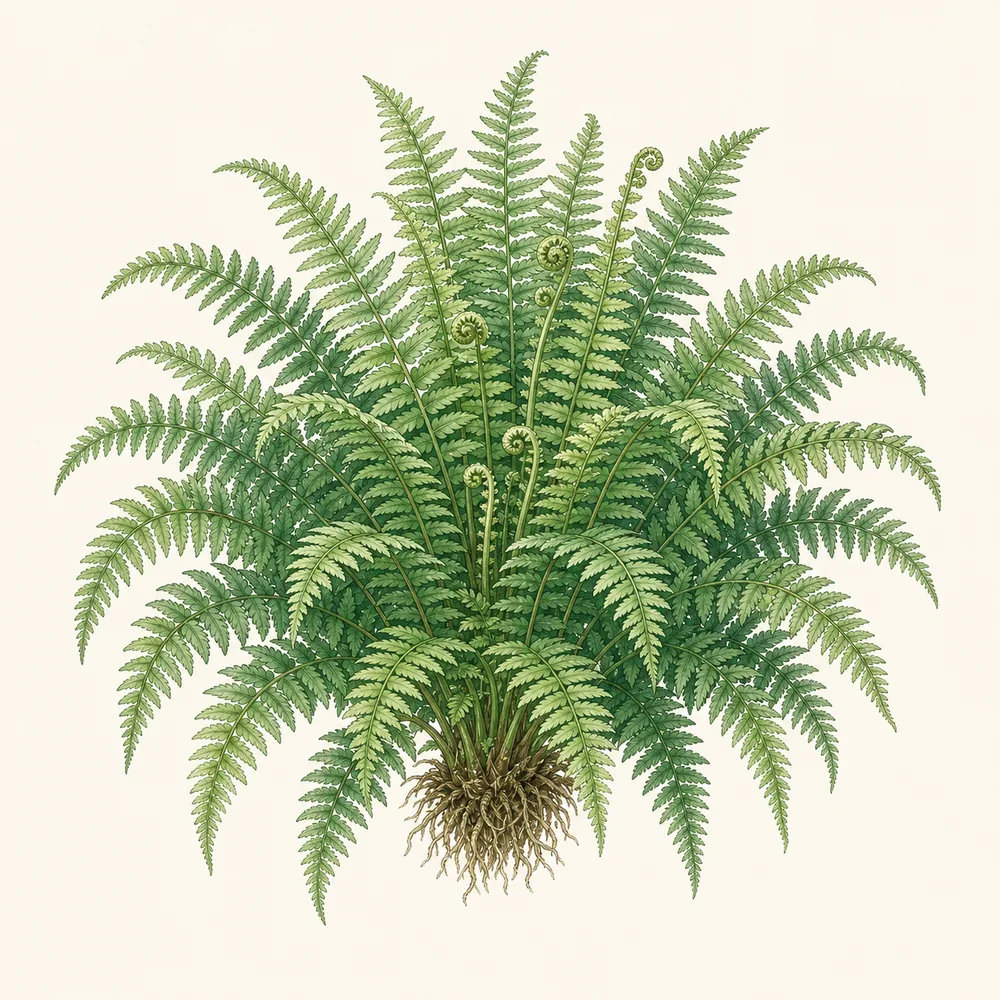
Other plants with a similar temperament.
How we checked this
Care cross-checked against the RHS. Toxicity confirmed against the ASPCA database, which lists the kentia palm (Howea forsteriana) as non-toxic to cats and dogs. If our page and these sources ever disagree, believe them — and tell us.
Sources: RHS · ASPCA — toxic & non-toxic plants
Last reviewed · July 2026