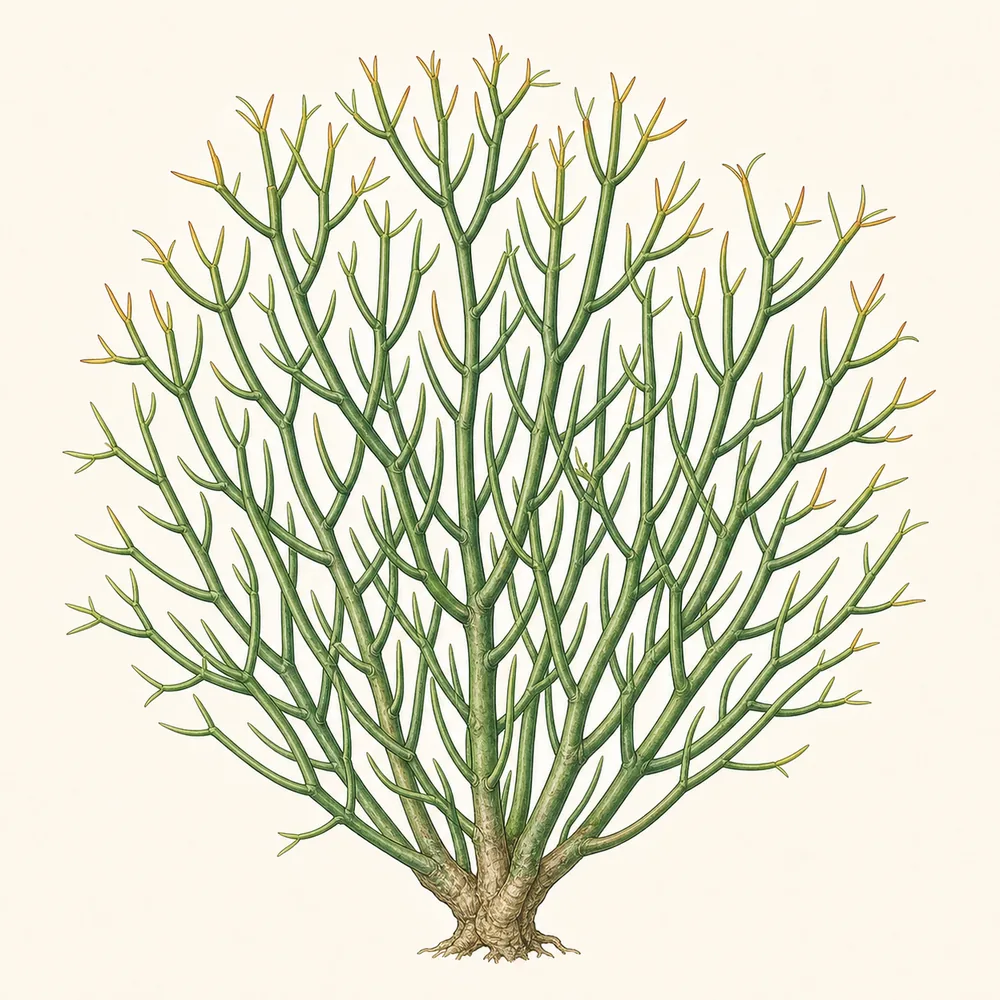
Pencil Cactus
An unusual, near-leafless succulent that grows as a mass of slim, pencil-thick green stems — the popular 'Firesticks' form flushes coral and orange in bright light. Easy to grow, but its milky sap is a serious irritant that demands respect.
Toxic & a serious irritant — handle with care
The pencil cactus (Euphorbia tirucalli) is listed as toxic on the ASPCA database. Its milky latex is a strong irritant: it causes mouth and stomach upset if chewed and can seriously irritate skin and eyes — there are documented eye injuries. Wear gloves, keep it from pets and children, and never let the sap near eyes.
Care at a glance
Everything that matters, in six lines. The detail is further down.
Light
As much bright light as you can give it — several hours of direct sun brings out the coral tones in 'Firesticks'. Poor light leaves it plain green and floppy.
Water
Soak, drain, then wait until the compost is fully dry. The stems store water, so it needs far less than most houseplants — and almost none in winter.
Temperature
Warmth-loving. Keep it above 10 °C and away from cold draughts and winter glass.
Humidity
A succulent that wants dry air and good airflow; never mist it.
Feeding
A weak cactus feed once a month through spring and summer is plenty.
Soil
A cactus and succulent mix, or houseplant compost cut with plenty of grit or perlite for fast drainage.
What to do, and when
Growth resumes with the light. Repot if needed — always in gloves — and start watering a little more freely.
Peak growth. Give it the brightest spot you have and water deeply but only when fully dry; the colour is strongest now.
Cut watering right back as growth slows and the light fades.
Near-dormant. Water only rarely, keep it bright and above 10 °C, and it will sit happily until spring.
The sap is the whole story
Cut or snap any stem and it bleeds a milky white latex that is a powerful irritant. On skin it can raise a burning rash; in the eyes it is genuinely dangerous, with documented cases of serious, temporary blindness. Chewing it causes painful mouth and stomach upset.
This doesn't make it a bad plant, but it does set the rules: wear gloves and eye protection when you prune or repot, work at arm's length, keep it well away from pets and children, and wash thoroughly afterwards. Never handle it near your face.
It's a euphorbia, not a true cactus
Despite the name it isn't a cactus at all but a succulent euphorbia — the pencil-thin stems do the plant's photosynthesis, which is why it carries almost no leaves.
That origin explains its needs: strong light, sharp drainage and a dry winter rest. It also explains the sap — irritant latex is a family trait across the euphorbias.
Keeping the colour and the shape
The coral 'Firesticks' colouring is light-driven. In a dim spot the new growth reverts to plain green and the stems stretch and lean; the brighter you keep it, the more intense the coral and orange.
If it grows tall and top-heavy you can prune it back in spring to shape it — but only in gloves and eye protection, and let the cut ends dry before doing anything else. Cuttings root readily once the sap has stopped and the base has callused for a couple of days.
Common problems
Soft, yellowing, collapsing stems
Overwatering. Let the compost dry out completely and make sure the pot drains fast; cut away any mushy sections in gloves.
Loses its coral colour
Too little light — the tones only develop in strong sun. Move it to your brightest window.
Stretched, leaning growth
Also low light. Give it more sun and prune leggy stems back in spring to rebuild a fuller shape.
Shrivelled, wrinkling stems
Unusually thirsty, or roots damaged by cold or rot. Check the roots are sound, then give a proper soak.
Everything a pencil cactus needs
Bright light, a gritty mix — and gloves and eye protection for any pruning.
We take no commission on anything in the "save your money" tier — if we don't think you should buy it, we don't link it. How our recommendations work
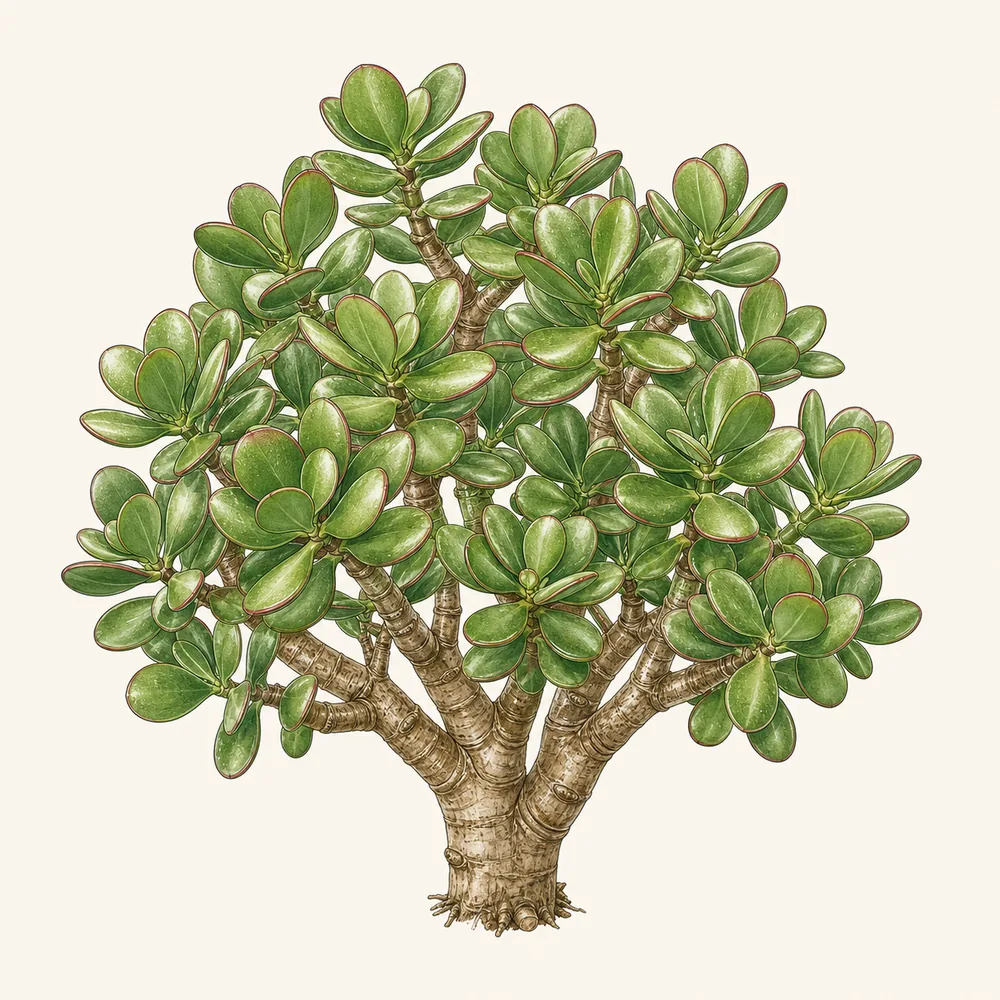
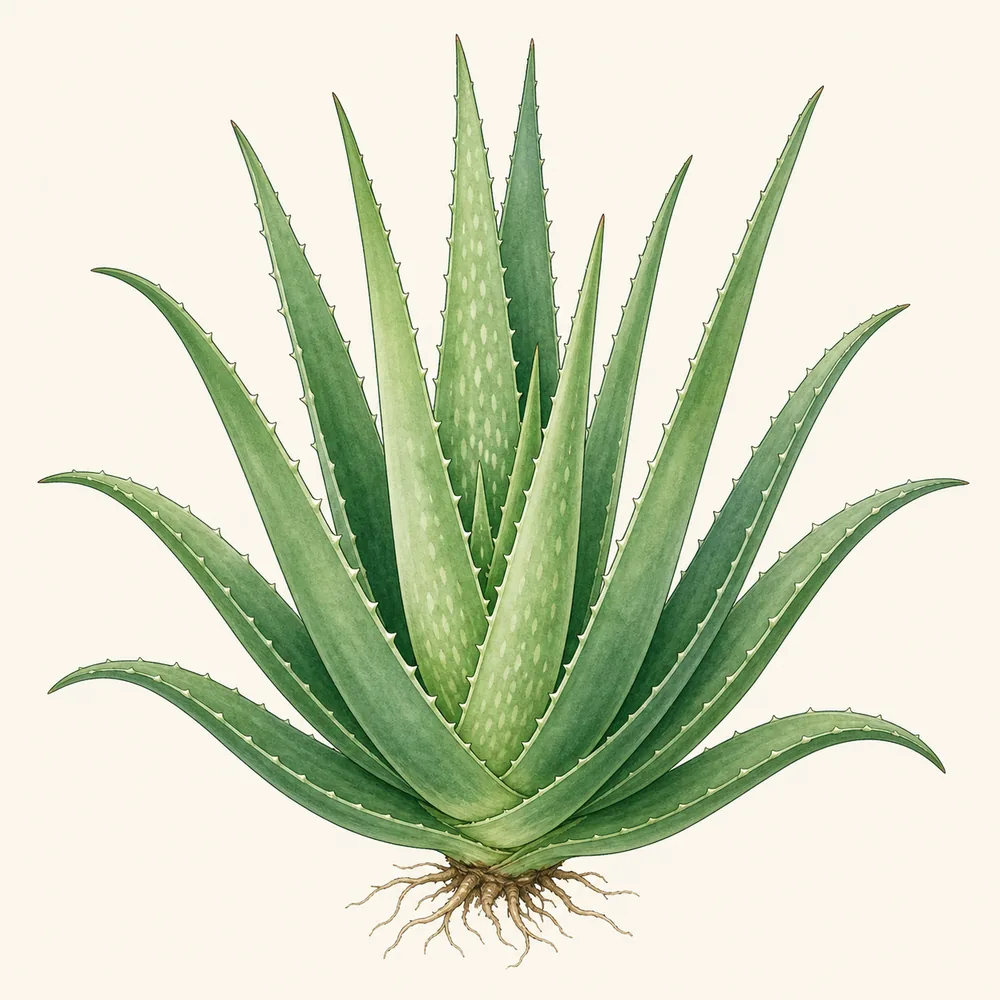
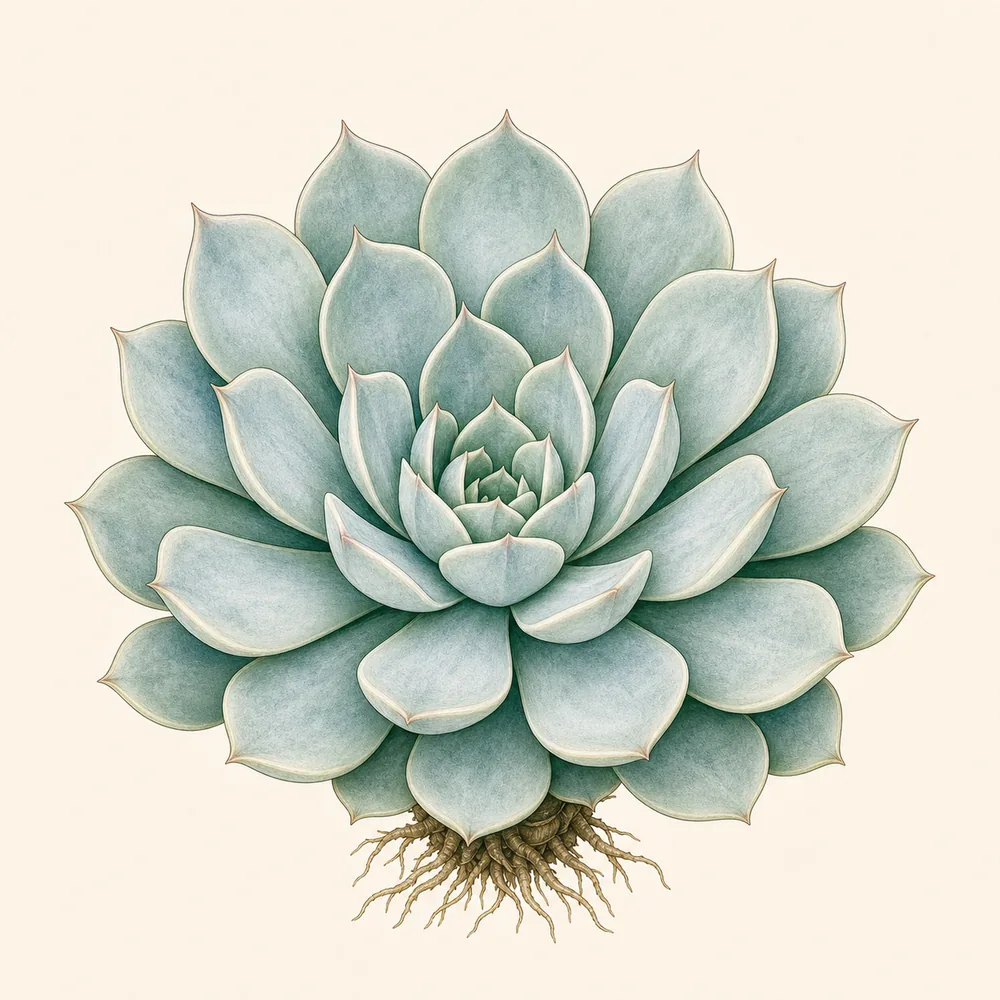
If you like this, try
Other plants with a similar temperament.
How we checked this
Care cross-checked against the RHS. Toxicity taken from the ASPCA database, which lists the pencil cactus (Euphorbia tirucalli) as toxic — an irritant latex that can injure skin and eyes. If our page and these sources ever disagree, believe them — and tell us.
Sources: RHS · ASPCA — toxic & non-toxic plants
Last reviewed · July 2026