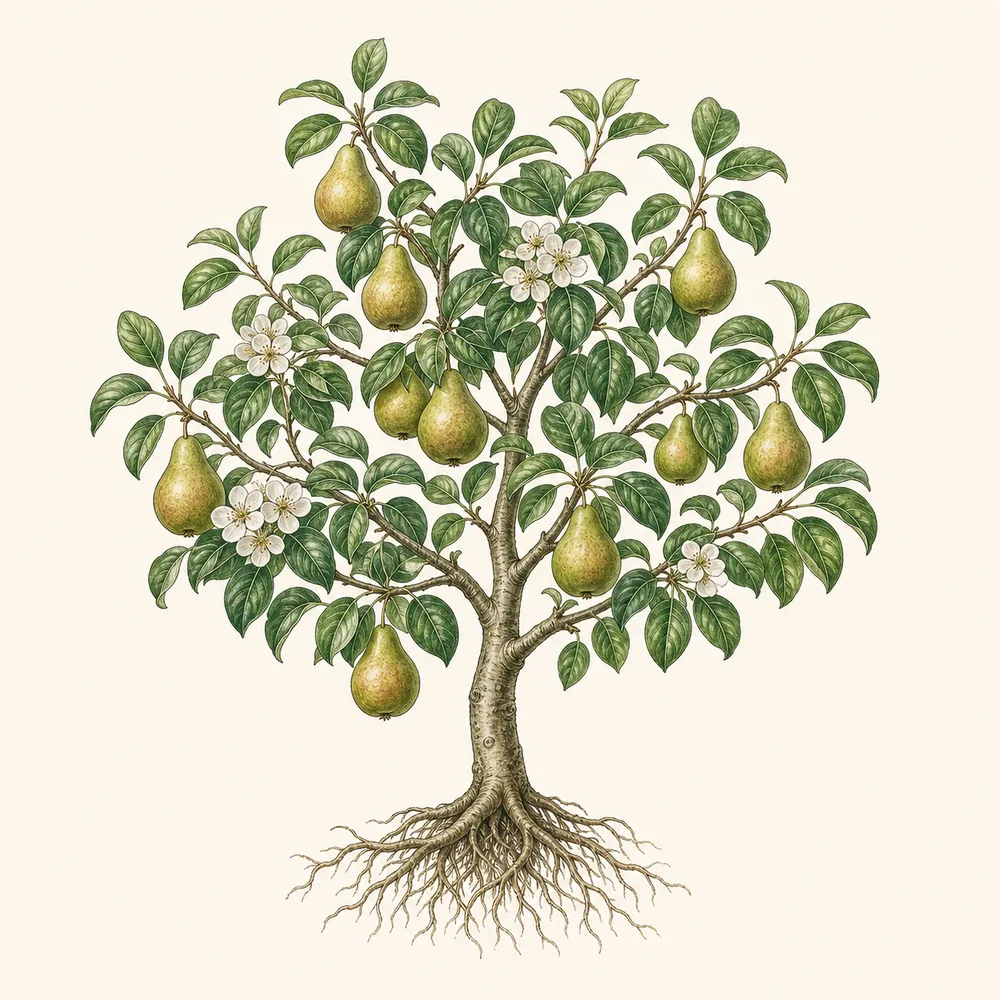
Pear
A long-lived orchard tree that rewards patience with sweet, buttery fruit. Pears flower earlier than apples and nearly all need a compatible partner nearby to set a good crop, so a little planning up front pays off for decades.
Not listed by ASPCA — a note on the pips
The ASPCA doesn't list the pear tree, so we can't stamp it pet-safe. The ripe flesh is harmless, but — as with apples — the seeds contain cyanide-releasing compounds, so keep pets and children from eating quantities of pips.
Care at a glance
Everything that matters, in six lines. The detail is further down.
Light
A warm, sunny, sheltered spot is essential — pears flower early and need sun to ripen well. Avoid frost pockets, which can wipe out the blossom.
Water
Water young trees well for the first two or three years while they establish, and any tree deeply during a dry summer as the fruit swells. Mature trees are fairly self-reliant.
Temperature
The tree itself is fully hardy, but the early blossom is vulnerable to spring frosts. In cold gardens, fleece a small tree on frosty nights when it's in flower.
Humidity
Good airflow around the canopy helps keep leaves dry and reduces scab and other fungal problems. Don't crowd it against walls or other trees.
Feeding
A general fertiliser in early spring, then a mulch of compost or well-rotted manure over the root area — kept clear of the trunk — feeds it and holds moisture.
Soil
Pears prefer a deep, fertile soil that holds moisture but doesn't waterlog. They dislike thin chalky and very dry soils; improve poor ground with plenty of organic matter.
What to do, and when
Blossom time — watch the forecast and protect flowers from late frosts. Feed and mulch, and check that a pollination partner nearby is flowering at the same time.
Fruit swells. Water deeply in dry spells and thin overcrowded clusters if the tree has set heavily. Summer-prune trained forms (cordons, espaliers) to keep them tidy.
Harvest season for most varieties. Pick when fruit is mature but still firm and finish ripening indoors. Clear fallen leaves and fruit to reduce disease carry-over.
The main pruning window for free-standing trees, while dormant and leafless. Plant new bare-root trees now, and check tree ties and stakes.
Pollination: why one pear is rarely enough
Most pears are self-sterile — they need pollen from a different, compatible variety flowering at the same time to set a proper crop. Varieties are grouped by flowering time into pollination groups, and your two trees need to be in the same or an adjacent group so their blossom overlaps.
If you only have room for one tree, you can still succeed if a neighbour has a suitable pear within bee-flying distance, or by choosing a 'family' tree with two or three compatible varieties grafted onto one trunk. A very few, like 'Conference', will set some fruit alone — but even they crop far better with a partner.
Rootstocks and size
A pear's eventual size is set by its rootstock, not the variety. Most garden pears are grown on Quince rootstocks: Quince C is more dwarfing and good for cordons and small gardens, while Quince A makes a larger bush or half-standard.
Match the rootstock to your space and how you want to grow the tree. Dwarfing stocks need permanent staking and better soil, but they fruit sooner and stay easy to pick and net.
Picking and storing at the right moment
The classic mistake with pears is leaving them on the tree until they feel ripe — by then they're often 'sleepy' and brown at the core. Instead, pick most varieties when the fruit is full-sized but still firm and lifts easily when you cup and gently tilt it.
Finish ripening indoors in a cool room, checking daily; a pear is ready when it gives slightly at the neck near the stalk. Early varieties don't keep and should be eaten soon after picking; later ones can store for weeks in a cool shed.
Common problems
Blossom but no fruit
Usually a pollination problem or frost-damaged flowers. Make sure a compatible partner flowers alongside it, and protect blossom on frosty nights.
Black, cracked or scabby fruit and leaves
Pear scab, a fungal disease worse in damp, crowded conditions. Prune for open airflow, clear fallen leaves, and choose scab-resistant varieties.
Blistered, red-then-black patches on leaves
Pear leaf blister mite. It looks alarming but rarely affects the crop; remove badly affected leaves — no spray is usually needed.
Shoots suddenly wilt and blacken as if scorched
Possible fireblight, a serious bacterial disease. Cut well back into healthy wood, disinfecting tools between cuts, and seek advice if it spreads.
Everything a new pear tree needs
A sunny sheltered site, a pollination partner, and firm support while it establishes.
We take no commission on anything in the "save your money" tier — if we don't think you should buy it, we don't link it. How our recommendations work
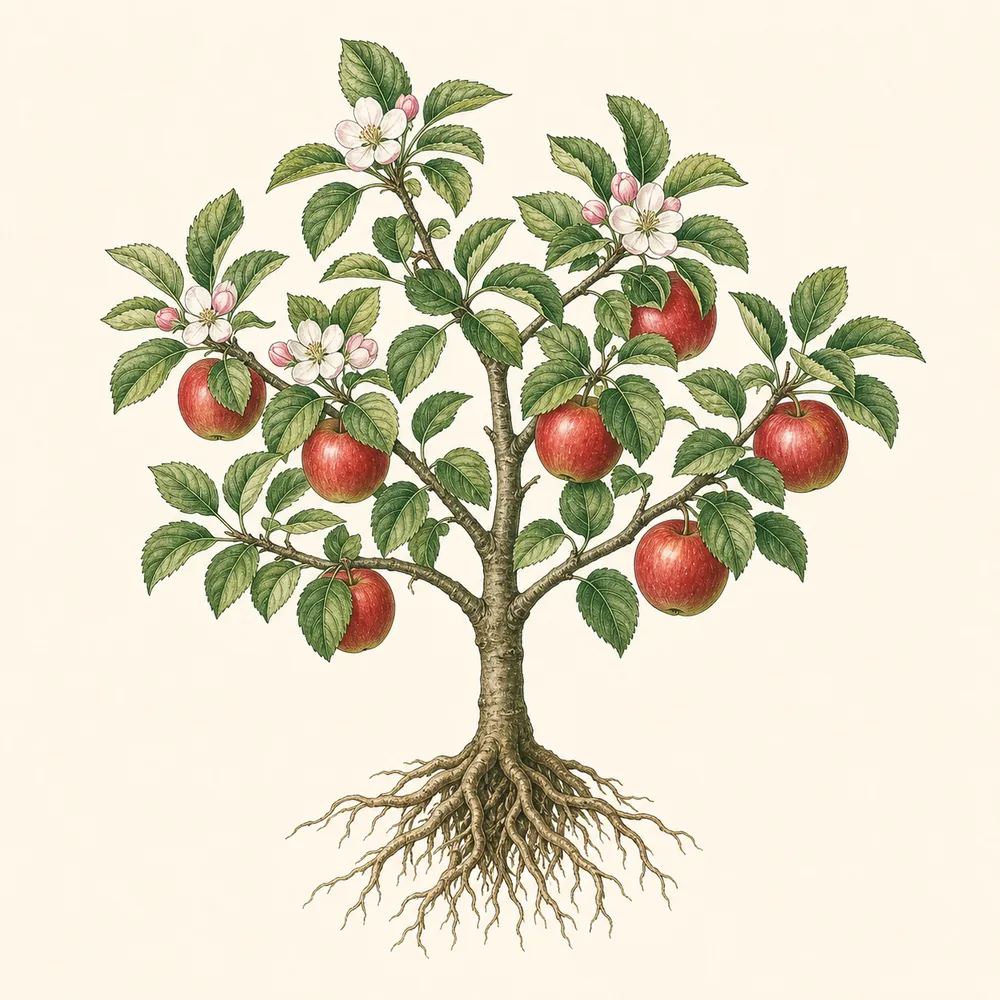
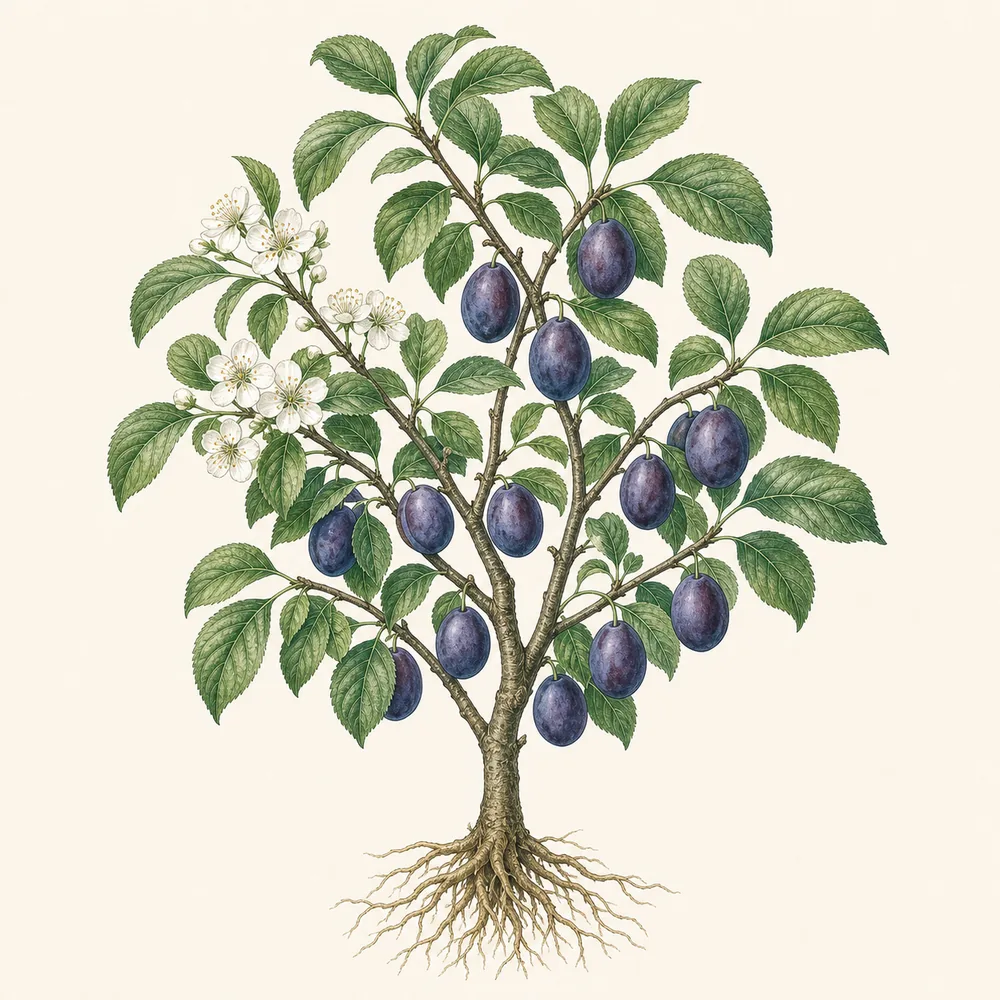
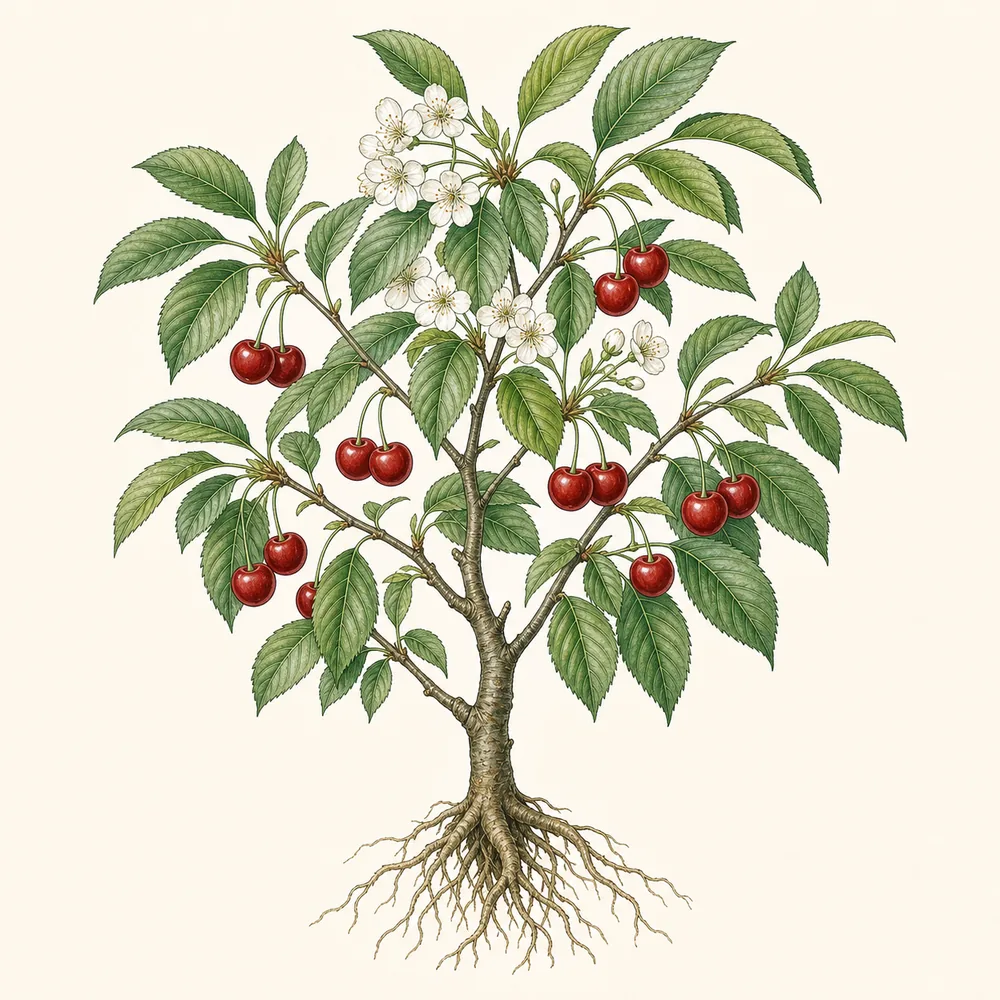
If you like this, try
Other plants with a similar temperament.
How we checked this
Care cross-checked against the RHS. The ASPCA does not list the pear, so its pet-safety is unconfirmed; the pips (not the flesh) are cyanogenic. If our page and these sources ever disagree, believe them — and tell us.
Sources: RHS · ASPCA — toxic & non-toxic plants
Last reviewed · July 2026