Ornamental Allium
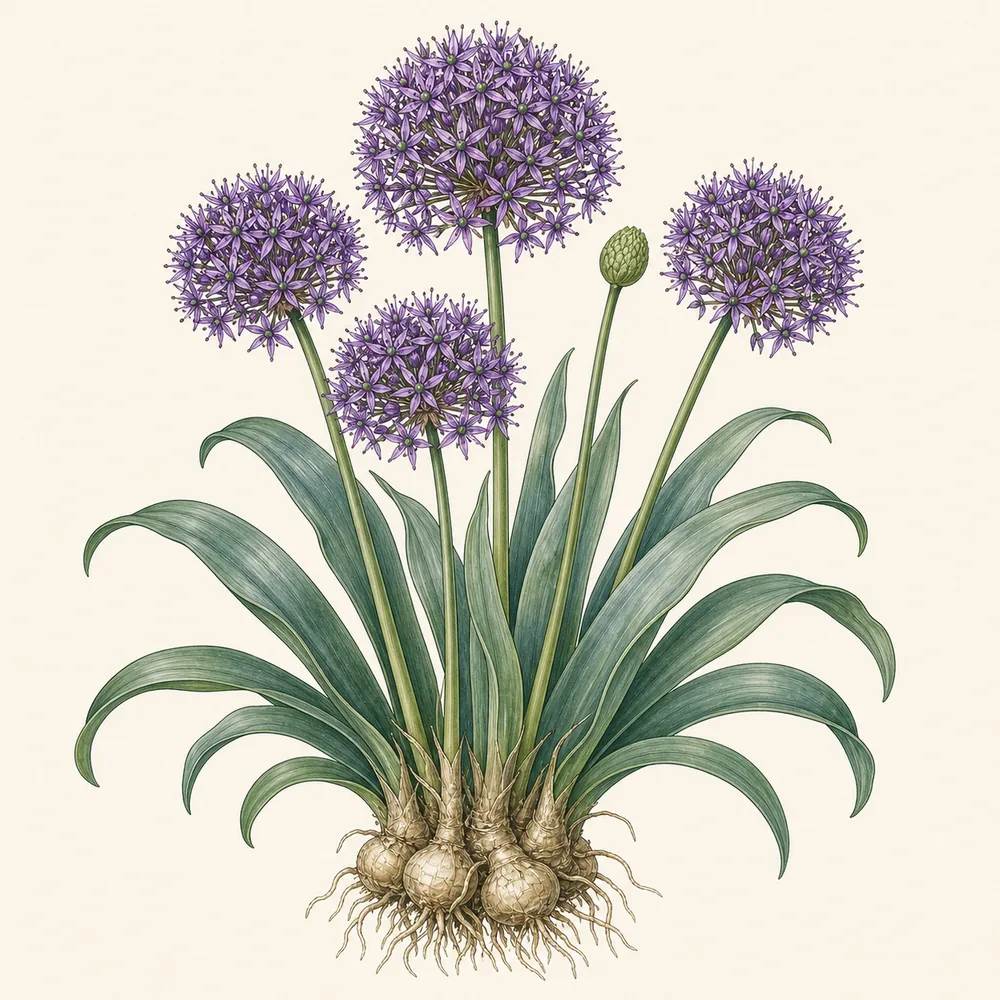
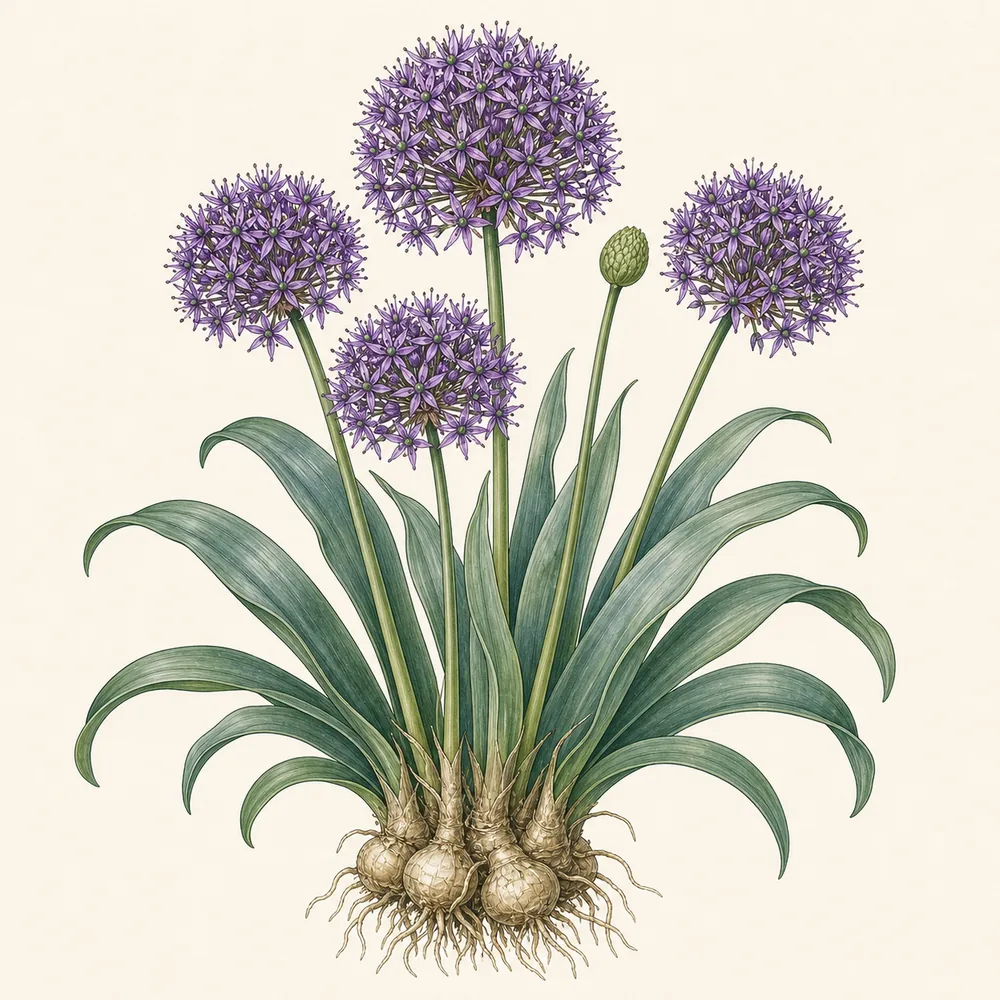
The purple drumstick heads of ornamental alliums float above early-summer borders on tall stems, all globe and structure. They're one of the easiest bulbs to grow — plant them deep in a sunny, well-drained spot in autumn — and the seedheads stay handsome for months, giving structure long after the colour has gone.
Toxic to cats & dogs (onion family)
Ornamental alliums are true Alliums, the onion family, which the ASPCA lists as toxic to cats and dogs. The bulbs and leaves contain compounds that damage red blood cells and can cause anaemia if eaten in quantity — dogs and especially cats are sensitive. The bulbs are the main hazard.
Care at a glance
Everything that matters, in six lines. The detail is further down.
Light
Alliums want an open, sunny position to flower well and hold their tall stems upright. In shade they flop and flower poorly.
Water
They cope well with dry spells and dislike wet feet. Water new plantings if the autumn is very dry, then largely leave them to it.
Planting time
Plant the dry bulbs September to November for flowers the following late spring and early summer. A cold winter sets them up to bloom.
Planting depth
Plant deep — two to three times the bulb's height, so roughly 15–20 cm for the big types — and space them a bulb's width or two apart.
Feeding
A low-nitrogen feed as the leaves grow, or a compost mulch, helps the bulbs bulk up. Don't overfeed — rich soil gives leaf, not flower.
Soil
Sharp drainage is the key to success. They thrive on lean, free-draining soil; add grit on heavy clay so the bulbs don't rot.
What to do, and when
The strappy leaves come up first, then the flower stems shoot skyward and the globes open from late spring. The foliage often starts to yellow just as the flowers appear — that's normal, so leave it to die back and let it feed the bulb.
The drumstick heads flower into early summer, then fade to straw-coloured seedheads. Leave them standing — they hold their shape for months and give real structure. Lift and divide congested clumps once the foliage has died down.
Planting season. Get dry bulbs in the ground September to November, deep in a sunny, free-draining spot. Cut down old seedheads now if you didn't leave them for winter structure.
The bulbs sit dormant, rooting and chilling ready for spring. Any seedheads you left standing catch the frost and add winter interest before you tidy them away.
Plant deep, in sun and sharp drainage
Alliums are among the most forgiving bulbs, but they have two firm requirements: full sun and free-draining soil. Wet, heavy ground rots the bulbs, so on clay work grit into the planting hole and raise the bed if you can.
Plant the bulbs deep — a good rule is two to three times the bulb's own height, which for the big alliums means 15–20 cm down. Deep planting anchors those tall stems and helps the bulbs come back year after year.
Hiding the fading foliage
There's one quirk to allium: the strappy leaves start yellowing from the tips just as the flowers open, which can look scruffy at the base of an otherwise elegant plant. This is completely normal onion-family behaviour and no cause for alarm.
The trick is to plant them behind low, leafy perennials — hardy geraniums, catmint or alchemilla — that hide the dying leaves while the flower globes float above. And, as always, resist cutting the foliage while it's still green; it's feeding next year's bulb.
Leave the seedheads for structure
Ornamental alliums earn their place twice over. Once the purple colour fades, the flowers dry to architectural, straw-coloured seedhead spheres that hold their shape for months, catching low light and frost.
Leave them standing well into autumn, or even winter, for structure in the border — they look wonderful rimed with frost. Cut them down when they finally collapse, or pick and dry a few for indoor arrangements.
Common problems
Bulbs rotting in wet soil
The commonest failure. Alliums need sharp drainage — plant on free-draining soil, add grit on clay, and never plant where water sits after rain.
Floppy stems or few flowers
Too much shade or soil too rich. Give them full sun and lean, well-drained ground; over-fed plants make leaf at the expense of flower.
Yellowing leaves at flowering time
Normal for alliums — the foliage naturally dies back as the globes open. Plant behind leafy perennials to hide it and let it wither rather than cutting it.
Allium leaf miner or onion problems
As onion-family plants they can attract the same pests. Rotate where you plant fresh bulbs, clear affected foliage, and avoid planting new bulbs among diseased onions or leeks.
Everything an allium display needs
Firm bulbs, a sunny free-draining spot, and deep planting.
We take no commission on anything in the "save your money" tier — if we don't think you should buy it, we don't link it. How our recommendations work
If you like this, try
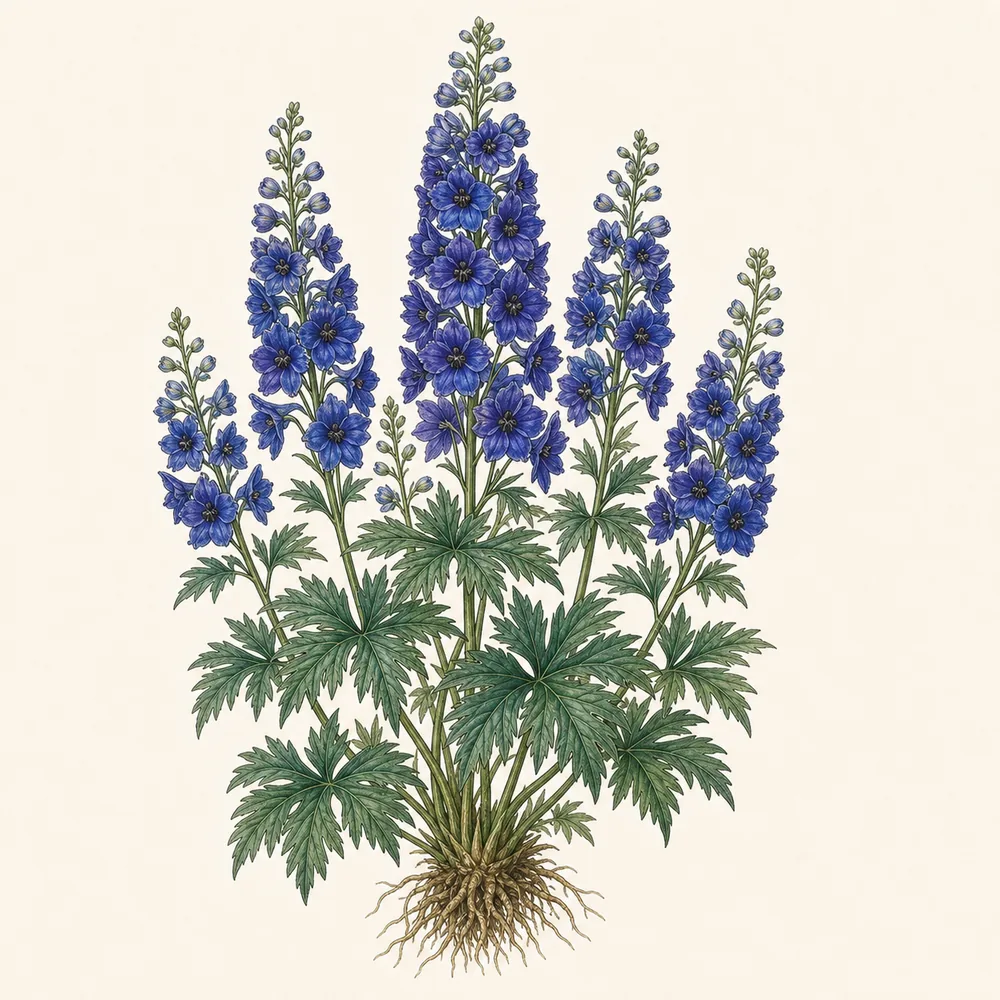
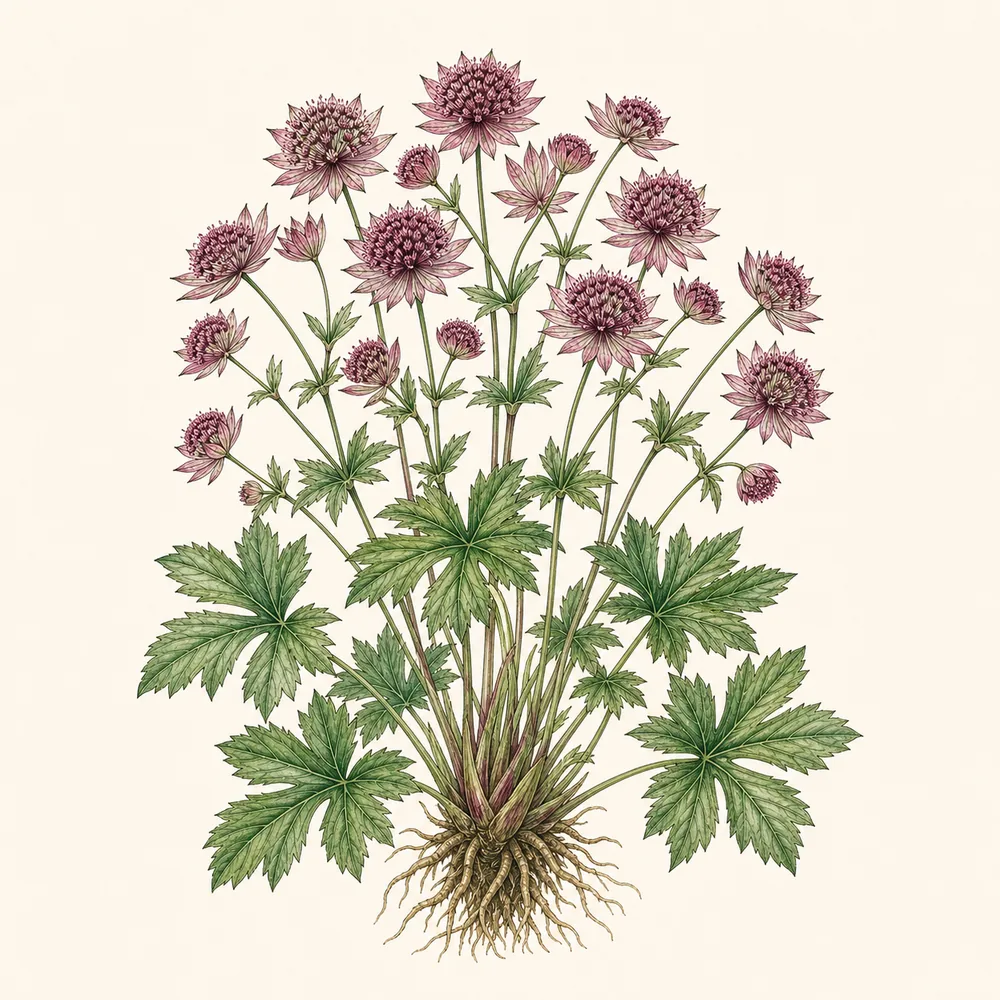
Other plants with a similar temperament.
How we checked this
Care cross-checked against the RHS. Toxicity taken from the ASPCA database, which lists Allium (onion family) as toxic to cats and dogs — oxidative damage to red blood cells. If our page and these sources ever disagree, believe them — and tell us.
Sources: RHS · ASPCA — toxic & non-toxic plants
Last reviewed · August 2026