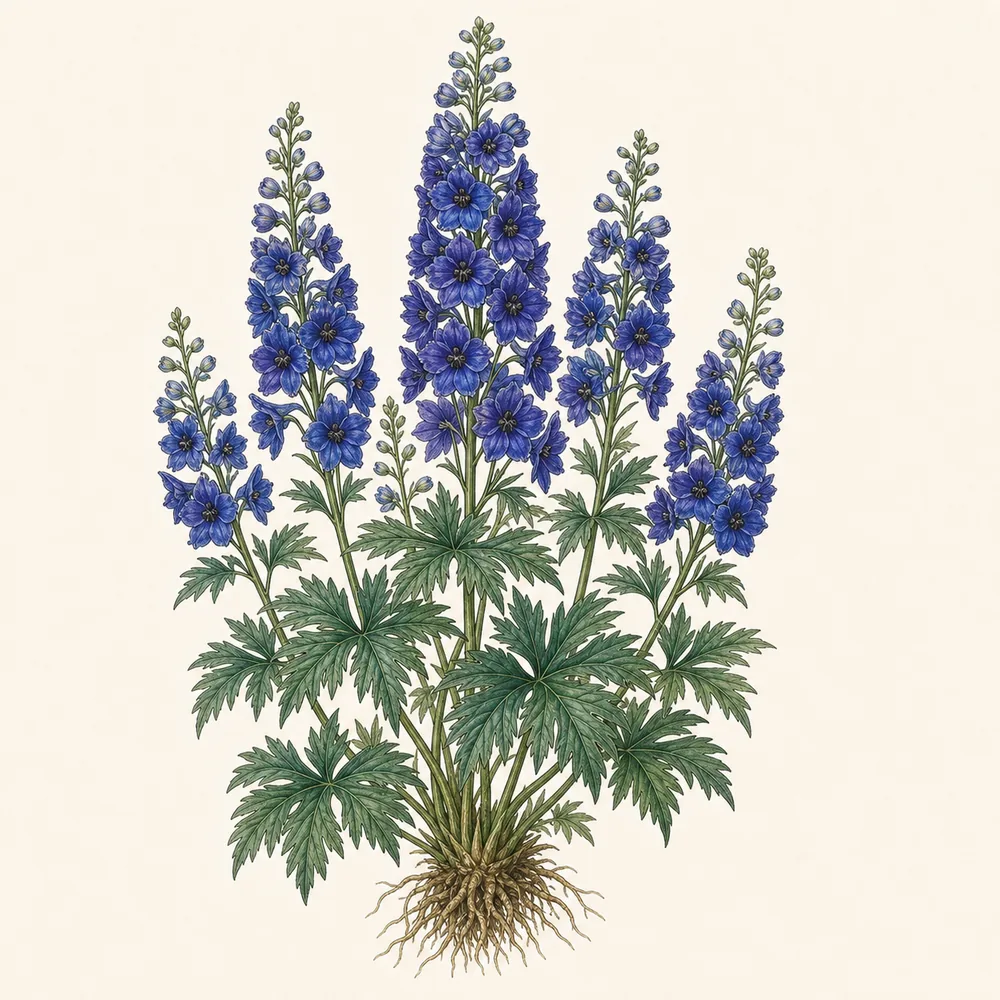
Delphinium
The great blue spires of the classic English border — nothing else gives you quite that towering, saturated blue. They're not difficult, but they demand two things without fail: sturdy staking before the flower spikes shoot up, and a real defence against slugs, which adore the young shoots.
Seriously toxic to cats, dogs & horses
Delphiniums (larkspur) are listed as toxic to cats, dogs and horses on the ASPCA database. They contain diterpene alkaloids that cause drooling, muscle tremors, weakness and, in quantity, heart and breathing failure — the young growth is the most potent. Striking border plants, but ones to site away from grazing animals.
Care at a glance
Everything that matters, in six lines. The detail is further down.
Light
Give them full sun and, above all, shelter — those tall spikes are vulnerable to wind. A spot backed by a wall or hedge is ideal.
Water
They're thirsty when growing hard in spring and summer. Water well in dry spells; they resent drying out just as the spikes build.
Temperature
Hardy across the UK. They die back to the ground each winter and reshoot in spring — it's those new shoots the slugs are waiting for.
Staking
Put supports in place in spring while plants are small, so growth hides them. Tall spikes snap in wind or rain if left unstaked.
Feeding
Hungry plants. Mulch with compost or well-rotted manure in spring and give a general feed as growth starts for strong spikes.
Soil
Fertile, moisture-retentive but well-drained soil. They're long-lived in good ground but rot over winter if it sits cold and wet.
What to do, and when
New shoots push up — protect them from slugs the moment they appear, and get stakes in early. Thin weak shoots to leave the strongest five or so.
The main flush of spires opens through June and July. Cut spent spikes right back and feed, and many will send up a smaller second flush later.
Flowering over, the foliage yellows and dies down. Cut back to the base, clear away debris that shelters slugs, and mulch around the crown.
Fully dormant below ground. Sharp winter wet is the main risk — good drainage matters. Keep the crown clear of soggy mulch and fallen leaves.
Stake before you think you need to
The commonest way to lose a delphinium's display is to a single summer downpour that flattens the fully grown spikes overnight. By then it's too late — a snapped spike doesn't stand back up.
The answer is to stake early, in spring, while the plant is still low. Ring the clump with canes and twine, or use a purpose-made grow-through support, so the flower stems grow up through the support and hide it. Each big spike really does need individual attention as it lengthens.
The slug battle is won in spring
Slugs and snails will find delphinium shoots the moment they emerge and can shear a whole plant to the ground overnight — this is the number-one reason delphiniums fail. The tender new growth in spring is the vulnerable point.
Start your defences before the shoots are even up. Clear away leaf litter and debris where slugs shelter, and use whatever method you trust — nightly patrols, barriers of grit or wool, beer traps, or wildlife-safe ferric-phosphate pellets. Once the stems toughen up they're far less at risk.
Cut back for a second flush
Delphiniums have a generous trick: cut the spent flower spikes right down to the base as soon as the first flush fades, give the plant a water and a feed, and many will push up a second, smaller round of spikes later in the season.
It's worth doing even if you don't get a second flush every time — removing the old spikes stops the plant wasting energy on seed and keeps the clump tidy and vigorous for next year.
Common problems
Shoots eaten by slugs and snails
The classic failure — young spring growth grazed to the ground overnight. Protect shoots from the moment they emerge with your preferred slug defence and clear nearby debris.
Spikes snapped by wind or rain
Unstaked spires flatten in a summer storm. Stake early in spring while plants are small, and support each tall spike individually as it grows.
Powdery mildew
White coating on leaves in dry, crowded conditions. Improve airflow by thinning shoots, keep plants watered at the roots, and clear affected foliage.
Crown rot over winter
Wet, badly drained soil rots the dormant crown. Improve drainage before planting, keep heavy mulch off the crown, and avoid cold, waterlogged sites.
Everything a delphinium needs
Early staking, a slug defence, and rich, sheltered ground.
We take no commission on anything in the "save your money" tier — if we don't think you should buy it, we don't link it. How our recommendations work
If you like this, try
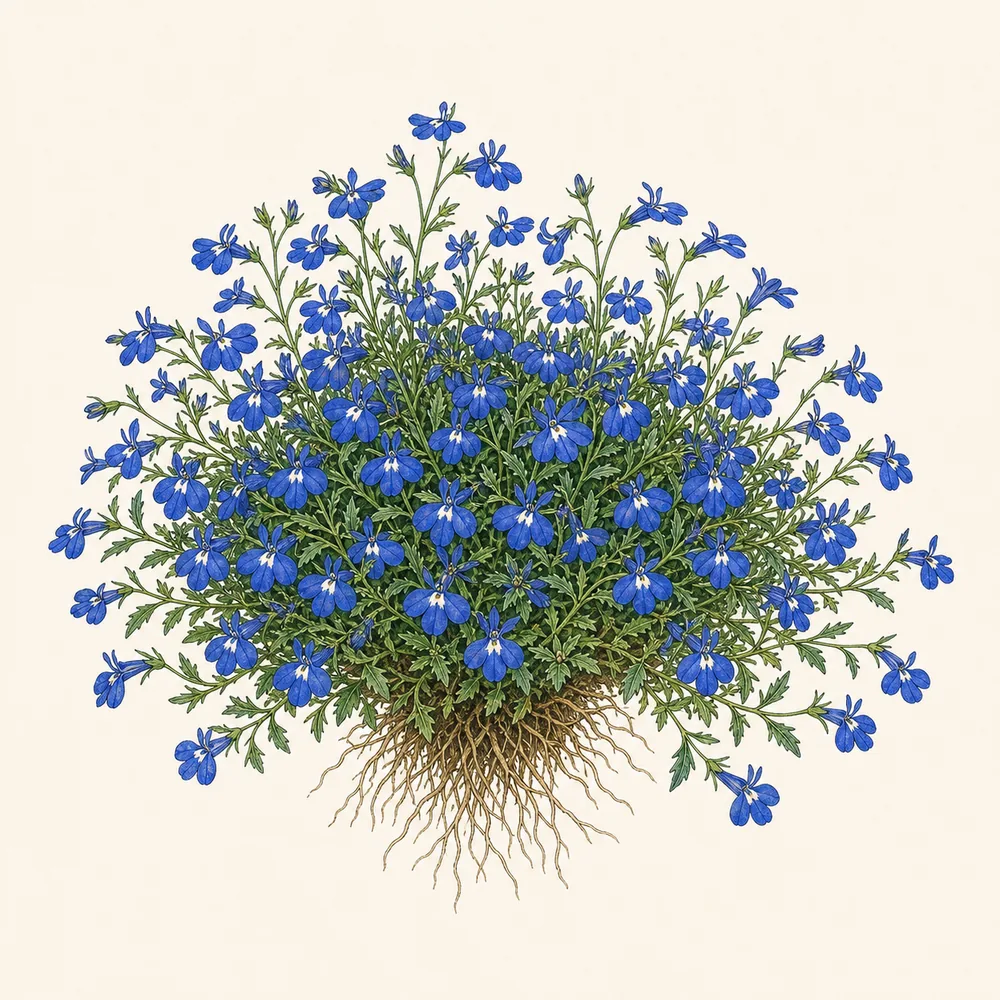
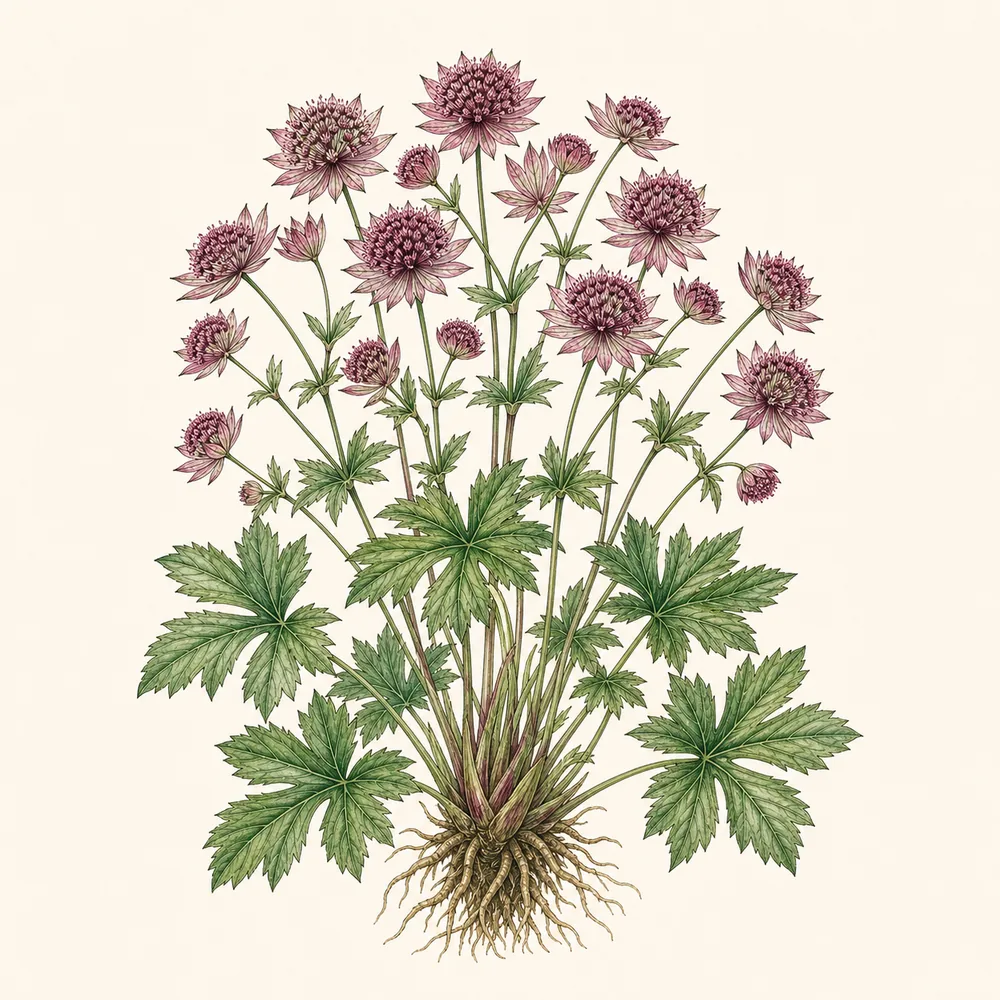
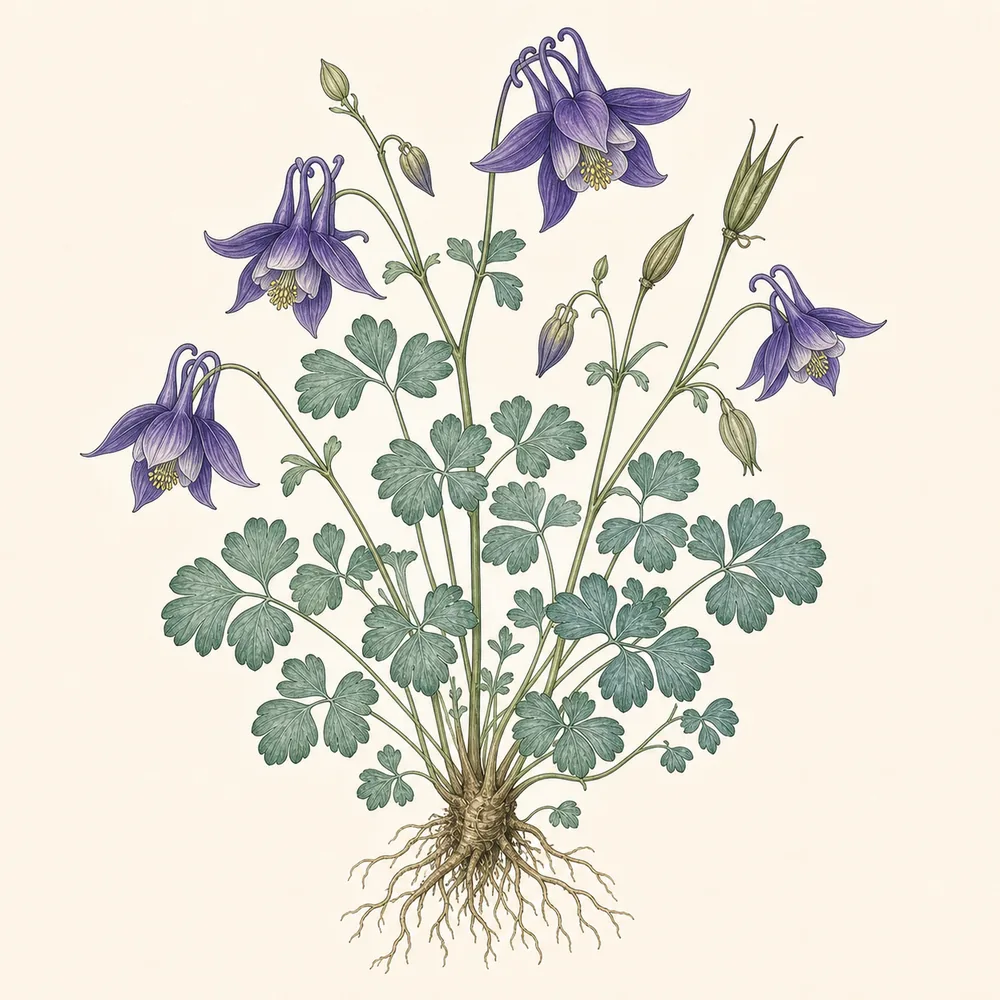
Other plants with a similar temperament.
How we checked this
Care cross-checked against the RHS. Toxicity taken from the ASPCA database, which lists Larkspur (Delphinium) as toxic — diterpene alkaloids, neuromuscular and cardiac effects. If our page and these sources ever disagree, believe them — and tell us.
Sources: RHS · ASPCA — toxic & non-toxic plants
Last reviewed · August 2026