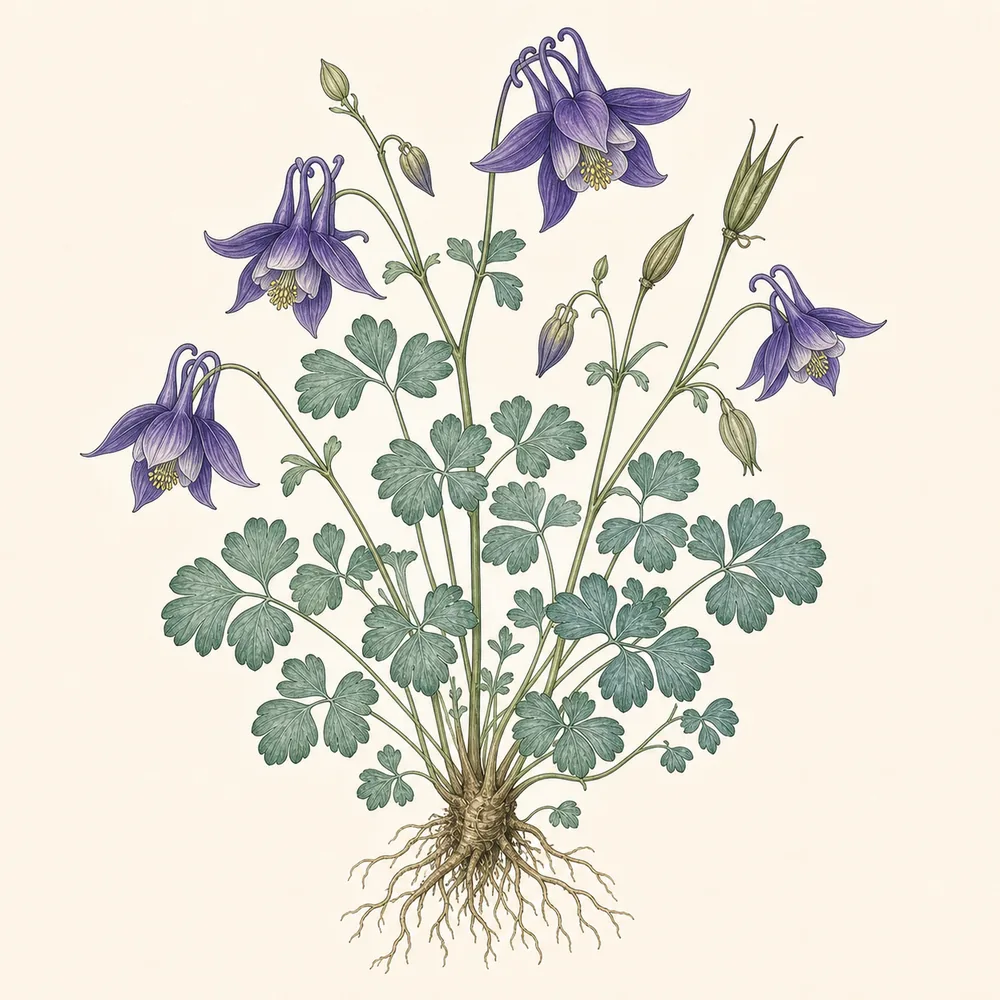
Columbine
One of the most charming cottage-garden perennials, with nodding, spurred bonnets of flower in late spring, held on airy stems above pretty ferny foliage. Individual plants are short-lived, but columbine sows itself around so freely that once you have it, you'll never be without it.
Not listed by ASPCA
The ASPCA doesn't list columbine (Aquilegia), so we don't stamp it safe. The seeds and roots hold small amounts of toxic compounds but there's no serious record. With no database entry we flag the gap honestly rather than guess.
Care at a glance
Everything that matters, in six lines. The detail is further down.
Light
Flowers well in full sun or dappled shade. A little afternoon shade suits it in hotter, drier gardens and keeps the flowers looking fresh for longer.
Water
Water new plants through their first summer. Established columbines are fairly self-reliant but appreciate soil that doesn't bake bone dry.
Temperature
Hardy across the UK, dying back in winter and reappearing each spring. No frost protection needed — the seedlings are just as tough.
Position
Forms neat clumps 45–90cm tall with the flowers held high on wiry stems. Perfect threaded through a cottage border or a woodland-edge planting where it can seed about.
Feeding
Undemanding — a spring mulch of compost is enough. Rich feeding just produces lush leaves and encourages the sawfly that strips them.
Soil
Grows in almost any reasonable soil that doesn't waterlog. A moisture-retentive but free-draining soil enriched with compost suits it best.
What to do, and when
Ferny leaves emerge early, and the nodding flowers open from late April into May and June. This is the main show — enjoy it, and watch for sawfly caterpillars on the foliage.
Flowering finishes and seedpods form. Decide now: leave the pods to ripen and scatter seed for free plants, or cut them off before they sow if you want to control the spread.
A good season to plant new aquilegias and to move self-sown seedlings to where you want them. Cut back tired foliage as the plants die down.
Fully dormant, with the plant reduced to a crown. It needs nothing over winter; last year's scattered seed sits in the soil ready to germinate in spring.
Short-lived, but never really gone
It's worth knowing from the start that an individual aquilegia plant is short-lived — often only three or four good years before it tires and fades. But this rarely matters, because columbine seeds itself around so generously that a new generation is always coming up to replace the old.
The trick is to let it. Leave a few seedheads to ripen and scatter, and you'll find young plants appearing in gravel, at path edges and among other perennials — often in the happiest, most natural-looking spots you'd never have chosen yourself.
Managing the self-seeding
Free plants are a gift, but columbine can sow itself a little too enthusiastically. The control is entirely in your hands and it's simple: cut off the seedpods after flowering if you want fewer seedlings, or leave them if you want more.
Unwanted seedlings pull out easily when small, and welcome ones transplant well in autumn or early spring while they're young. Move them to fill gaps or build a drift, and thin the rest.
Watch for aquilegia sawfly
The one pest that regularly troubles columbine is aquilegia sawfly, whose pale green caterpillars can strip a plant to bare stems in days, usually just after flowering. It looks alarming but the plant almost always recovers.
Check the leaves from late spring and pick the caterpillars off by hand while numbers are low — it's the most effective control. Even a stripped plant usually pushes out fresh leaves and lives to flower again next year.
Common problems
Leaves stripped to skeletons
Aquilegia sawfly caterpillars, usually just after flowering. Pick them off by hand as soon as you spot them; the plant recovers and refoliates even if badly grazed.
Seedlings the wrong colour
Aquilegias cross freely, so self-sown plants often revert to purple-blue. Grow a prized strain in isolation, or enjoy the mix and remove any you dislike.
Powdery mildew on the foliage
A white coating on plants stressed by drought. Keep the soil moist, cut affected leaves back, and fresh clean growth follows once conditions improve.
Short-lived plants dying out
Normal — individual aquilegias last only a few years. Let a few seedheads ripen and self-sow so a new generation is always ready to take their place.
Everything a columbine needs
A spot to self-seed, an eye out for sawfly, and very little else.
We take no commission on anything in the "save your money" tier — if we don't think you should buy it, we don't link it. How our recommendations work
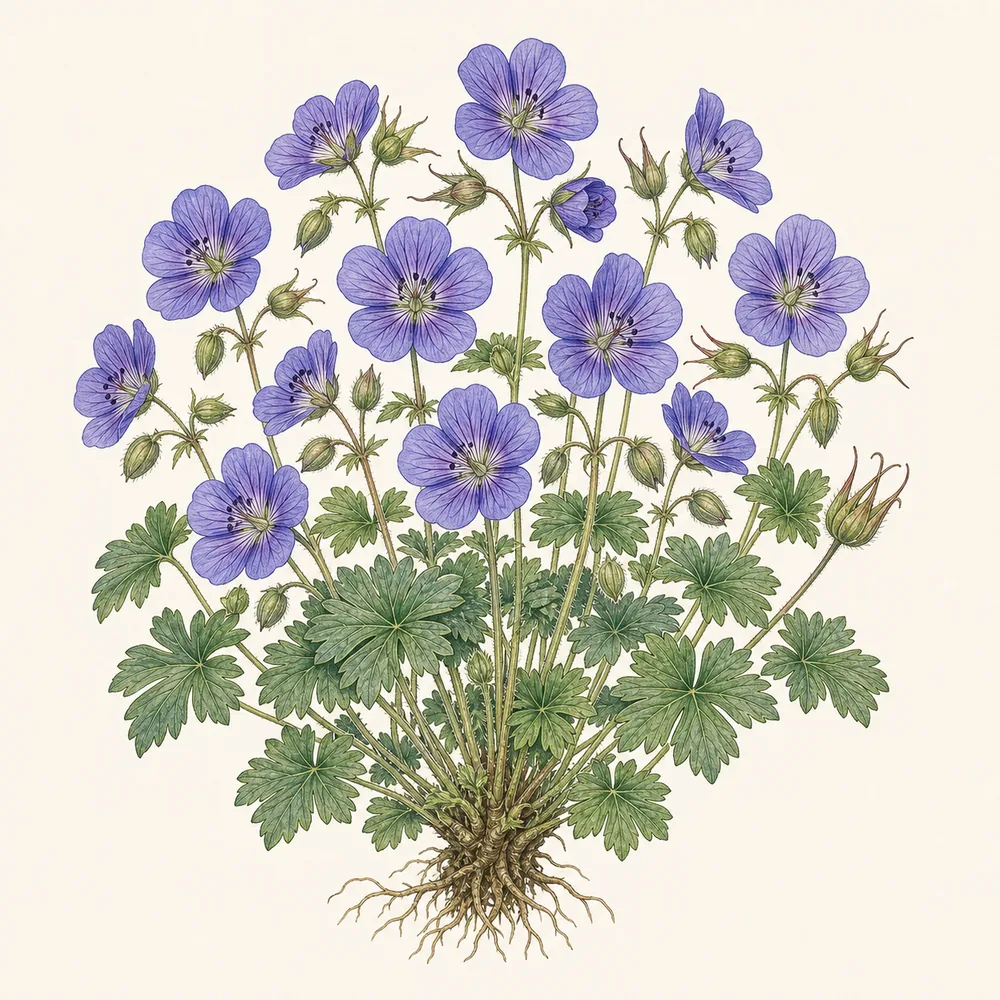
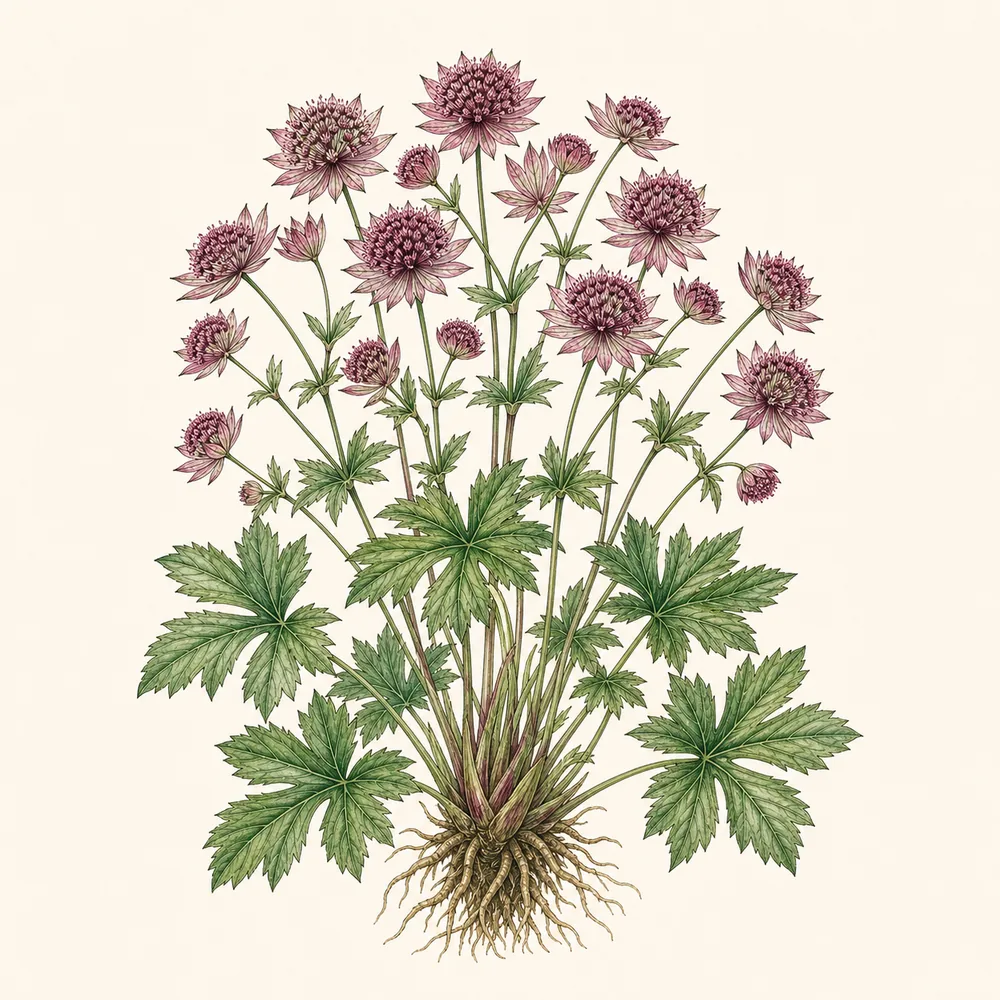
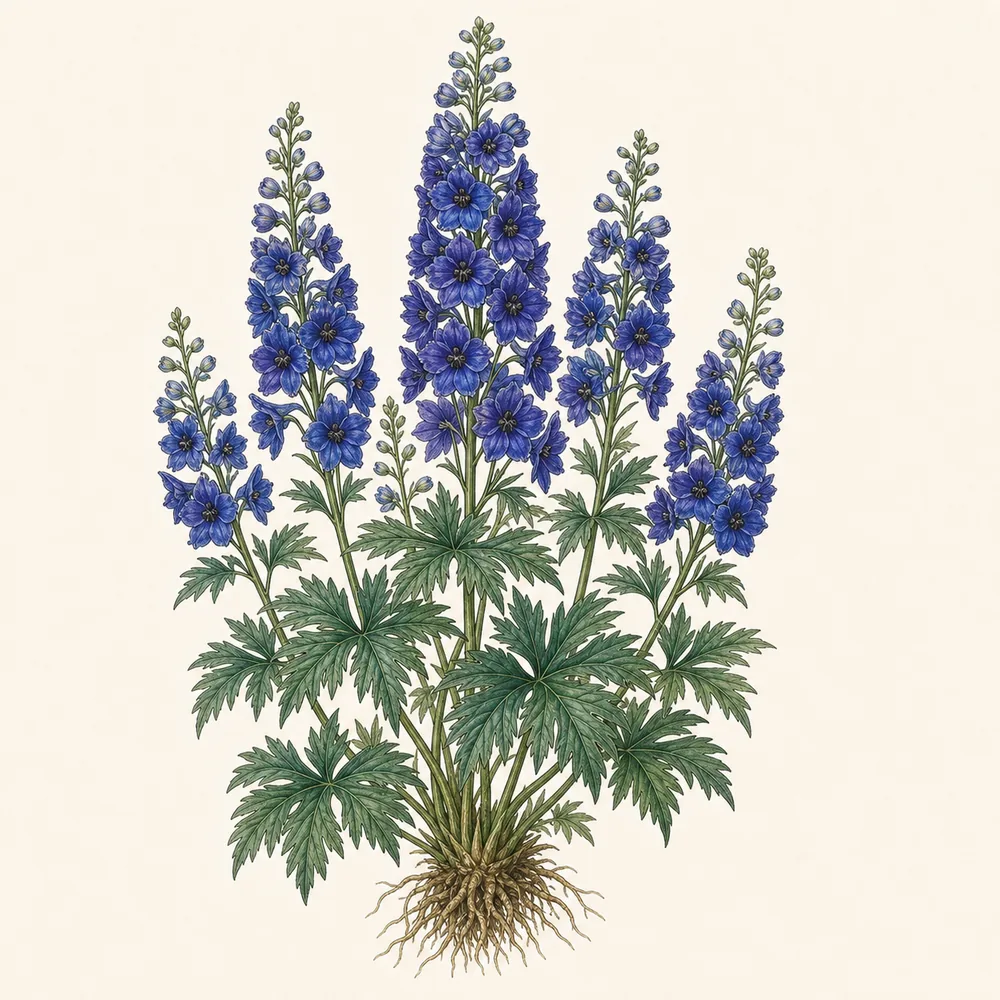
If you like this, try
Other plants with a similar temperament.
How we checked this
Care cross-checked against the RHS. The ASPCA does not list columbine (Aquilegia), so its pet-safety is unconfirmed and we have not stamped it safe. If our page and these sources ever disagree, believe them — and tell us.
Sources: RHS · ASPCA — toxic & non-toxic plants
Last reviewed · August 2026