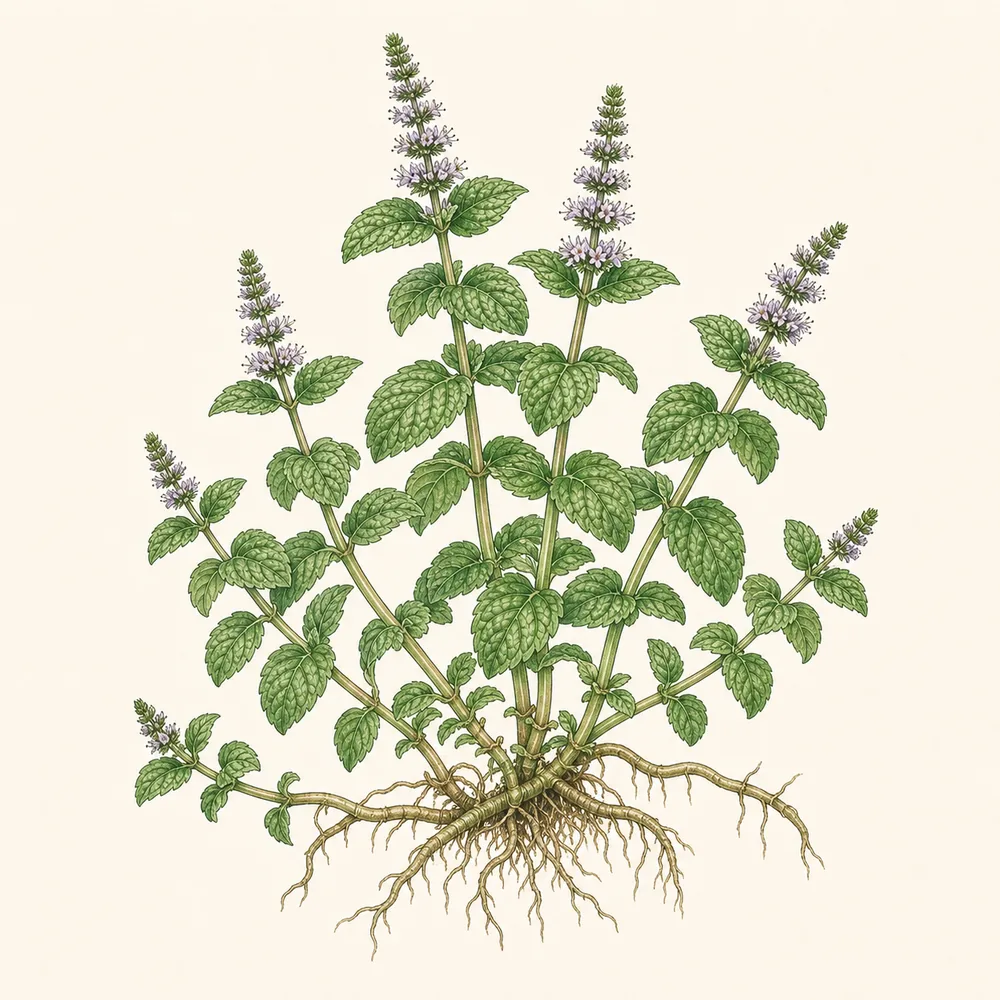
Mint
The one herb nobody struggles to grow — the struggle is stopping it. Mint spreads by underground runners into a lush, fragrant carpet, brilliant for the kitchen and hopeless as a border neighbour. Grow it in a pot and it's a joy; plant it free in a bed and you'll regret it for years.
Mildly toxic to pets — the concentrated oil is the real risk
The ASPCA lists mint (Mentha) as toxic to cats, dogs and horses, from the essential oils in the leaves — though it takes a large ingestion to cause vomiting or diarrhoea, so a plant brushed or nibbled in the garden is a minor concern. The genuine hazard, as with lavender, is the concentrated form: mint or peppermint essential oil is far more potent than the plant, and cats in particular can't process these oils well. Growing mint near a cat is fine; using a peppermint oil diffuser around one is not. Source: ASPCA.
Care at a glance
Everything that matters, in six lines. The detail is further down.
Position
Happy in sun or light shade — one of the few herbs that tolerates a cooler, damper, part-shaded spot.
Water
Unlike the Mediterranean herbs, mint enjoys steady moisture. Don't let pots dry out or it wilts and browns.
Soil
Unfussy and vigorous. Ordinary compost or garden soil is plenty — it needs no encouragement.
Feeding
A weak feed now and then keeps potted mint lush; in the ground it needs nothing at all.
Harvest
Pick and shear freely — hard cutting just makes it bushier. Cut the whole plant back mid-season to refresh it.
Hardiness
Dies down in winter and storms back in spring from the roots. Cold is no threat whatsoever.
What to do, and when
Fresh shoots race up. Pot up or divide now — it's the easiest possible plant to split. Get containers in place before it spreads.
Peak picking. Shear it hard for a flush of new leaves, and cut the whole plant back once mid-summer to keep it tender.
Growth slows and the top dies back. Tidy away the old stems; the roots are just resting, not dead.
Dormant below ground. Pots can be left out; a few roots potted up on a windowsill give winter pickings.
Never plant it free in a border
Mint spreads by rhizomes — underground runners that travel surprising distances and send up new shoots as they go. Planted straight into a bed, a single mint will colonise it within a couple of seasons and become genuinely difficult to remove, resprouting from every scrap of root left behind.
The answer is containment, always. Grow it in a pot — on its own, because it will bully other herbs — or sink a bottomless bucket into the ground and plant it inside that. Even then, watch for runners escaping over the rim. Contained, mint is generous and easy; uncontained, it's a decade-long weeding job.
The essential-oil trap — the bit that matters for pets
Here's a connection almost no gardening site makes: the mint plant in your garden and the peppermint essential oil in your cupboard are very different things where pets are concerned. The living plant is only mildly problematic and only in quantity — but the extracted oil is a concentrated dose, and cats especially lack the liver enzymes to process these compounds safely.
So grow all the mint you like with a cat in the house — that's fine. Just don't run a peppermint oil diffuser, or use concentrated mint oils, in a home with a cat. It's the same principle as lavender: the garden is safe, the diffuser is the risk.
Common problems
Taking over everything
Doing exactly what mint does. Lift it, confine it to a pot or a sunken bucket, and dig out stray runners.
Wilting, browning in a pot
Dried out — mint likes moisture. Keep the compost damp and stand pots out of scorching sun.
Pale orange spots under leaves
Mint rust. Cut affected growth right back and bin it (don't compost); fresh clean shoots usually follow.
Leggy, sparse, tired growth
Needs a hard cut. Shear the whole plant to the base mid-season for a flush of tender new leaves.
Everything mint needs
A pot to contain it and almost nothing else. The kit is really about damage control.
We take no commission on anything in the "save your money" tier — if we don't think you should buy it, we don't link it. How our recommendations work
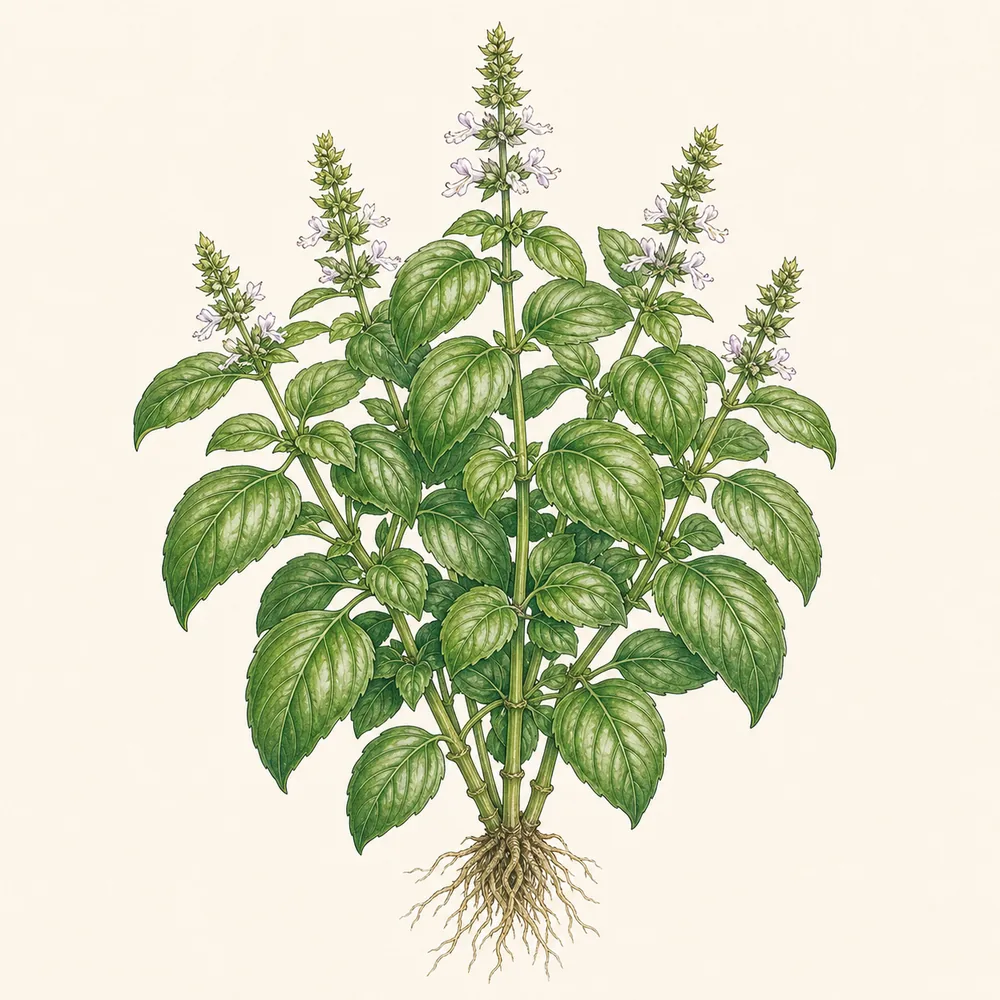
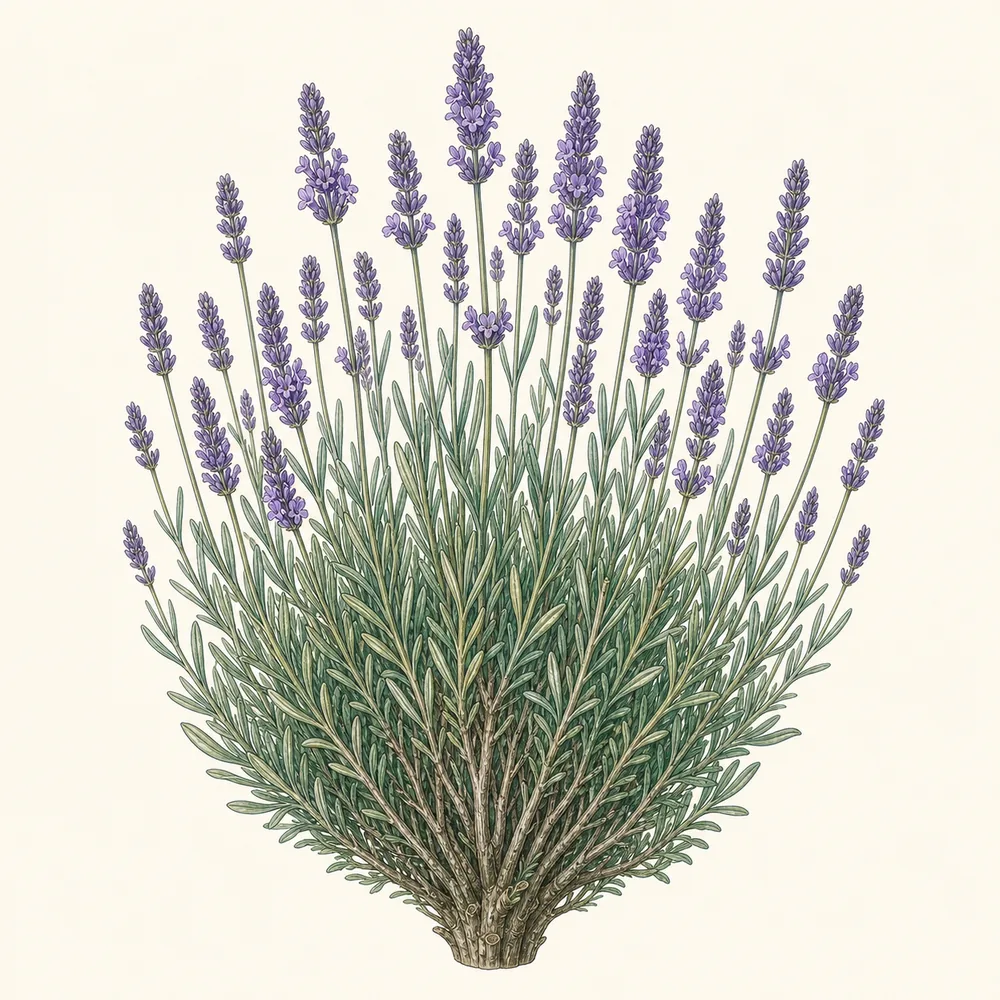
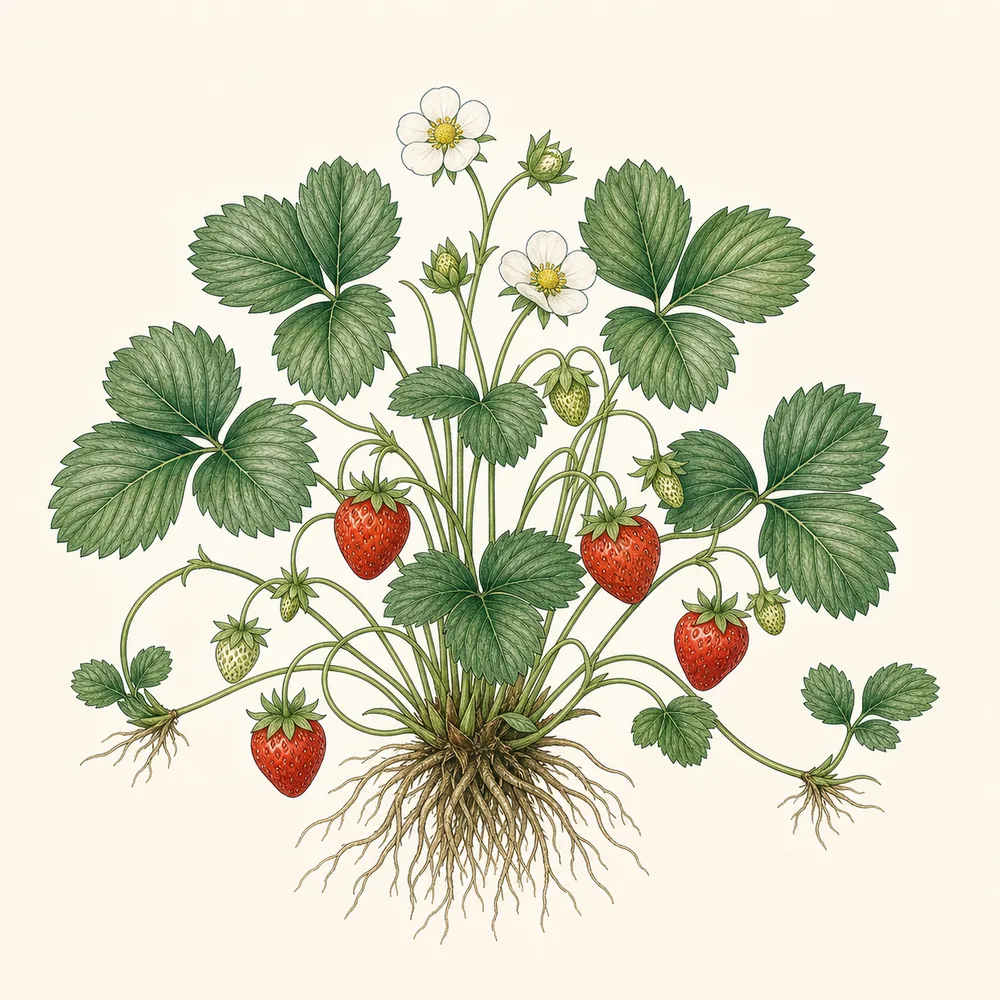
If you like this, try
Other plants with a similar temperament.
From the Notebook
Seasonal notes and guides that mention the mint.
How we checked this
Care guidance cross-checked against the Royal Horticultural Society and NC State Extension. Toxicity confirmed against the ASPCA database, which lists mint (Mentha sp.) as toxic to cats, dogs and horses via its essential oils (vomiting and diarrhoea with large ingestions); the heightened risk from concentrated essential oil, especially to cats, is well documented. If our page and the ASPCA ever disagree, believe them and tell us. If our page and these sources ever disagree, believe them — and tell us.
Sources: RHS · NC State Extension · ASPCA
Last reviewed · July 2026