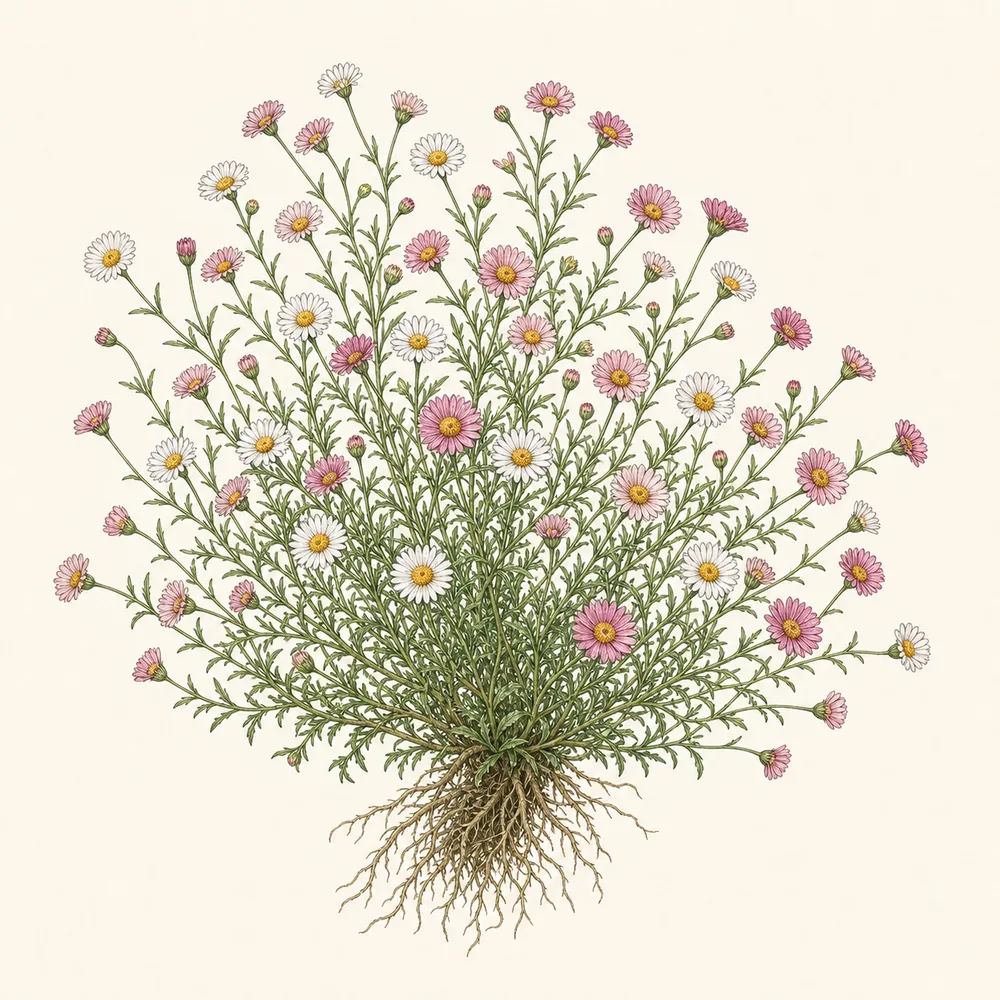
Mexican Fleabane
A tireless little daisy that opens white and fades to pink, flowering from late spring until the first hard frost. It self-seeds into wall cracks, paving joints and steps, softening hard edges with almost no effort — one of the easiest, longest-flowering plants you can grow.
Not listed by ASPCA
The ASPCA doesn't list Mexican fleabane (Erigeron), so we don't stamp it safe. It has no serious toxicity on record. With no database entry we flag the gap honestly rather than guess.
Care at a glance
Everything that matters, in six lines. The detail is further down.
Light
Wants all the sun it can get — the more light, the more flowers, and the more it seeds itself around a sunny wall or path.
Water
Once its roots are into a crack it fends for itself; it thrives in dry, sharply drained spots where little else survives.
Hardiness
Reliably hardy in milder and coastal gardens; in cold, wet inland spots it may cut back hard but usually reseeds itself back.
Habit
Forms loose, wiry mounds that tumble out of walls and along path edges rather than standing upright in a border.
Feeding
It flowers hardest on poor, lean ground. Feeding just gives soft, floppy leaf — leave it hungry and it performs.
Soil
The sharper the drainage the better — gravel, wall crevices, and paving joints suit it perfectly. It hates sitting wet.
What to do, and when
New growth breaks from the base and self-sown seedlings appear in cracks. First flowers open from late spring in a sheltered spot.
The full flush: hundreds of little daisies, white ageing to pink, non-stop through summer. Nothing to do but enjoy it.
It keeps flowering until the first real frost. Leave the faded growth and any seedheads over winter for self-sowing.
Cut back or knocked down by cold, but the roots and scattered seed survive. Shear off tatty growth in late winter to tidy up.
The plant that grows itself
Mexican fleabane is about as low-maintenance as a flowering plant gets. Give it a sunny spot with sharp drainage and it will flower for months on end — often from May right through to the first frosts — with no feeding, no staking and barely any watering.
Its whole charm is that it colonises hard places. Seed drifts into the gaps in walls, steps, gravel and paving, and germinates in cracks you'd think nothing could grow in. The result is that soft, self-sown, cottage-garden look on stonework and path edges that's almost impossible to plant deliberately.
Getting it established
The easiest start is a couple of pot-grown plants set at the base or top of a wall, in gravel, or in a paving gap. Water them just while they root in — after that they're on their own. Within a season or two they'll be seeding into the surrounding cracks by themselves.
You can also scatter seed directly into crevices in spring, wedging a little gritty compost in with it to hold moisture while it germinates. Because it's such a keen self-seeder, one or two established plants soon become a whole colony without any further help.
Tough love keeps it flowering
The mistake people make is being too kind to it. In rich, damp soil it grows lush and floppy and flowers less; on a hot, dry, starved wall it flowers itself silly. Poor and dry is exactly what it wants.
The only real job is a hard shear in late winter or early spring — cut the whole plant back close to the base to clear the tired old growth, and it bounces back fresh for another long season. If it self-seeds somewhere you don't want it, the shallow-rooted seedlings pull out in seconds.
Common problems
Seeding a bit too freely
Its great virtue can also be a nuisance in gravel and paving. It's never aggressive, though — unwanted seedlings are shallow-rooted and pull out easily by hand while young.
Leggy, sparse flowering
Usually too rich or shady a spot, or old woody growth. Move it somewhere sunnier and leaner, and shear it hard in late winter to force fresh, floriferous growth.
Dying out in a cold, wet winter
It dislikes cold combined with wet feet. Sharp drainage is the answer — in a crevice or gravel it shrugs off far more cold than it would in heavy, soggy soil, and self-sown seed usually returns it anyway.
Rotting in heavy ground
Planted in rich, damp border soil it can rot off at the base. Give it grit, a wall, or a gravelly bed instead of trying to grow it like a normal perennial.
Everything Mexican fleabane needs
A sunny wall or gravel, sharp drainage, and a hard shear each spring.
We take no commission on anything in the "save your money" tier — if we don't think you should buy it, we don't link it. How our recommendations work
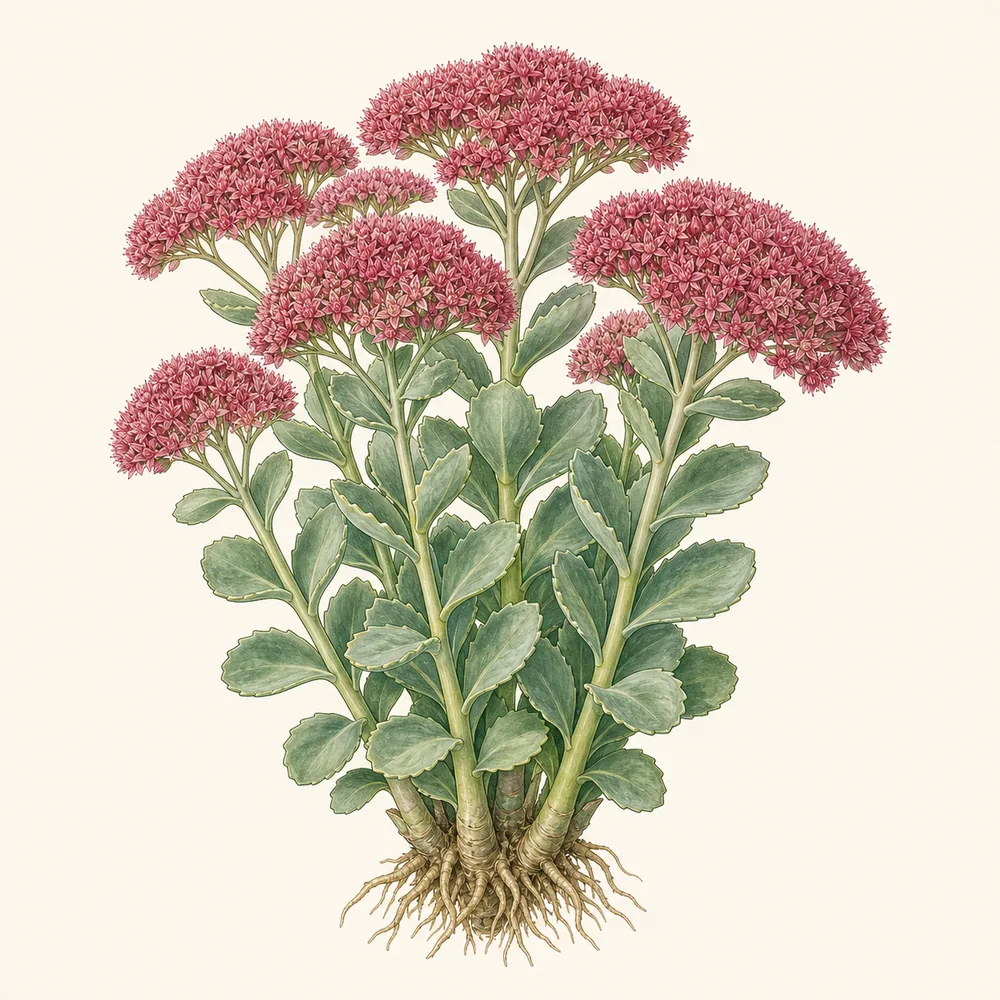
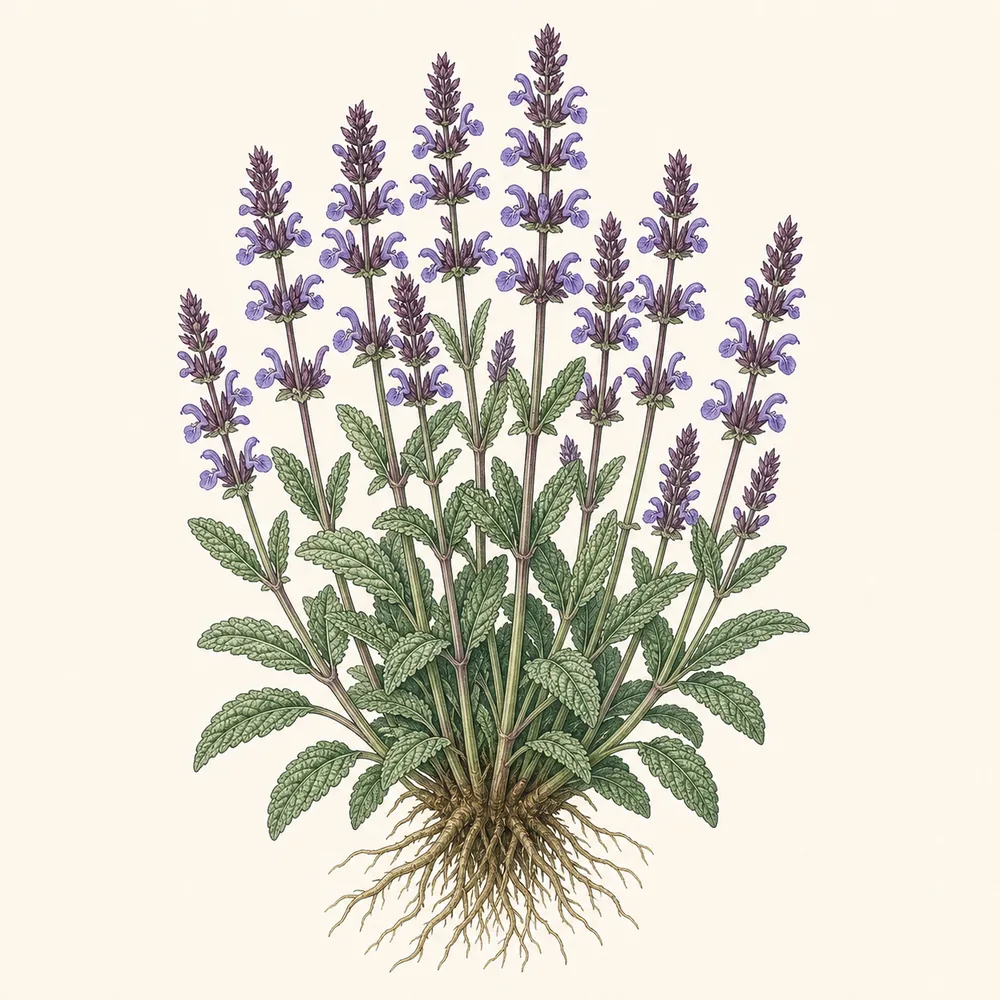
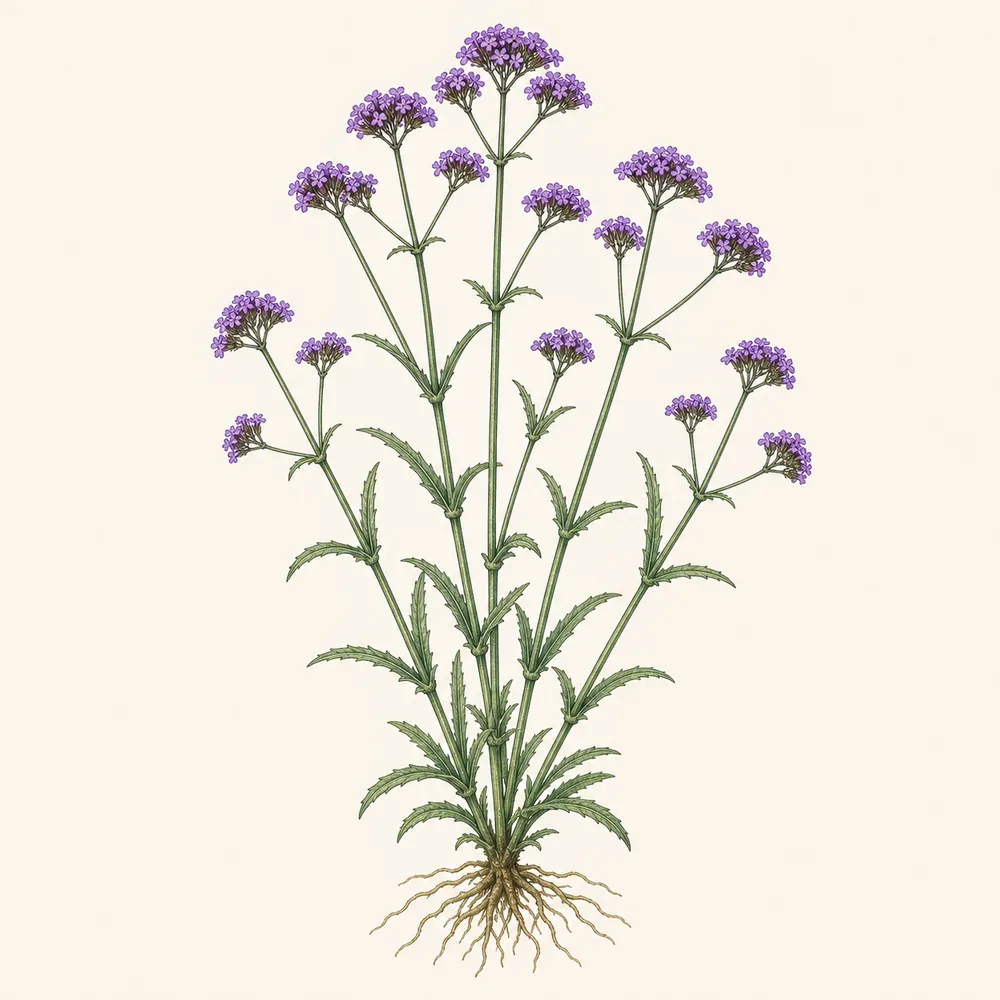
If you like this, try
Other plants with a similar temperament.
How we checked this
Care cross-checked against the RHS. The ASPCA does not list Mexican fleabane (Erigeron), so its pet-safety is unconfirmed and we have not stamped it safe. If our page and these sources ever disagree, believe them — and tell us.
Sources: RHS · ASPCA — toxic & non-toxic plants
Last reviewed · August 2026