Magnolia
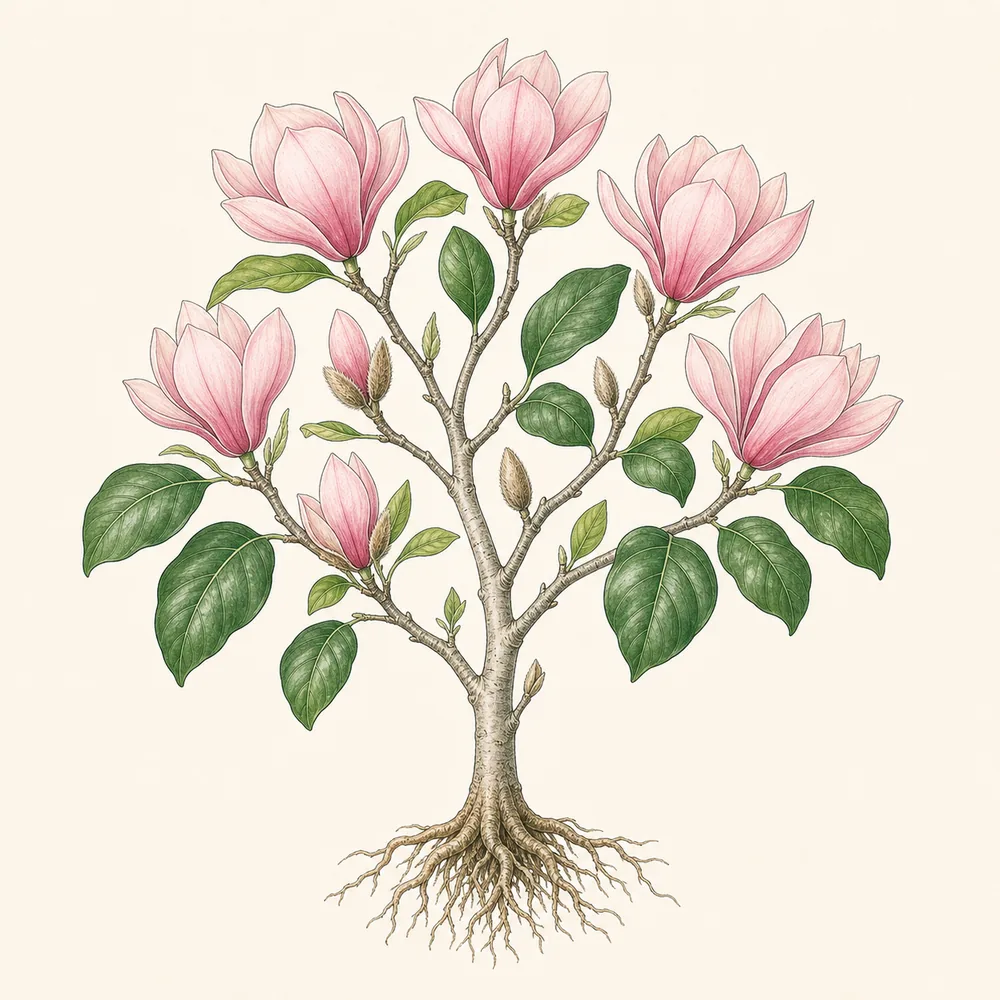
The star magnolia is the ideal magnolia for a normal garden — a slow, compact shrub or small tree smothered in starry white flowers on bare branches in early spring. Easy and undemanding once settled; the only real gamble is a late frost catching those precious early blooms.
Non-toxic to cats, dogs & horses (ASPCA)
The magnolia (star magnolia) is listed as non-toxic to cats, dogs and horses on the ASPCA database (as 'Magnolia Bush', Magnolia stellata). A safe choice for gardens with pets — nibbled foliage is no cause for concern.
Care at a glance
Everything that matters, in six lines. The detail is further down.
Position
Full sun or light dappled shade, with shelter from cold winds. Avoid an east-facing spot where early sun thaws frosted blooms too fast and browns them.
Water
Keep young plants well watered through their first few summers. Established magnolias cope with dry spells but appreciate a soak in a long drought.
Hardiness
The plant is fully hardy, but the early flowers are frost-tender. A sheltered spot away from frost pockets protects the display.
Soil
Happiest on humus-rich, moist but well-drained soil that's neutral to slightly acid. It tolerates a little lime but struggles on shallow chalk.
Feeding
A yearly mulch of leaf mould or compost is usually enough. Feed young plants lightly in spring; avoid heavy nitrogen, which pushes leaf over flower.
Pruning
Slow-growing and best left largely unpruned. If you must shape it, do so in midsummer to limit bleeding; remove only dead, damaged or crossing branches.
What to do, and when
The show — starry white flowers open on bare branches from March, before the leaves. Watch the frost forecast and fleece a small plant on cold nights to save the display.
Leaves are fully out and next year's furry flower buds form at the shoot tips. Keep young plants watered, mulch to hold moisture, and do any light pruning now.
Growth slows and leaves turn butter-yellow before falling. A good planting window while the soil is warm and moist — settle in container-grown plants now.
Dormant, with the silvery, felted flower buds already visible and waiting. Firm in any newly planted specimens lifted by frost and leave pruning until summer.
Star magnolia is the one for small gardens
Many magnolias become large trees, but Magnolia stellata stays a compact, slow-growing shrub or small tree, often no more than 2.5–3m after many years. That makes it the sensible magnolia for a normal-sized garden or even a large pot.
It flowers young and reliably — a bonus over some big magnolias that make you wait a decade. The many-petalled white stars open on bare branches in early spring, followed by a neat, well-behaved plant that asks very little for the rest of the year.
Protecting the early blooms from frost
The one weakness is timing. Those beautiful flowers open early, before the leaves, when hard frosts are still likely, and a bad frost turns the white petals to brown mush overnight — the plant is fine, but the year's display is lost.
Two things help. First, site it well — a sheltered spot out of frost pockets and away from early-morning east sun, which thaws frozen petals too fast. Second, on a small plant, throw horticultural fleece over the buds on nights when frost is forecast, then take it off by day.
Slow, but almost no work
Magnolias resent disturbance and have fleshy, easily damaged roots, so plant them where they can stay, handle the rootball gently, and don't dig around them once they're in. Container-grown plants establish more reliably than bare-root.
After that they're genuinely low-maintenance: a yearly mulch, water while young, and almost no pruning. If you do cut, do it in midsummer to reduce bleeding, and only to remove dead or awkward branches — hard pruning ruins the natural shape.
Common problems
Flowers browned overnight
Frost damage on the early blooms — the classic magnolia disappointment. Site out of frost pockets and away from morning sun, and fleece small plants on frosty spring nights.
Yellowing leaves
Often chlorosis on soil that's too alkaline, or drought stress. Mulch with leaf mould, keep the roots moist, and on chalky ground consider growing it in a container.
Few or no flowers on a young plant
Star magnolia flowers young, but a recently planted or over-fed one may hold back. Give it time, avoid high-nitrogen feed, and make sure it isn't in too much shade.
Poor growth after planting
Magnolias hate root disturbance and waterlogging. Plant into moist, well-drained soil, don't dig around the roots, and never let it sit in wet, heavy ground.
Everything a star magnolia needs
A sheltered spot, moist rich soil, and fleece on hand for frosty spring nights.
We take no commission on anything in the "save your money" tier — if we don't think you should buy it, we don't link it. How our recommendations work
If you like this, try
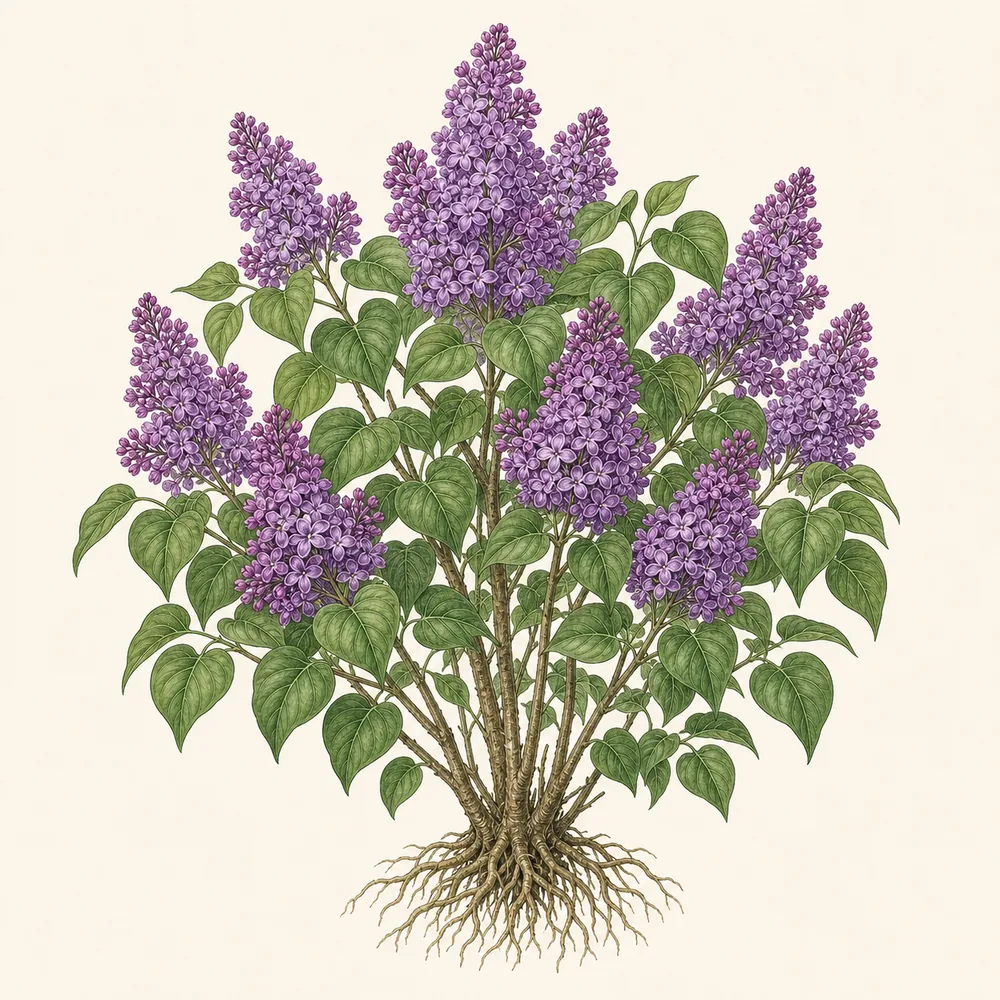
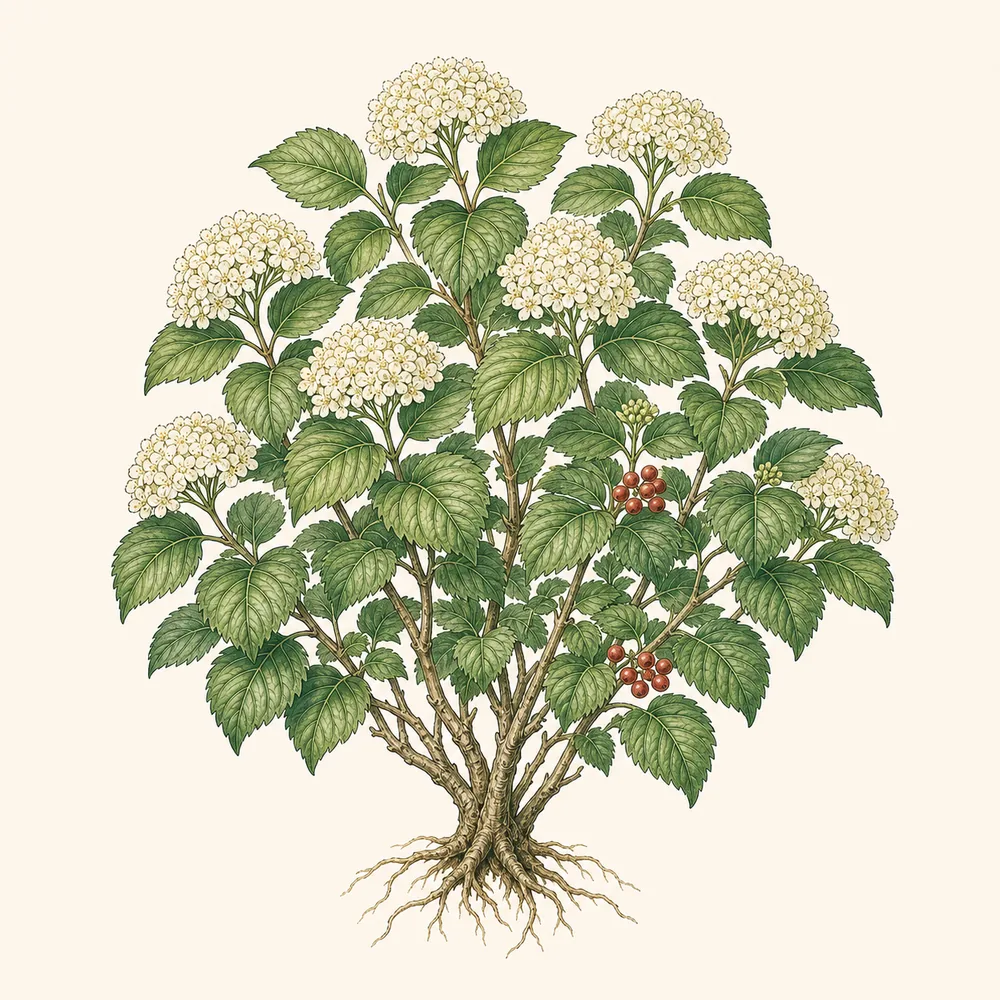
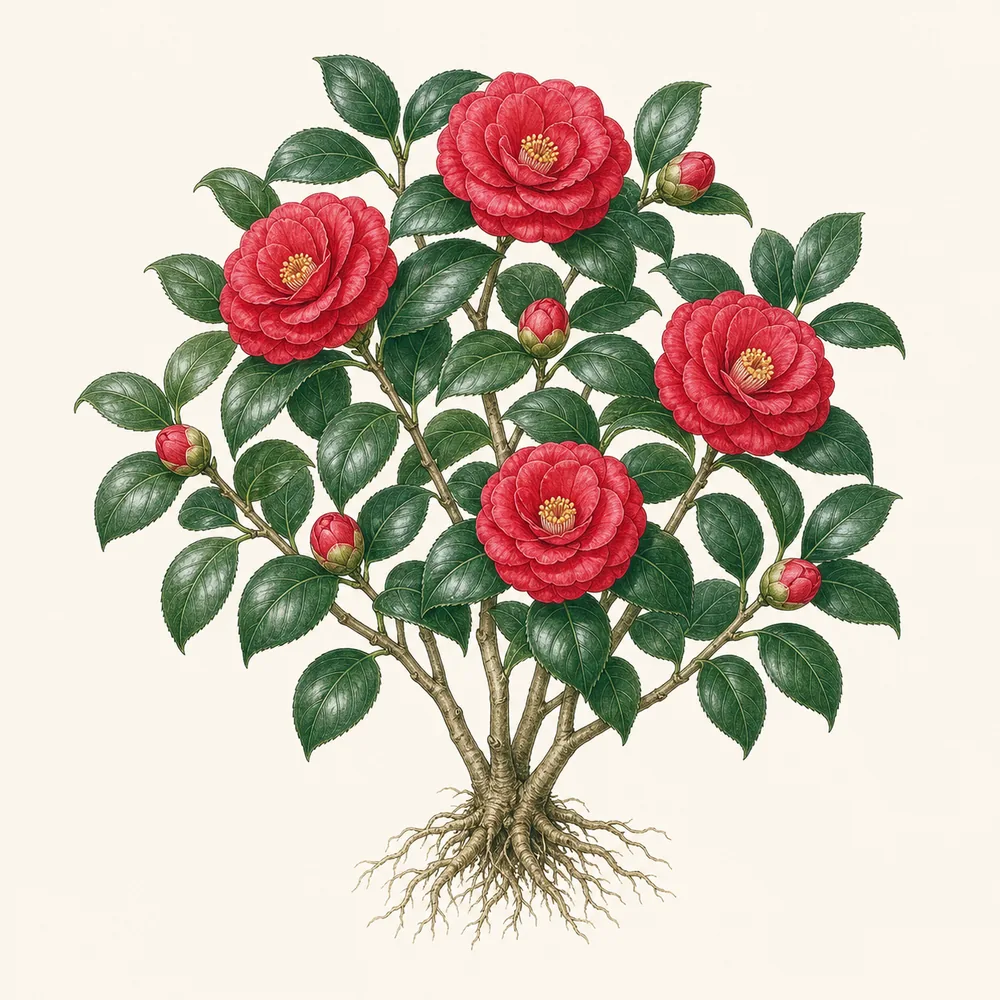
Other plants with a similar temperament.
How we checked this
Care cross-checked against the RHS. Non-toxicity taken from the ASPCA database, which lists the Magnolia Bush (Magnolia stellata) as non-toxic to dogs, cats and horses. If our page and these sources ever disagree, believe them — and tell us.
Sources: RHS · ASPCA — toxic & non-toxic plants
Last reviewed · August 2026