
Lettuce
The quickest, most rewarding crop for a beginner. Sow a short row every few weeks and you can pick fresh leaves for months — the loose-leaf kinds regrow after cutting, so a little sowing goes a long way.
Not listed by ASPCA
The ASPCA doesn't list lettuce, so we don't stamp it safe. It's a common salad crop with no known serious toxicity, but without a database entry we flag the gap rather than assume safety.
Care at a glance
Everything that matters, in six lines. The detail is further down.
Light
Happy in full sun in spring and autumn; in high summer a little afternoon shade stops it bolting so fast.
Water
Keep the soil consistently moist. Dry roots make leaves bitter and push the plant to run to seed.
Temperature
Sow little and often outdoors from March to August; germination struggles in hot soil above about 25 °C.
Spacing
Thin hearting types to a hand's width; loose-leaf can be grown closer and picked leaf by leaf.
Feeding
In reasonable soil it needs no feeding; a general feed only if growth is slow on poor ground.
Soil
Any decent soil with some compost worked in and reliable moisture will grow good lettuce.
What to do, and when
Prime sowing time. Start under cloches from March, then sow a short row outdoors every two to three weeks.
Keep sowing in the cool of morning and water well. Choose bolt-resistant summer varieties and give a little shade.
Sow hardy winter types like 'Winter Density' now, and protect later sowings with cloches as nights cool.
Overwintered and covered lettuce ticks over slowly. Pick sparingly, and start early sowings under cover late winter.
Sow little and often
The classic lettuce mistake is sowing a whole packet at once and getting forty hearts that all mature the same week. Instead, sow a short row every two to three weeks through the season for a steady supply.
Loose-leaf and cut-and-come-again mixes are even more forgiving — pick the outer leaves and the plant keeps producing from the centre, so a single sowing feeds you for weeks.
Beat the bolt
In hot, dry weather lettuce 'bolts' — it shoots up a flower stem, and the leaves turn bitter and coarse. Heat and dryness at the roots are the triggers.
Water consistently, sow in the cool of the morning, give summer sowings a little afternoon shade, and choose varieties described as bolt-resistant. In the hottest weeks, loose-leaf types cope far better than tight-hearting ones.
Sowing tricks for hot soil
Lettuce seed goes dormant in warm soil and won't germinate well above about 25 °C — which is why midsummer sowings often fail.
Sow in the late afternoon, water the drill well to cool it, and if a heatwave hits, start seed in modules in a cool, shaded spot and plant out the young seedlings once it's cooler.
Common problems
Bolting (running to seed)
Heat and dry roots. Water steadily, sow bolt-resistant varieties, and give summer crops a little afternoon shade.
Slugs and snails
The number one lettuce pest, worst on young seedlings. Pick off after dark, use barriers, and clear damp hiding places.
Bitter leaves
Usually heat stress or over-mature plants. Keep moisture even and pick young; loose-leaf types stay sweeter longer.
Poor germination in summer
Soil too warm for the seed. Sow in the cool of evening, water the drill, or start in modules in the shade.
Everything a lettuce patch needs
A little seed sown often, steady moisture, and slug defences.
We take no commission on anything in the "save your money" tier — if we don't think you should buy it, we don't link it. How our recommendations work
If you like this, try
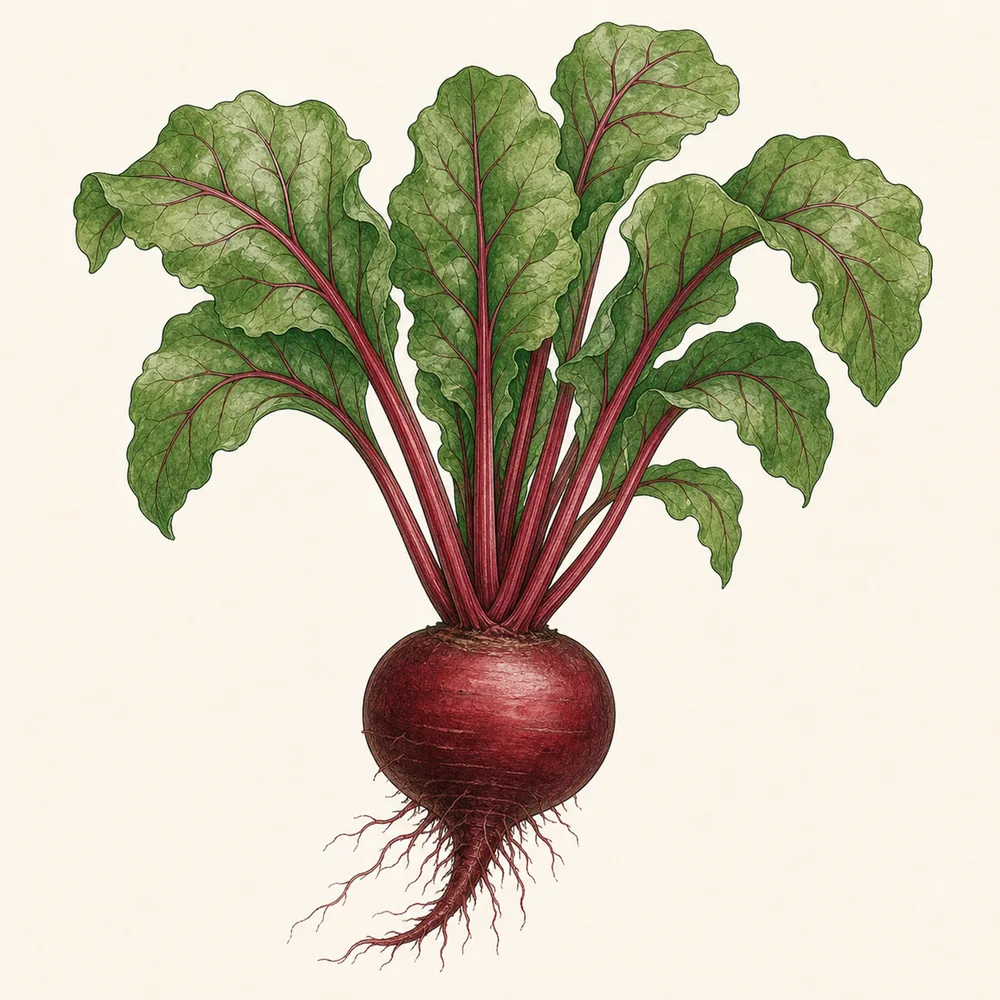
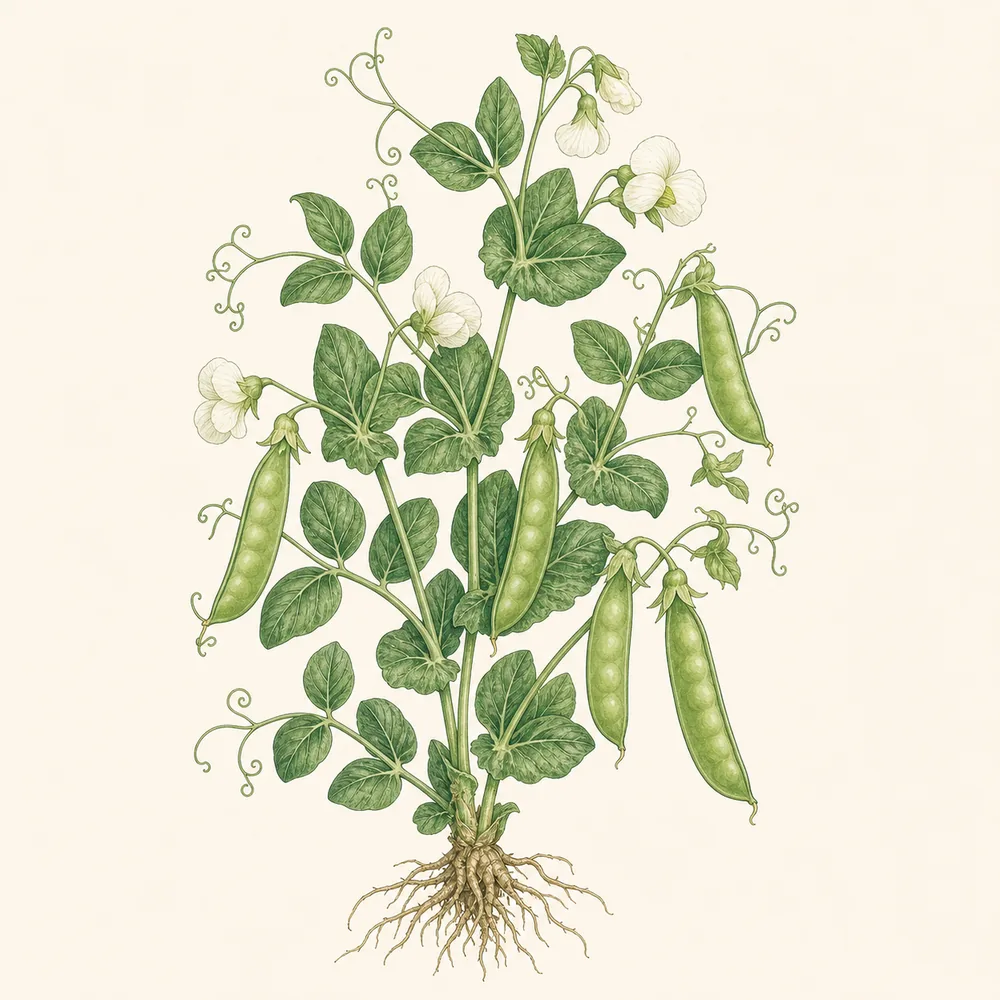
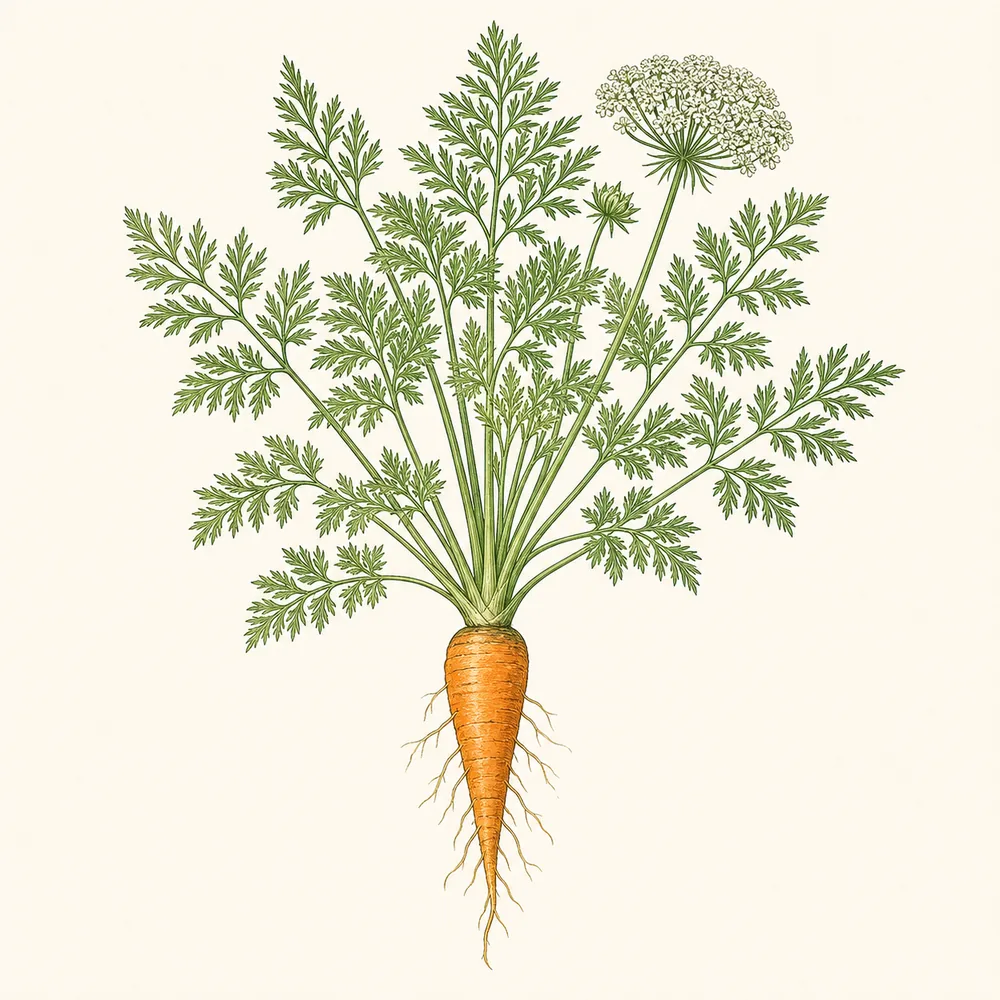
Other plants with a similar temperament.
How we checked this
Care cross-checked against the RHS. The ASPCA does not list lettuce, so its pet-safety is unconfirmed and we have not stamped it safe. If our page and these sources ever disagree, believe them — and tell us.
Sources: RHS · ASPCA — toxic & non-toxic plants
Last reviewed · July 2026