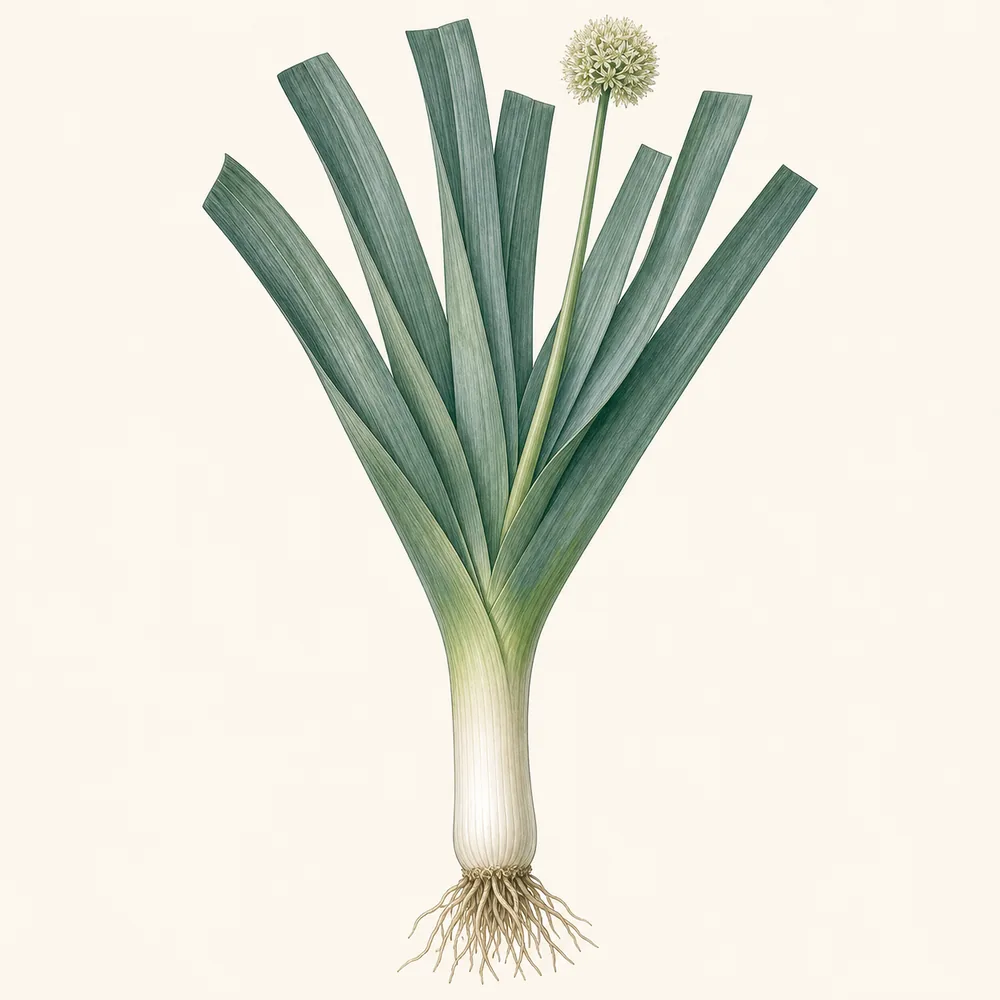
Leek
The backbone of the winter veg plot — hardy, dependable and standing happily in cold, wet ground when little else does. Sow in spring, transplant into deep holes, and harvest from autumn right through to spring.
Toxic to cats & dogs — an allium
Leeks (Allium) are in the onion family and toxic to cats and dogs (ASPCA): they damage red blood cells and can cause haemolytic anaemia, with signs often delayed by a day or more. Keep the plants and trimmings away from pets.
Care at a glance
Everything that matters, in six lines. The detail is further down.
Light
An open, sunny site gives the best stems, though leeks tolerate a little shade better than onions do.
Water
Water well after transplanting and through dry spells; leeks are thirstier than onions and won't bulk up in dry ground.
Temperature
Among the hardiest winter crops — stands through hard frost and snow, so you harvest fresh from the ground for months.
Spacing
Transplant seedlings a hand's width apart; wider spacing gives fatter leeks, closer gives more, slimmer ones.
Feeding
Leeks like fertile ground; a general feed through summer keeps them growing steadily for thick, tender stems.
Soil
A deep, rich soil that holds moisture suits them; dig in plenty of organic matter before planting.
What to do, and when
Sow seed in a seedbed or module trays from March to April. Keep the seedlings watered as they grow to pencil thickness.
Transplant pencil-thick seedlings from June into deep dibber holes. Water them in and keep the bed weed-free.
Early varieties are ready to lift from autumn. Earth up or blanch the stems for a longer white shank.
The mainstay of the plot — hardy leeks stand through frost. Lift as needed straight from the frozen ground.
The dibber-hole trick for long white stems
The prized part of a leek is the long white shank, and you get it by planting deep. When seedlings reach pencil thickness, make a hole about 15 cm deep with a dibber and simply drop one seedling into each — don't backfill with soil.
Instead, water each hole in, which washes just enough soil over the roots. As the leek grows and fills the hole, the buried portion stays blanched white and tender.
Blanch for more of the good bit
To lengthen the white shank still further, draw dry soil up around the stems as they grow — 'earthing up' — a little at a time through autumn. Some growers slip a cardboard collar round each stem instead to keep the blanched part clean.
Take care not to let soil fall down between the leaves, or you'll find grit inside when you cook them. Earth up in stages rather than all at once.
A crop that waits for you
Leeks are the most patient thing on the plot. Once mature they stand in the ground for months without spoiling, so there's no glut to deal with — you lift them one or two at a time, right through the coldest weather.
Choose a mix of early and late varieties and you can be pulling leeks from autumn until the following spring, easing each one up with a fork rather than tugging it out.
Common problems
Leek moth
Larvae tunnel into the leaves and stems, leaving pale windowing and rotting centres. Grow under fine insect mesh from planting to keep the moths off.
Leek rust
Bright orange pustules on the leaves in damp summers. Space plants for airflow, avoid too much nitrogen, and rotate; lightly affected leeks are still edible.
Thin, spindly stems
Usually transplanted too small, too dry, or in poor soil. Wait for pencil-thick seedlings, plant in rich ground and keep them watered.
Bolting
A hard flower stem forms, often after cold or from over-wintered plants left too long. Use it up promptly — the core goes woody once it bolts.
Everything a leek bed needs
Rich soil, a dibber for deep holes, and a little patience over the winter.
We take no commission on anything in the "save your money" tier — if we don't think you should buy it, we don't link it. How our recommendations work
If you like this, try
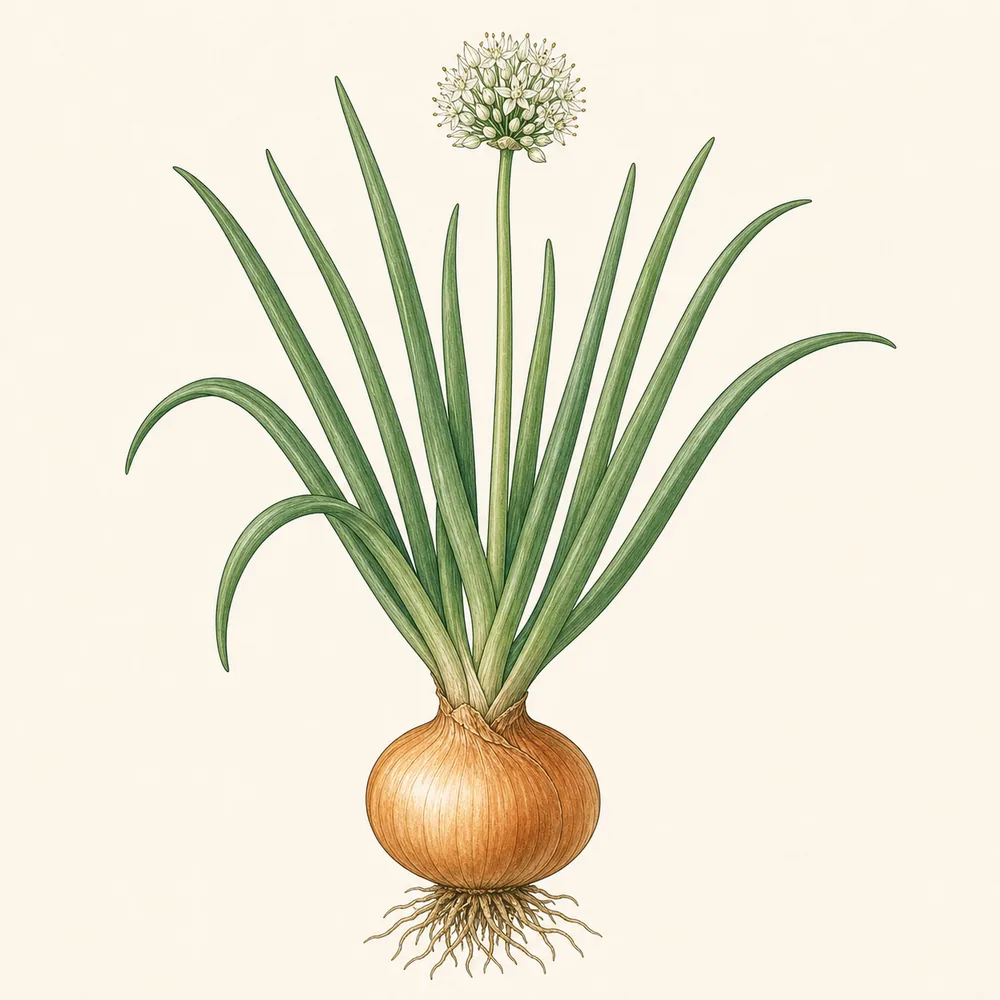
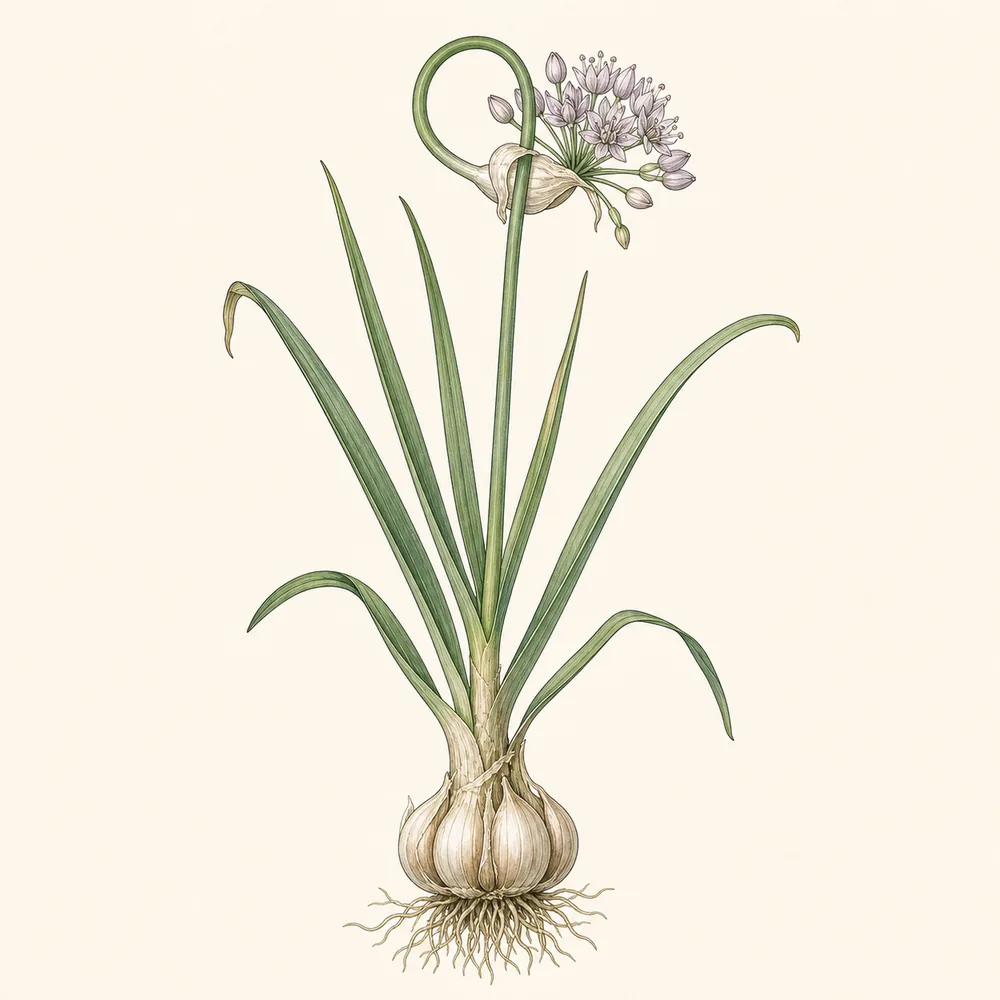
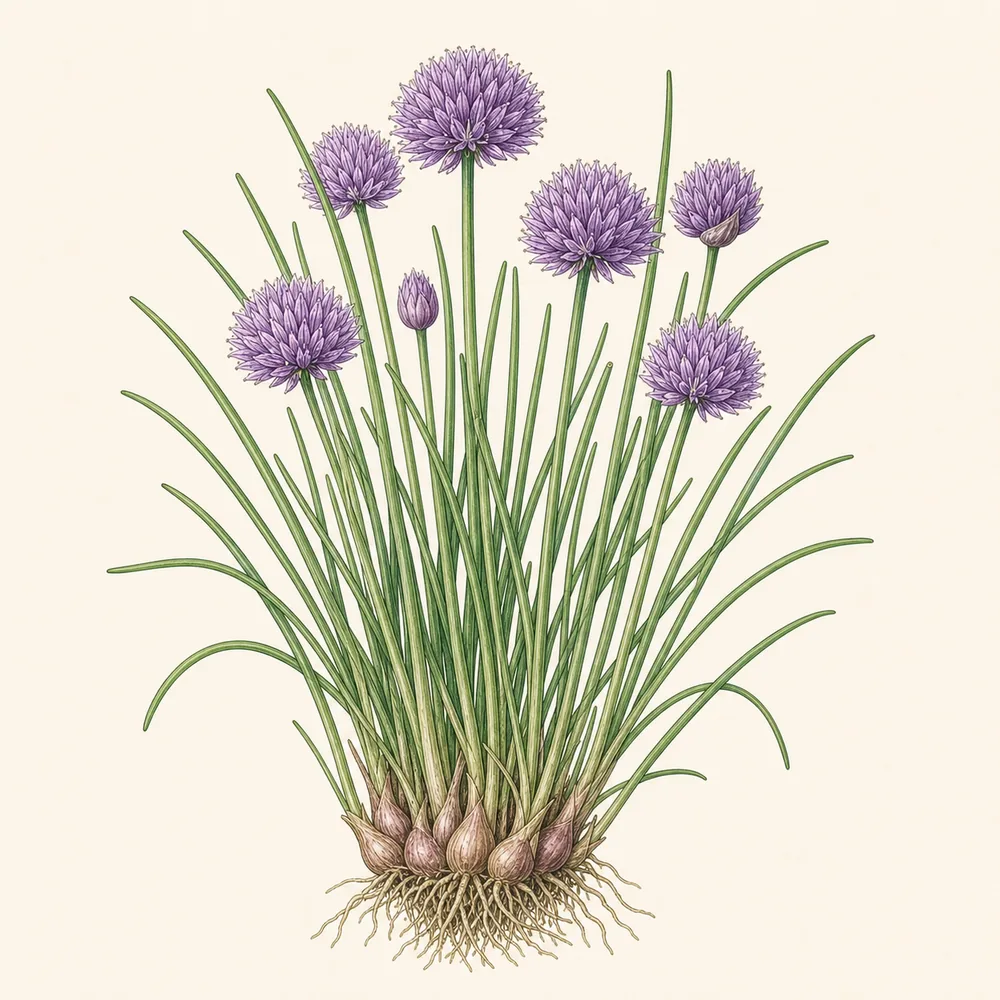
Other plants with a similar temperament.
How we checked this
Care cross-checked against the RHS. Toxicity taken from the ASPCA database, which lists leek (Allium) as toxic to cats and dogs — haemolytic anaemia, often with delayed onset. If our page and these sources ever disagree, believe them — and tell us.
Sources: RHS · ASPCA — toxic & non-toxic plants
Last reviewed · July 2026