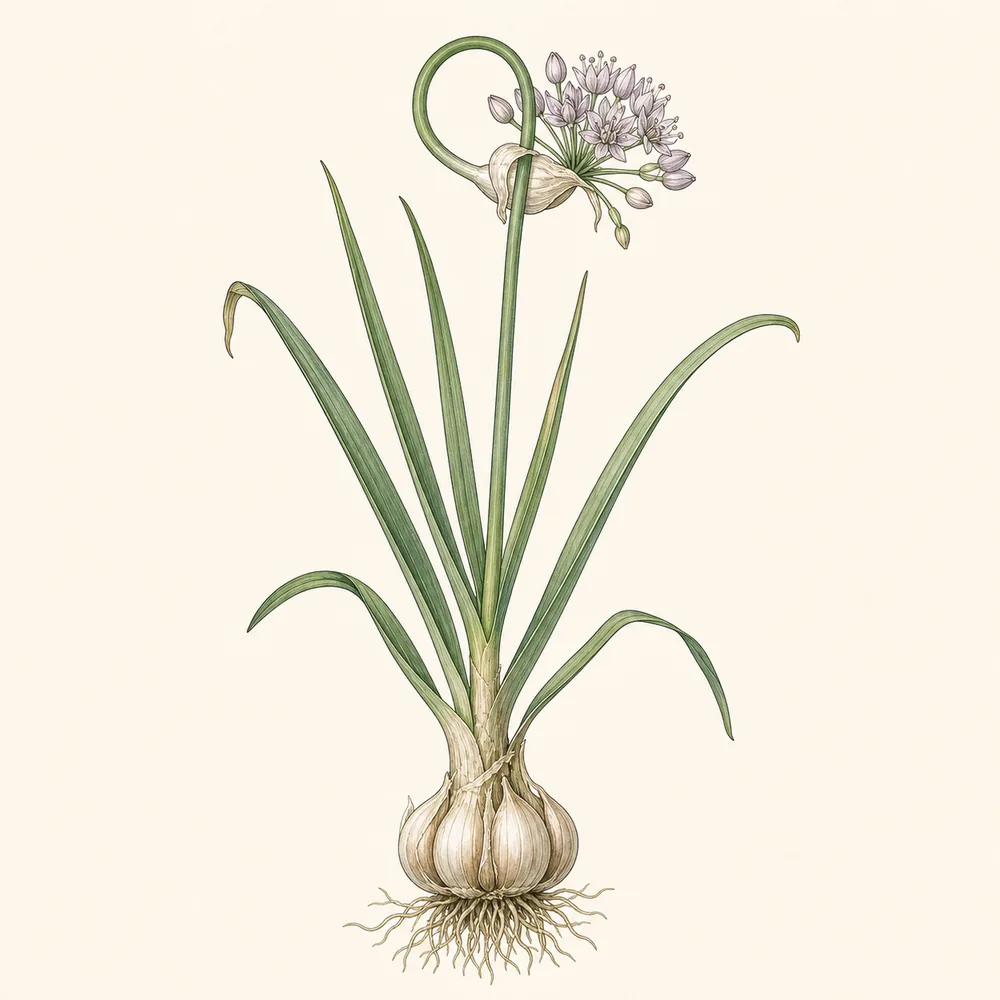
Garlic
Push a clove into the soil in autumn, and by the following summer it's a whole bulb — one of the most satisfying and low-effort crops there is. Home-grown garlic keeps for months and comes in flavours no supermarket sells. Just know that the plant that seasons your cooking is genuinely dangerous to your pets.
Toxic to cats and dogs — and it works slowly
Garlic, like all onions and their relatives, is toxic to cats and dogs: the ASPCA lists N-propyl disulfide, which destroys red blood cells and causes anaemia, weakness, blood in the urine and a racing heart. The dangerous twist is timing — the damage can peak two to three days after eating, so a pet that seems fine at first may collapse later. Never let dogs or cats eat garlic (raw, cooked or in leftovers), keep harvested bulbs out of reach, and if a pet does eat some, call the vet straight away rather than waiting for symptoms. Source: ASPCA.
Care at a glance
Everything that matters, in six lines. The detail is further down.
Position
An open, sunny spot. Garlic dislikes shade and crowding, both of which invite disease.
Soil
Well-drained soil that doesn't sit wet in winter. Don't plant into recently manured ground — it can rot the bulbs.
Water
Water during spring dry weather as bulbs swell; ease off as they mature, and stop before harvest.
Feeding
A light feed in early spring boosts leafy growth, which drives bulb size. Don't overdo it.
Harvest
Lift in summer once about half the leaves have gone yellow — don't wait for them all to die, or bulbs split.
Hardiness
Autumn-planted garlic actually needs a cold spell to split into a proper multi-clove bulb. Frost is a friend here.
What to do, and when
Green shoots grow away. Feed lightly with nitrogen, keep weeds down, and water in dry spells as the bulbs begin to form.
Harvest time: lift when half the leaves yellow, then dry the bulbs in an airy, sunny spot for a couple of weeks before storing.
The main planting season. Split a bulb into cloves and plant them pointy-end up, in a sunny, well-drained bed.
Autumn-planted cloves sit through the cold getting the chilling they need. Little to do but keep the bed weed-free.
The delayed danger every pet owner should know
Garlic sits in an odd blind spot: it's a healthy, everyday food for us, so it's easy to forget it's a real poison for cats and dogs. It belongs to the allium family — onions, leeks, chives, shallots — all of which damage pets' red blood cells, and garlic is among the more concentrated of them.
The feature that makes it genuinely dangerous is the delay. The red-blood-cell damage builds over two to three days, so a dog that ate garlicky leftovers can seem completely fine the evening it happened and then become weak, breathless and unwell days later. That's why the rule is never to wait for symptoms: if a pet eats garlic — the plant, a bulb, or food containing it — ring the vet the same day.
One clove becomes a bulb
Garlic is the definition of a rewarding, easy crop. In autumn, split a bulb into individual cloves and push each one, pointy end up, a few centimetres into free-draining soil in a sunny spot. Over winter the cold triggers each clove to divide, and by the following summer you lift a whole new bulb — a tenfold return for almost no effort.
Use proper 'seed garlic' bought for planting rather than a supermarket bulb: it's certified disease-free and suited to the British climate, and hardneck types even give you edible flower stalks ('scapes') in early summer as a bonus crop. Dry the harvested bulbs well and a good garlic harvest stores in the kitchen for months.
Common problems
Bulbs small or single (not split)
Not enough cold, planted too late, or too little sun. Plant in autumn for the chilling it needs; give it full sun.
Orange pustules on leaves (rust)
Common in mild damp springs. Improve airflow and don't over-feed nitrogen; harvest is usually still fine.
Bulbs rotting in the ground
Wet soil or fresh manure. Grow in free-draining ground; lift promptly once leaves yellow, and dry well.
Bulbs splitting apart
Left in too long. Harvest when about half the leaves have yellowed, not when they've all died down.
Everything garlic needs
A bulb of seed garlic and a sunny bed. Barely a crop at all in terms of effort.
We take no commission on anything in the "save your money" tier — if we don't think you should buy it, we don't link it. How our recommendations work
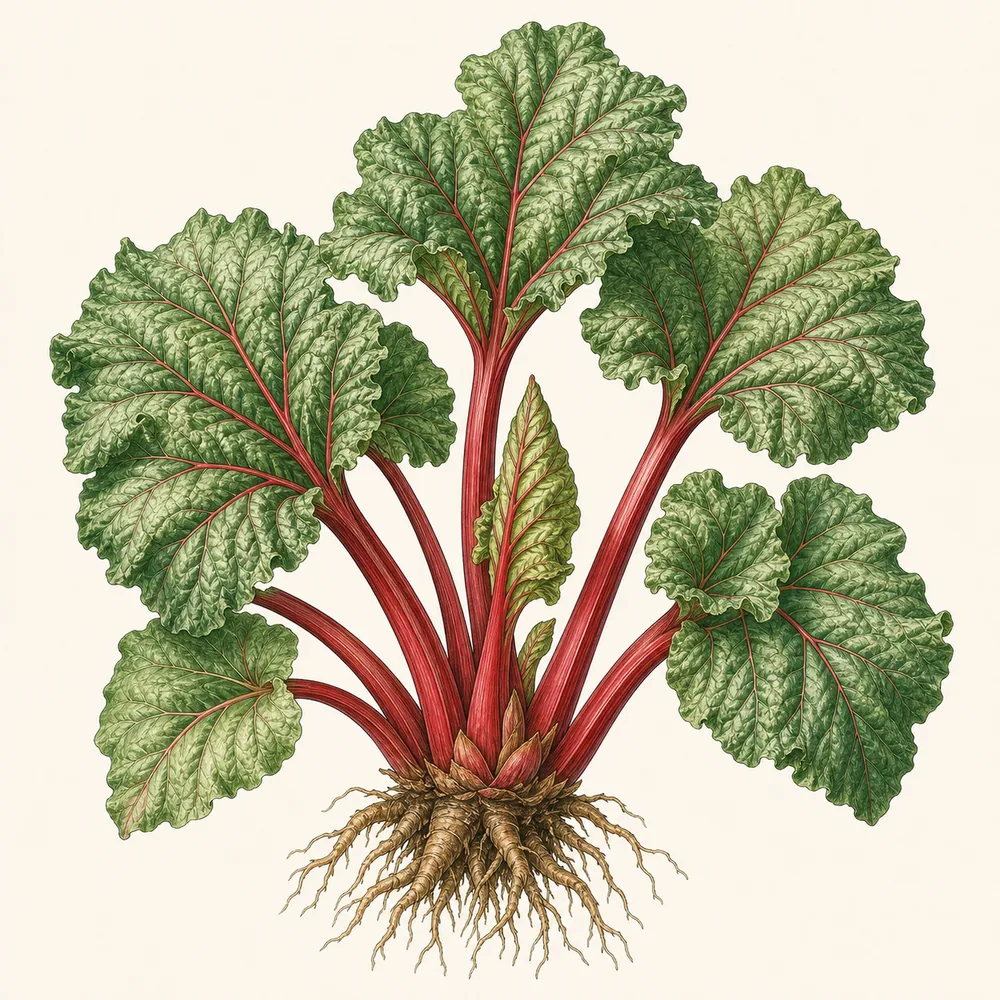
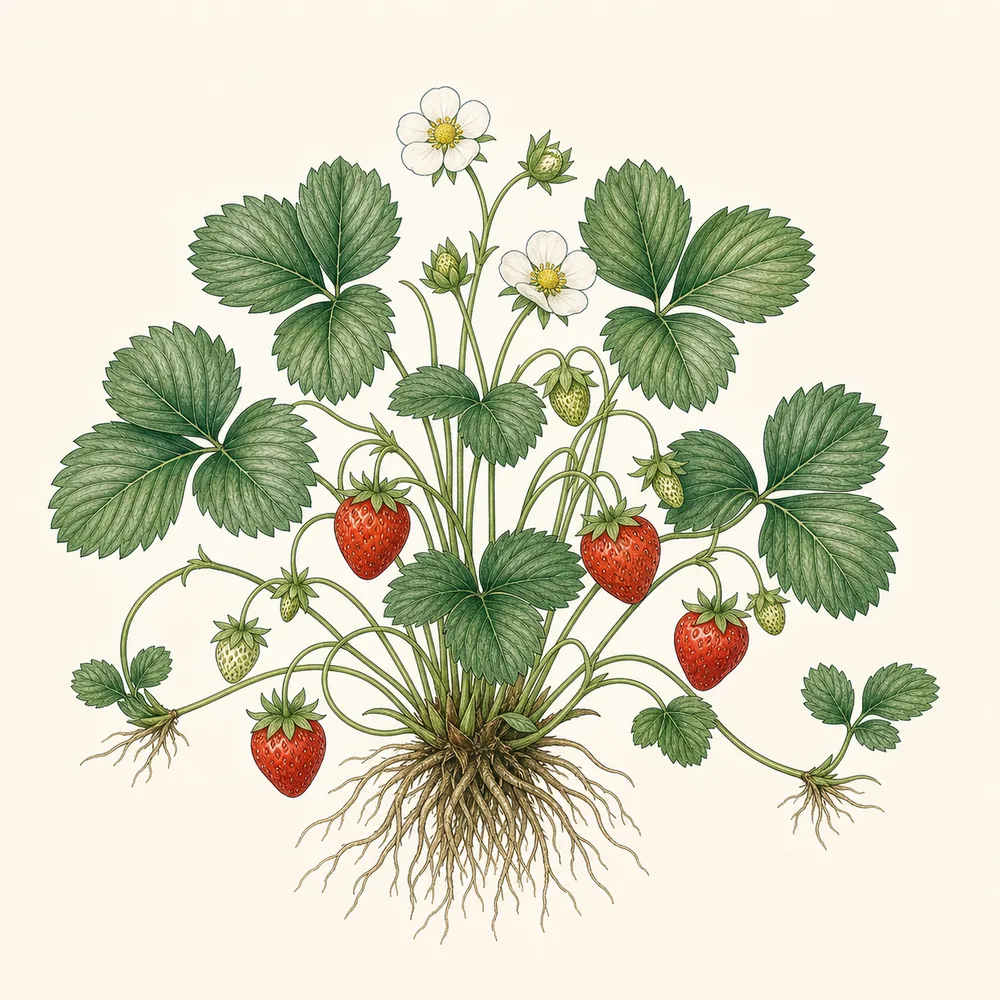
If you like this, try
Other plants with a similar temperament.
From the Notebook
Seasonal notes and guides that mention the garlic.
How we checked this
Care guidance cross-checked against the Royal Horticultural Society and NC State Extension. Toxicity confirmed against the ASPCA database, which lists garlic (Allium sativum) as toxic to cats, dogs and horses via N-propyl disulfide (haemolytic anaemia, blood in urine, weakness, high heart rate); the delayed onset of red-blood-cell damage is well documented across the allium family. If our page and the ASPCA ever disagree, believe them and tell us. If our page and these sources ever disagree, believe them — and tell us.
Sources: RHS · NC State Extension · ASPCA
Last reviewed · July 2026