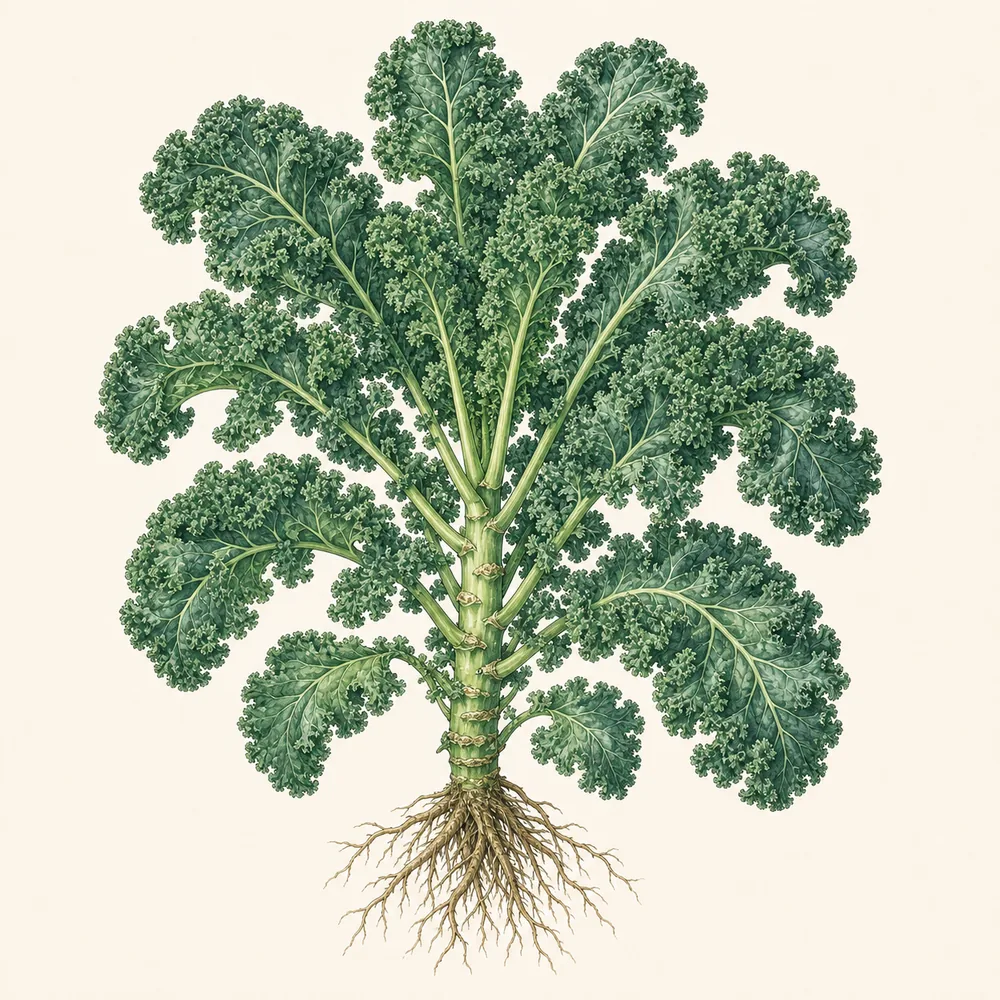
Kale
The most forgiving winter vegetable there is — sow in summer and it stands right through the cold, giving fresh leaves when little else is growing. A frost even sweetens the flavour. Almost foolproof.
Not listed by ASPCA
The ASPCA doesn't list kale, so we don't stamp it safe. It's a brassica eaten widely; large amounts of raw brassica can upset some animals, and with no entry we note the gap rather than assume.
Care at a glance
Everything that matters, in six lines. The detail is further down.
Light
Grows best in an open, sunny spot but tolerates light shade better than most vegetables.
Water
Keep young plants well watered until settled; established plants are tough and need little in cool weather.
Temperature
Sow spring to early summer; plants shrug off hard frost, and a frost actually sweetens the leaves.
Spacing
Plant out firmly with room to develop; brassicas hate loose soil and need to be planted good and firm.
Feeding
Grows well in reasonably rich soil; a nitrogen feed in late winter pushes fresh spring growth.
Soil
Likes a firm, fertile, limed soil; avoid recently dug loose ground, which encourages weak, floppy plants.
What to do, and when
Sow in a seedbed or modules from March to May. Give overwintered plants a nitrogen feed to push fresh growth.
Plant out young plants firmly from early summer, water them in well, and net against cabbage white butterflies.
Plants bulk up for winter. Start picking the lower leaves once established, working from the bottom up.
Prime season — pick young leaves through the cold; a frost sweetens them. Firm any plants lifted by frost heave.
The easiest winter crop
Kale earns its place because it's genuinely hardy — it stands through frost, snow and cold that flatten most vegetables, giving you fresh greens through the leanest months. A hard frost even improves it, turning starches to sugars so the leaves taste sweeter.
Sow from spring to early summer in a seedbed or modules, then transplant the young plants to their final spacing. That long growing season lets them build sturdy plants before winter.
Plant firm, pick from the bottom
Like all brassicas, kale wants to be planted firmly into ground that isn't freshly dug and fluffed up. Plant to the lowest leaves and press the soil down well with your heel or knuckles — loose roots give leggy, floppy plants that rock in the wind.
Harvest by picking the younger leaves from the bottom of the plant upwards, a few at a time, leaving the growing tip to keep producing. Picked this way a few plants crop for months without ever being 'finished'.
Keeping the caterpillars off
The main summer threat is the cabbage white butterfly, whose caterpillars can strip young plants to the ribs. The simplest defence is a barrier of fine insect mesh or netting over the crop from planting through late summer.
Check under the leaves for clusters of yellow eggs and rub them off before they hatch. By the time the cold sets in the butterflies are gone, and winter kale is largely trouble-free.
Common problems
Caterpillars stripping the leaves
Cabbage white butterflies in summer. Net or mesh the crop and rub off egg clusters from under the leaves.
Whitefly clouds under leaves
Common on brassicas but rarely serious. A firm spray of water knocks them back; winter cold clears them.
Plants rocking or falling over
Loose planting or wind on tall stems. Plant firmly, earth up the stems, and firm in after frost heave.
Clubroot (swollen, distorted roots)
A soil disease of brassicas. Lime the soil, improve drainage, and rotate so brassicas don't follow brassicas.
Everything a kale bed needs
Firm fertile soil, netting against butterflies, and patience.
We take no commission on anything in the "save your money" tier — if we don't think you should buy it, we don't link it. How our recommendations work
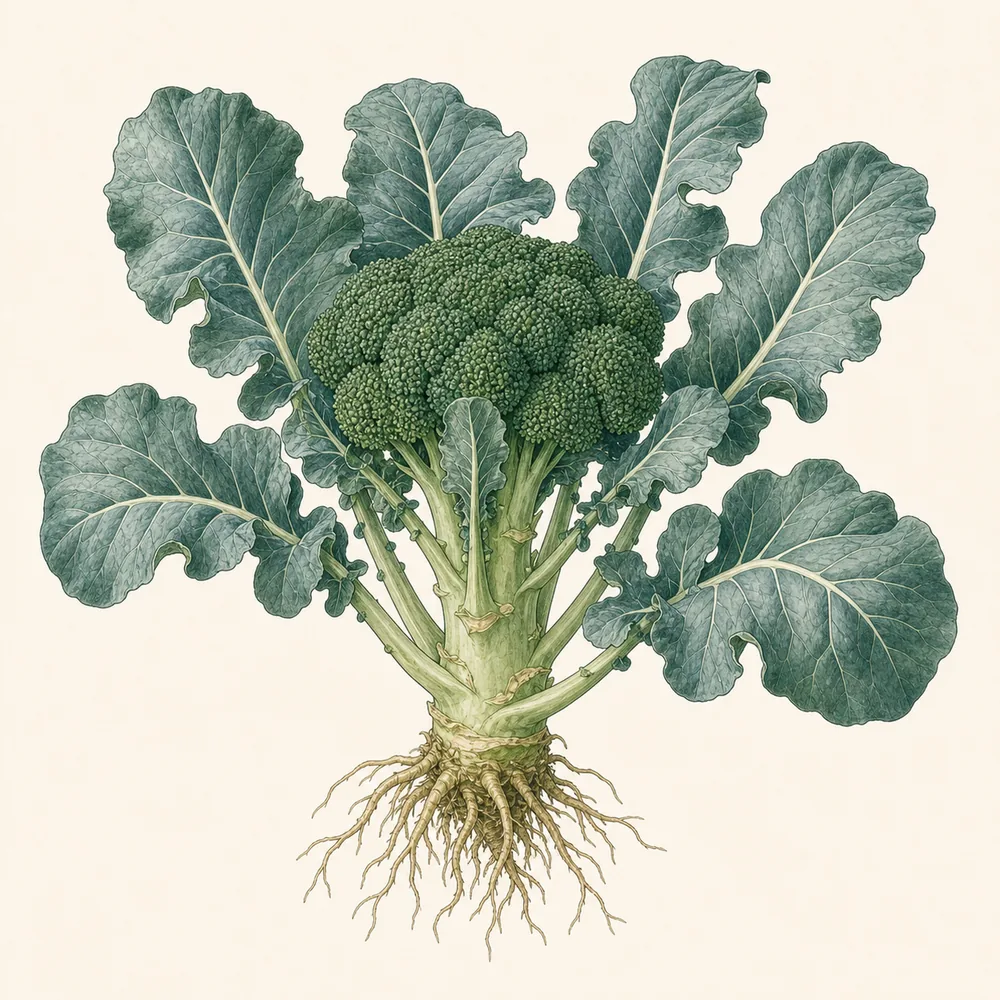
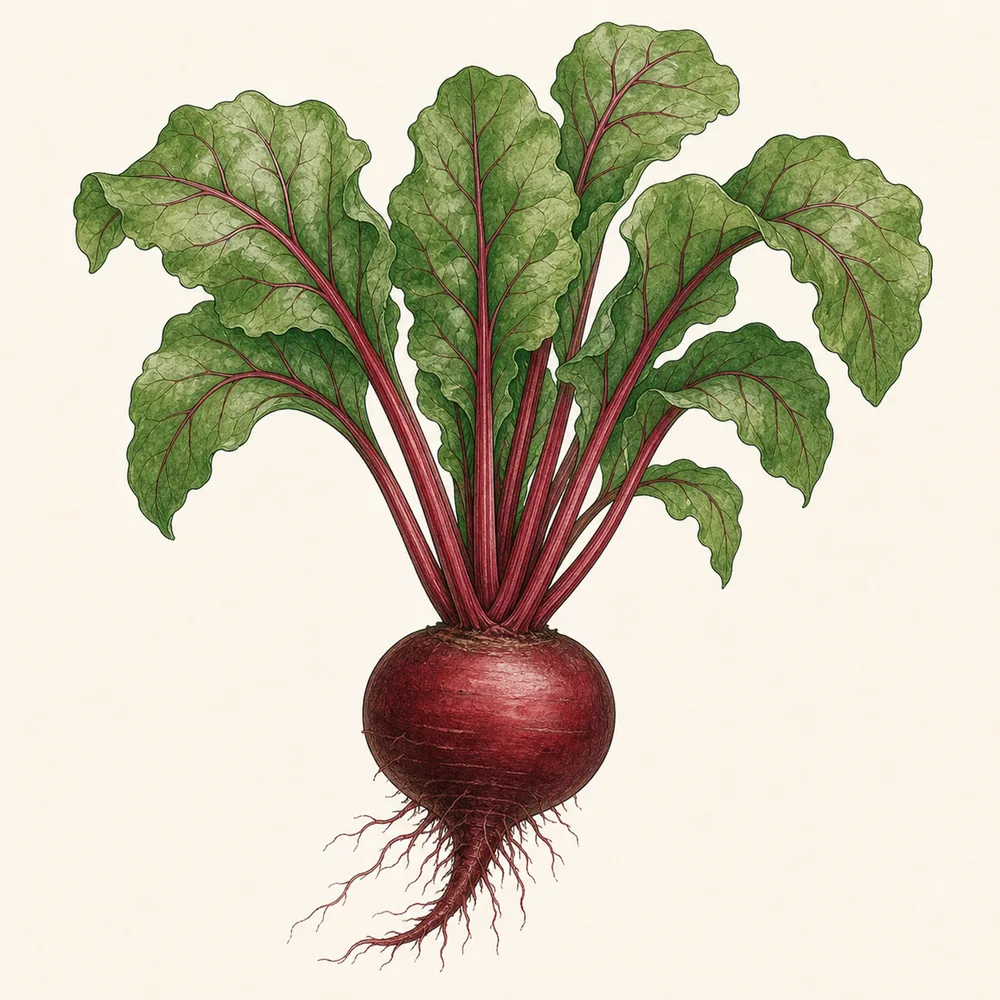
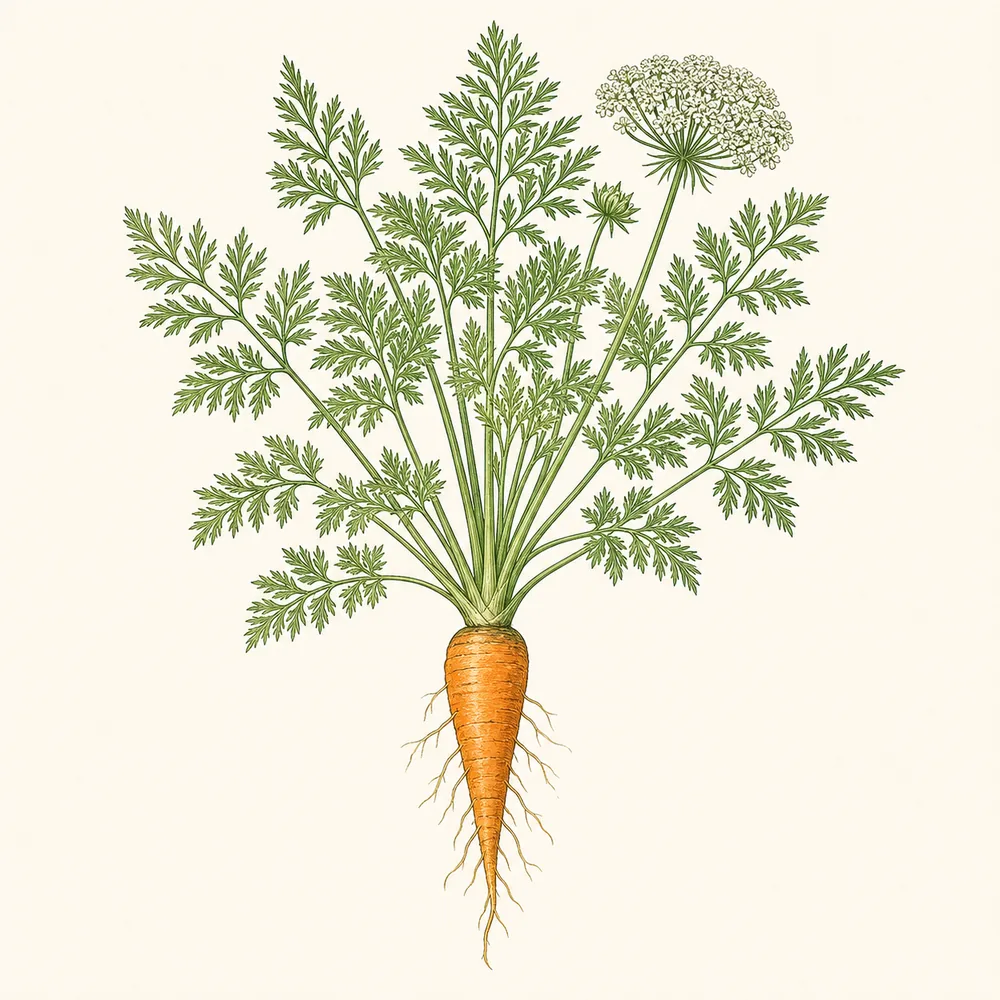
If you like this, try
Other plants with a similar temperament.
How we checked this
Care cross-checked against the RHS. The ASPCA does not list kale, so its pet-safety is unconfirmed and we have not stamped it safe. If our page and these sources ever disagree, believe them — and tell us.
Sources: RHS · ASPCA — toxic & non-toxic plants
Last reviewed · July 2026