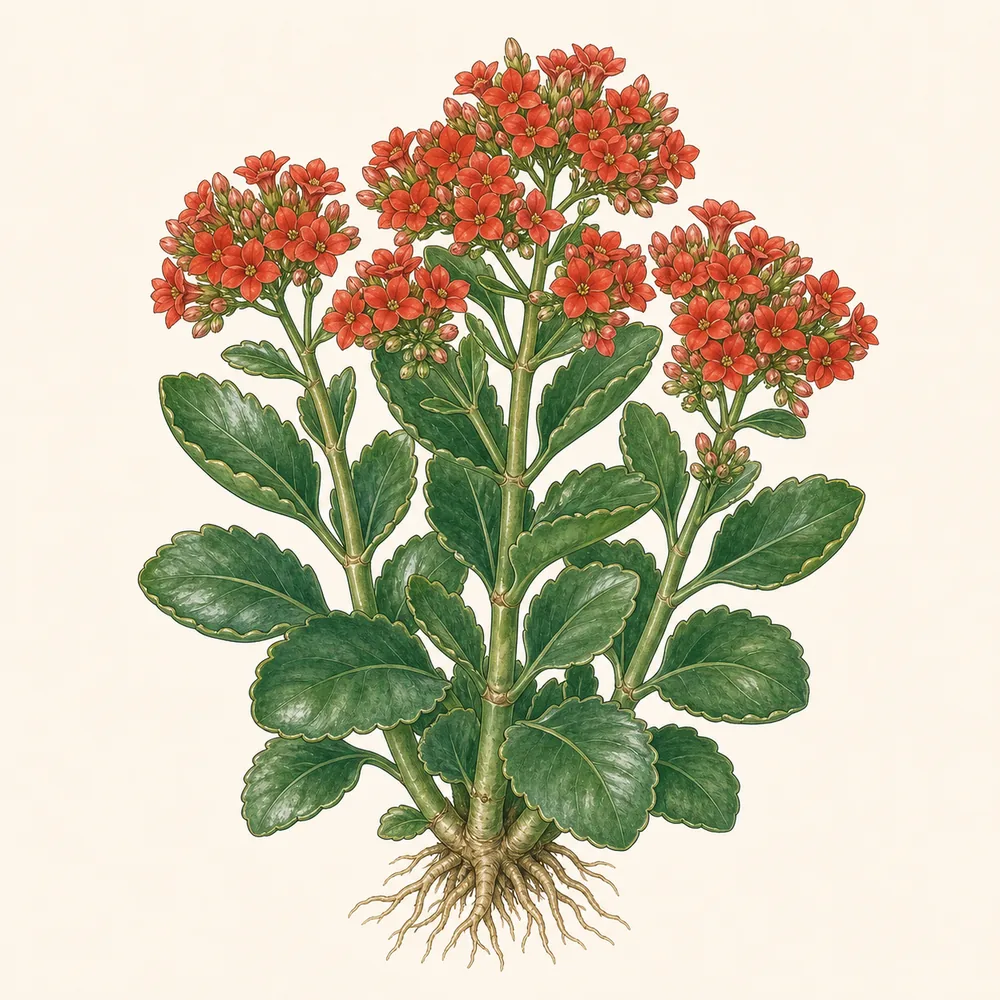
Kalanchoe
A succulent-leaved houseplant smothered in long-lasting clusters of small bright flowers. Easy and cheerful on a sunny windowsill — but toxic, so keep it away from pets.
Toxic to cats & dogs if eaten
Kalanchoe is listed as toxic to cats and dogs on the ASPCA database. It contains bufadienolides (cardiac glycosides): chewing usually causes drooling and vomiting, and larger amounts can affect the heart rhythm. Keep it out of reach of pets.
Care at a glance
Everything that matters, in six lines. The detail is further down.
Light
A sunny windowsill keeps it compact and flowering. Poor light makes it stretch and stop blooming.
Water
Treat it as a succulent — water thoroughly, then let the soil dry out before the next drink.
Temperature
Ordinary room warmth; not frost-hardy.
Humidity
Succulent leaves store water; dry household air suits it well.
Feeding
A weak feed monthly in spring and summer; a high-potash feed helps reblooming.
Soil
Cactus and succulent compost, or houseplant mix cut with grit.
What to do, and when
Growth resumes after flowering. Trim back spent flower stems and feed lightly.
Grow it on in bright light, watering only when dry; it rests a little in high summer heat.
Shortening days set flower buds — keep it in good natural light and don't leave a lamp on it at night.
Flowering season. Keep it bright, water sparingly, and enjoy the long-lasting blooms.
Getting it to flower again
Kalanchoe flowers in response to shortening days. After the first flush most people treat it as disposable, but it will rebloom if, for about six weeks in autumn, it gets long uninterrupted nights — 12–14 hours of darkness, undisturbed by lamps.
The rest of the year, just grow it as an easy succulent: lots of light, water only when dry, and a light feed in summer.
Water like a succulent
The thick leaves store water, so overwatering — not neglect — is the usual killer. Let the compost dry out between waterings and make sure the pot drains freely.
Deadhead spent flower clusters to keep it tidy and encourage more.
Common problems
Leggy, no flowers
Too little light, or night-time lamp light. Give it a sunny spot and dark autumn nights.
Soft, mushy stems
Overwatering. Let it dry hard and improve drainage.
Wrinkled leaves
Under-watered. Give it a proper soak.
Faded flowers
Natural end of the flush. Deadhead and feed for the next round.
Everything a kalanchoe needs
Sun, gritty soil and a dry-ish watering hand.
We take no commission on anything in the "save your money" tier — if we don't think you should buy it, we don't link it. How our recommendations work
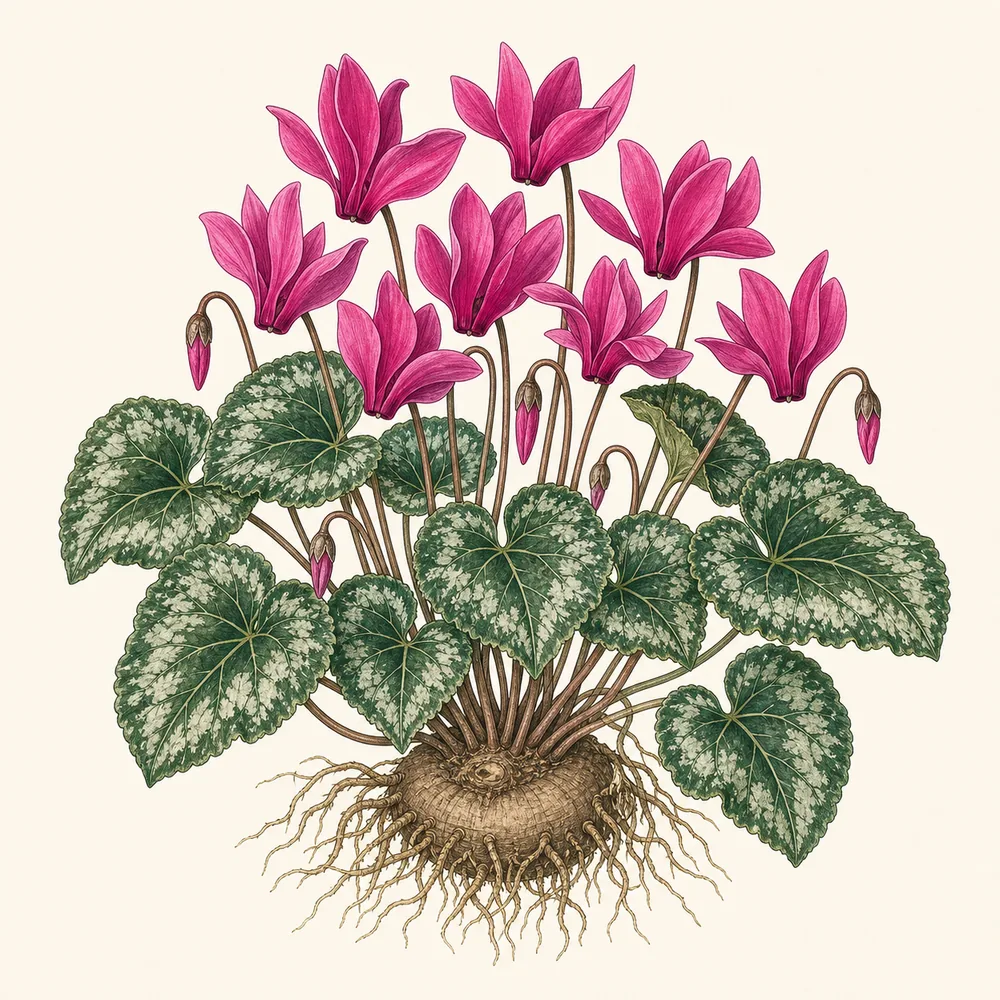
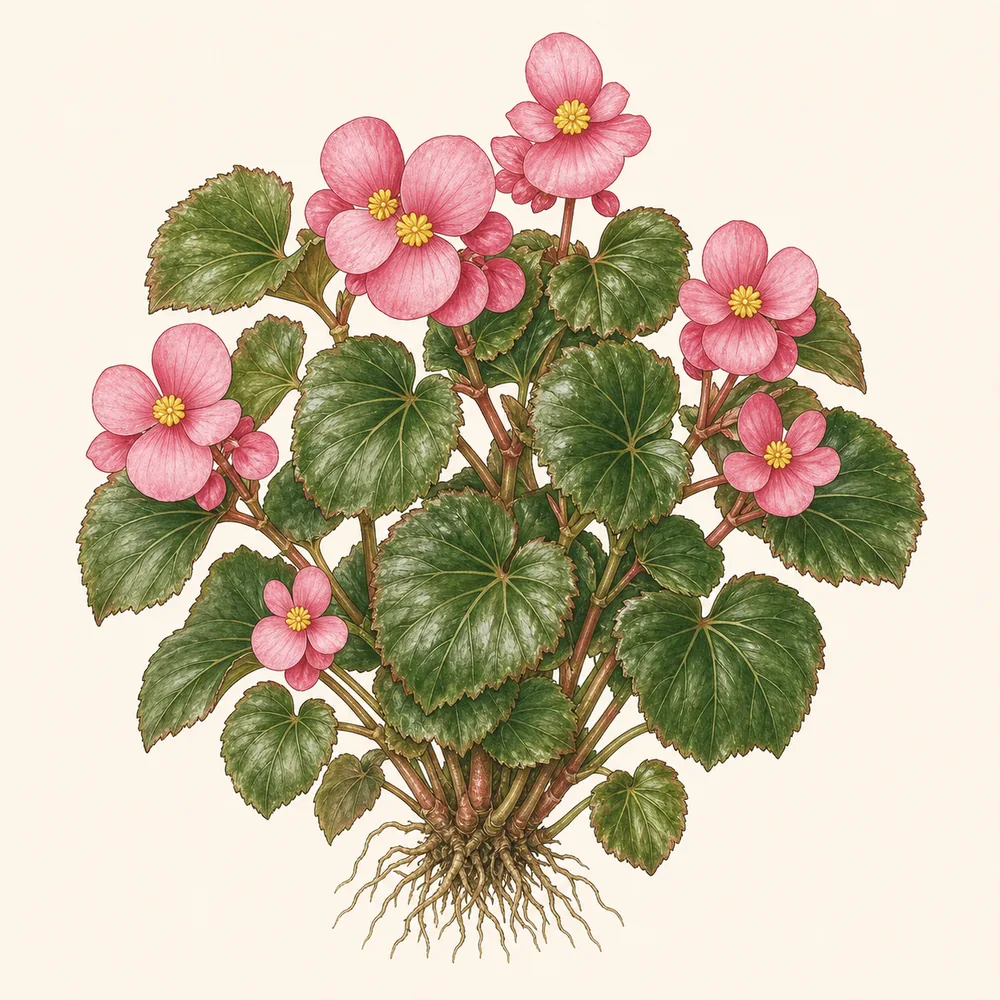
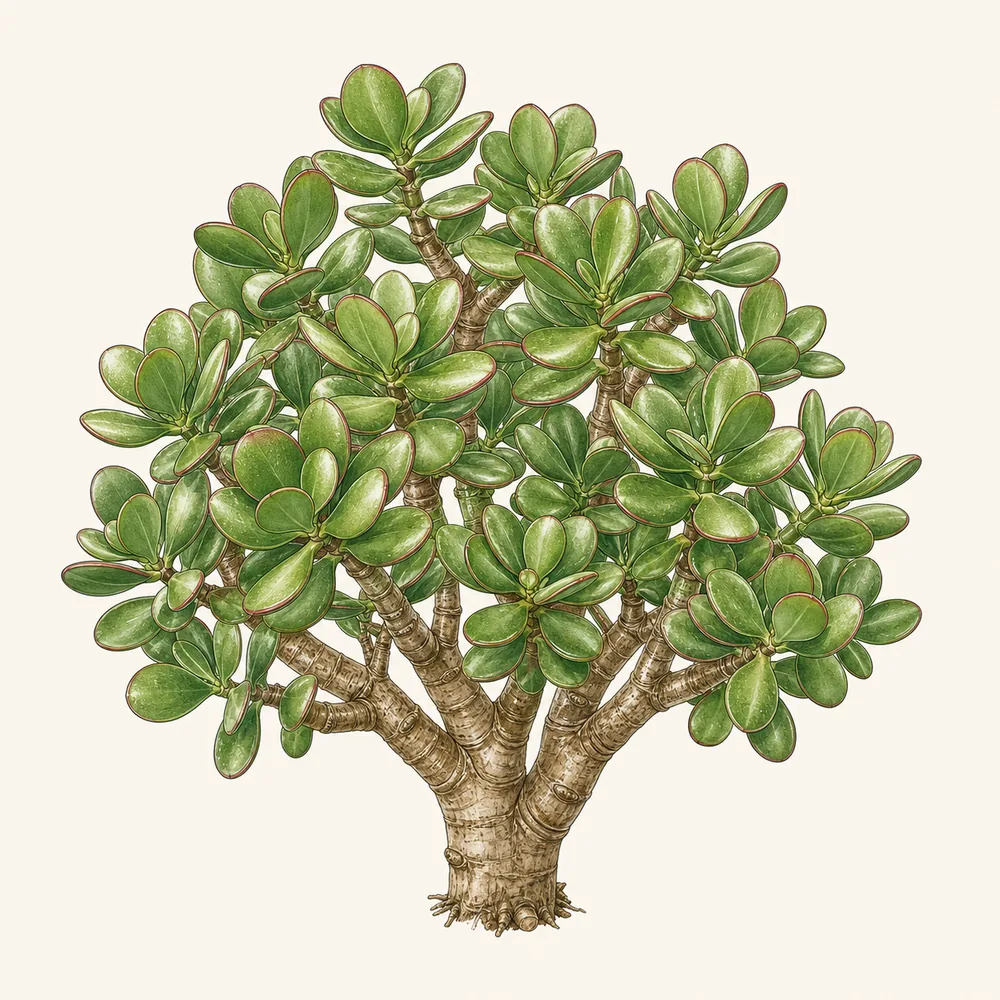
If you like this, try
Other plants with a similar temperament.
How we checked this
Care cross-checked against the RHS. Toxicity taken from the ASPCA database, which lists Kalanchoe as toxic to cats and dogs — bufadienolides that can affect heart rhythm in quantity. If our page and these sources ever disagree, believe them — and tell us.
Sources: RHS · ASPCA — toxic & non-toxic plants
Last reviewed · July 2026