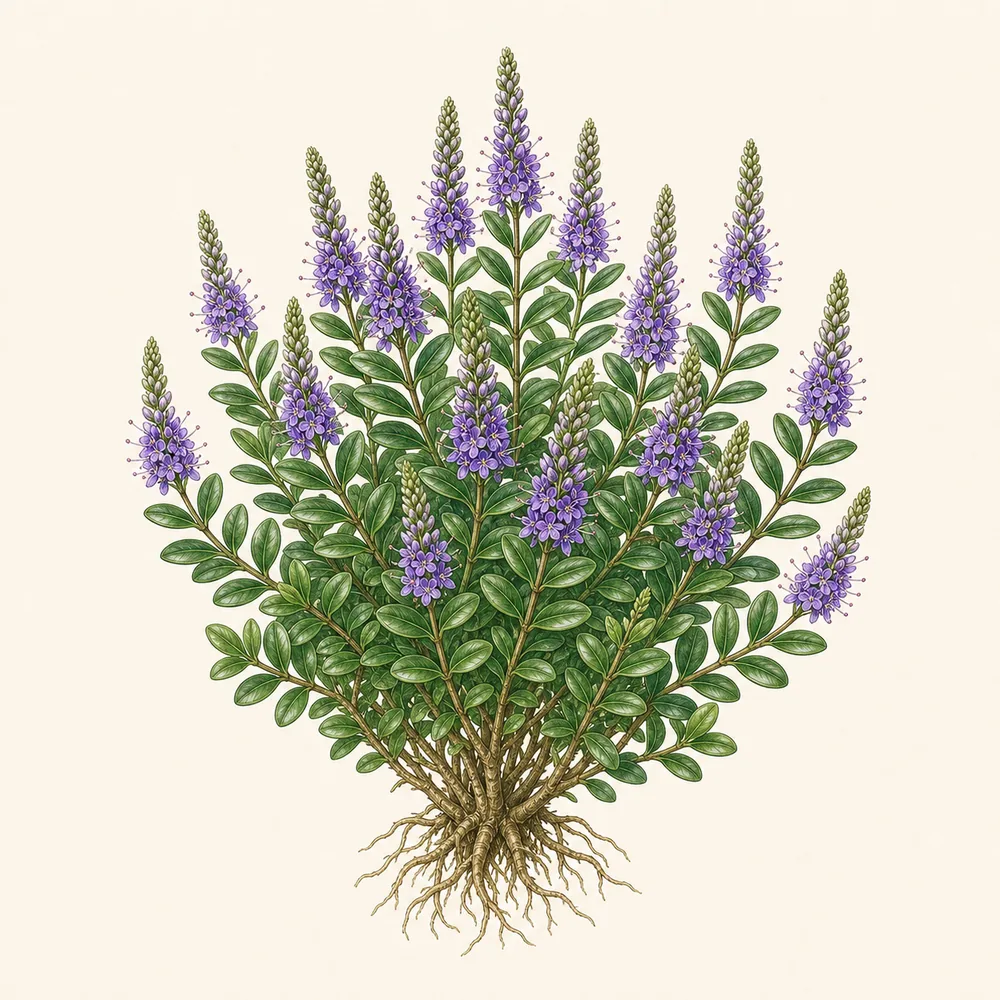
Hebe
Neat evergreen shrubs with tidy domes of foliage and long-lasting spikes of bee-friendly flowers. Easy and low-effort in a mild spot, though the showier large-leaved kinds can be cut back by a truly hard winter.
Not listed by ASPCA
The ASPCA doesn't list hebe, so we don't stamp it safe. With no database entry we flag the gap honestly rather than guess.
Care at a glance
Everything that matters, in six lines. The detail is further down.
Position
Give it full sun and shelter from cold, drying winds. A warm spot by a wall helps the tender large-leaved kinds through winter.
Water
Keep new plants watered in their first year. Established hebes are drought-tolerant and cope well with dry, poor soil.
Hardiness
Small-leaved forms are hardy; large-leaved, showy ones are tender and can be damaged or killed by a hard winter.
Soil
Unfussy on soil but insists on good drainage. Cold, wet feet in winter do far more harm than the cold itself.
Feeding
Hebes flower well on poor soil. A light spring mulch is plenty; rich feeding gives soft growth that's less hardy.
Pruning
Deadhead and lightly shape after flowering to keep it bushy. Avoid hard cuts into old bare wood, which seldom reshoots.
What to do, and when
New growth appears; wait until late spring before pruning frost-damaged shoots, once you can see what has survived.
The main flowering season — spikes of purple, pink or white draw in bees. Deadhead and lightly trim to keep it neat.
Flowering tails off; hold off hard pruning now so soft new growth doesn't get caught by the first frosts.
Small-leaved forms sit tight; protect tender large-leaved hebes with fleece or a sheltered wall in a cold snap.
Know your hebe — hardy or tender
Hebes fall into two rough camps. The small-leaved kinds, like 'Red Edge' or the whipcord types, are tough and reliably hardy across most of the UK. The large-leaved, big-flowered kinds are the showiest — and the most tender.
That matters when you buy. In a cold or exposed garden, lean on the small-leaved hebes for structure and treat a glamorous large-leaved variety as a lovely gamble, ideally in a pot you can move or a warm spot by a wall.
Prune lightly, and never into bare wood
Hebes need very little pruning. A light trim after flowering keeps them dense and stops them going bare and leggy at the base. Deadheading spent spikes often coaxes a second, smaller flush later in the season.
The one thing to avoid is cutting hard back into old, leafless wood — unlike many shrubs, hebes rarely reshoot from it. If a plant has gone woody and sparse, it's usually easier to replace it, or to have taken cuttings first.
Winter is the real test
For hebes, cold on its own is less of a killer than cold plus wet. Sharp drainage does more to see them through than any amount of fleece, so plant them somewhere the roots never sit soggy over winter.
After a hard winter, don't be too quick to write off a battered plant. Wait until late spring, cut back only the shoots that are clearly dead, and a surprising number push out fresh growth from lower down once the weather warms.
Common problems
Blackened, dead shoots after winter
Frost damage, common on large-leaved kinds. Wait until late spring, then cut back only to healthy growth below the damage.
Leggy, bare at the base
Skipped trimming, or too much shade. Lightly trim after flowering each year, and grow it in full sun to keep it dense.
Grey, downy patches on leaves
Downy mildew, worse in damp, crowded conditions. Improve airflow, remove affected leaves, and avoid overhead watering.
Whole plant collapses over winter
Usually cold, wet roots rather than cold air. Grow in free-draining soil and a sheltered spot; drainage is everything.
Everything a hebe needs
Sun, sharp drainage, shelter, and a light trim once the flowers fade.
We take no commission on anything in the "save your money" tier — if we don't think you should buy it, we don't link it. How our recommendations work
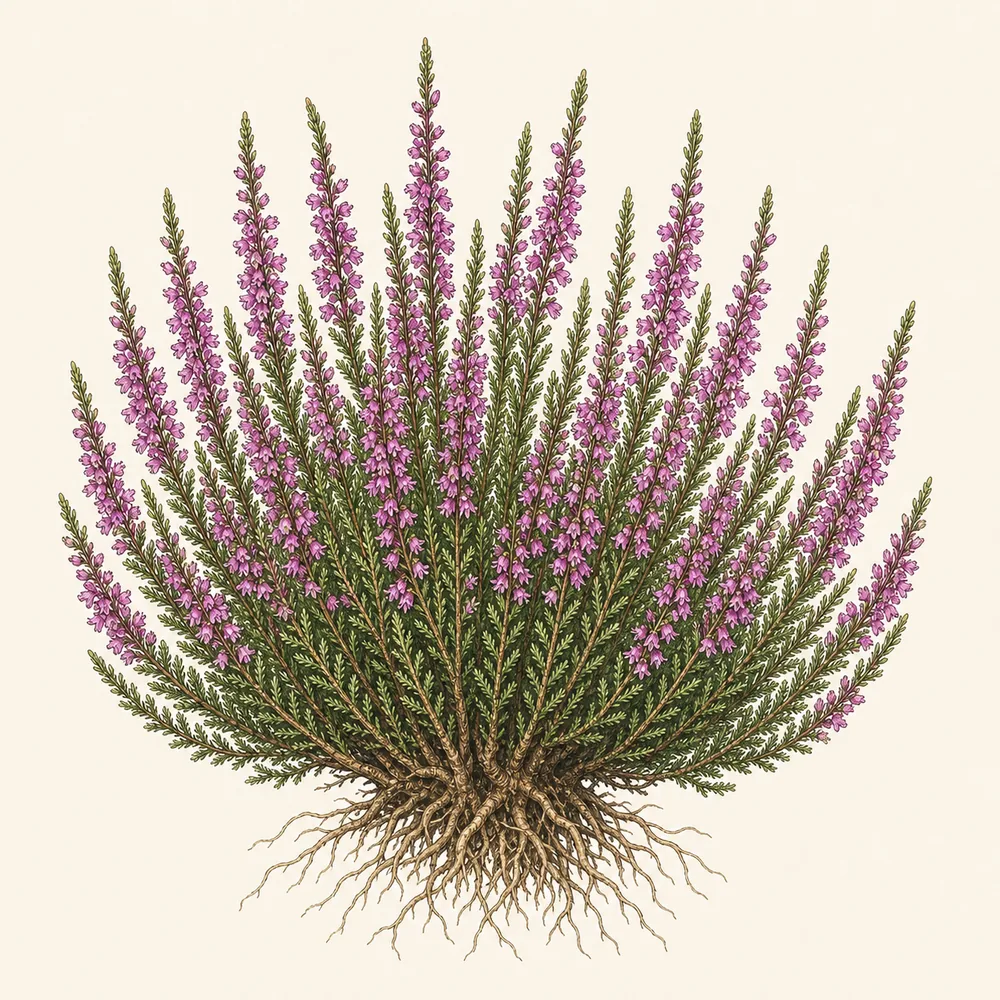
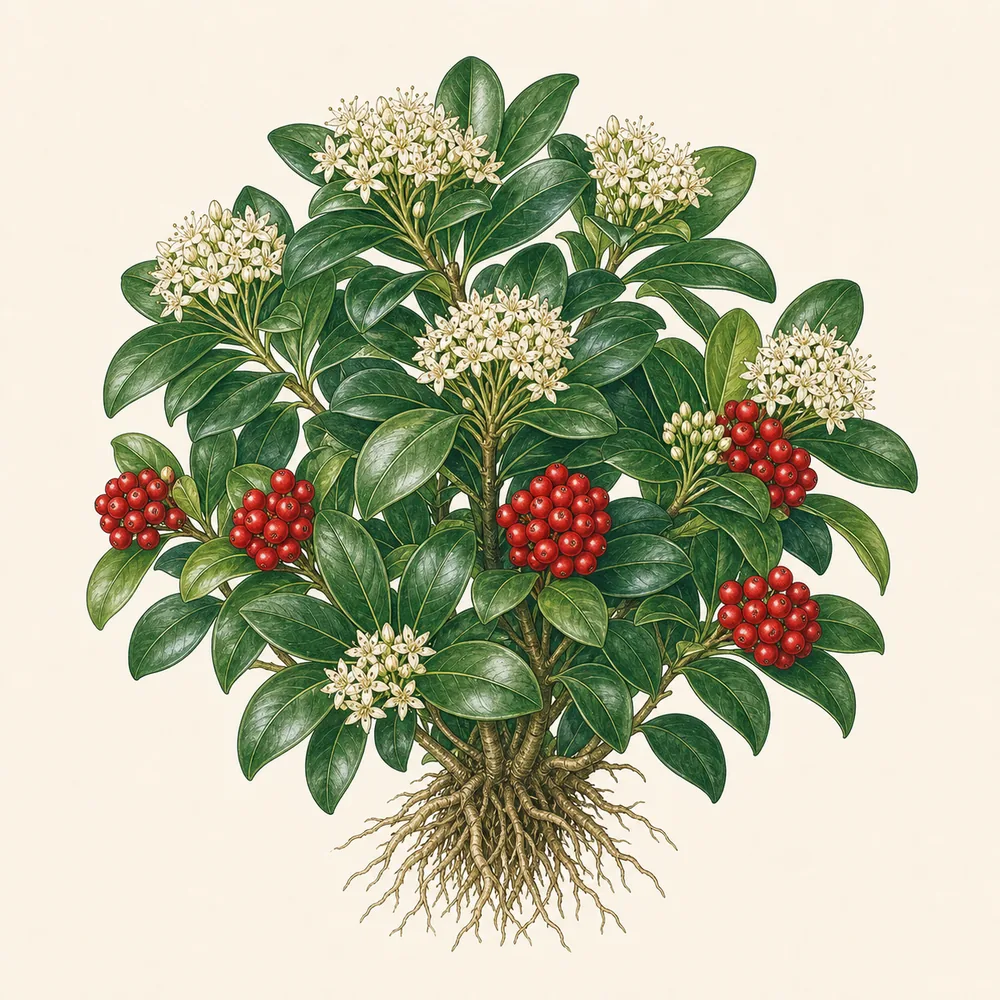
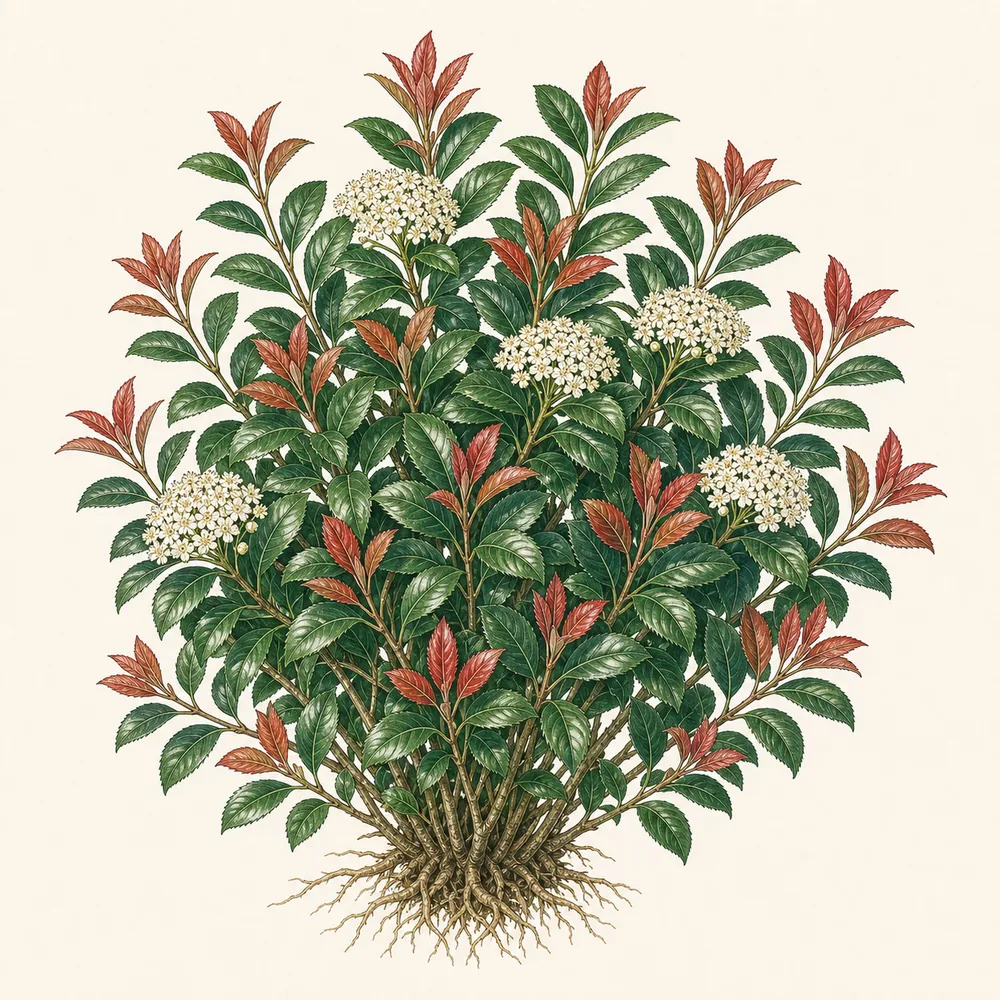
If you like this, try
Other plants with a similar temperament.
How we checked this
Care cross-checked against the RHS. The ASPCA does not list hebe, so its pet-safety is unconfirmed and we have not stamped it safe. If our page and these sources ever disagree, believe them — and tell us.
Sources: RHS · ASPCA — toxic & non-toxic plants
Last reviewed · August 2026