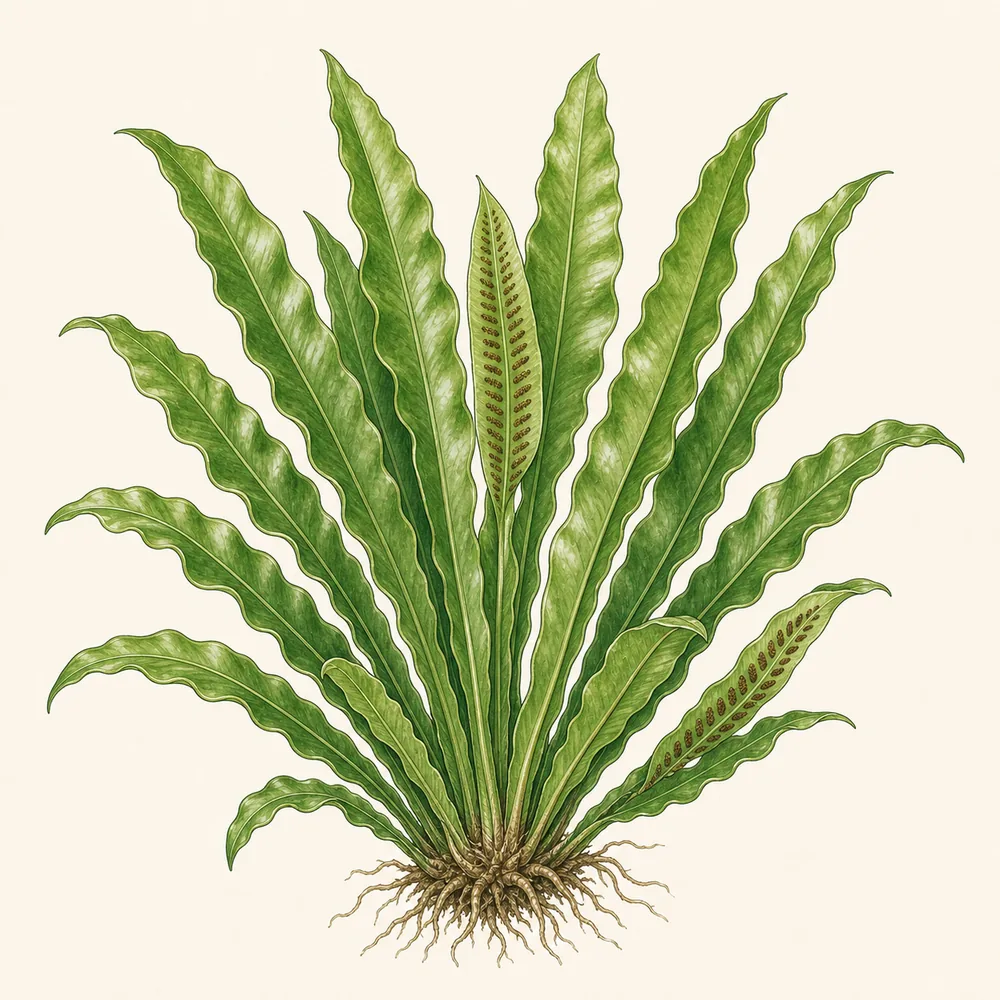
Hart's Tongue Fern
The toughest of the popular ferns — glossy, strap-shaped fronds with none of the lacy fussiness. A UK native that's fully hardy in a shady garden, yet takes happily to a cool, shaded room indoors. Forgiving, evergreen and genuinely easy.
Not listed by ASPCA
The ASPCA doesn't list the hart's tongue fern (Asplenium scolopendrium), so we don't stamp it safe. It has no recorded toxic principle and several of its relatives are listed non-toxic, but with no database entry for this species we flag the gap honestly rather than assume.
Care at a glance
Everything that matters, in six lines. The detail is further down.
Light
A shade lover through and through — filtered light or a genuinely shady corner suits it. Keep it out of direct sun, which scorches the glossy fronds.
Water
Water to keep the compost consistently damp but never waterlogged. Tougher than most ferns about the odd lapse, but happiest never bone-dry.
Temperature
Prefers cool to average room warmth and shrugs off cold better than tropical ferns. As a UK native it's fully hardy outdoors in shade.
Humidity
Appreciates moist air but far more forgiving of dry rooms than a maidenhair. A cool, shaded spot keeps the fronds fresh.
Feeding
A half-strength balanced feed once a month from spring to late summer is ample. It grows steadily rather than fast and needs little.
Soil
An open, humus-rich mix that stays moist yet drains. Unusually among ferns it's happy on chalky, alkaline soils and likes a little added grit.
What to do, and when
Fresh fronds unfurl in their curled 'crozier' form. Start feeding weakly, tidy any tatty old fronds, and repot or divide now if needed.
Steady growth through the season. Keep the compost evenly moist in warm weather and the plant out of any direct sun.
Growth slows as light fades. Keep watering steady but reduced. Outdoors, the evergreen fronds stand on through the cooling months.
Near-rest, and unbothered by cool rooms. Water sparingly but never let it dry out fully. Outdoors it stays green right through a UK winter.
The tough one of the fern family
If the maidenhair is the diva, the hart's tongue is the workhorse. Its thick, glossy, undivided fronds — shaped like a deer's tongue, hence the name — shrug off the dry air and cool corners that finish off lacier ferns.
That makes it a forgiving first fern. It still wants shade and steady moisture, but it tolerates the odd missed watering and a cooler, less humid room far better than its relatives.
Hardy outdoors as well as in
This is a genuine UK native, found growing wild in shady woodland, on old walls and in damp, shaded corners across Britain. It's fully hardy, so it's just as at home in a shady, moist border or a north-facing courtyard as it is on a windowsill.
If a pot outgrows its spot indoors, you can plant it out in shade with confidence. Give it moist, well-drained ground out of direct sun and it will settle in as a permanent, evergreen feature.
Soil, chalk and grit
One quirk sets it apart from most ferns: it actively tolerates alkaline, chalky soil, where many woodland ferns want acid conditions. That makes it invaluable on limey gardens where other ferns struggle.
In a pot, an open humus-rich mix with a little added grit keeps the roots moist but never sodden. Good drainage matters more than the exact recipe — waterlogging is the one thing it won't forgive.
Common problems
Scorched, pale fronds
Too much direct sun. Move it to shade or filtered light — this is a shade plant at heart.
Brown, crispy frond edges
Air too dry or compost dried out. Keep the mix evenly moist and raise humidity a little; far less prone to this than lacy ferns.
Yellowing, limp fronds
Usually waterlogging. Let the mix drain, add grit, and never leave the pot standing in water.
Tatty old fronds
Natural as fronds age. Trim the oldest away at the base in spring and fresh croziers will replace them.
Everything a hart's tongue fern needs
Shade, steady moisture, and free-draining soil.
We take no commission on anything in the "save your money" tier — if we don't think you should buy it, we don't link it. How our recommendations work
If you like this, try
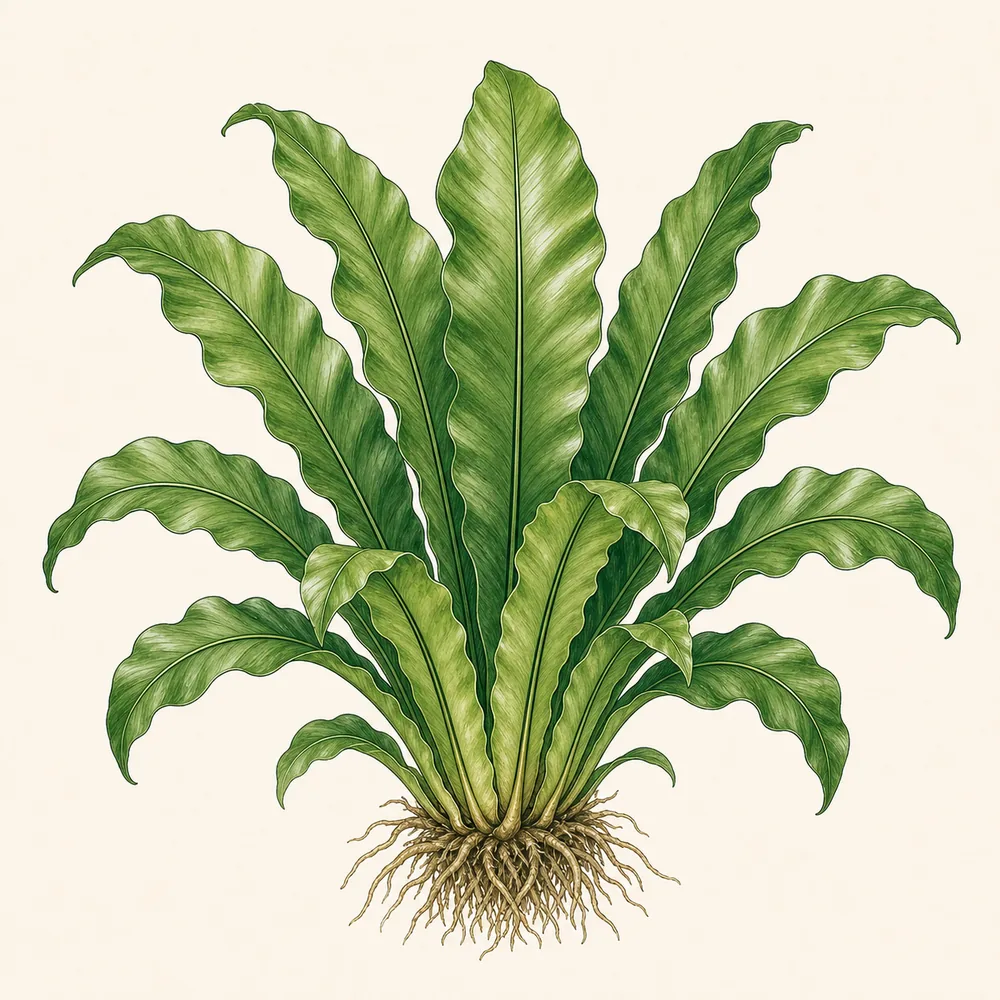
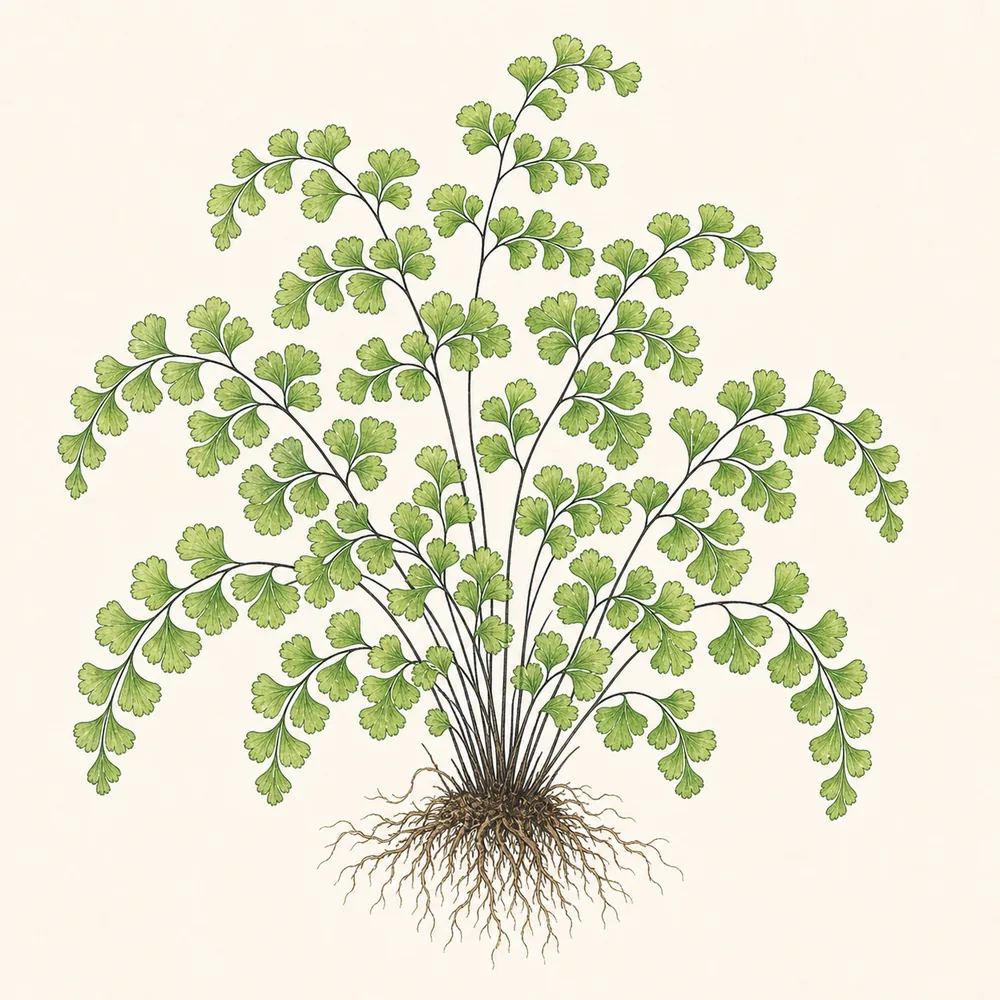
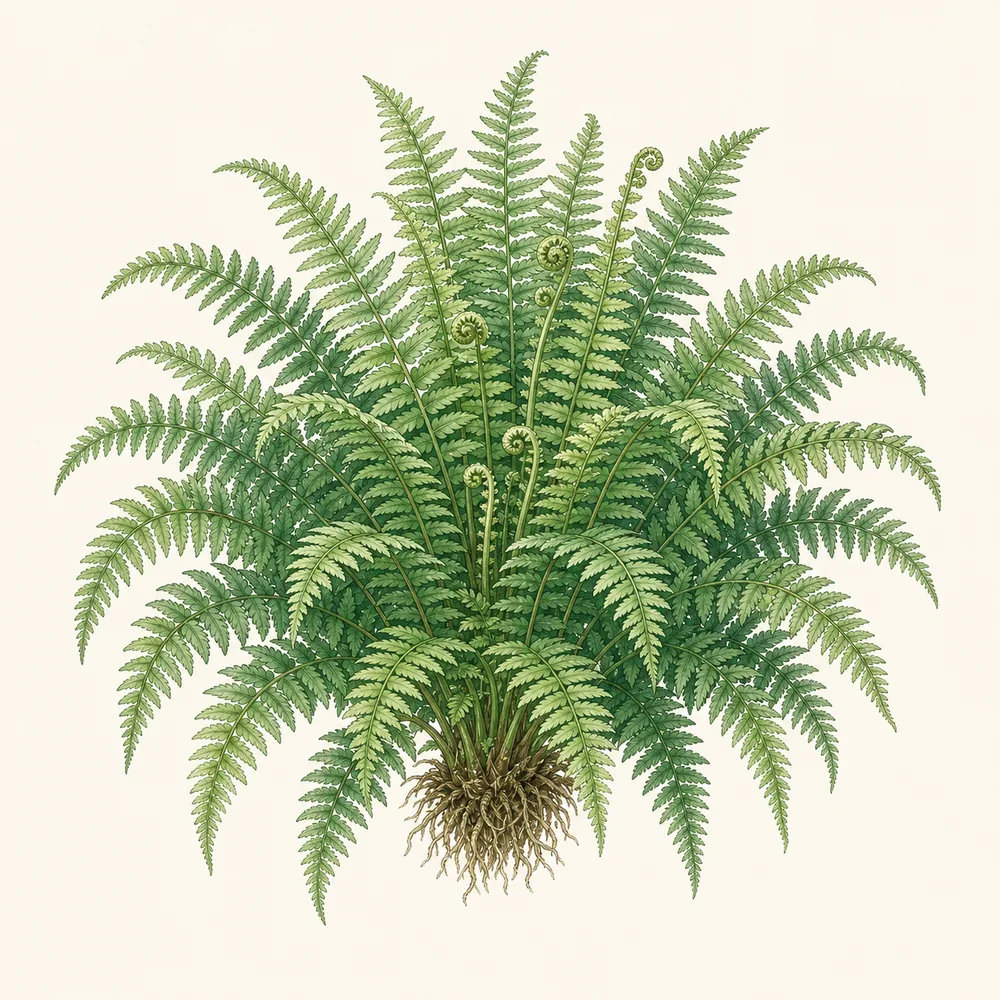
Other plants with a similar temperament.
How we checked this
Care cross-checked against the RHS. The ASPCA does not list the hart's tongue fern (Asplenium scolopendrium), so its pet-safety is unconfirmed and we have not stamped it safe. If our page and these sources ever disagree, believe them — and tell us.
Sources: RHS · ASPCA — toxic & non-toxic plants
Last reviewed · August 2026