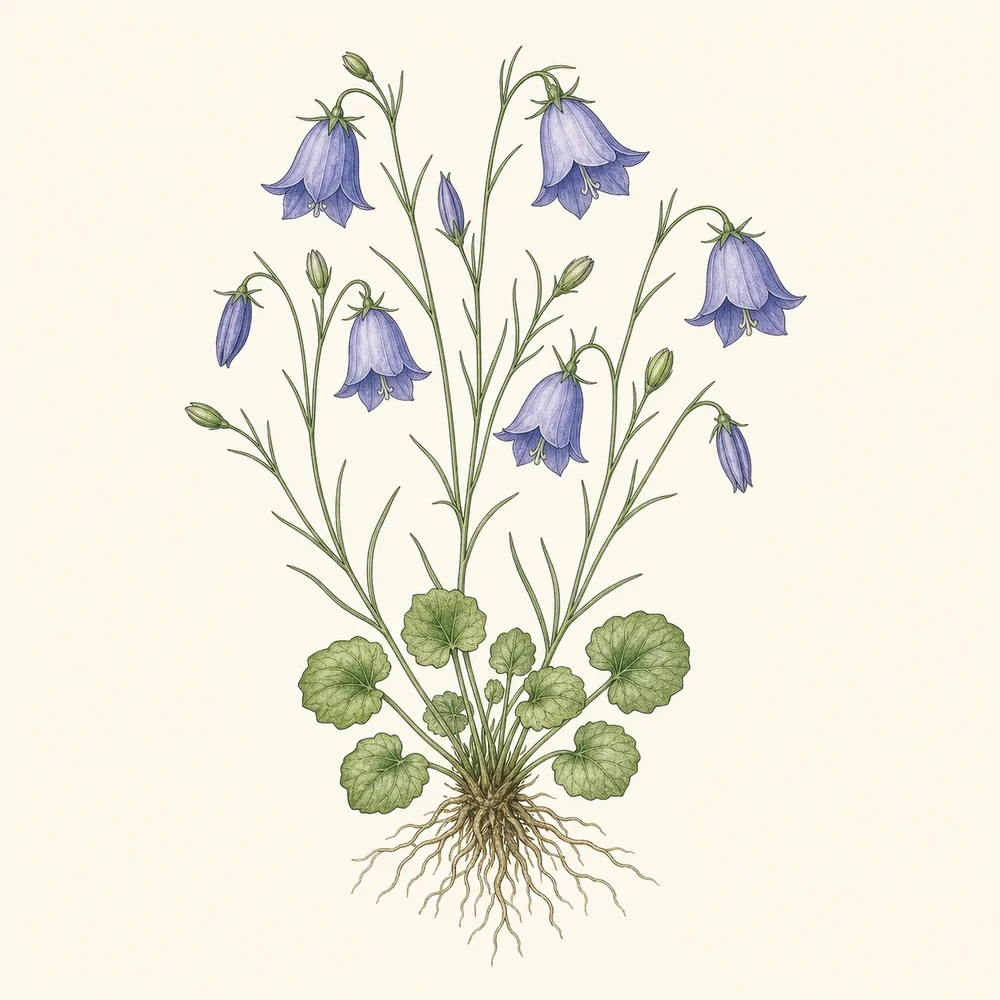
Harebell
The most delicate of our native wildflowers — nodding, sky-blue bells swaying on hair-thin stems above short grass. It's not difficult, but it is particular: it wants a lean, sharply drained, sunny spot and hates being crowded or over-watered.
Not listed by ASPCA
The ASPCA doesn't list the harebell, so we don't stamp it safe. It's a UK native wildflower with no recorded serious toxicity to pets, but with no database entry we flag the gap honestly rather than guess.
Care at a glance
Everything that matters, in six lines. The detail is further down.
Light
Wants an open, sunny position. It grows naturally on exposed banks and thin turf, and quickly fades where taller plants shade it out.
Water
Very drought-tolerant once established and easily rotted by too much moisture. Water new plants sparingly, then leave them dry.
Hardiness
Tough as they come — a hardy native perennial of windswept banks and hillsides. Dies back low over winter and returns each spring.
Habit
Wiry, thread-fine stems carry nodding blue bells above a low rosette. Best at the front of a meadow or in thin, short grass.
Feeding
A plant of poor, hungry ground. Any feeding boosts the grass and coarser plants that will smother it — keep the soil starved.
Soil
Demands gritty, free-draining soil — sand, chalk or thin turf over stone. Add grit to heavy ground, or it rots in winter wet.
What to do, and when
A low rosette of round leaves appears (the 'rotundifolia' of its name), soon replaced by narrow stem leaves. Sow seed now on gritty soil; keep the patch open and un-fed.
The long display of nodding blue bells runs from July into September, loved by bees. Leave the thin turf uncut so the flowers can stand and set seed.
Seed ripens in papery capsules. Give the patch its single cut once the seed has dropped, rake off the clippings, and scatter any saved seed on bare grit.
Dormant and low, needing no protection. Keep off waterlogged ground — cold winter wet is the main thing that kills it, not cold itself.
Beautiful, but particular
Harebell isn't hard to grow, but it won't be bullied into the wrong conditions. In the wild it grows on dry banks, thin chalk grassland and windswept hillsides — poor, sharply drained ground where nothing tall can crowd it. Recreate that and it thrives; plant it in rich, moist border soil and it quietly disappears.
The Scottish name 'bluebell' refers to this plant, not the woodland bluebell the English mean. Its Latin name, rotundifolia, describes the round basal leaves that appear first — long gone by the time the narrow-leaved flowering stems rise.
Getting the soil right
Sharp drainage matters more than anything else. On sand or chalk you're already there. On heavy or clay soil, dig in plenty of horticultural grit before planting, or grow it in a raised bed, gravel garden or the thin, stony turf of a green roof or bank.
Keep the ground poor and lean. Harebell is a poor-soil specialist that survives partly by avoiding competition — enrich the ground and you simply feed the grasses and coarse plants that will swamp its fine stems within a season.
Sowing into thin turf
Sow the fine seed on the surface in autumn or spring — it needs light to germinate, so don't bury it. Press it onto bare, gritty soil or into open gaps in short, thin grass, and keep it just moist until the seedlings appear.
It establishes best where the sward is sparse and low. Sowing yellow rattle first to weaken vigorous grasses helps enormously, opening the turf so the delicate harebell seedlings aren't shaded out before they can take hold.
Managing a harebell patch
Because harebell flowers late — July into September — resist the urge to cut its turf in summer. Let the bells stand, flower and set seed, then give the patch a single cut in autumn once the seed capsules have ripened and shed.
As with any wildflower turf, rake off and remove the cuttings. Leaving them to rot enriches the soil, which favours grass over flowers — the opposite of what this lean-loving little plant needs to persist.
Common problems
Rots over winter
The commonest killer, caused by cold, wet, heavy soil. Add plenty of grit for sharp drainage, or grow it in a raised or gravelly bed that never sits waterlogged.
Swamped by grass and weeds
Its fine stems can't compete with vigorous growth. Keep the soil poor, sow yellow rattle to weaken the grass, and never feed the patch.
Poor germination
Seed needs light and won't come up if buried. Sow it on the surface of bare, gritty soil, press it in without covering, and keep it just moist until it germinates.
Cut off before it flowers
Harebell flowers late, so an early or mid-summer mow removes the blooms and stops it seeding. Delay the single cut until autumn, after the seed has dropped.
Everything a harebell patch needs
Gritty sharp drainage, thin poor turf, and a late cut only.
We take no commission on anything in the "save your money" tier — if we don't think you should buy it, we don't link it. How our recommendations work
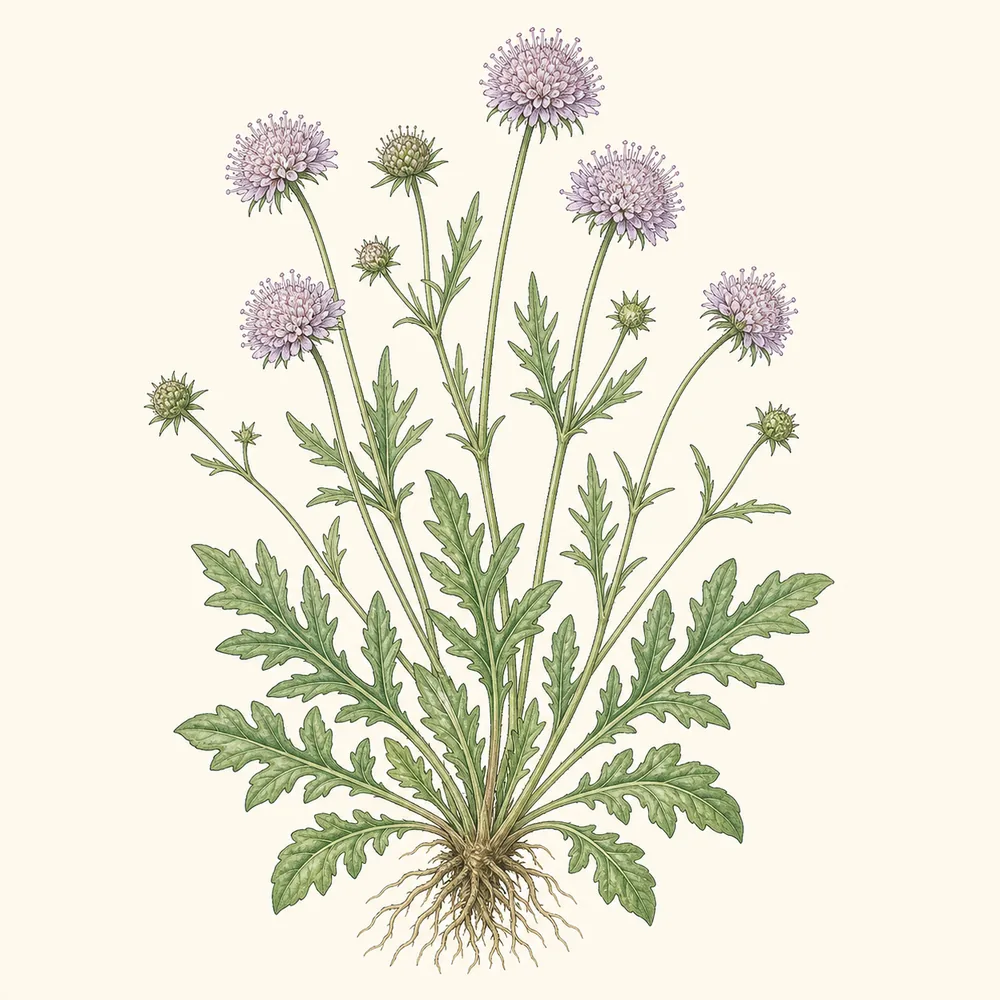
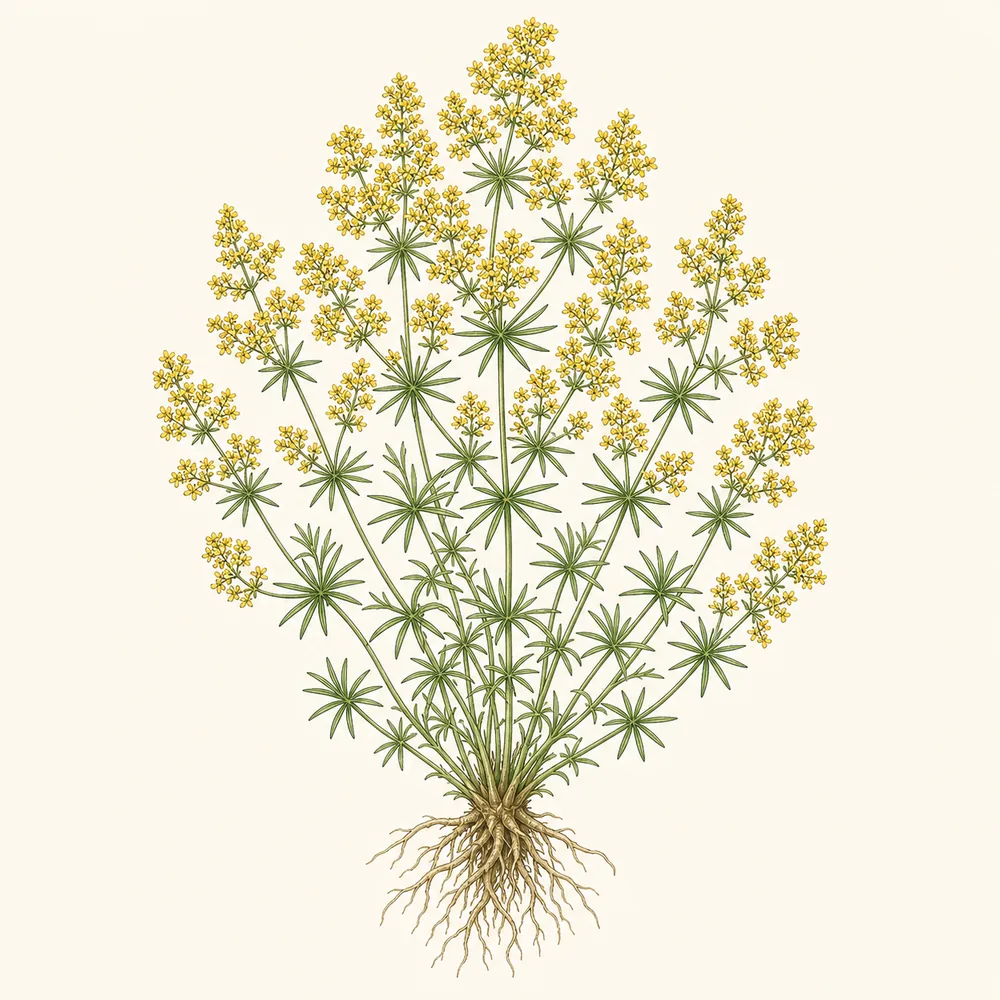
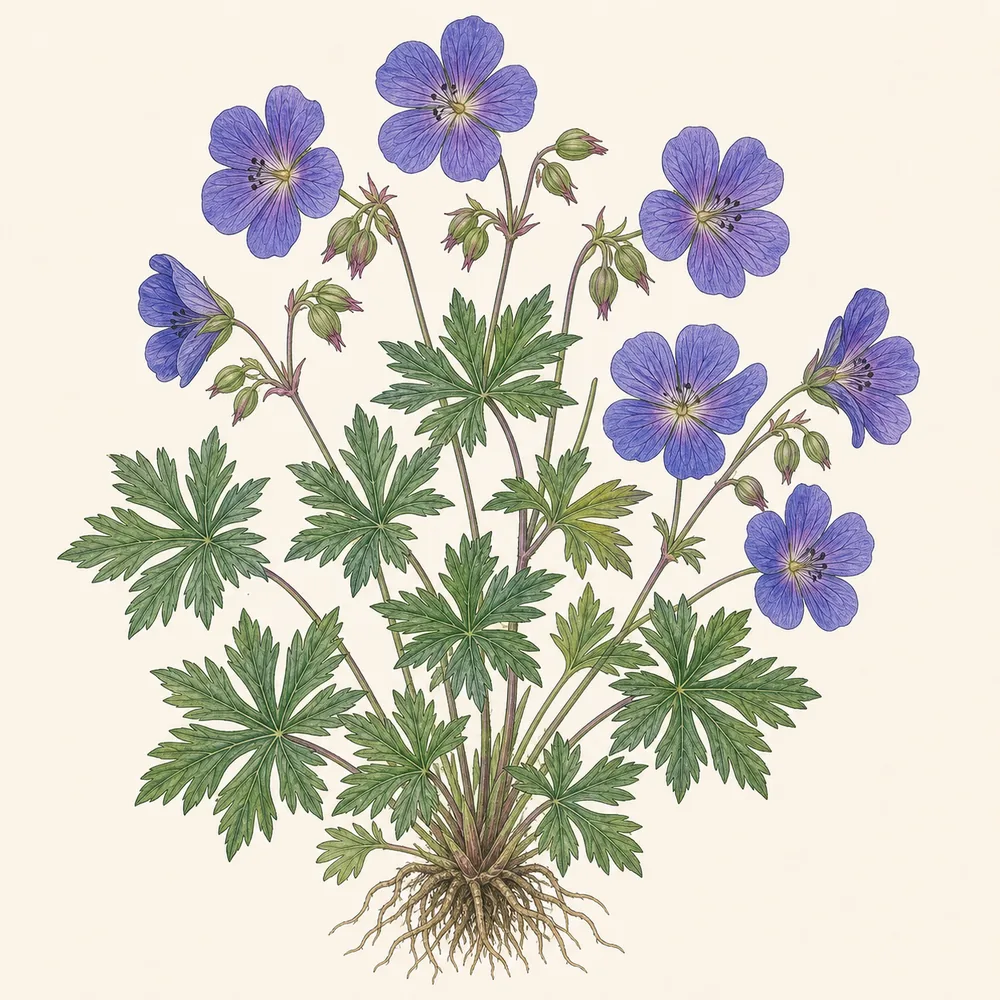
If you like this, try
Other plants with a similar temperament.
How we checked this
Care cross-checked against the RHS. The ASPCA does not list the harebell, so its pet-safety is unconfirmed and we have not stamped it safe. If our page and these sources ever disagree, believe them — and tell us.
Sources: RHS · ASPCA — toxic & non-toxic plants
Last reviewed · July 2026