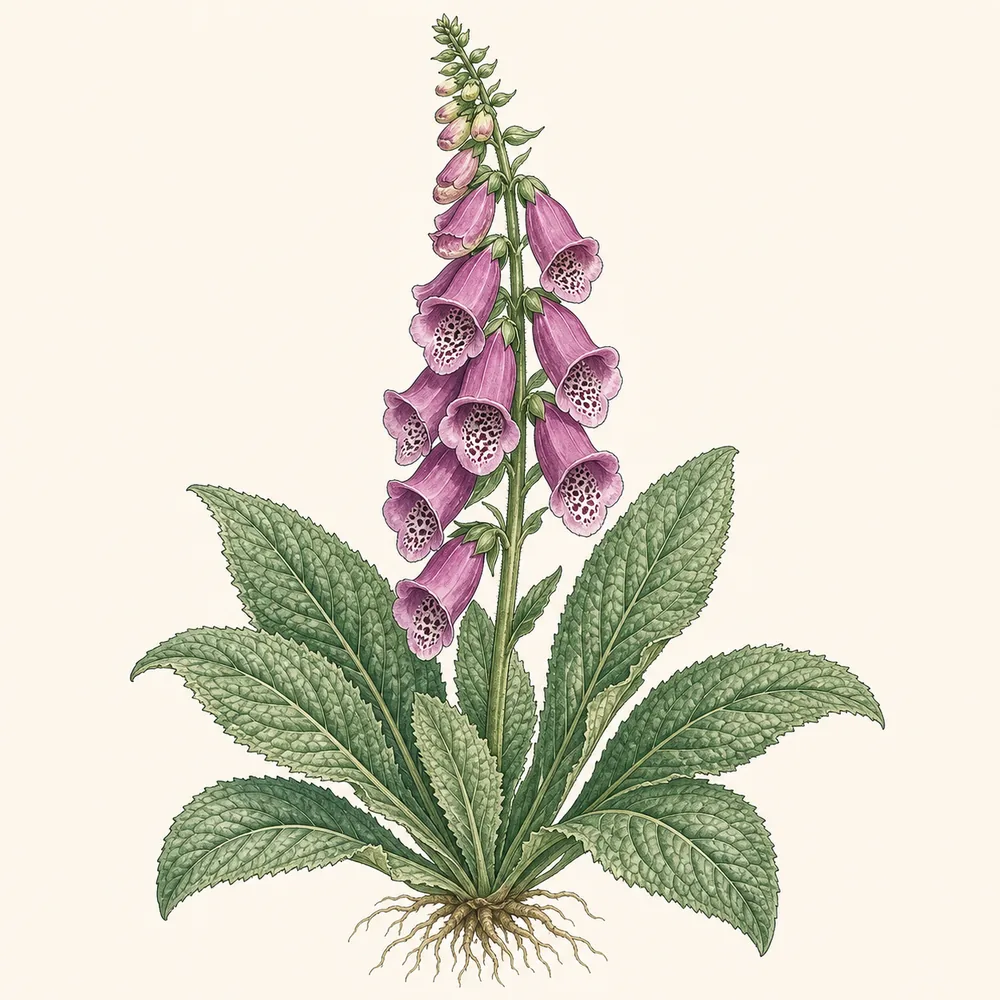
Foxglove
Two-metre spires of speckled bells that bees disappear into, from a native wildflower that grows in the dry shade nothing else wants. One of the easiest plants in Britain to grow — and one of the most poisonous. Both facts belong in the same sentence.
Seriously toxic — to pets, horses and people
Every part contains cardiac glycosides (the source of the heart drug digoxin). The ASPCA lists effects in pets up to cardiac arrhythmias, cardiac failure and death, and it is dangerous to people too — even vase water. Plant it out of reach of grazing animals and teach children the bells are never playthings. If anything or anyone eats any of it, that's a vet or 111 call now, not a wait-and-see.
Care at a glance
Everything that matters, in six lines. The detail is further down.
Position
Woodland-edge conditions: dappled or half-day shade. Tolerates dry shade under trees better than almost anything.
Soil
Unfussy. Rich soil gives taller, floppier spikes that need staking — lean soil gives sturdier plants.
Water
Water new plants in their first weeks; after that it fends for itself in all but severe drought.
Feeding
Genuinely none. Feeding produces leaves and lodging, not more flowers.
Sowing
It's a biennial: sow one summer, flowers the next. Seed needs light — press it in, don't bury it.
Hardiness
A British native. The first-year leaf rosette sits green through winter untroubled.
What to do, and when
Year-two rosettes rocket upwards from April. Stake only if the site is windy and rich.
Flowers June–July, bottom bells first. Afterwards, either collect seed, let it self-sow, or cut the spike before it sheds.
Move self-sown seedlings to where you actually want them — wear gloves. First-year rosettes stay put.
Nothing to do. The rosettes are evergreen and hardy; spring does the rest.
A biennial: the two-year contract
Foxgloves spend year one as a low rosette of felted leaves and year two throwing up the spire, setting seed, and dying. Once you know this, everything makes sense: buy or sow plants two summers running and you'll never have a gap year again, because each generation sows the next.
A single spike sheds tens of thousands of seeds. In a relaxed garden this is the whole point — colonies drift along hedges and under trees, always where the seed happened to land. If you want them only where you put them, cut the spike as the last flowers fade.
Growing a poisonous plant honestly
Foxgloves earn their place: they flower in dry shade, feed long-tongued bumblebees, and cost nothing to keep going. But respect is part of the deal. Wear gloves when handling or weeding around them — the toxins can pass through broken skin — never add them to a vase where children or cats drink the water, and don't compost armfuls of them into a heap livestock can reach.
If your garden is used by toddlers who put everything in their mouths, or a dog that chews plants rather than sniffing them, this is a plant to admire in other people's gardens for a few years. There's no shame in that; there are safer bell-shaped flowers (penstemons, for one).
Common problems
No flowers this year
It's a biennial — first-year plants only make leaves. Sow two years running for flowers every year.
Spikes flopping over
Too rich a diet or too much wind. Don't feed, and stake early in exposed spots.
Rust-brown leaf spots
Foxglove rust or leaf spot — cosmetic on a plant that dies after flowering anyway. Bin the worst leaves.
Seedlings everywhere
Working as designed. Hoe the ones you don't want in autumn (gloves on), or cut spikes before seed sheds.
Everything a foxglove needs
The shortest kit list on the site — this plant runs on neglect. Spend on gloves, not products.
We take no commission on anything in the "save your money" tier — if we don't think you should buy it, we don't link it. How our recommendations work
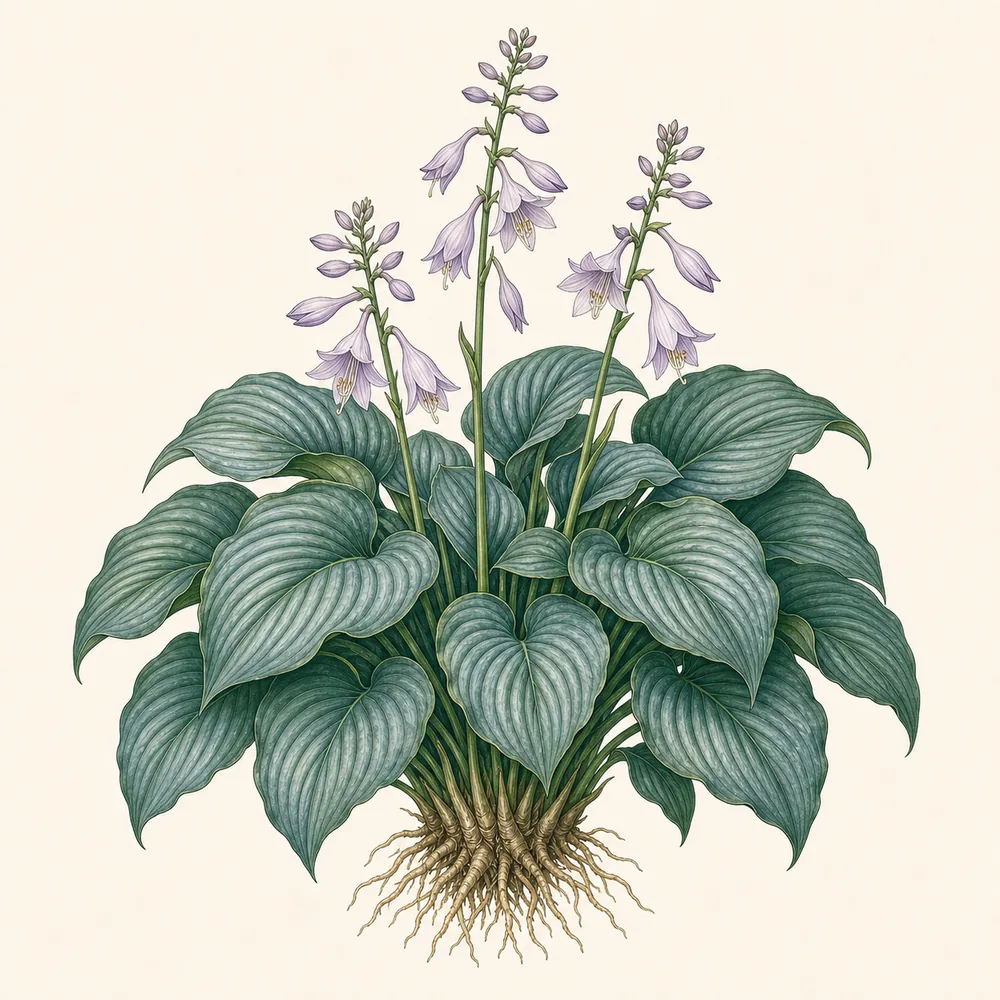
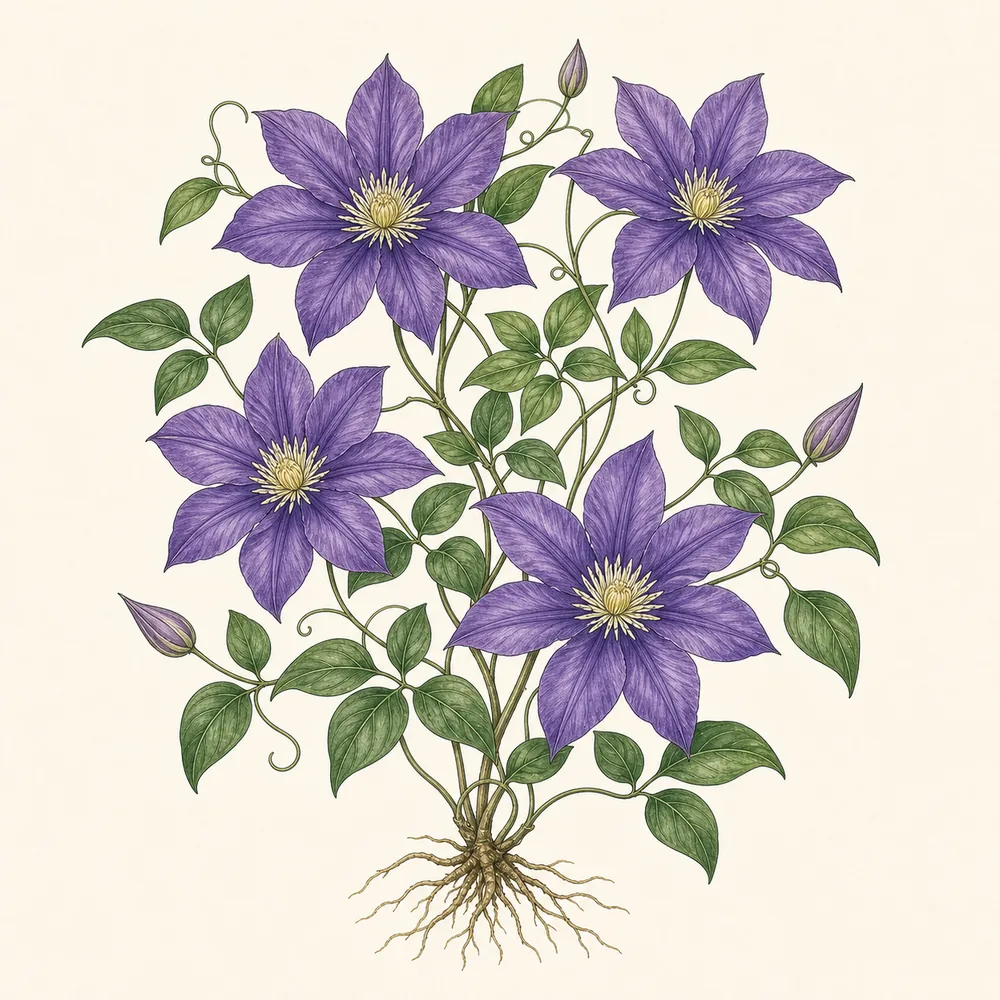
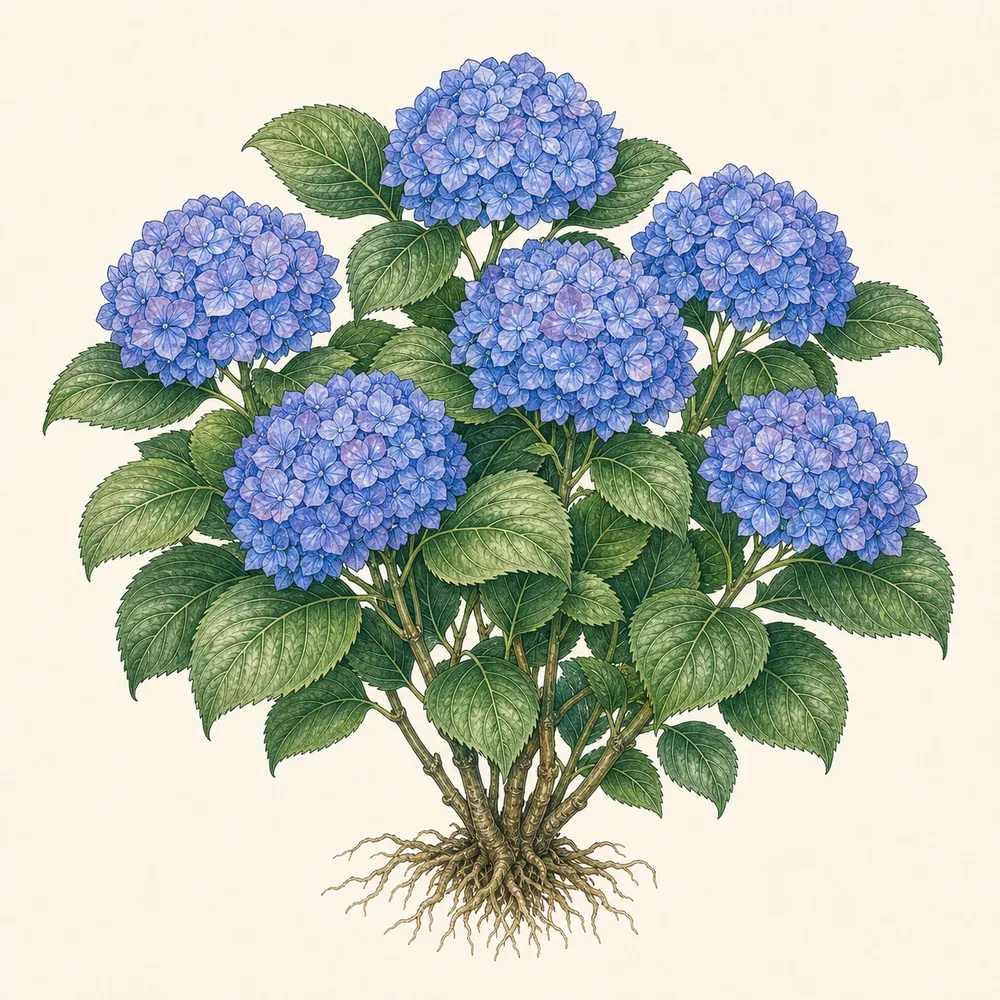
If you like this, try
Other plants with a similar temperament.
How we checked this
Care guidance cross-checked against the Royal Horticultural Society and NC State Extension. Toxicity confirmed against the ASPCA database (cardiac glycosides — arrhythmias, cardiac failure, death) — and this species is hazardous to people as well as pets; the RHS lists it among potentially harmful garden plants. If our page and these sources ever disagree, believe them — and tell us.
Sources: RHS · NC State Extension · ASPCA
Last reviewed · July 2026