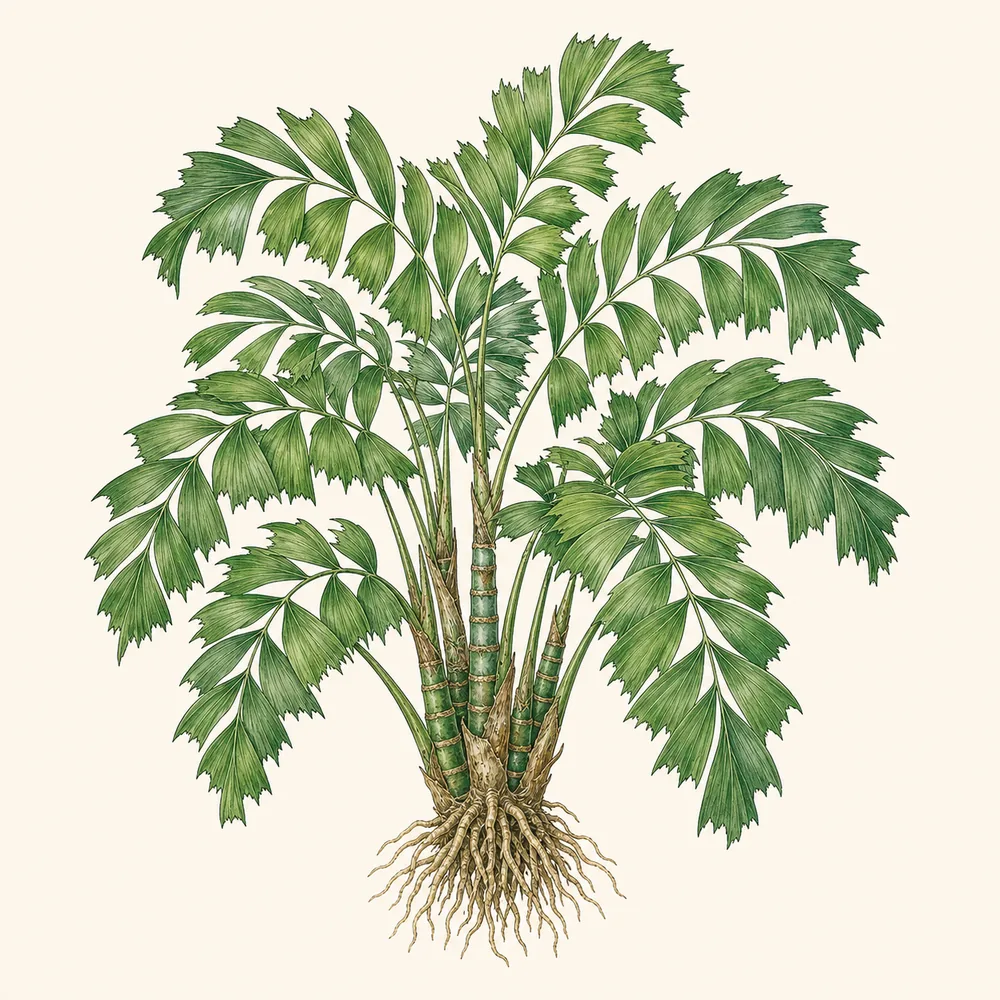
Fishtail Palm
A striking, unusual palm named for its ragged, fish-tail-shaped leaflets — nothing else looks quite like it. Rewarding indoors, but it wants real warmth, humidity and light to thrive.
Not listed by ASPCA — treat with caution
Neither the ASPCA nor the Pet Poison Helpline lists the fishtail palm (Caryota), so we can't confirm it pet-safe. Note that its ripe fruits contain irritant oxalate crystals in the flesh, so keep pets and children from eating them.
Care at a glance
Everything that matters, in six lines. The detail is further down.
Light
Plenty of bright, filtered light. It takes a little gentle morning sun but scorches in harsh direct midday sun.
Water
Water when the top few centimetres dry, then drain fully. It likes consistent moisture and sulks if left to dry out completely.
Temperature
Genuinely warmth-loving — keep it above about 15 °C year-round and well clear of cold draughts.
Humidity
This is the make-or-break factor. It wants humid air; dry, heated rooms brown the delicate leaflet edges fast.
Feeding
A balanced feed monthly through spring and summer keeps the fronds full and green.
Soil
A peat-free houseplant mix that holds moisture but still drains, loosened with a little perlite.
What to do, and when
Growth restarts. Repot only if crowded — palms dislike root disturbance — and resume feeding. Move it to its brightest reliable spot.
Peak growth and its thirstiest, most humidity-hungry season. Keep the compost evenly moist, feed monthly, and mist or group it with other plants.
Ease off water and feed as light fades. Move it away from windows that turn cold at night before the heating comes on.
The tricky season indoors — warm rooms are dry. Keep it above 15 °C, water a little less, and work hardest at humidity to prevent brown tips.
The one plant that looks like this
The fishtail palm earns its keep on looks alone: instead of the usual feathery fronds, each leaflet is triangular and jaggedly torn, like the tail of a fish. It gives a soft, layered texture no other common houseplant palm offers.
That distinctive foliage is also the plant's weak point — the fine, ragged edges show stress quickly, so keeping it looking its best is really about keeping it warm and humid.
Warmth and humidity are the whole game
Get the light and watering roughly right and this palm mostly comes down to two things: it wants to be warm and it wants humid air. UK homes in winter tend to be the opposite — warm but bone-dry, or cool by a window.
Group it with other plants, stand it on a wide tray of damp pebbles, or run a small humidifier nearby. Keep it off cold glass and away from draughts and the sudden blast of radiators.
Watering and the ripe fruit
Aim for steadily moist compost: let the very top dry, then water thoroughly and let it drain. Never leave it standing in water, and never let the rootball go dust-dry.
On mature plants that eventually fruit, the ripe berries contain irritant oxalate crystals in the flesh — handle spent fruit with gloves and keep it away from curious pets and children.
Common problems
Brown, crispy leaflet edges
Dry air, the number-one fishtail complaint. Raise humidity with grouping, a pebble tray or a humidifier.
Yellowing fronds
Overwatering or a feeding gap. Check drainage and feed monthly through the growing season.
Whole frond browning off
Cold, draughts, or drying out. Keep it above 15 °C, out of cold air, and evenly moist.
Fine webbing on leaves
Spider mites, which thrive in the dry air this palm hates. Raise humidity, rinse the fronds and treat promptly.
Everything a fishtail palm needs
Warmth, humidity and bright indirect light — get those right and the rest is easy.
We take no commission on anything in the "save your money" tier — if we don't think you should buy it, we don't link it. How our recommendations work
If you like this, try
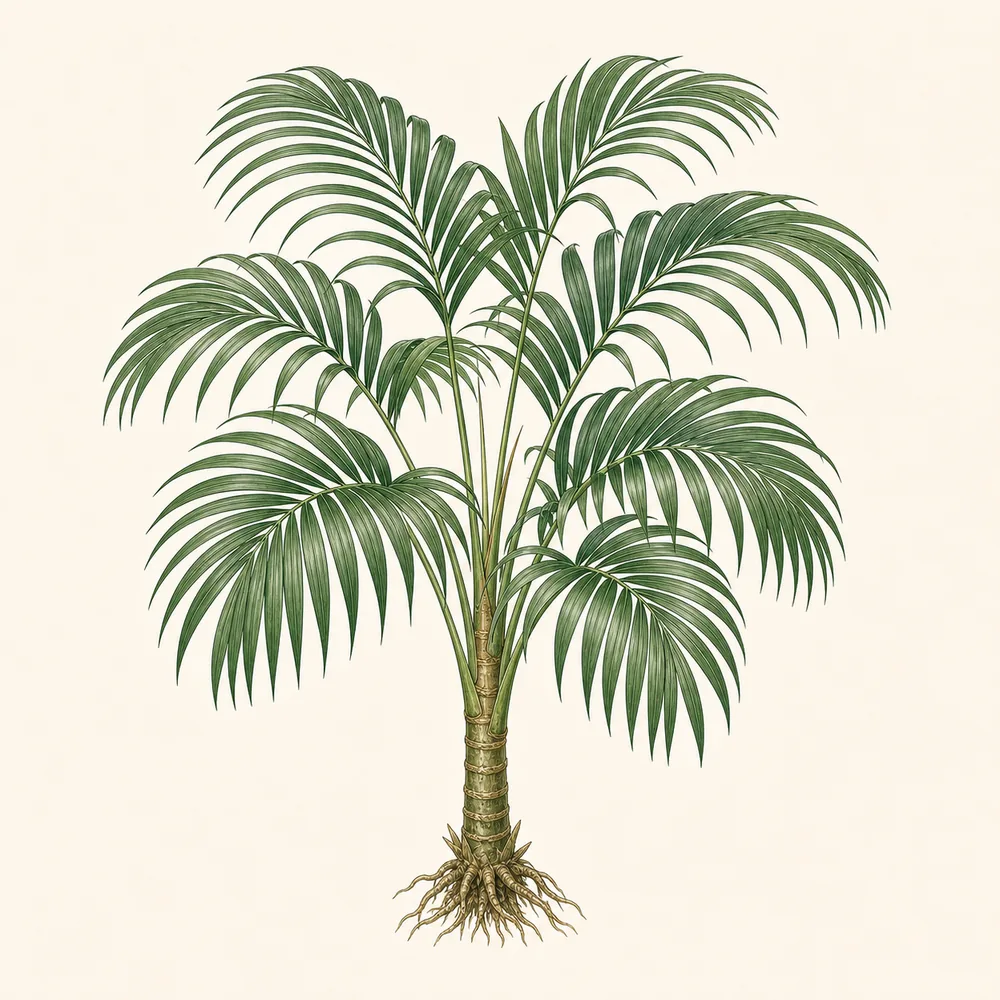
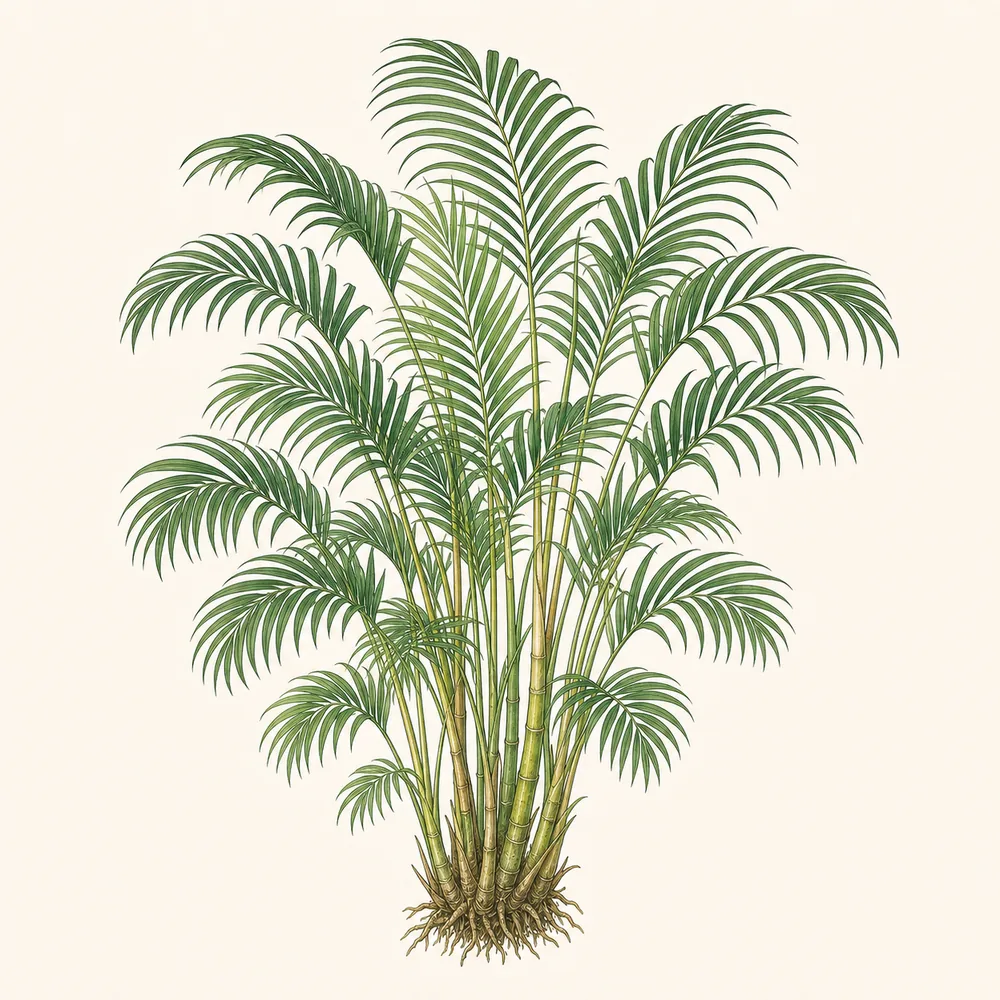
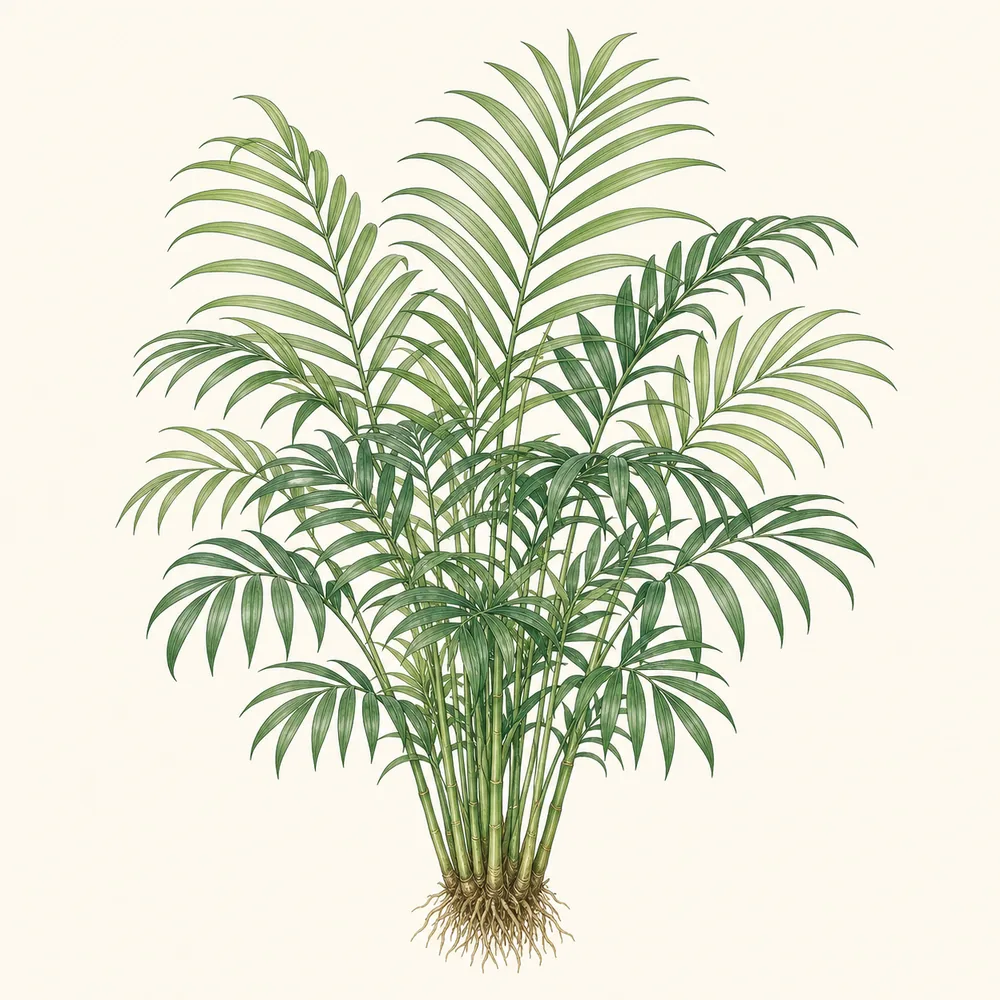
Other plants with a similar temperament.
How we checked this
Care cross-checked against the RHS. Neither the ASPCA nor the Pet Poison Helpline lists the fishtail palm, so its pet-safety is unconfirmed; its fruits carry irritant oxalates. If our page and these sources ever disagree, believe them — and tell us.
Sources: RHS · ASPCA — toxic & non-toxic plants
Last reviewed · July 2026