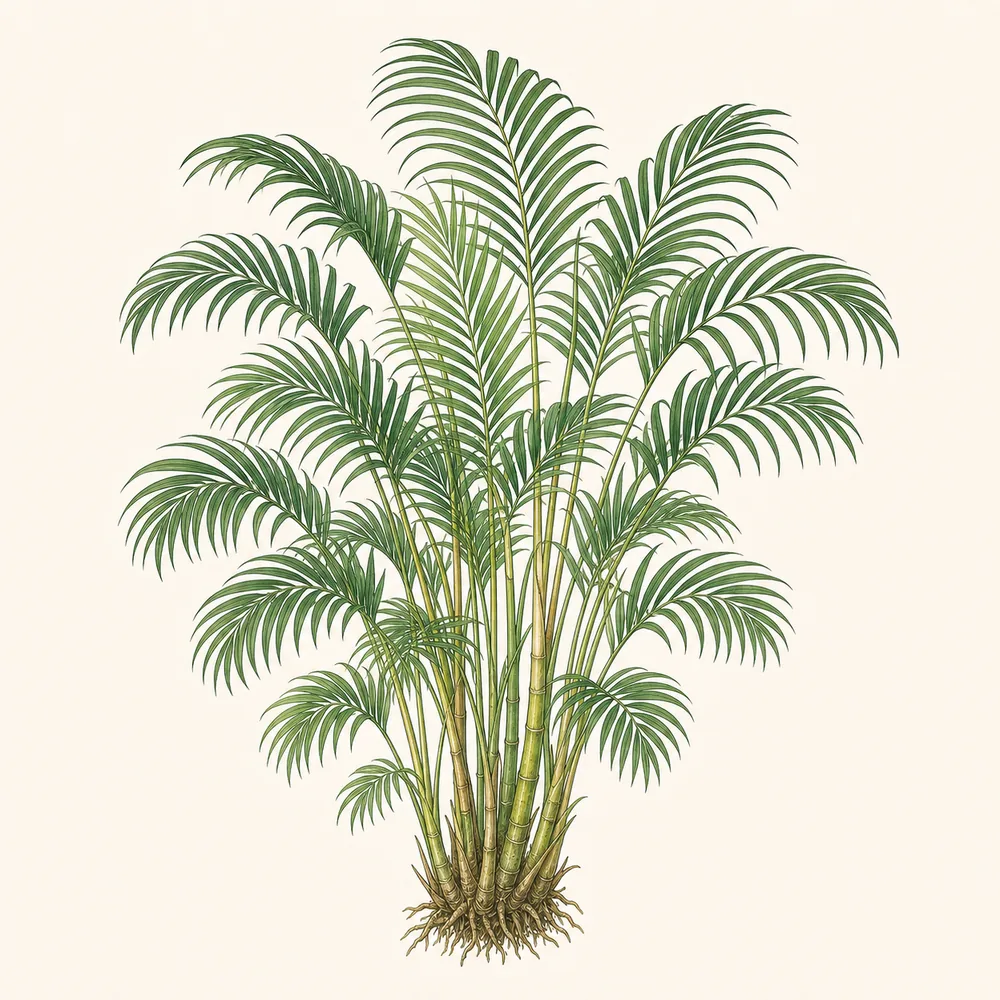
Areca Palm
The big, feathery, jungle-in-a-pot palm — arching golden-stemmed fronds that soften any corner and sway when you walk past. More forgiving than its price tag suggests, and one of the best large plants for households with pets.
Safe around cats & dogs
The areca palm (Dypsis lutescens) is listed as non-toxic to cats, dogs and horses on the ASPCA database — which matters, because cats find the dangling fronds irresistible. Chewed tips look scruffy but harm only the plant. (Don't confuse it with the sago 'palm', which is extremely dangerous to dogs — different plant entirely.)
Care at a glance
Everything that matters, in six lines. The detail is further down.
Light
Near an east or west window, or back from a south one. Deep shade slowly starves it; harsh midday sun scorches fronds.
Water
Evenly moist in summer, drier in winter, never standing in water. It sulks at both extremes but forgives quickly.
Temperature
Ordinary room warmth. Keep it away from radiators and cold draughts alike.
Humidity
Tolerates normal rooms; browner tips in very dry heated air. Grouping plants helps more than misting.
Feeding
A balanced houseplant feed spring to early autumn. None in winter.
Soil
Free-draining mix in a pot that isn't oversized — palms like being slightly snug.
What to do, and when
Growth resumes: step up watering, restart monthly feeding, and repot only if roots circle the pot — every 2–3 years at most.
Keep the compost evenly moist and shower the fronds occasionally to clean off dust and spider mites.
Ease watering back as light falls. Last feed by September.
Water sparingly, keep above 12°C, and expect the odd yellow lower frond — that's ageing, not illness.
Brown tips: the honest diagnosis
Every areca gets some brown frond tips eventually — it's the plant's all-purpose complaint. The usual suspects in order: erratic watering (bone-dry then soaked), dry heated air in winter, and fluoride or softened tap water, which palms dislike. Rainwater or filtered water makes a visible difference within a few months.
Trim brown tips with scissors following the leaflet's natural point — cutting square leaves obvious blunt ends. And never remove a frond that's still mostly green; palms feed on their older fronds as they fade.
Buying well beats nursing badly
Arecas are sold from 30cm desktop pots to two-metre statement plants, and the big ones are expensive — so buy the health, not the height. Look for multiple stems with fresh pale-green spears emerging at the centre, no webbing under leaflets (spider mite), and a pot that isn't a solid mass of circling roots.
A healthy metre-tall plant settles in faster and overtakes a struggling showroom giant within two years, at half the cost.
Common problems
Brown, crispy frond tips
Erratic watering, dry air, or fluoridated water. Steady the routine; try rainwater.
Fine webbing, speckled leaflets
Spider mites — they love a dusty palm in dry air. Shower the whole plant, then check weekly.
Yellowing all over
Usually overwatering or a pot with no drainage. Let it dry, check the roots aren't sitting in water.
No new growth for months
Winter is normal rest. In summer, it means too little light — move it brighter.
Everything an areca palm needs
Spend on the plant itself; the upkeep is cheap.
We take no commission on anything in the "save your money" tier — if we don't think you should buy it, we don't link it. How our recommendations work
If you like this, try
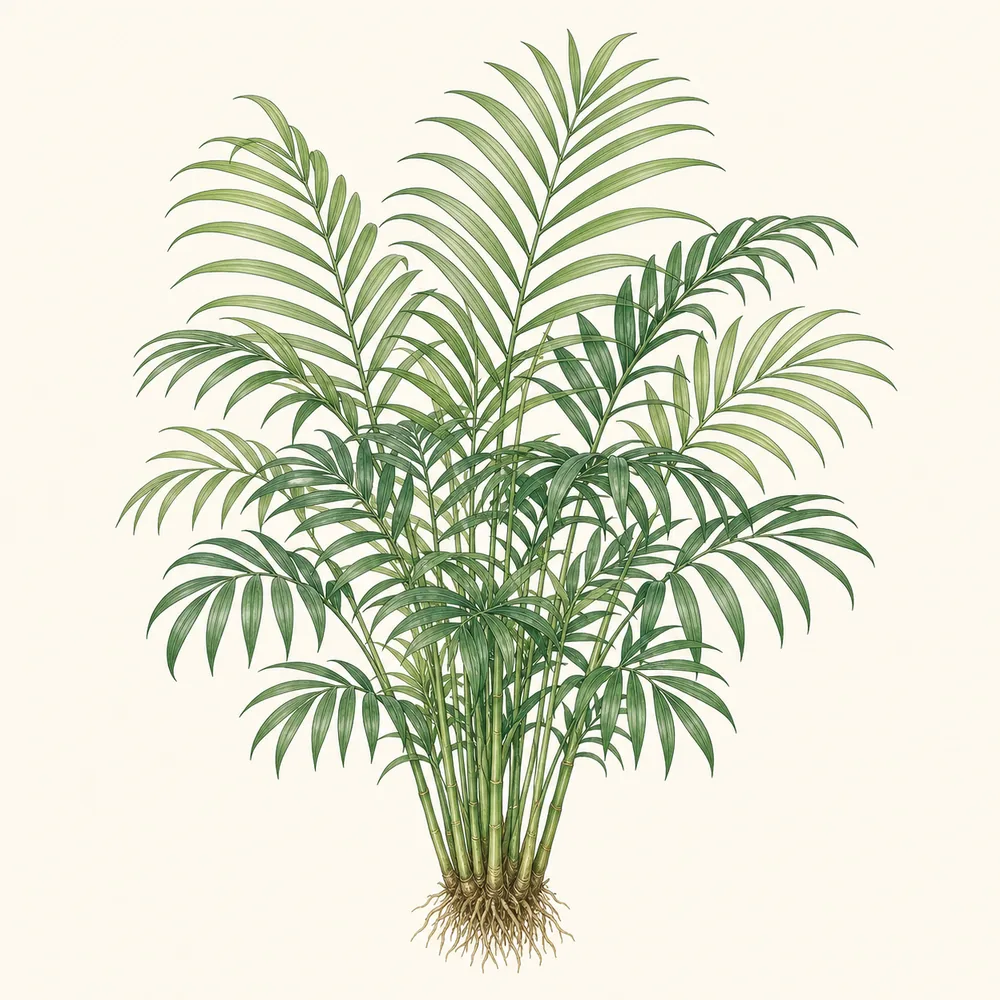
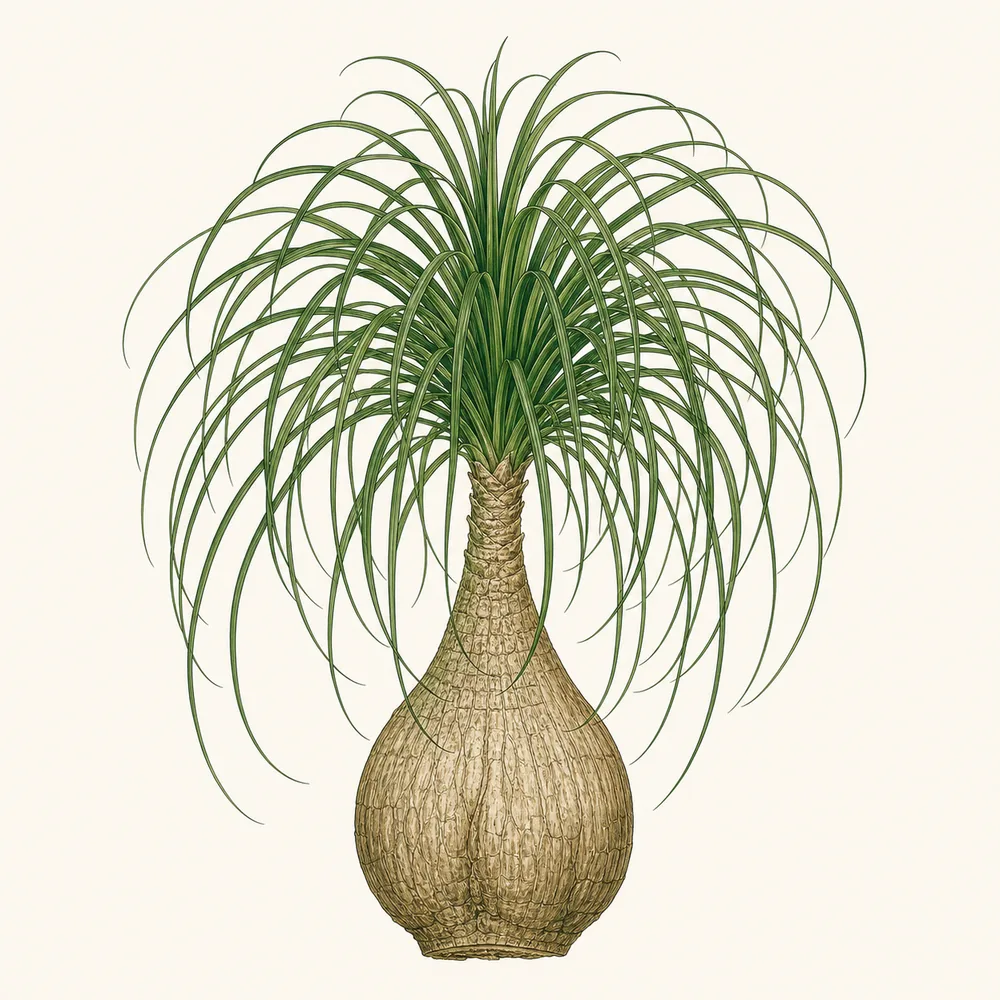
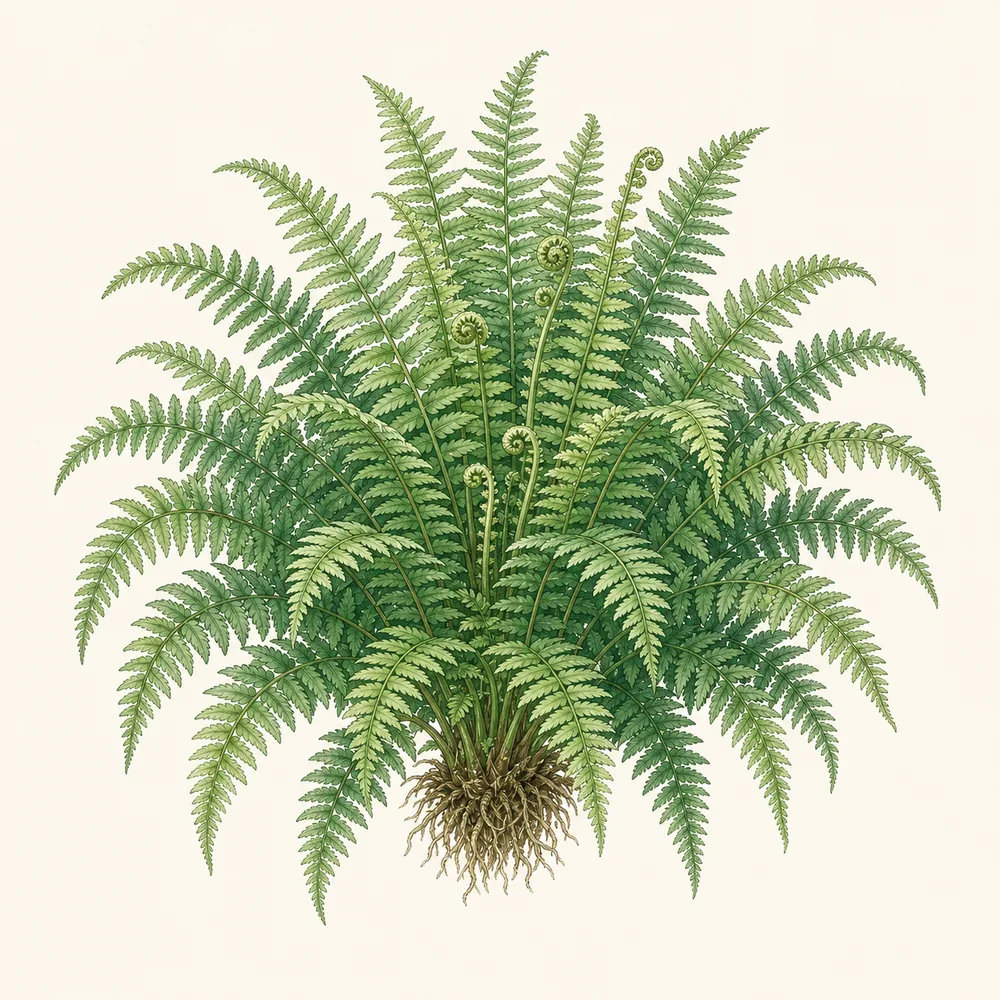
Other plants with a similar temperament.
How we checked this
Care guidance cross-checked against the Royal Horticultural Society and NC State Extension. Pet-safety confirmed against the ASPCA database, which lists Dypsis lutescens (areca palm) as non-toxic to cats, dogs and horses. If our page and these sources ever disagree, believe them — and tell us.
Sources: RHS · NC State Extension · ASPCA
Last reviewed · July 2026