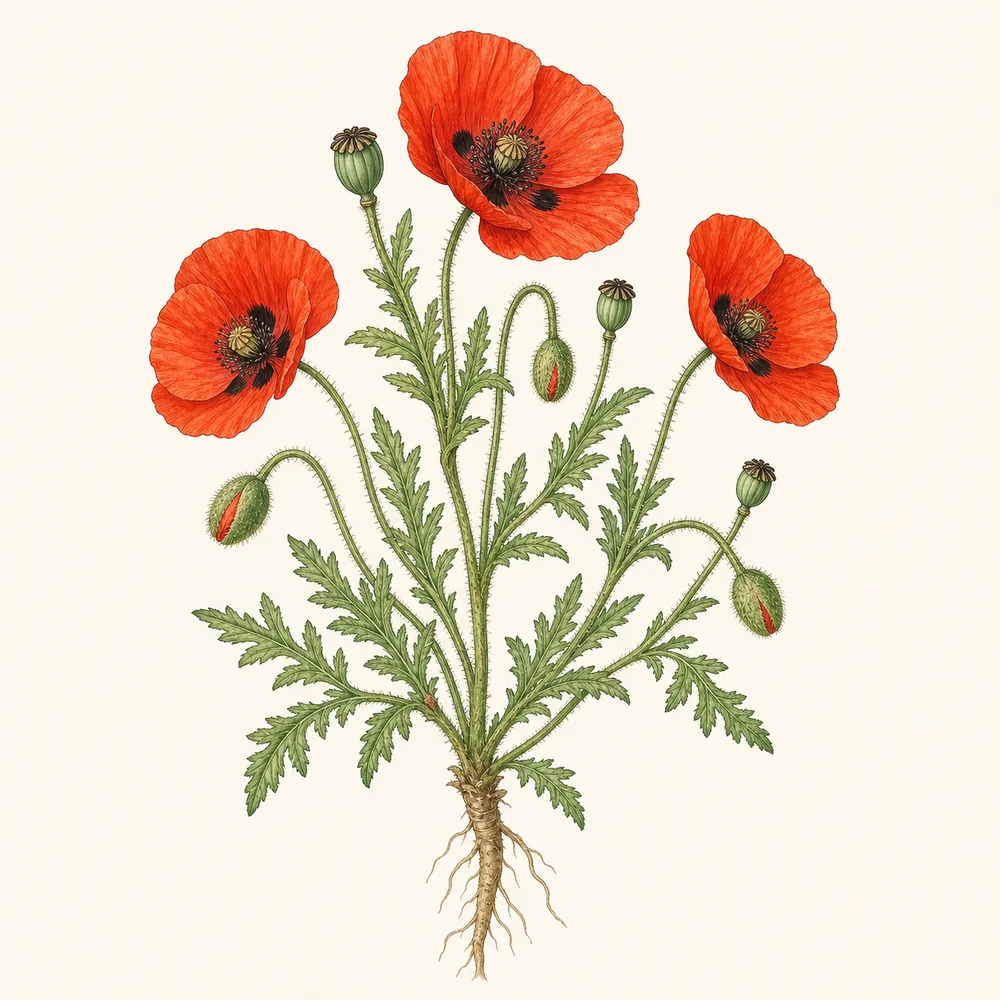
Field Poppy
The scarlet poppy of cornfields and roadside verges — a native annual that erupts from disturbed bare ground in a blaze of red each summer. It asks for almost nothing but open soil and sun, self-seeds prolifically, and its pollen is a magnet for bees. The one wildflower that positively wants bare earth, not turf.
Harmful if eaten (poppy alkaloids)
Poppies (Papaver) contain mildly toxic alkaloids and the RHS flags them as harmful if eaten. The field poppy is at the low end, but the milky sap, foliage and seed pods can still upset a curious pet or child, so we treat it as one to keep an eye on rather than stamp safe.
Care at a glance
Everything that matters, in six lines. The detail is further down.
Light
Field poppies need full sun. They're plants of open, unshaded ground and simply won't establish or flower in shade.
Water
An undemanding annual that copes well with dry summers once up. Water only in a prolonged drought while seedlings are getting going.
Hardiness
A hardy annual: autumn-sown seed germinates and sits as a small rosette over winter, then flowers earlier and bigger the next summer.
Soil
Wants open, disturbed soil with no competition — exactly the freshly turned bare ground it colonises in the wild. Poor soil is fine.
Feeding
Never feed it. Rich soil grows sappy leaf and floppy stems; poppies flower best on lean, unimproved ground with no help at all.
Spread
Each seed-head scatters thousands of long-lived seeds. Leave the pods to ripen and it re-sows itself wherever soil is disturbed and bare.
What to do, and when
Autumn-sown rosettes race into growth and you can sow more seed now onto bare ground for later flowers. Rake a fresh scrape of open soil, scatter seed thinly and press it in — poppies need light to germinate.
The show — papery scarlet flowers from June through July, each lasting a day or two but replaced daily, and busy with bees gathering pollen. Leave plenty of pods to ripen and shed seed for next year.
The best time to sow for the strongest plants: autumn-sown poppies overwinter as small rosettes and flower earlier and larger. Lightly disturb the soil where you want them and let the seed fall or sow fresh.
Nothing to do. Autumn seedlings sit tight through the cold as tiny rosettes, and the season's shed seed waits in the disturbed soil for spring.
The wildflower that wants bare soil
Most of this site's meadow flowers are perennials that live in permanent turf. The field poppy is the odd one out — an annual of disturbed, bare ground. In the wild it's a plant of ploughed fields and freshly dug verges, and its seed can lie dormant in the soil for decades, springing to life the moment the ground is turned and light reaches it.
That completely changes how you grow it. Sowing poppies into established grass or a settled meadow gets you almost nothing, because there's no open soil for them to colonise. They want a bare, cultivated scrape with the competition cleared away — the opposite of what a cowslip or ox-eye daisy needs.
How to sow them
Prepare a patch of open, weed-free soil, rake it to a rough tilth and scatter the fine seed thinly over the surface. Do not bury it — poppy seed needs light to germinate, so press it into the surface with the back of the rake or tread it in, and leave it uncovered.
You can sow in spring for summer flowers, but autumn sowing gives the best plants: the seedlings overwinter as small rosettes and come away in spring far stronger, flowering earlier and bigger than spring-sown ones. Mix the tiny seed with a little dry sand to help you spread it evenly, and don't thin too hard — poppies flower well grown fairly close.
Keeping it going year after year
Because it's an annual, a poppy patch only persists if fresh seed keeps germinating — and that means keeping some soil open. Leave the seed-heads to ripen and shed (each capsule holds thousands of seeds), and each autumn or spring lightly disturb a bit of the ground: hoe it, rake it, scuff it up. That disturbance is the trigger the buried seed is waiting for.
Left completely undisturbed, a poppy patch fades as grass and perennials close over the bare soil, though the seed stays viable in the ground for years and reappears if the ground is dug again. If you want poppies among a perennial meadow, keep a few deliberately cultivated bare patches within it rather than expecting them to thread through the turf.
Wildlife value
Field poppies produce no nectar, but they're an outstanding source of pollen. The big bowl-shaped flowers with their dark central boss are worked hard by bees — honeybees and bumblebees especially — collecting the abundant dark pollen through the morning before the day's flowers drop their petals.
Later, the pepper-pot seed-heads feed seed-eating birds, and the sheer quantity of seed a patch produces makes it a reliable food source. For a low-effort splash of colour that genuinely supports pollinators, few annuals earn their place as well — just keep the ground open so it returns each year.
Common problems
No poppies the following year
Almost always because the soil closed over. Poppies need open, disturbed ground to germinate — hoe or rake a bare patch each autumn to trigger the buried seed.
Poor germination from sowing
Usually the seed was buried. Poppy seed needs light, so sow onto the surface and press it in rather than covering it, and sow in autumn for the strongest plants.
Tall, floppy, few flowers
A sign of soil that's too rich. Poppies flower best on lean, unimproved ground — never feed them, and grow them hard for sturdier stems and more bloom.
Flowers gone by mid-morning
Not a problem, just their nature — each poppy lasts only a day or two and drops its petals, but the plant opens fresh flowers daily over a long run, so the display keeps going for weeks.
Everything a poppy patch needs
Bare disturbed soil, full sun, and seed sown on the surface.
We take no commission on anything in the "save your money" tier — if we don't think you should buy it, we don't link it. How our recommendations work
If you like this, try
Other plants with a similar temperament.
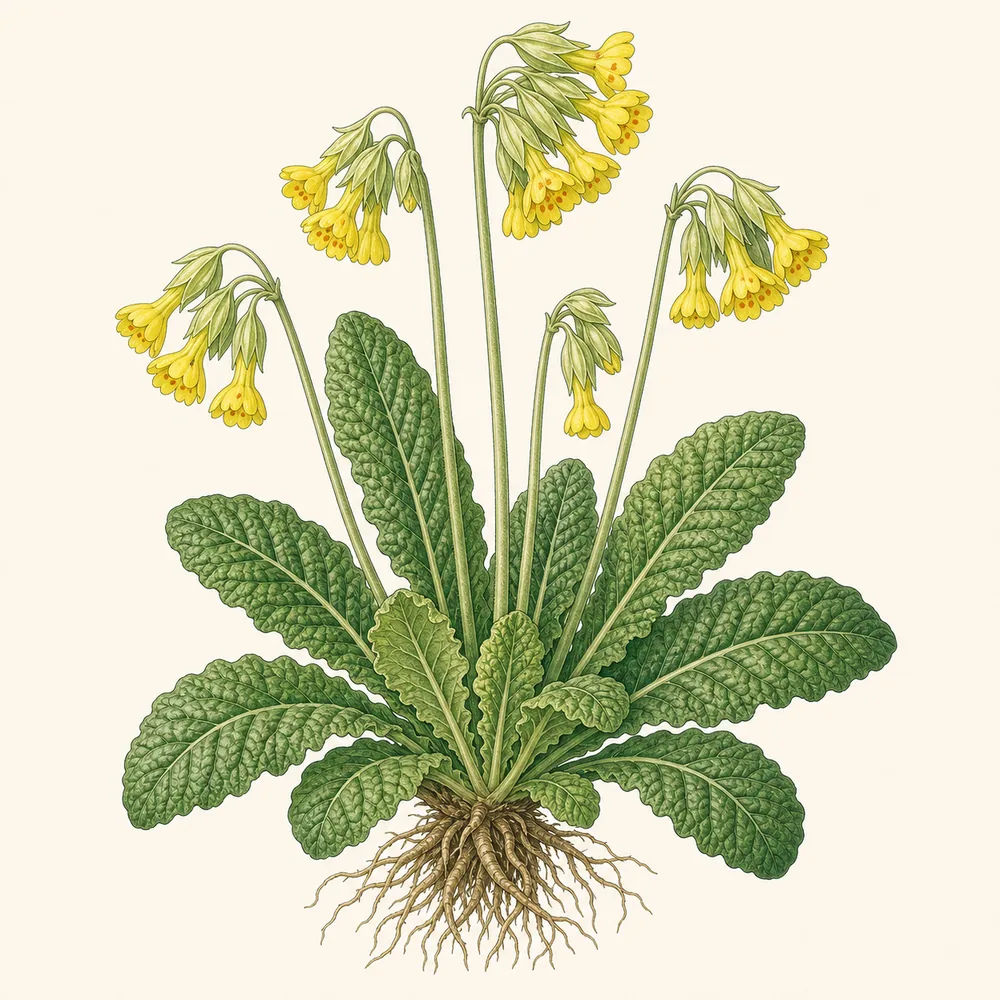
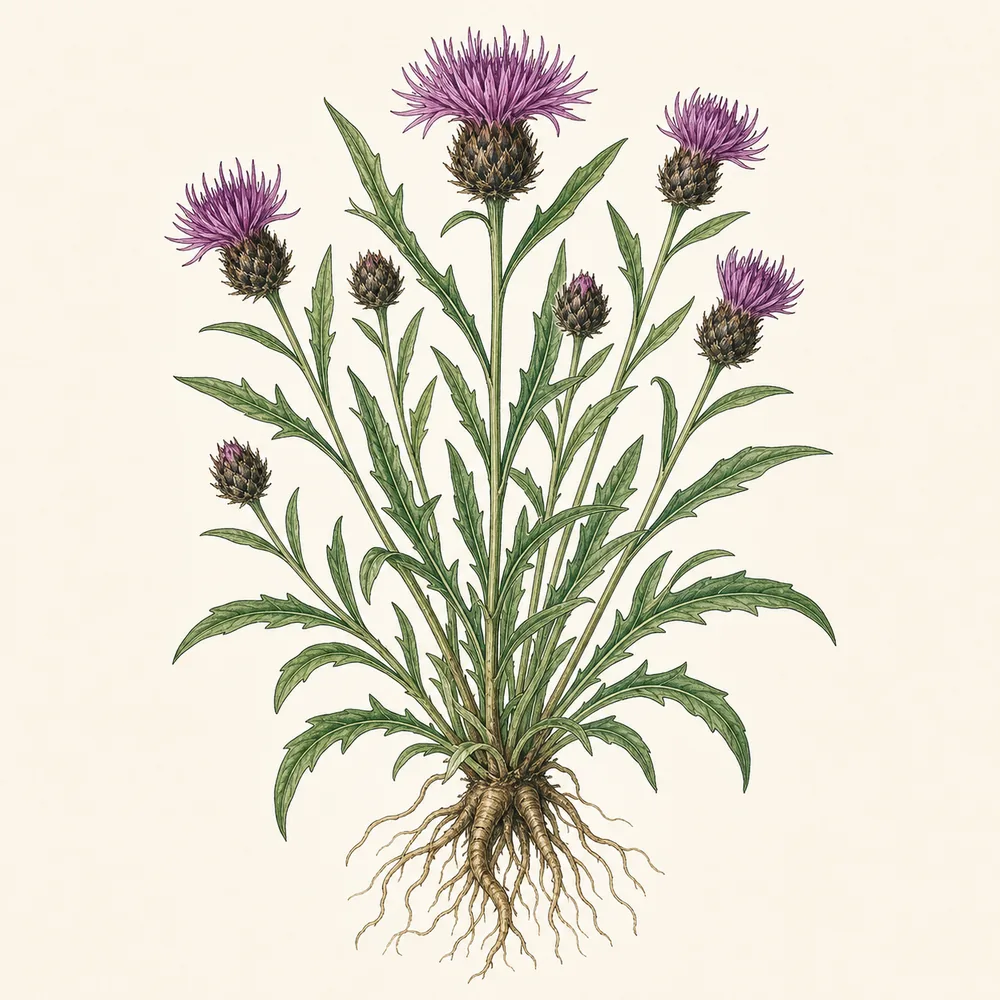
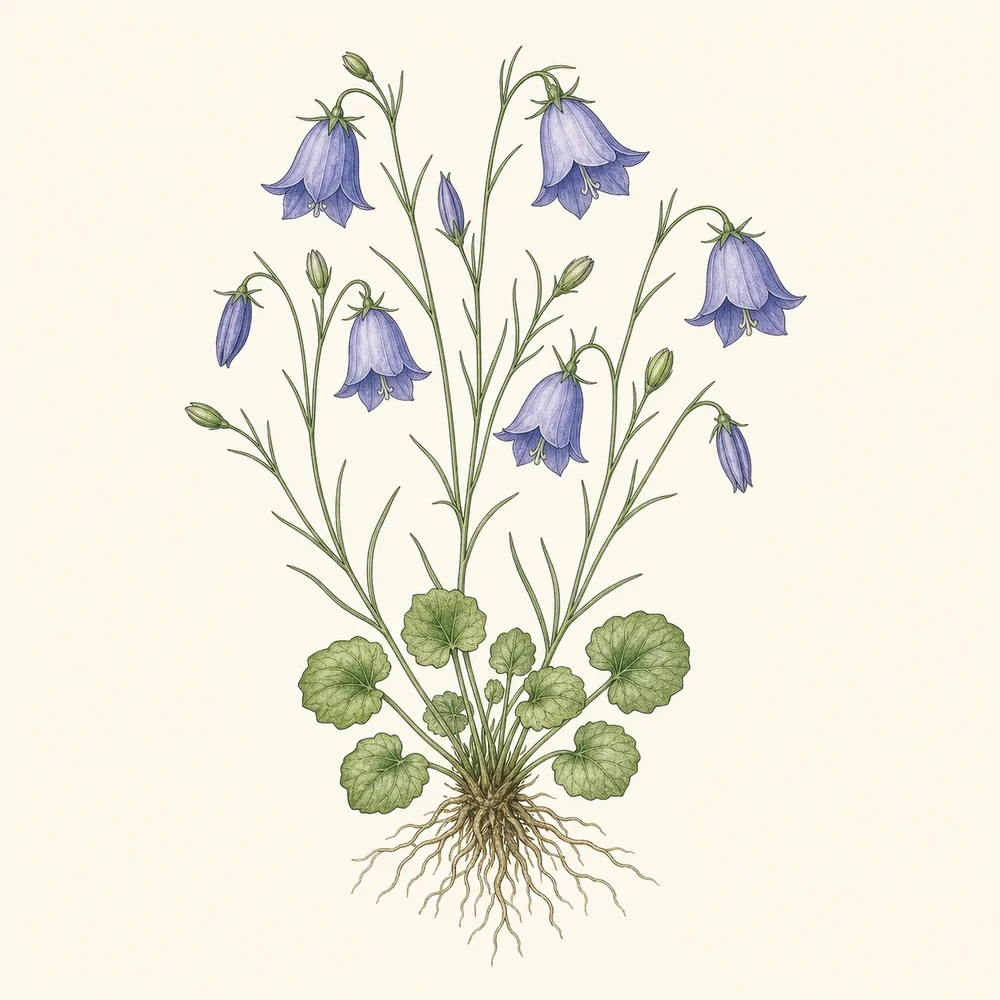
How we checked this
Care cross-checked against the RHS, which lists Papaver (poppies) as harmful if eaten — the plant contains alkaloids in sap, foliage and pods. If our page and these sources ever disagree, believe them — and tell us.
Sources: RHS · ASPCA — toxic & non-toxic plants
Last reviewed · July 2026