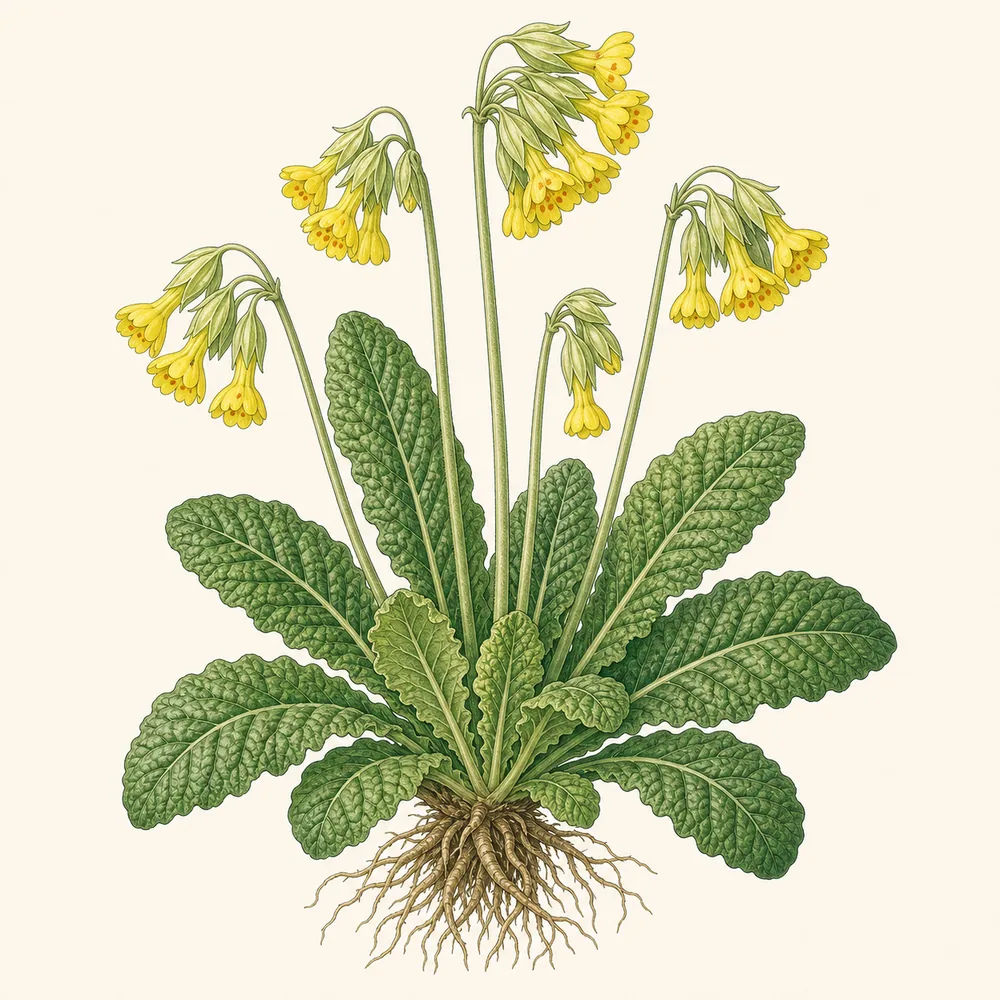
Cowslip
One of the loveliest signs of spring — nodding clusters of scented, deep-yellow flowers on a native grassland perennial. Cowslips are slow to get going from seed but long-lived and undemanding once settled, thriving in short, sunny turf where they feed early bees and bumblebees.
Toxic to cats, dogs & horses (mild)
The cowslip is a Primula, and the ASPCA lists Primula (as 'Primrose') as toxic to cats, dogs and horses — eating it typically causes mild vomiting. Same genus, same caution, so we flag it rather than assume the wild species behaves differently.
Care at a glance
Everything that matters, in six lines. The detail is further down.
Light
Cowslips flower best in open, sunny grassland but are happy in the dappled light at a woodland edge or under deciduous shrubs.
Water
They like ground that stays reasonably moist in spring yet never waterlogs. Established plants cope with summer dryness once flowering is done.
Hardiness
A native perennial, hardy throughout the UK. The rosette overwinters green at ground level and needs no protection at all.
Soil
Does especially well on chalky or limey soil, and on average unimproved ground. It doesn't need or want a rich, fed bed.
Feeding
No feeding needed. Cowslips are grassland plants adapted to lean soil; feeding only encourages the grass around them to grow rank and smother them.
Spread
Long-lived clumps that thicken slowly and seed gently into short turf. Patience pays — a good colony builds up over several years.
What to do, and when
The main event — clusters of scented yellow flowers nod above the leaf rosettes from April into May, feeding early queen bumblebees. Leave them to flower and set seed; resist mowing the patch until the seed has ripened.
Flowering finishes and seed ripens in early summer — collect a little to sow fresh, or let it fall. Once the seed has dropped, give the grassland its first cut of the year and rake off the arisings.
A good time to sow fresh seed (it needs winter cold to germinate) and to plant or divide pot-grown plants into short turf while the soil is moist and warm.
The plant rests as a flat green rosette through the cold. Keep the surrounding grass short over winter so the low rosettes aren't shaded or swamped come spring.
A grassland plant, not a border flower
The cowslip evolved in open, unimproved grassland — old meadows, chalk downland, road verges and sunny banks — and it does best when you grow it that way, in short turf rather than a cultivated bed. It's happiest on neutral-to-alkaline soil and is one of the classic wildflowers of chalk and limestone country.
That grassland habit shapes everything about growing it. It likes to sit among fine grasses and other low wildflowers, not in bare cultivated soil, and the management is about looking after a patch of turf rather than tending an individual plant. Get it into the right sort of grass and it's genuinely long-lived and self-reliant.
Patience from seed
Cowslip seed is slow and needs a spell of winter cold to break its dormancy, so sow it fresh in autumn and let the frosts do their work — sown warm in spring it often just sits and sulks. Even then, germination can be uneven and seedlings are tiny at first, so don't expect a quick display.
The honest quickest route to flowers is to raise plants in modules or buy pot-grown plants and plant them into slits in existing short turf. A plug planted in autumn will usually flower the following spring, where seed can take two years or more to reach flowering size. It's the one meadow flower where buying plants really earns its keep.
Managing the turf around them
The key to a lasting cowslip colony is timing your cut around their spring flowering. Let the grass and cowslips grow up together, let the plants flower and set seed through April to early summer, and only take the first cut once the seed has ripened and dropped — usually from midsummer.
Then keep the turf fairly short through late summer and autumn. Cowslips are low-growing and hate being shaded out by tall grass, so this after-flowering shortness is what lets the rosettes and seedlings get the light they need. Always rake the clippings off to keep fertility low. In effect it's a spring meadow: grow long and flowery early, then keep short and lean for the rest of the year.
Early food for bees
Cowslips flower early, when little else is out, which makes them disproportionately valuable to wildlife. The nodding, tubular yellow flowers are worked by queen bumblebees emerging in spring and by long-tongued bees and early butterflies that can reach the nectar at the base of the tube.
They also cross-pollinate readily with wild primroses where the two grow together, and are a food plant for some moth caterpillars. A drift of cowslips in spring grass is one of the surest ways to support pollinators at the leanest, hungriest point of their year.
Common problems
Slow or patchy germination
Cowslip seed needs winter cold to break dormancy. Sow fresh in autumn and be patient, or skip the wait and establish the colony from pot-grown plants.
Rosettes shaded out by tall grass
Low cowslips vanish under rank grass. Keep the turf short from midsummer through autumn once the seed has dropped, and rake off the clippings each time.
Vine weevil in pots
Container-grown primulas are prone to vine weevil grubs eating the roots — plants wilt and collapse. Check the rootball, and get plants into the ground where the problem is far less common.
Few flowers in deep shade or rich soil
Heavy shade or fed, fertile ground gives leaf at the expense of bloom. Give them an open, sunny spot in lean, well-drained soil and the flowering improves.
Everything a cowslip colony needs
Short sunny turf, lean soil, and a little patience.
We take no commission on anything in the "save your money" tier — if we don't think you should buy it, we don't link it. How our recommendations work
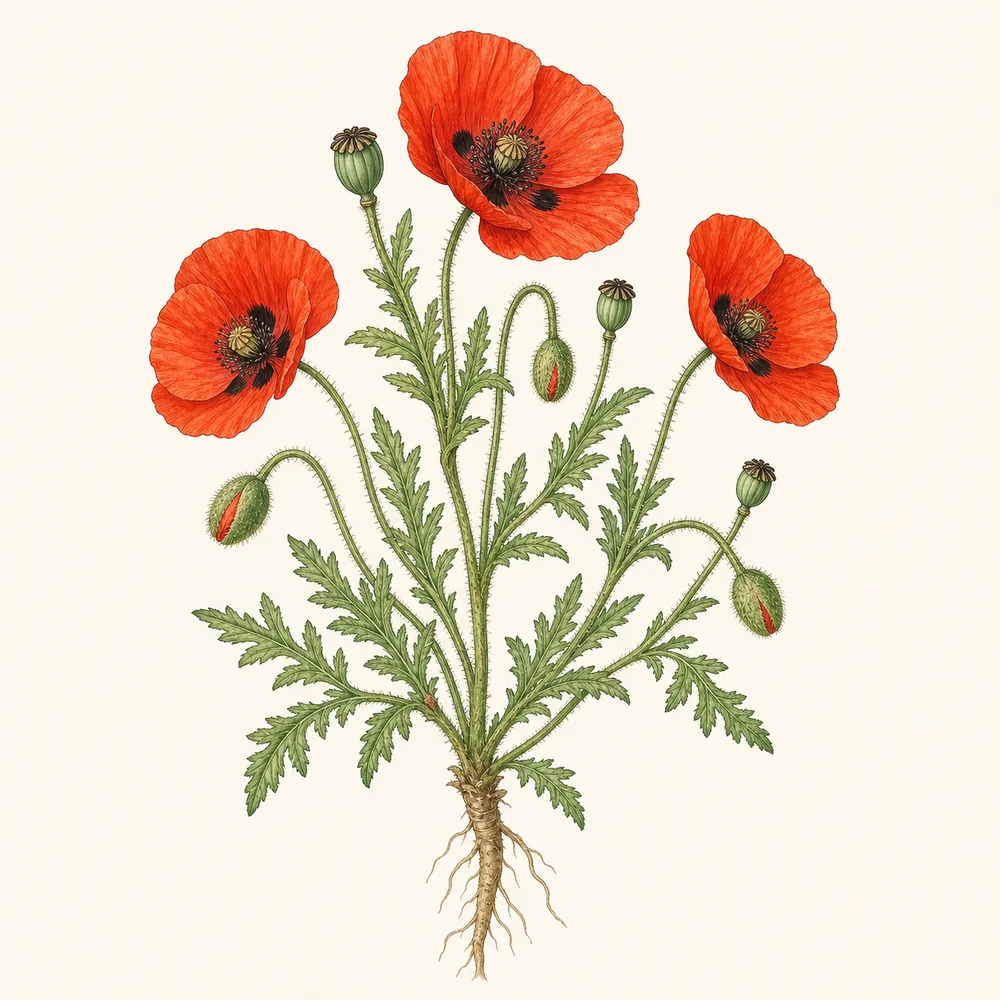
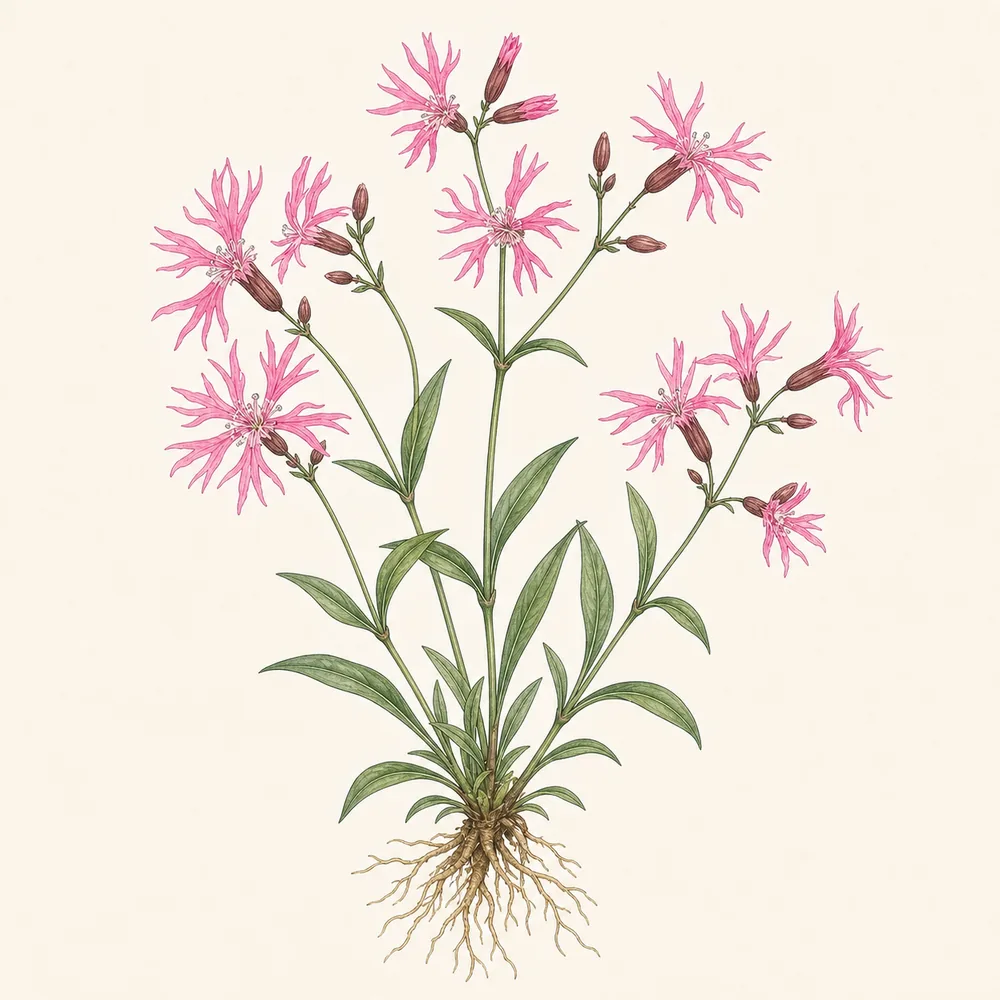
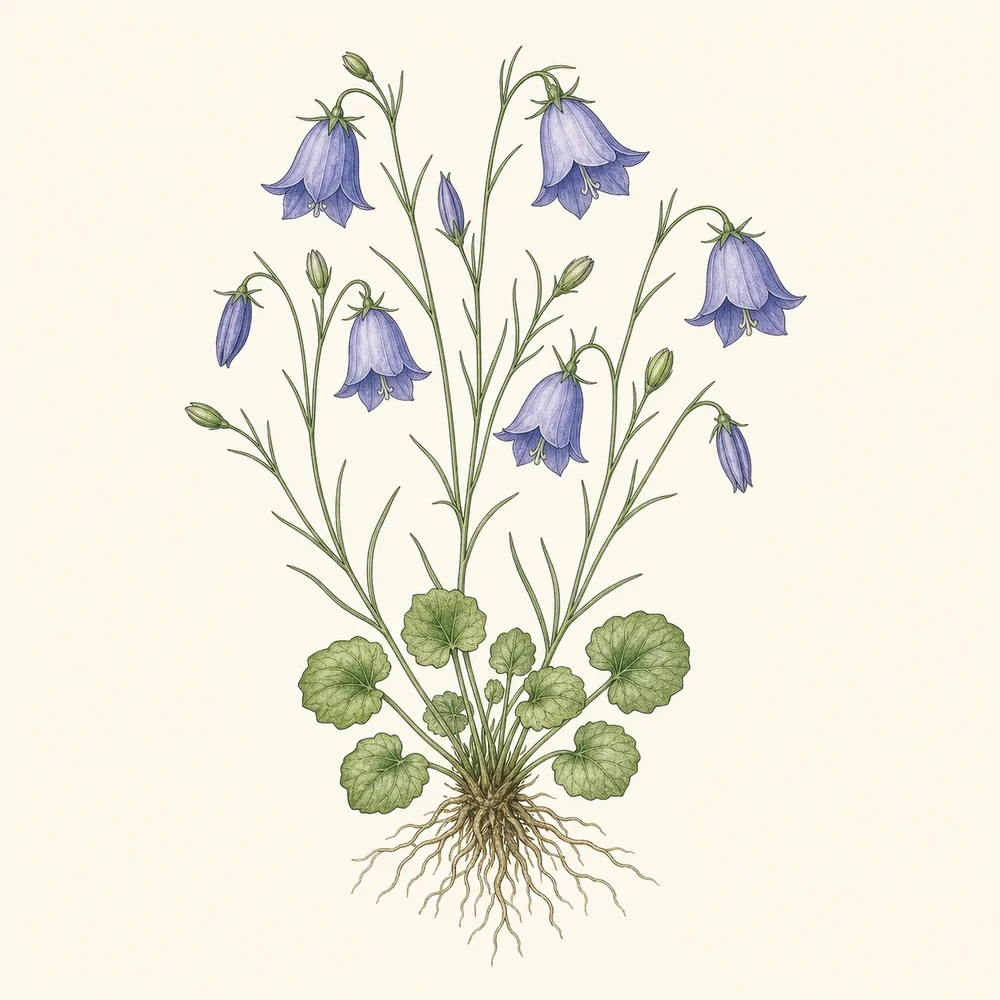
If you like this, try
Other plants with a similar temperament.
How we checked this
Care cross-checked against the RHS. Toxicity taken from the ASPCA database, which lists Primula ('Primrose', Primula vulgaris) as toxic; the cowslip (Primula veris) is the same genus. If our page and these sources ever disagree, believe them — and tell us.
Sources: RHS · ASPCA — toxic & non-toxic plants
Last reviewed · July 2026