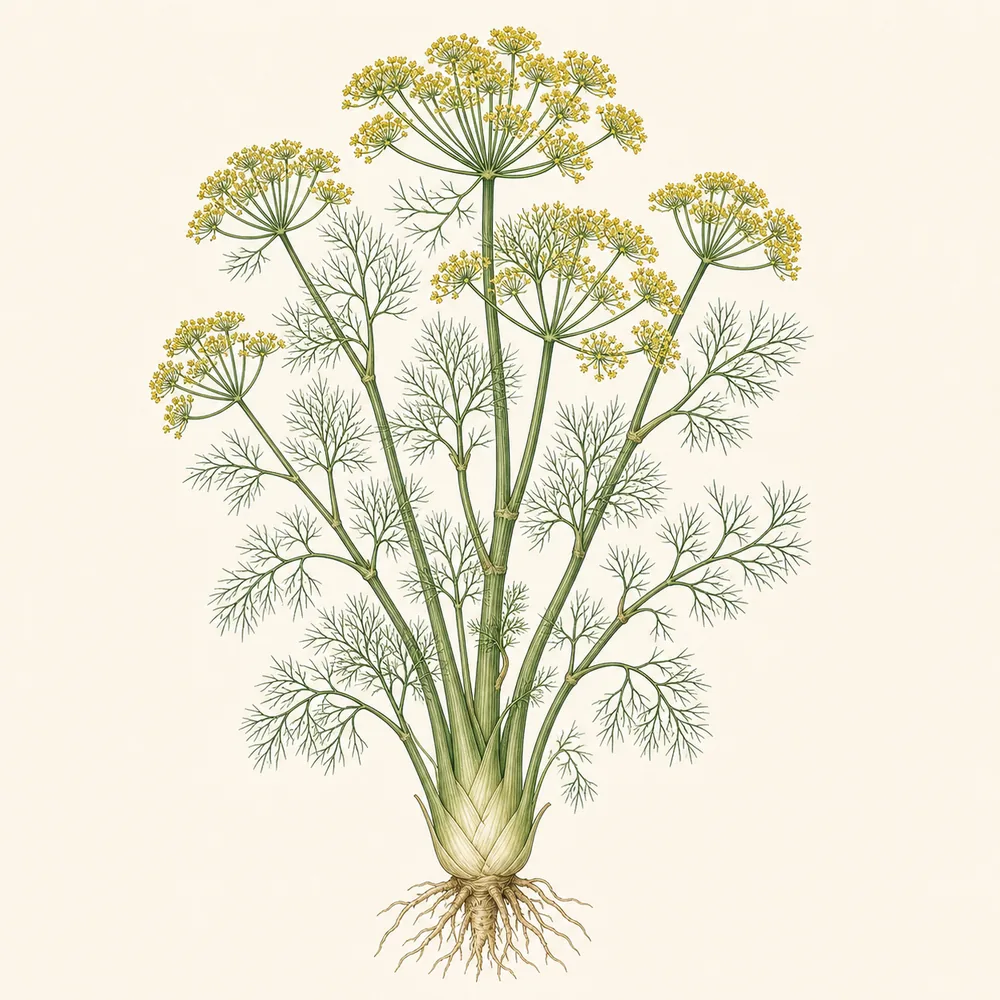
Fennel
A tall, aniseed-scented perennial herb with clouds of feathery foliage and yellow pollinator-magnet flowers. Handsome, pet-safe and easy — though it self-seeds with enthusiasm.
Safe around cats & dogs
Fennel (Foeniculum vulgare) is listed as non-toxic to cats, dogs and horses on the ASPCA database — a safe herb, and a favourite of pollinators too.
Care at a glance
Everything that matters, in six lines. The detail is further down.
Position
A sunny, open spot. It can reach 1.5–2 m, so give the herb fennel some room.
Water
Drought-tolerant once settled; water new plants in dry spells.
Hardiness
Fully hardy; cut down the old stems in late winter and it returns each spring.
Soil
Well-drained soil. It resents cold, wet winter ground.
Feeding
A tough plant that needs no real feeding in reasonable soil.
Harvest
Snip foliage through summer; collect ripe seed, or cut flowers to limit self-sowing.
What to do, and when
New shoots appear from the crown. Sow seed now, or divide established clumps.
Tall growth and flat yellow flowerheads alive with insects. Pick leaves as needed.
Seed ripens — collect it, or cut flowerheads off to curb prolific self-seeding.
Dies back; cut the old stems down and it re-sprouts in spring.
Herb fennel vs Florence fennel
Two plants share the name. Herb fennel (this one) is a tall hardy perennial grown for its aniseed leaves and seeds. Florence fennel is an annual grown for its swollen bulb-like base — a different crop with different care.
Both are non-toxic. Herb fennel is about as easy as a perennial gets, thriving on poor soil and full sun with almost no attention.
Give it room and light
A mature clump is tall and airy, so plant it at the back of a bed where it won't shade smaller herbs. The bronze-leaved form is especially ornamental.
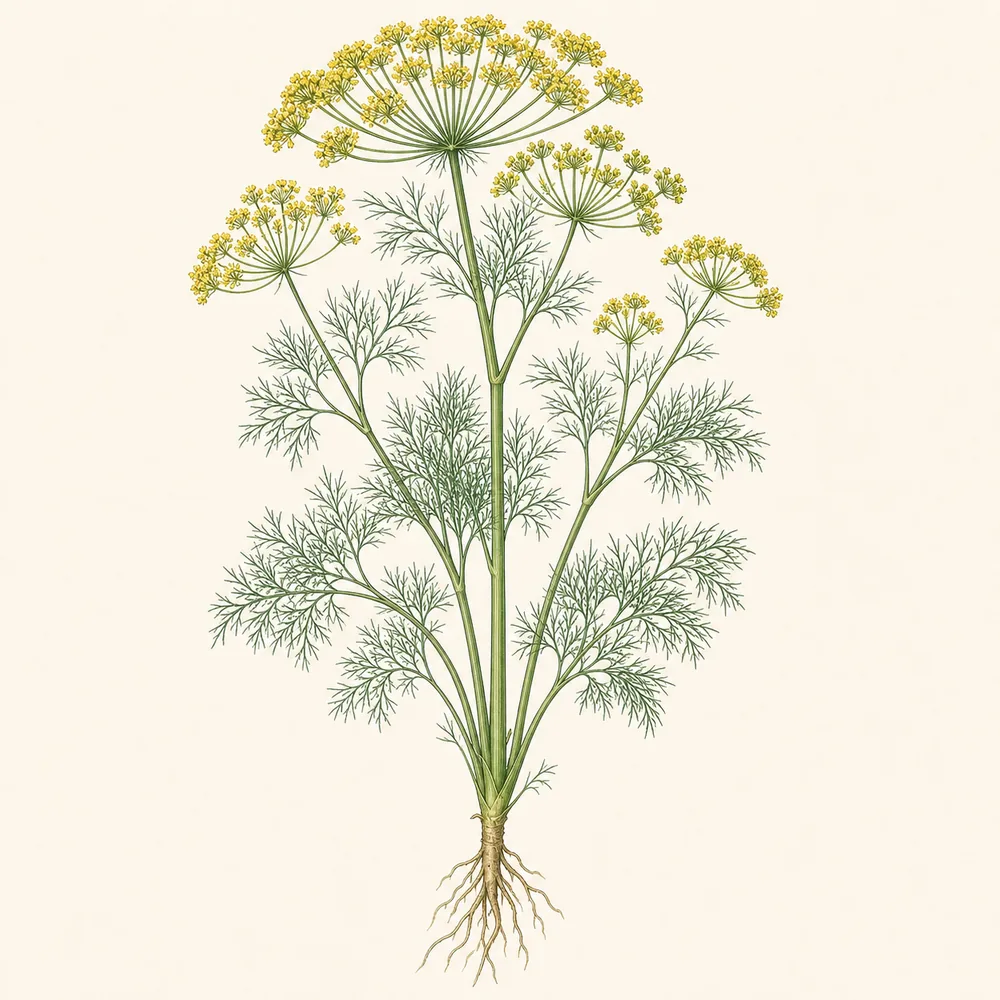
Keep it apart from dill, which it crosses with, and cut it back hard in late winter for fresh growth.
Common problems
Seedlings everywhere
Prolific self-seeding. Cut flowerheads before the seed drops.
Flopping in rich soil
Too much feeding. It's happier and sturdier on poorer ground.
Rotting over winter
Cold, wet soil. Improve drainage; it hates waterlogging.
Crossed seedlings
Grown too near dill. Keep the two apart.
Everything for fennel
Sun, space and free-draining soil — then leave it be.
We take no commission on anything in the "save your money" tier — if we don't think you should buy it, we don't link it. How our recommendations work
If you like this, try
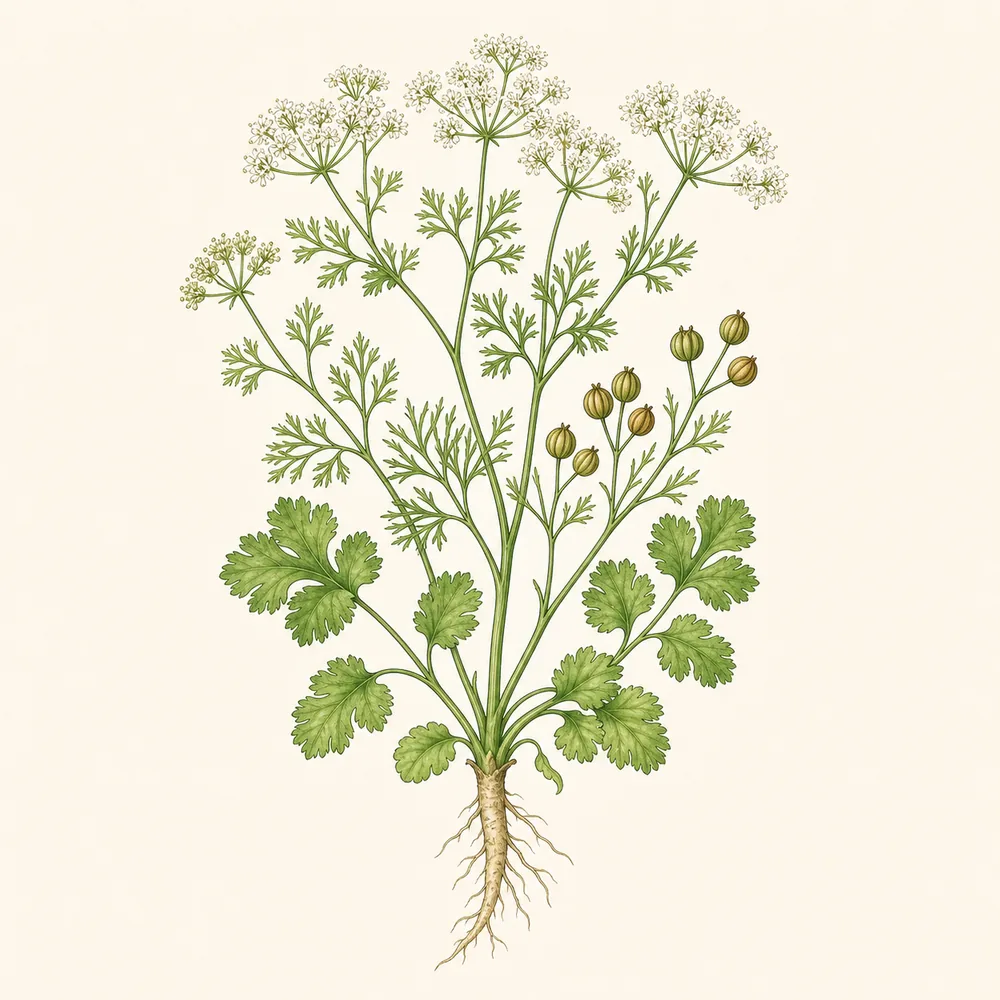
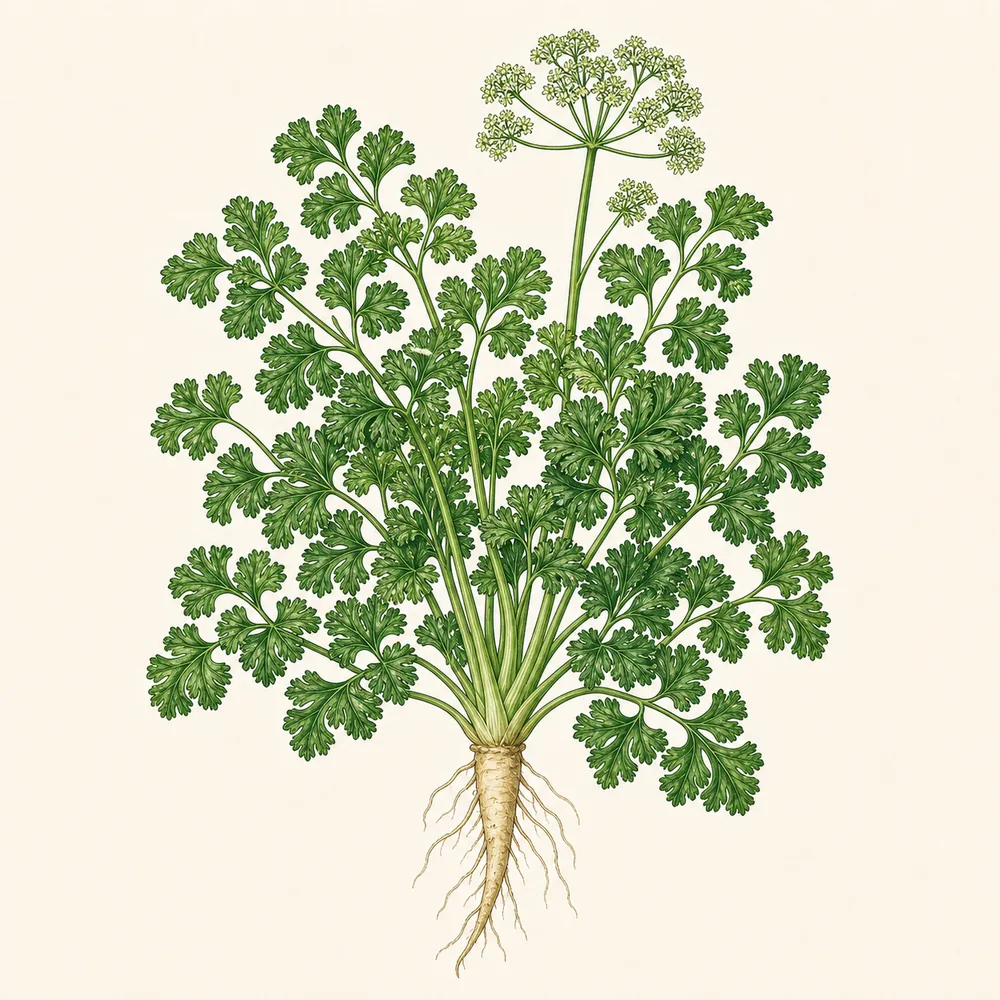
Other plants with a similar temperament.
How we checked this
Care cross-checked against the RHS. Toxicity confirmed against the ASPCA database, which lists fennel (Foeniculum vulgare) as non-toxic to cats, dogs and horses. If our page and these sources ever disagree, believe them — and tell us.
Sources: RHS · ASPCA — toxic & non-toxic plants
Last reviewed · July 2026