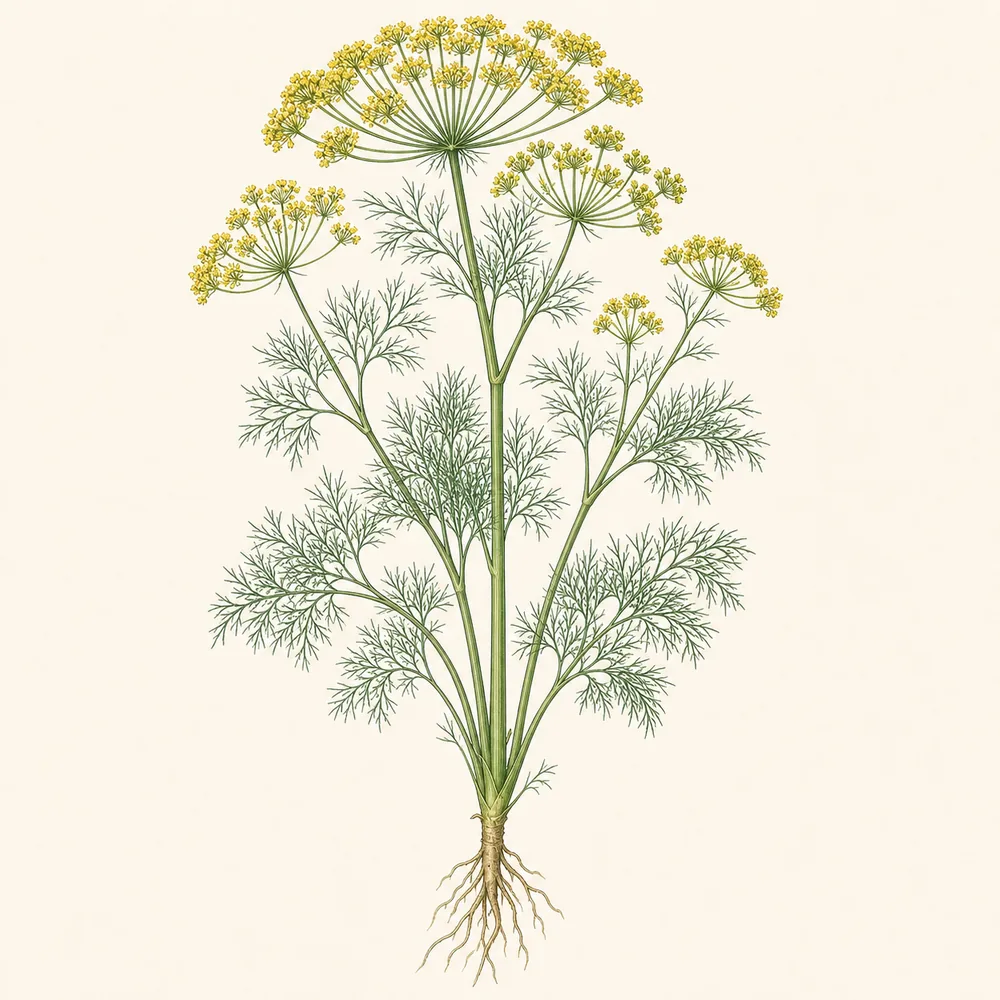
Dill
Feathery, aniseed-scented leaves and flat yellow flowerheads loved by pollinators. An easy, pet-safe annual for leaf and seed — just sow it where it's to grow.
Safe around cats & dogs
Dill (Anethum graveolens) is listed as non-toxic to cats, dogs and horses on the ASPCA database — a safe and useful herb to grow near pets.
Care at a glance
Everything that matters, in six lines. The detail is further down.
Position
A warm, sunny, sheltered spot. Tall plants may need a little support in wind.
Water
Water in dry spells to keep it leafy; drought sends it quickly to flower.
Hardiness
Sow spring to midsummer; it completes its life in a season and self-seeds happily.
Soil
Light, free-draining soil. It dislikes heavy, wet ground.
Feeding
Undemanding — a poor-to-average soil is fine; avoid heavy feeding.
Harvest
Cut feathery leaves as needed; let some flower for seed and pollinators.
What to do, and when
Sow direct outdoors from mid-spring, in short successional batches.
Peak growth. Keep sowing for a supply of young leaf, and let some plants flower.
Collect seed from the ripe flowerheads; the plant dies back after seeding.
Over for the year outdoors; self-sown seedlings may appear next spring.
Sow direct, keep it coming
Like its cousin coriander, dill has a long taproot and resents transplanting, so sow it straight into the ground or a deep pot. Keep it watered in dry weather and it stays leafy for longer before flowering.
Sow a little every few weeks for a steady run of young leaf, and don't crowd it — thin seedlings so each has room.
Leaf, seed and pollinators
Pick the feathery foliage young for cooking. Left to flower, the flat yellow umbels are excellent for bees and hoverflies, and the ripe seeds are the pickling spice.
Dill self-seeds readily, so once you have it you tend to keep it.
Common problems
Flopping over
Wind or rich soil making soft growth. Give a sheltered spot and light support.
Bolting fast
Heat and drought. Keep it watered and sow successionally.
Poor germination
Sow into warm, moist soil and don't let it dry out.
Muddled seedlings
Crossed with nearby fennel. Grow the two well apart.
Everything for dill
Sun, direct sowing and a little water in dry spells.
We take no commission on anything in the "save your money" tier — if we don't think you should buy it, we don't link it. How our recommendations work
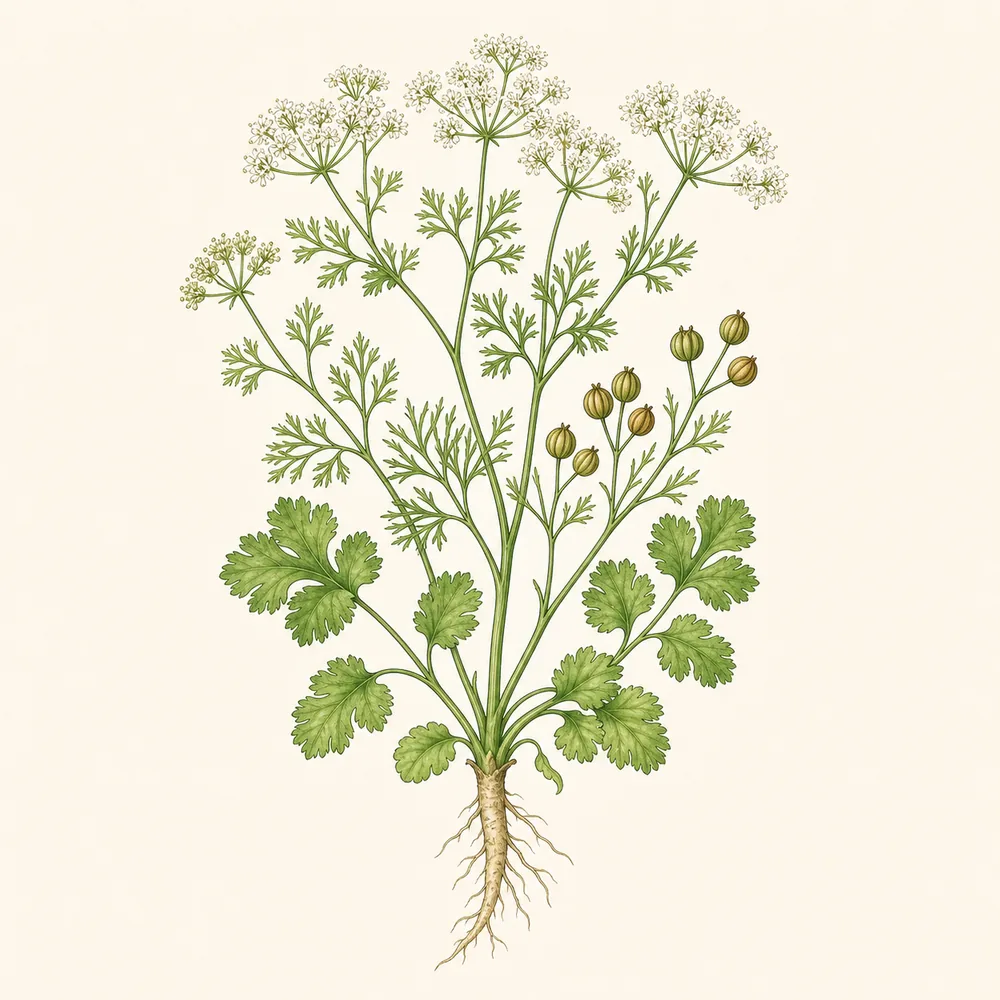
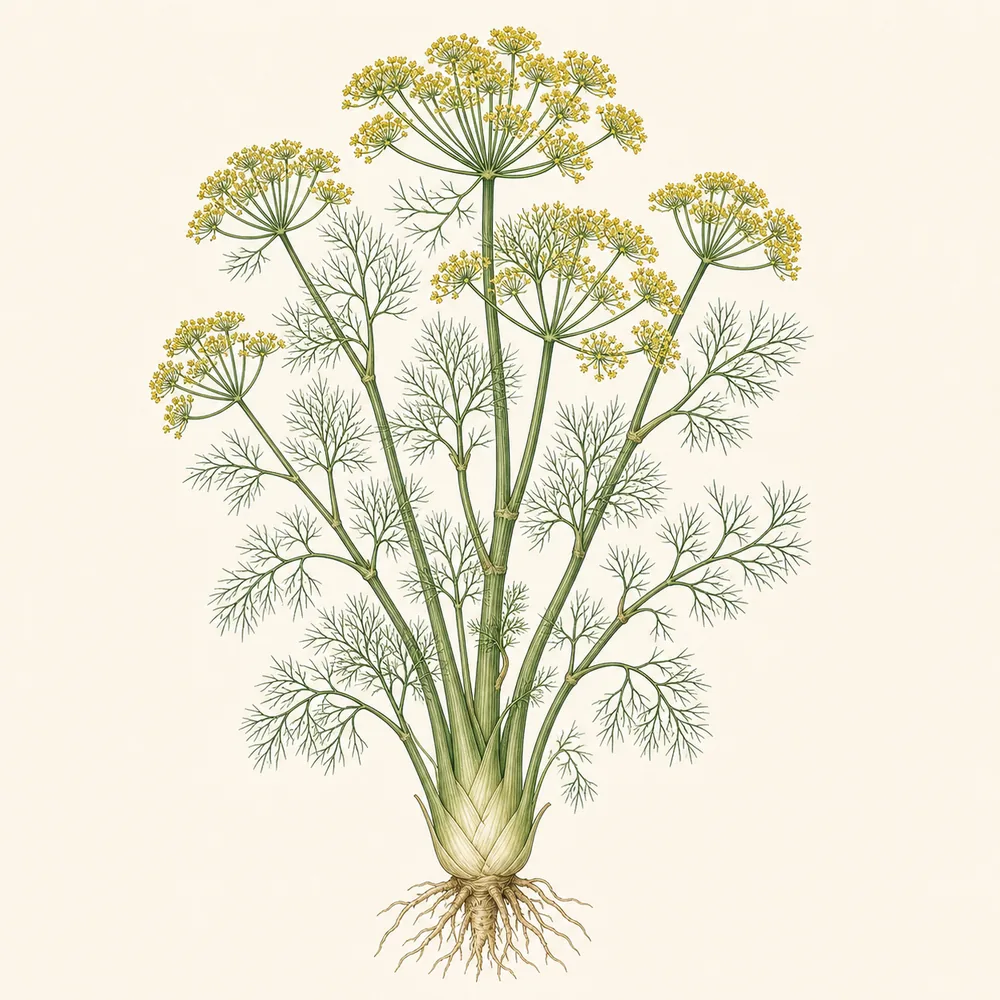
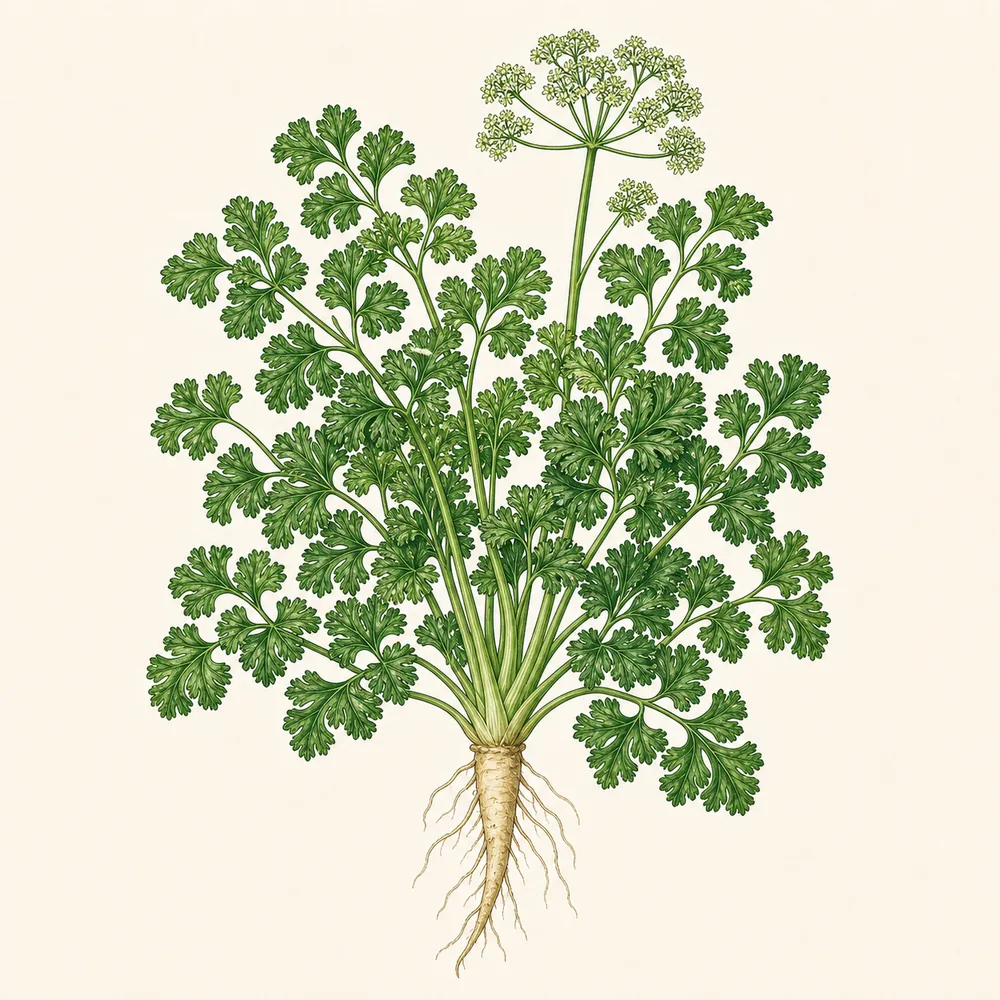
If you like this, try
Other plants with a similar temperament.
How we checked this
Care cross-checked against the RHS. Toxicity confirmed against the ASPCA database, which lists dill (Anethum graveolens) as non-toxic to cats, dogs and horses. If our page and these sources ever disagree, believe them — and tell us.
Sources: RHS · ASPCA — toxic & non-toxic plants
Last reviewed · July 2026