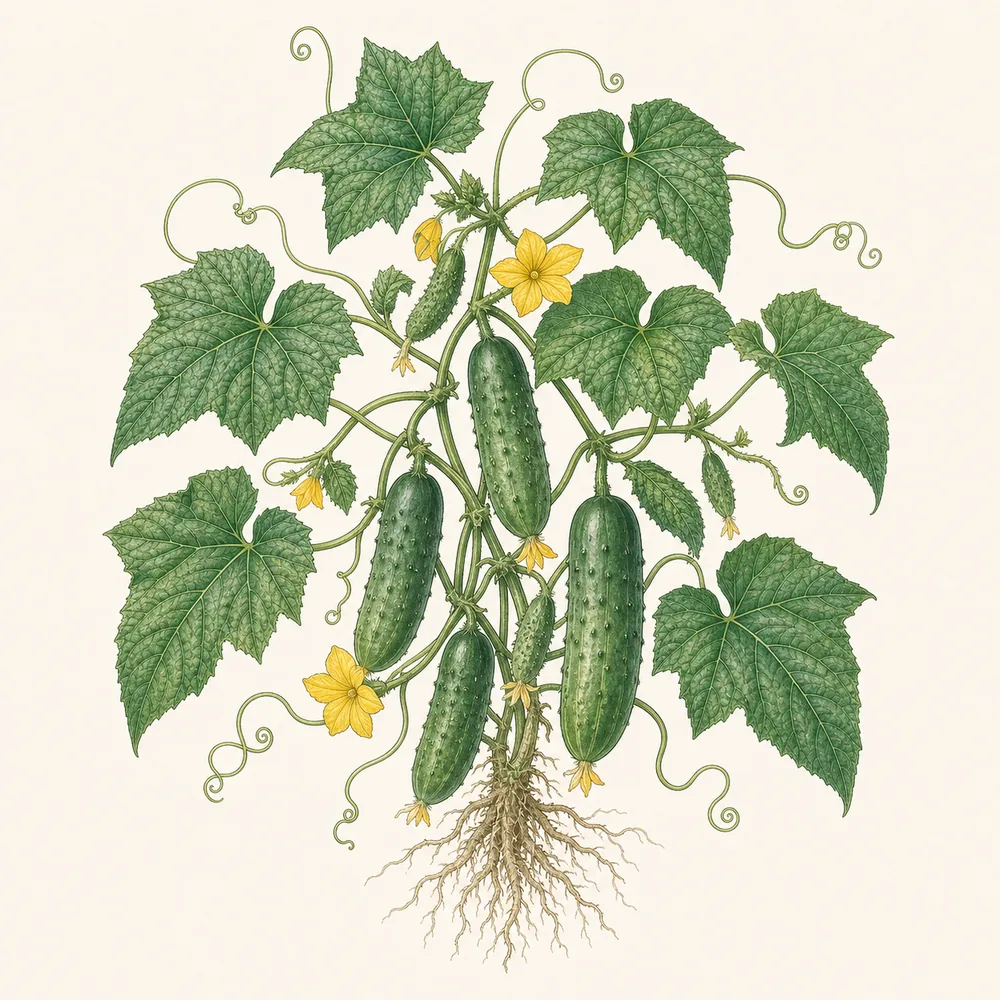
Cucumber
Crisp, cool ridge cucumbers you can pick warm off the plant all summer. They're not hard, but they are tender and thirsty — sow them warm, never let them dry out, and keep picking to keep them coming.
Not listed by ASPCA
The ASPCA doesn't list cucumber as toxic or non-toxic, so we don't stamp it safe. Cucumber is a common food with no known serious toxicity, but with no database entry we flag the gap honestly.
Care at a glance
Everything that matters, in six lines. The detail is further down.
Light
A warm, sunny, sheltered spot gives the best crop; cold and wind check growth and reduce fruiting.
Water
Never let the roots dry out — dry spells make bitter, misshapen fruit. Water at the base, not over the leaves.
Temperature
Sow warm indoors from April; only plant out from late May or June once nights are reliably above about 10 °C.
Spacing
Give each plant room and something to climb — a wigwam or netting keeps fruit clean and off wet soil.
Feeding
Once the first fruits set, feed weekly with a high-potash tomato feed to keep the crop coming.
Soil
Plant into ground enriched with plenty of well-rotted compost that holds moisture but never waterlogs.
What to do, and when
Sow seed on edge, warm indoors from April. Pot on and harden off carefully, planting out only once frost has passed.
Peak season. Keep plants well watered and fed, train the climbers up their support, and pick fruit regularly.
Crop tails off as nights cool. Take the last cucumbers and clear plants once the first frosts blacken them.
Nothing to do outdoors. Plan next year and order seed of reliable ridge or all-female varieties.
Ridge or greenhouse — pick the right type
Outdoors in the UK you want ridge cucumbers — tougher, knobblier-skinned types bred to crop in the open, unlike the smooth greenhouse cucumbers that need heat and shelter.
Modern all-female F1 ridge varieties are the easiest of all: they set fruit without pollination and rarely turn bitter. If you grow an older outdoor variety, that's the type to watch for bitterness in a dry spell.
Water is everything
Cucumbers are more than 95% water and it shows — they need a steady, generous supply at the roots all season. A plant that dries out and is then flooded produces bitter, bloated, or crooked fruit.
Water at the base of the plant rather than over the leaves, ideally in the morning, and mulch around the stem to lock moisture in. In hot spells outdoor plants may need watering every day.
Keep picking
The more you pick, the more you get. Harvest cucumbers young and firm, while the skin is still glossy — a cucumber left to swell and yellow tells the plant to stop making new ones.
Cut rather than tug them off with a sharp knife or snips, leaving a short stub of stalk. Check the plants every couple of days at the height of summer; they size up fast in the heat.
Common problems
Bitter fruit
Usually stress from dry roots or cold. Keep watering steady and grow modern all-female varieties, which rarely turn bitter.
Fruit rotting at the tip
Damp, still conditions and fruit sitting on wet soil. Grow up a support, water at the base, and improve airflow.
Powdery mildew on leaves
White dusty patches, common late in dry summers. Water regularly at the roots and don't let plants get parched.
Flowers but no fruit
Early flush is often all male flowers, or it's simply too cold. Warmth and patience usually sort it as the season warms.
Everything an outdoor cucumber needs
Warmth, rich moist soil, and something to climb.
We take no commission on anything in the "save your money" tier — if we don't think you should buy it, we don't link it. How our recommendations work
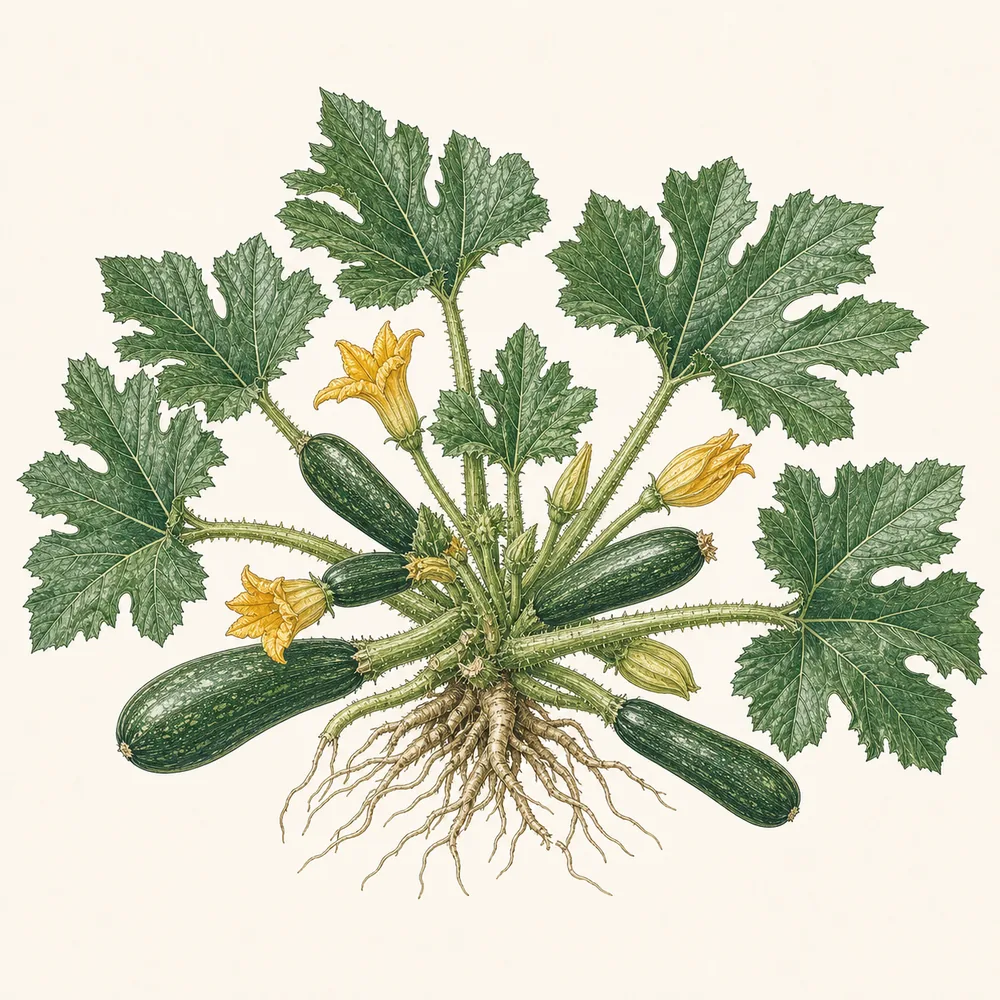
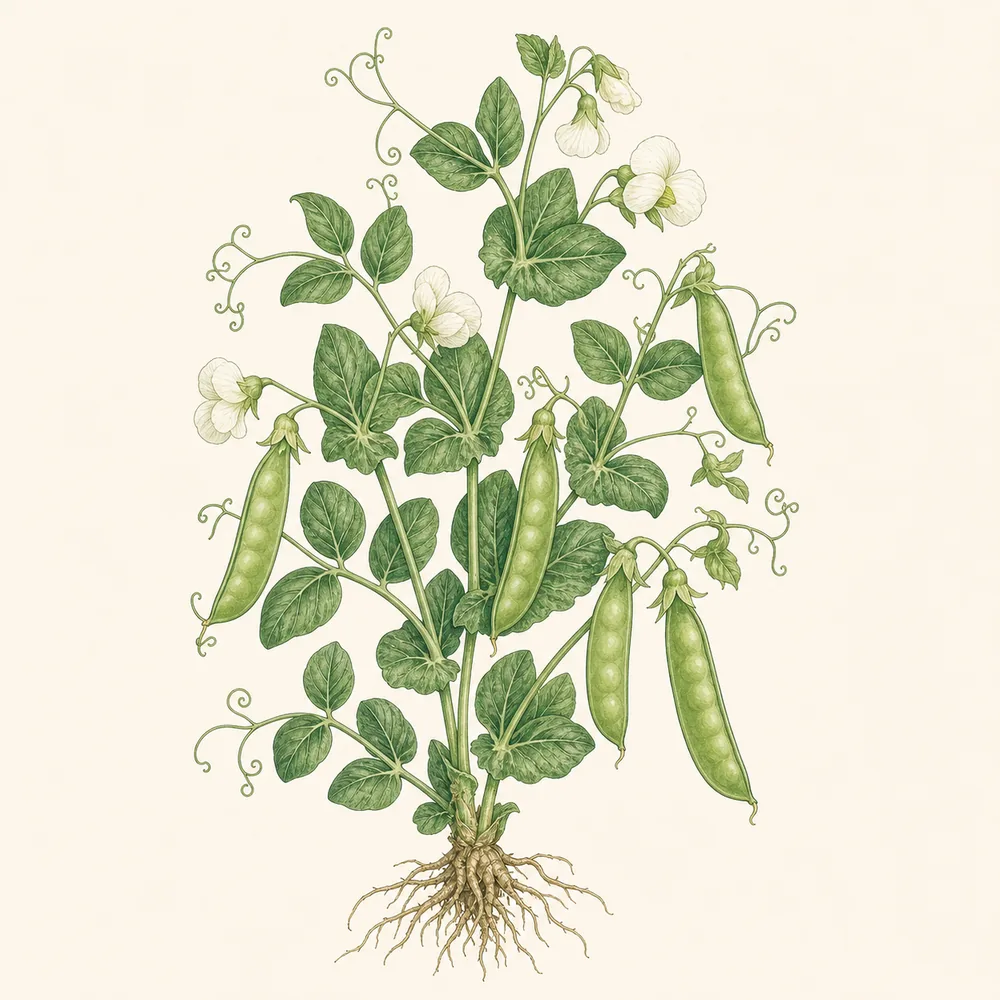
If you like this, try
Other plants with a similar temperament.
How we checked this
Care cross-checked against the RHS. The ASPCA does not list cucumber, so its pet-safety is unconfirmed and we have not stamped it safe. If our page and these sources ever disagree, believe them — and tell us.
Sources: RHS · ASPCA — toxic & non-toxic plants
Last reviewed · July 2026