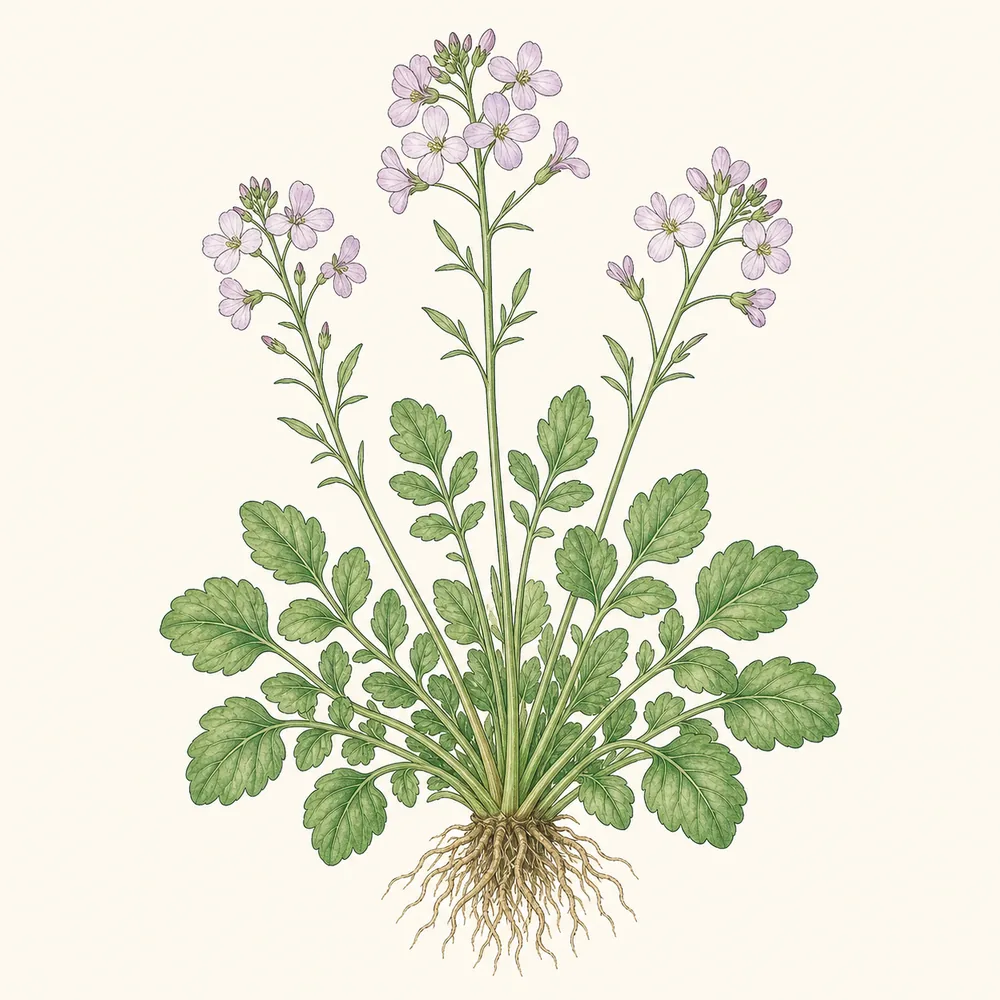
Cuckooflower
One of the earliest wildflowers of spring — delicate spires of pale lilac-pink flowers rising over damp grass around the time the first cuckoo calls. It's the main food plant of the orange-tip butterfly, and easy anywhere the soil stays reliably moist.
Not listed by ASPCA
The ASPCA doesn't list the cuckooflower, so we don't stamp it safe. It's a UK native wildflower with no recorded serious toxicity to pets, but with no database entry we flag the gap honestly rather than guess.
Care at a glance
Everything that matters, in six lines. The detail is further down.
Light
Happy in full sun or dappled shade, so it suits a damp meadow, a pond edge or the sunnier fringe of light woodland.
Water
A plant of moist ground — wet meadows, ditch sides, stream banks. It flags and disappears on soil that dries out in summer.
Temperature
Hardy right across the UK. It flowers very early, dies back after seeding, and returns from its perennial rootstock each spring.
Spacing
Plant a hand's width apart in short damp grass so the slender early spires stand clear before the grass grows tall.
Feeding
Never feed. It belongs on damp, low-fertility ground; rich soil powers up grasses that overwhelm this early, low-growing flower.
Soil
Wants soil that stays reliably moist — heavy loam, clay, the edge of a pond or bog. It won't persist on dry, free-draining ground.
What to do, and when
Its season. Pale lilac spires open from April over damp grass as the cuckoo returns, and orange-tip butterflies arrive to lay eggs on them.
Flowering finishes and slim seedpods ripen, flinging seed as they dry. The plant dies back; leave the grass uncut until pods have shed.
Dormant, resting in the moist ground. A good time to sow fresh seed or plant plugs into damp turf while the soil is soft and warm.
Sits below ground as a resting rootstock. Nothing to do; the damp soil holds it safe, ready to be one of the first up in spring.
The orange-tip's nursery
Cuckooflower is the classic food plant of the orange-tip butterfly. The females lay a single bright orange egg on the flower stems in spring, and the caterpillars feed on the developing seedpods. Grow a good patch in damp grass and you're doing one of the most direct things a garden can do for a native butterfly.
It flowers early too — around the time the first cuckoo is heard, which is where both its names come from — so it feeds early bees and hoverflies when little else is open. Few plants pack this much wildlife value into a short spring season.
Damp ground is the whole secret
Get the moisture right and cuckooflower is easy; get it wrong and it simply vanishes. It's a plant of wet meadows, ditch sides and pond edges, and it needs soil that stays reliably damp through spring and doesn't bake hard in summer.
That makes it a perfect choice for the awkward damp spots other flowers dislike — a low corner, a boggy fringe, the margin of a wildlife pond. On dry, free-draining ground, though, it's the wrong plant, and no amount of coaxing will keep it going.
Sowing on moist, poor soil
Sow in autumn onto damp, unimproved ground where it's to grow — never enriched with compost, which feeds the grass that would smother it. Autumn cold helps the seed break dormancy for a good spring showing.
Because it flowers and seeds so early, it establishes well in short damp turf where it isn't shaded out. Scalp a few bare patches, press seed or plugs in firmly, and — unusually — you can even propagate it from the little plantlets that form on the leaves of an established plant.
Timing the cut around the butterfly
The management here is all about timing. Because the orange-tip's caterpillars feed on the seedpods into early summer, don't cut the patch until the pods have fully ripened and shed — usually well into summer, later than you'd cut a dry meadow.
When you do cut, shear the area down and rake off and remove the hay to keep the ground lean. Leaving a section standing longer, or cutting in stages, gives late caterpillars and other insects the cover they need — and lets more seed drop to thicken the patch.
Common problems
Disappears on dry soil
It needs constant moisture and dies out where the ground dries in summer. Grow it only in reliably damp soil — a low corner, pond edge or wet meadow.
Cut too early, orange-tips lost
Mowing before the seedpods ripen destroys the caterpillars feeding on them. Leave the patch standing until the pods have fully shed in summer.
Smothered by tall grass
As an early, low flower it's easily shaded out by lush grass. Keep the soil lean, never feed, and cart off the hay after each late cut.
Slow from seed in thick turf
Established grass can crowd out seedlings. Sow in autumn onto scalped bare patches, or use plug plants to get a quicker, surer start.
Everything a cuckooflower patch needs
Reliably damp ground, autumn seed or plugs, and a late cut.
We take no commission on anything in the "save your money" tier — if we don't think you should buy it, we don't link it. How our recommendations work
If you like this, try
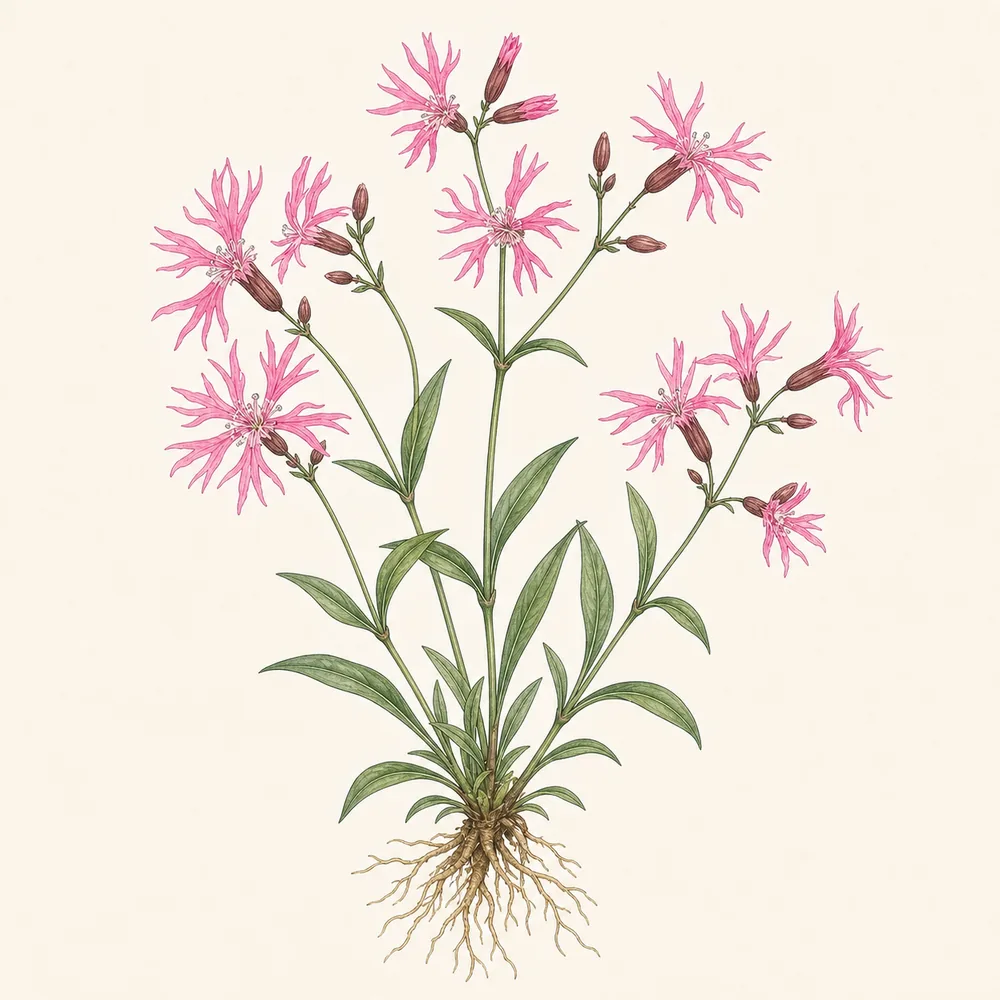
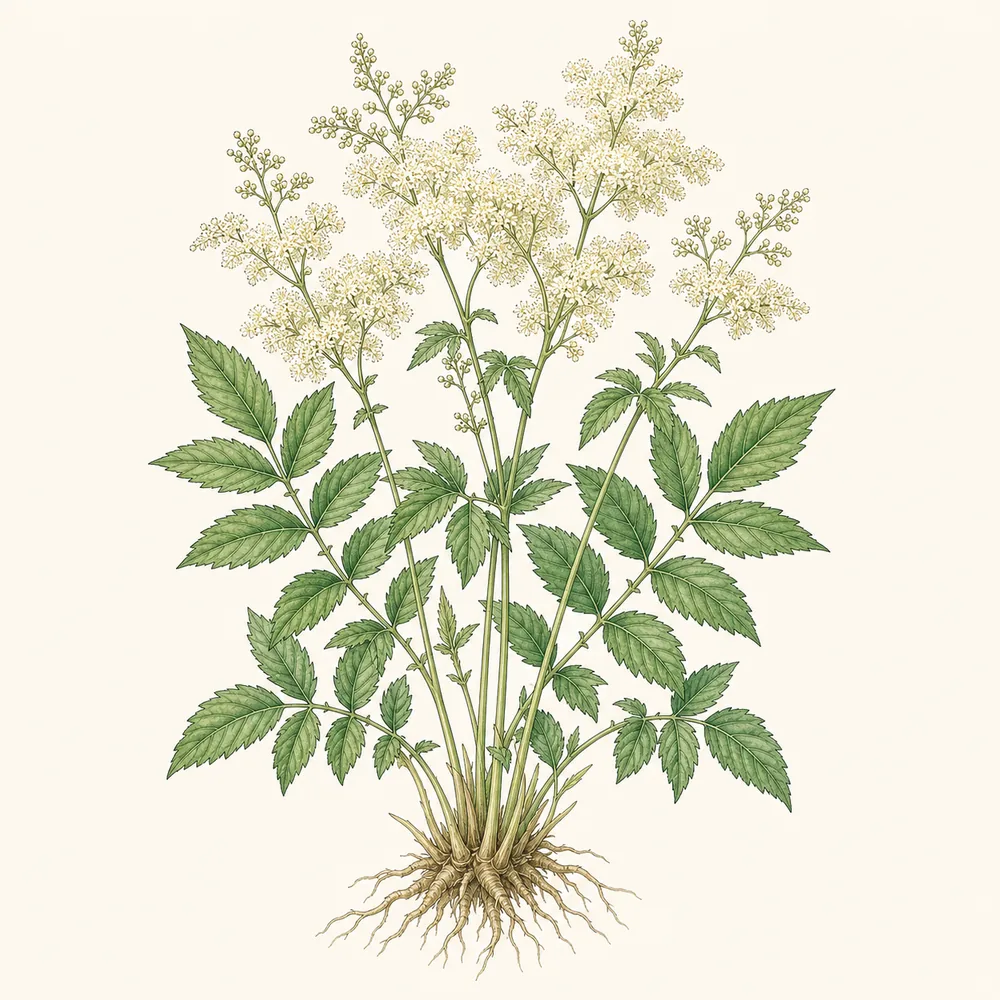
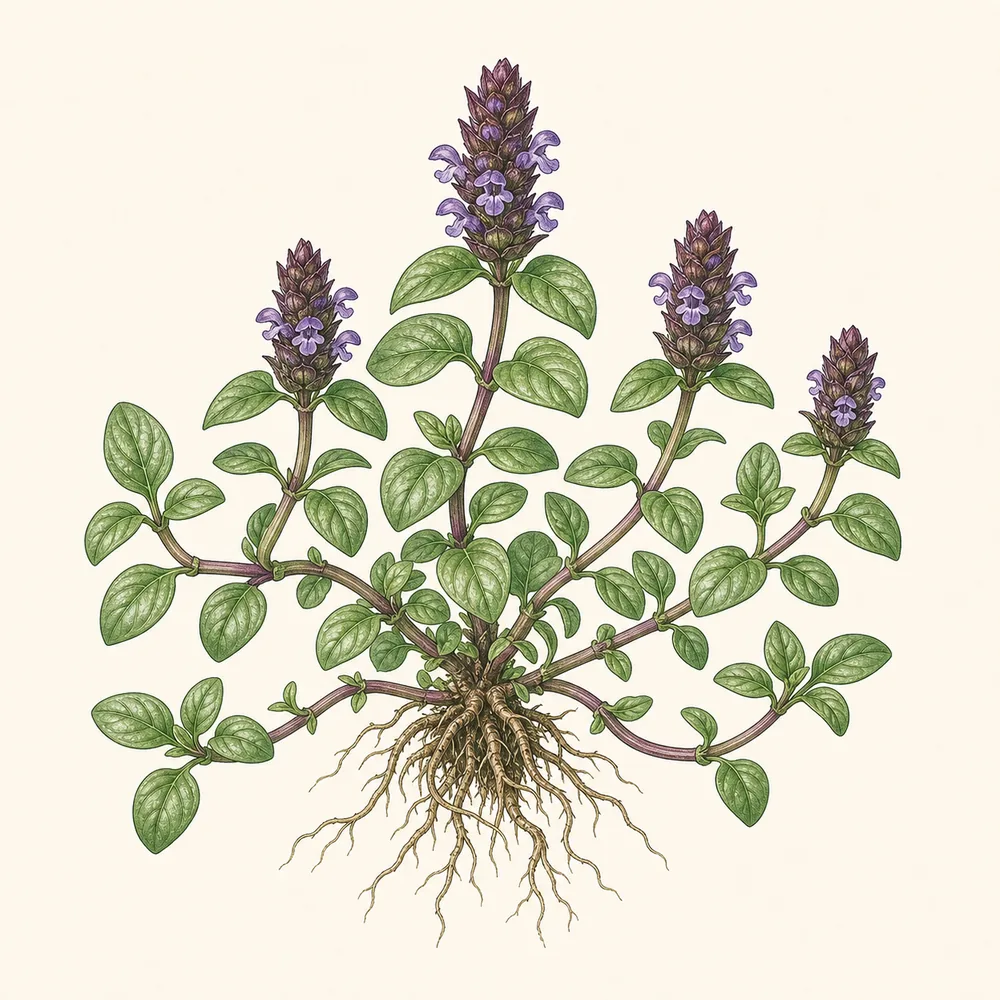
Other plants with a similar temperament.
How we checked this
Care cross-checked against the RHS. The ASPCA does not list the cuckooflower, so its pet-safety is unconfirmed and we have not stamped it safe. If our page and these sources ever disagree, believe them — and tell us.
Sources: RHS · ASPCA — toxic & non-toxic plants
Last reviewed · August 2026