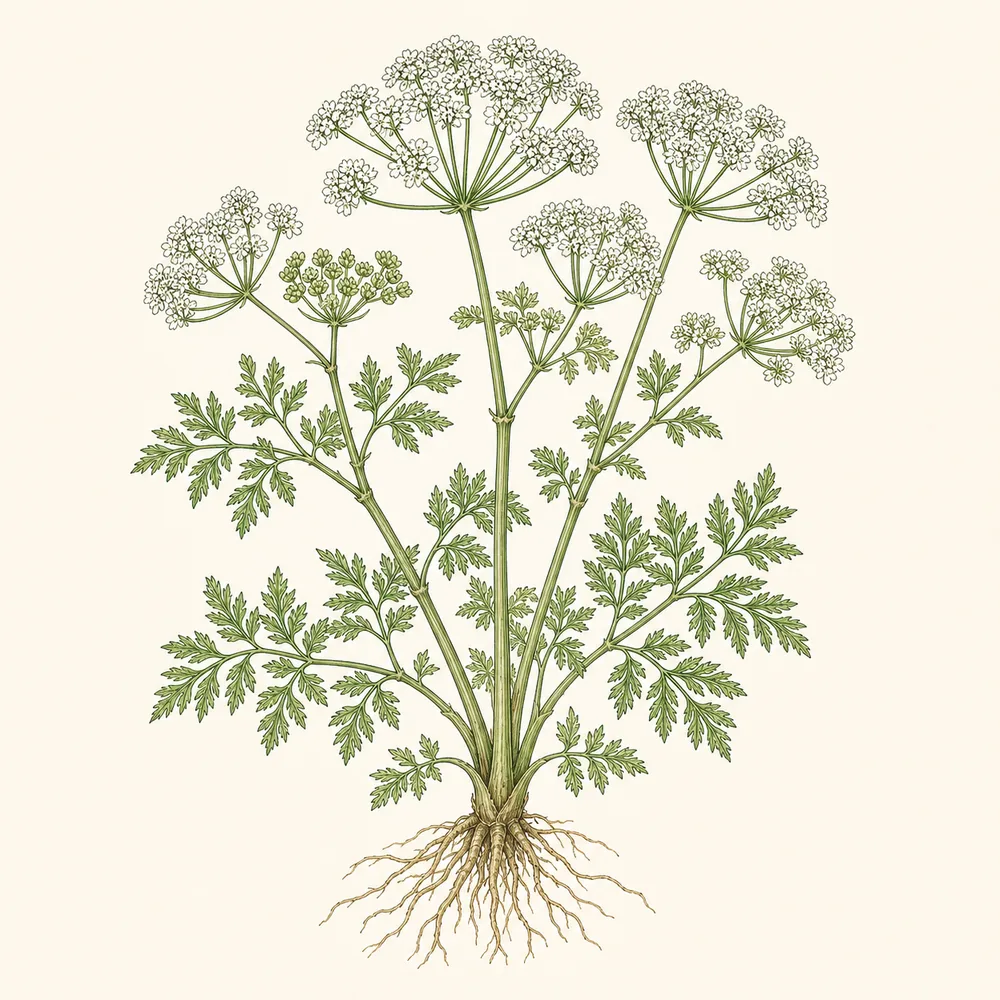
Cow Parsley
The froth of lacy white flower that lines every country lane in May. Cow parsley is a vigorous native umbellifer, effortless to grow and beautiful in a wild corner — but it spreads hard, and it looks close enough to deadly hemlock that correct identification genuinely matters.
Not listed by ASPCA
The ASPCA doesn't list cow parsley, so we don't stamp it safe. It has no serious toxicity on record, but it closely resembles poisonous hemlock — a real reason for care when identifying it. With no database entry we flag the gap honestly rather than guess.
Care at a glance
Everything that matters, in six lines. The detail is further down.
Light
Thrives in the dappled light of a hedge bank or woodland edge, but grows just as happily in full sun on open verges.
Water
Needs no watering once established — its deep taproot keeps it going, though it's greenest in cooler, moisture-retentive ground.
Hardiness
A tough British native, completely hardy across the UK. It dies back after seeding and re-emerges from its taproot each year.
Habit
A vigorous grower to a metre or more, spreading by both seed and root. Give it room in a wild spot, not a tidy border.
Feeding
Never feed it — it's naturally lush and rich ground only makes it more thuggish, crowding out finer meadow plants.
Soil
Grows almost anywhere, but favours the fertile, moisture-retentive soil of hedge bottoms and shady banks.
What to do, and when
The classic season: fresh ferny foliage races up and the lacy white umbels open through May, lining lanes and hedge banks.
Flowering finishes and seed ripens. Cut it back after flowering if you want to stop it seeding everywhere it can reach.
Top growth dies down while the taproot sits tight. A good time to dig out unwanted plants before they bulk up again.
Dormant below ground, with perhaps a low rosette of leaves in mild spells. Leave the roots be and it returns in spring.
Know your umbellifer — the hemlock caution
This matters more than anything else about the plant. Cow parsley belongs to the carrot family, and several of its lookalikes are seriously poisonous — above all hemlock (Conium maculatum), which can be fatal if eaten. Never assume a lacy white umbellifer is cow parsley without checking.
The reliable tell is the stem: cow parsley has a plain green, faintly grooved, slightly hairy stem, while hemlock has a smooth, hairless stem blotched with purple, and a rank mousy smell when bruised. If a plant has purple-spotted stems, treat it as hemlock and leave it alone. When in any doubt, don't touch, forage, or pull it barehanded.
Where it earns its place
For all that caution, cow parsley is one of the loveliest things in the spring landscape — that knee-high froth of white lace along the lanes is pure early summer. In the garden it's perfect for a wild hedge bank, the rough edge of a lawn, or a naturalistic scheme under trees.
It also feeds early pollinators: the flat flowerheads are landing pads for hoverflies, small bees and beetles when not much else is out. Modern purple-leaved forms like 'Ravenswing' give the same effect with dark foliage and are a little better behaved in a border.
Keeping a vigorous plant in check
Be honest with yourself before you plant it: cow parsley is a thug. It seeds prolifically and runs at the root, and in a small or tidy garden it will quickly take over. It's a plant for places you're happy to let it colonise.
The single most effective control is to cut it down straight after flowering, before the seed ripens and scatters. Deadheading stops the spread; digging out the deep taproot deals with plants you don't want. Left to its own devices in the wrong spot, it swamps daintier neighbours.
Common problems
Mistaking it for hemlock (or vice versa)
The most important issue of all. Check the stem — cow parsley is plain green and slightly hairy; hemlock is smooth with purple blotches. If unsure, don't handle or forage it, and never eat any wild umbellifer without expert confirmation.
Spreading everywhere
It self-seeds hard and runs at the root. Cut it down right after flowering to stop seed setting, and dig out the taproots of any plants that stray beyond their allotted patch.
Swamping smaller plants
In rich ground it grows lush and shades out finer meadow flowers. Keep it to a wild area, don't feed it, and thin the clumps if it starts to dominate.
Flopping after flowering
The tall hollow stems collapse once seed forms and can look scruffy. Cut the whole plant back after flowering for tidier regrowth and to prevent seeding.
Everything cow parsley needs
A wild corner, confident identification, and something to cut it back with.
We take no commission on anything in the "save your money" tier — if we don't think you should buy it, we don't link it. How our recommendations work
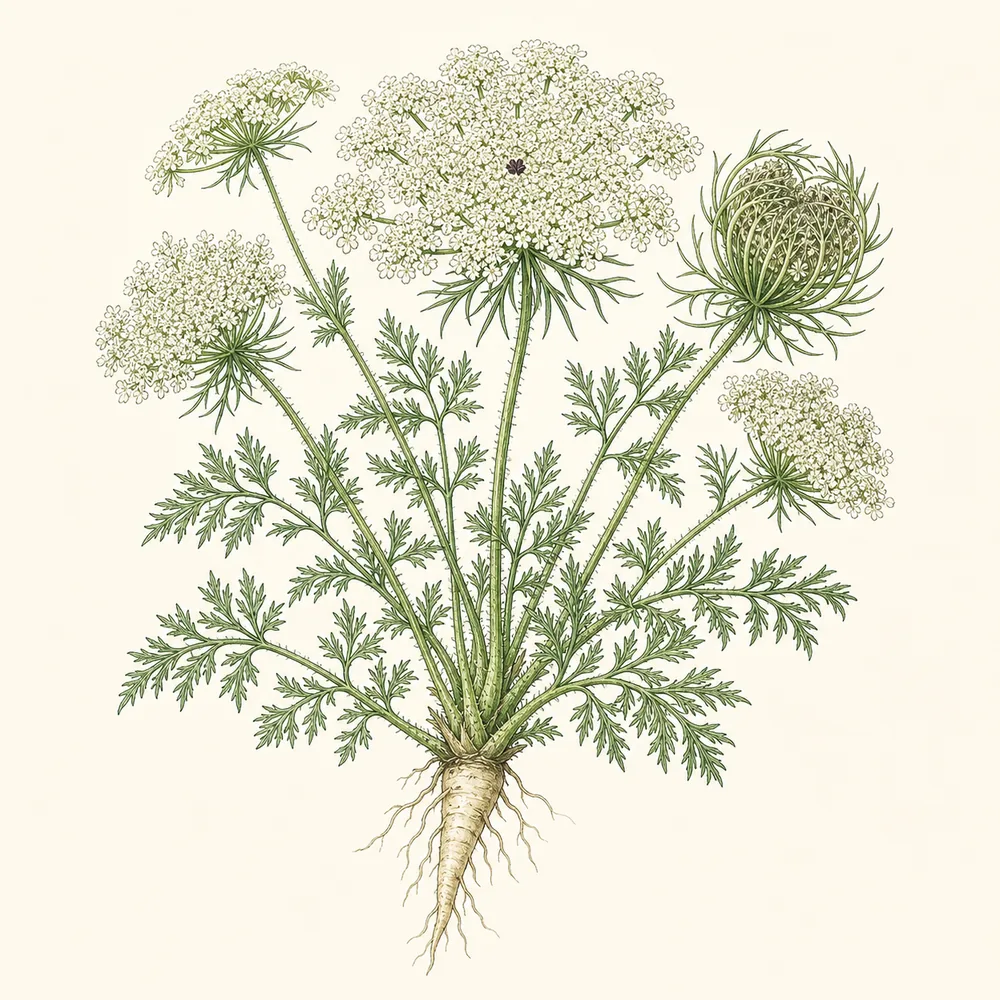
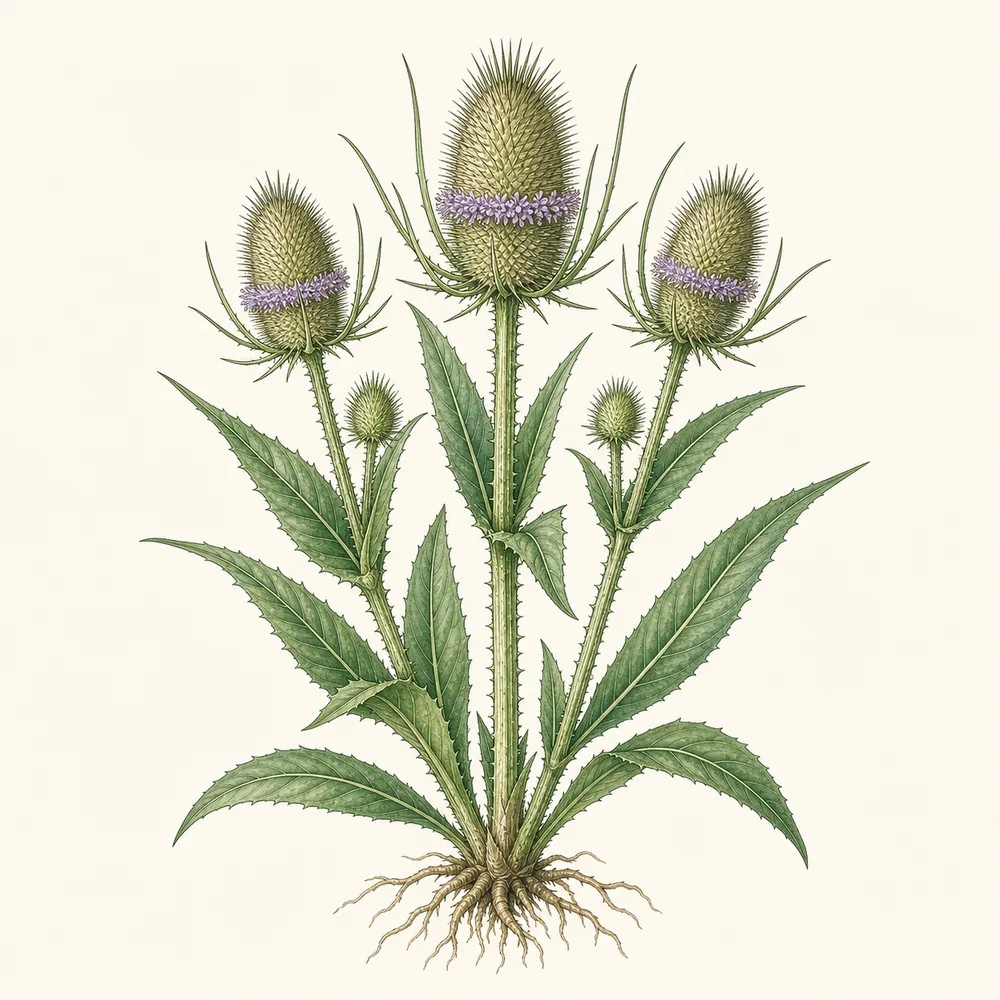
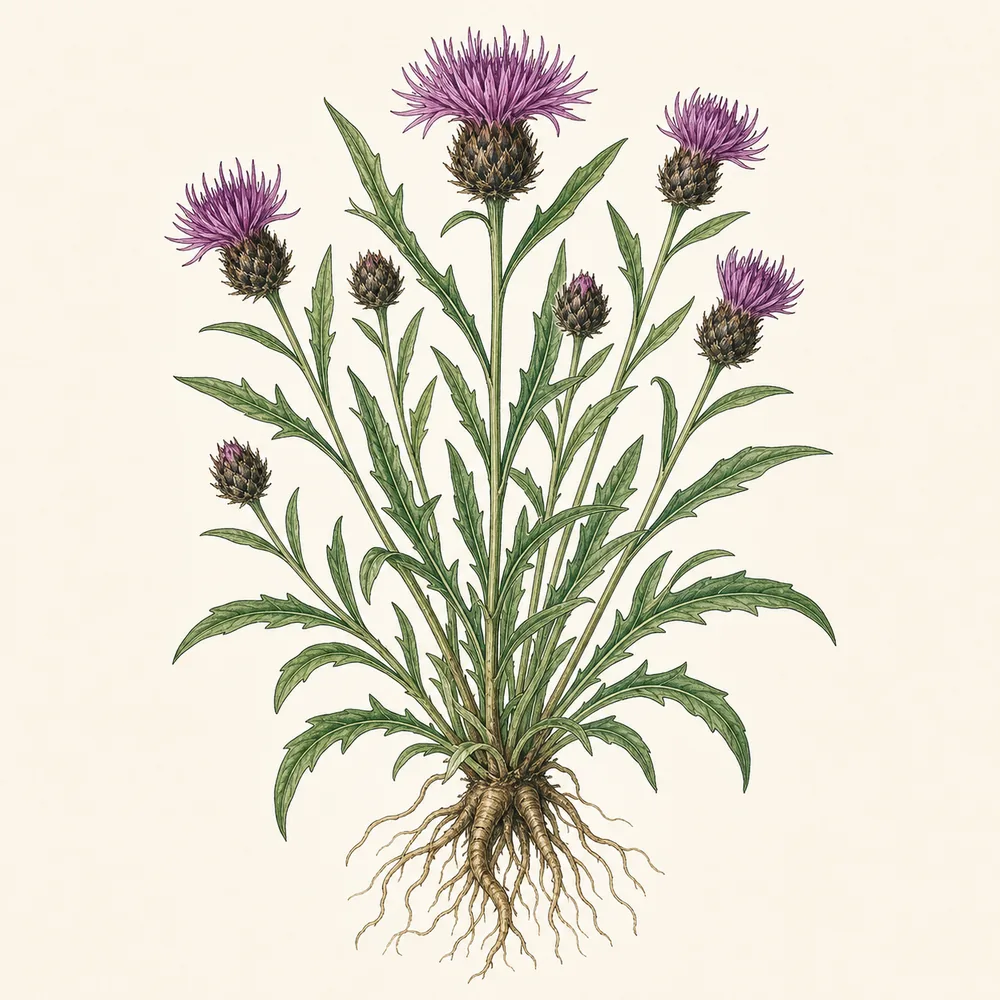
If you like this, try
Other plants with a similar temperament.
How we checked this
Care cross-checked against the RHS. The ASPCA does not list cow parsley, so its pet-safety is unconfirmed and we have not stamped it safe. If our page and these sources ever disagree, believe them — and tell us.
Sources: RHS · ASPCA — toxic & non-toxic plants
Last reviewed · August 2026