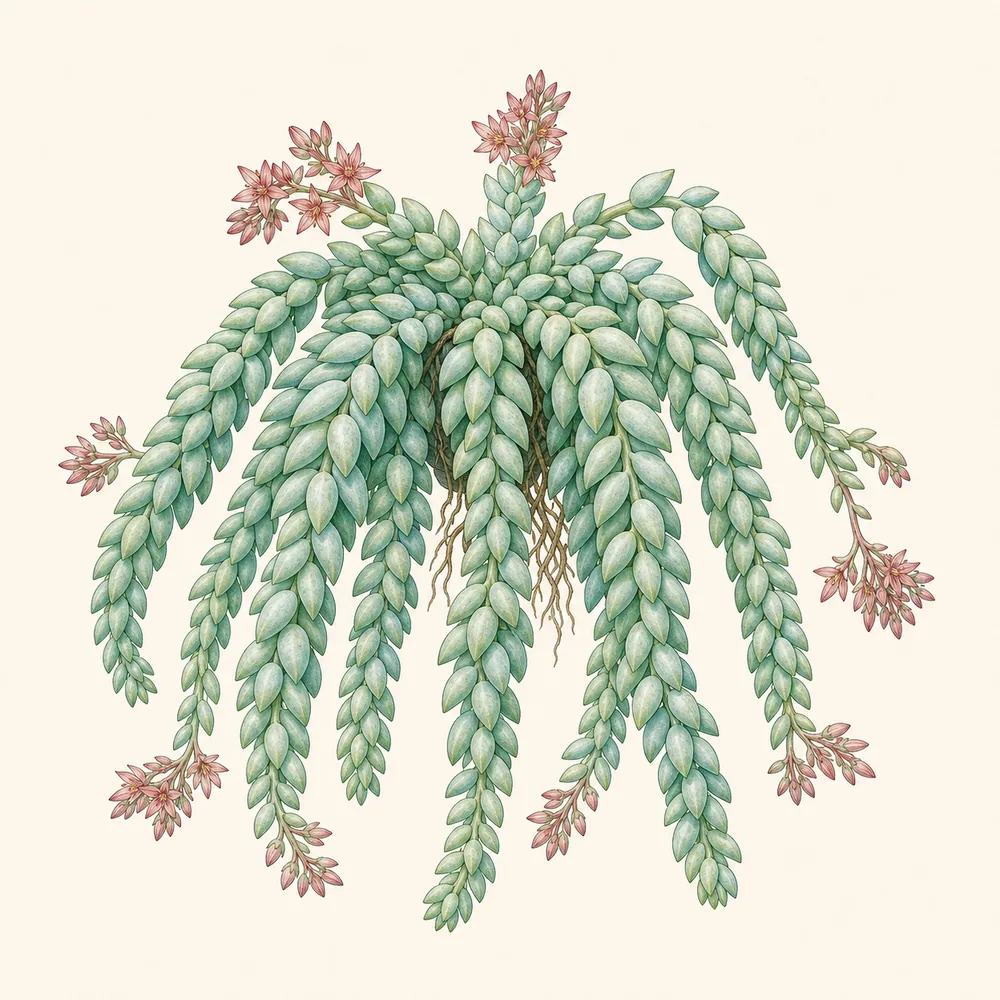
Burro's Tail
A trailing succulent hung with long ropes of plump, blue-green beads. It asks for almost nothing — bright light and rare watering — but the leaves drop at the lightest knock, so site it once and leave it be.
Safe around cats & dogs
Burro's tail (Sedum morganianum) is listed as non-toxic to cats and dogs on the ASPCA database — a safe trailing succulent, though its bead-like leaves drop at the lightest touch.
Care at a glance
Everything that matters, in six lines. The detail is further down.
Light
The brightest spot you have — a sunny windowsill is ideal. Good light keeps the trails full and the beads plump rather than stretched and sparse.
Water
Water thoroughly, then wait until the soil is bone dry — often two to three weeks. The fat leaves store their own reserves, so under-watering is far safer than over.
Temperature
Ordinary room warmth suits it. Keep it above 7 °C and off cold glass through winter.
Humidity
Normal, dry room air is exactly what it wants. Never mist it; damp sitting in the rosettes invites rot.
Feeding
A weak cactus or succulent feed once or twice over spring and summer is plenty. It grows slowly and needs little.
Soil
A dedicated cactus and succulent mix, or ordinary compost cut with plenty of grit or perlite so water runs straight through.
What to do, and when
Growth resumes as light returns. Repot now if needed — spring is also the easiest time to root the beads that inevitably fall.
Peak growth. Give it the brightest spot, water when fully dry, and the trails will lengthen noticeably.
Growth slows with the light. Cut watering right back as the days shorten.
Near-dormant. Water only enough to stop the leaves shrivelling, keep it bright, and hold it above 7 °C.
Handle it as little as possible
Burro's tail is famously fragile: the plump leaves are only loosely attached and shower off at the gentlest brush. This isn't a plant to move around, repot often, or hang somewhere it gets knocked.
Choose its final home before you buy — a bright, quiet corner where the trails can hang undisturbed — and resist the urge to keep touching it. A well-sited plant stays dense; a much-handled one goes bald.
Watering the succulent way
Treat it like the desert plant it is: a proper soak, then complete neglect until the soil is fully dry. In summer that might be every couple of weeks; in winter, barely at all.
The commonest killer is kindness. Soft, translucent, mushy beads mean the roots have been sitting wet — always let it dry right out, and never leave it standing in a saucer of water.
Keeping the trails full
In too little light the stems stretch, the gaps between beads widen, and the whole plant looks thin and reaching. The fix is simply more light.
Given a bright spot, mature plants can trail well over half a metre. If a stem gets straggly you can cut it back — the cutting roots easily, and the parent branches from where you pruned.
Common problems
Leaves dropping everywhere
Usually just handling — they detach at the lightest touch. Move it somewhere it won't get brushed, and pot up the fallen beads.
Soft, mushy, translucent beads
Overwatering. Let the soil dry out completely and make sure the mix and pot both drain freely.
Stretched, sparse trails
Not enough light. Move it to your brightest window and the new growth will come back tight and plump.
Wrinkled, shrivelled beads
Under-watered — unusual, but it happens in a long dry winter. Give it a good soak and they will fill back out.
Everything a burro's tail needs
Bright light, a gritty mix, and a spot where nothing will knock it.
We take no commission on anything in the "save your money" tier — if we don't think you should buy it, we don't link it. How our recommendations work
If you like this, try
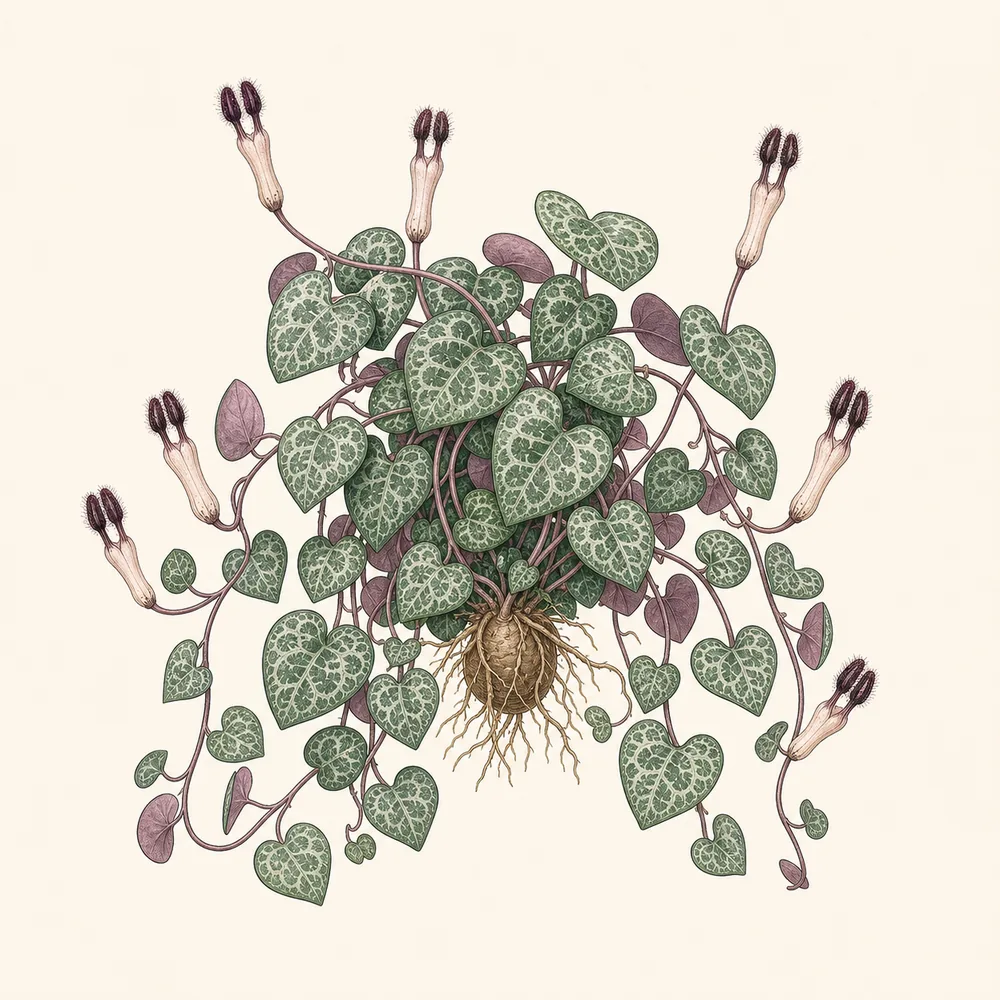
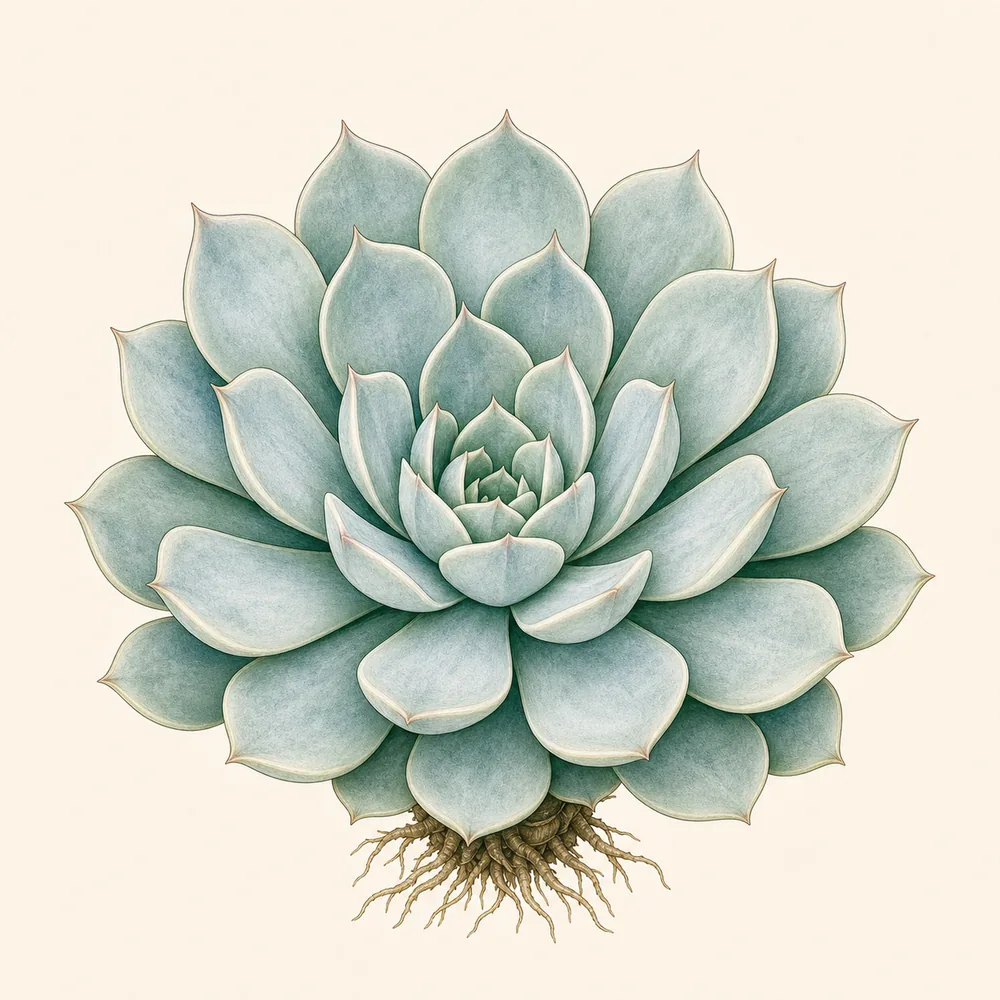
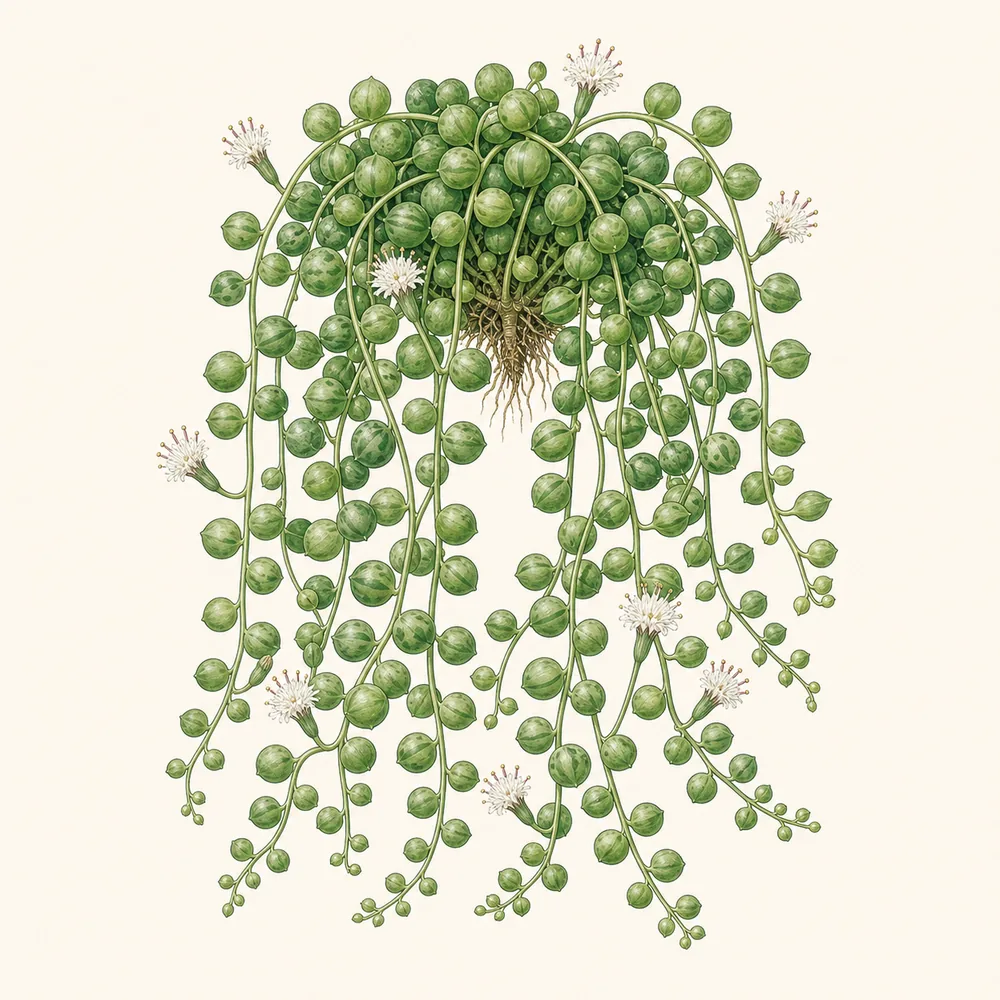
Other plants with a similar temperament.
How we checked this
Care cross-checked against the RHS. Toxicity confirmed against the ASPCA database, which lists burro's tail (Sedum morganianum) as non-toxic to cats and dogs. If our page and these sources ever disagree, believe them — and tell us.
Sources: RHS · ASPCA — toxic & non-toxic plants
Last reviewed · July 2026