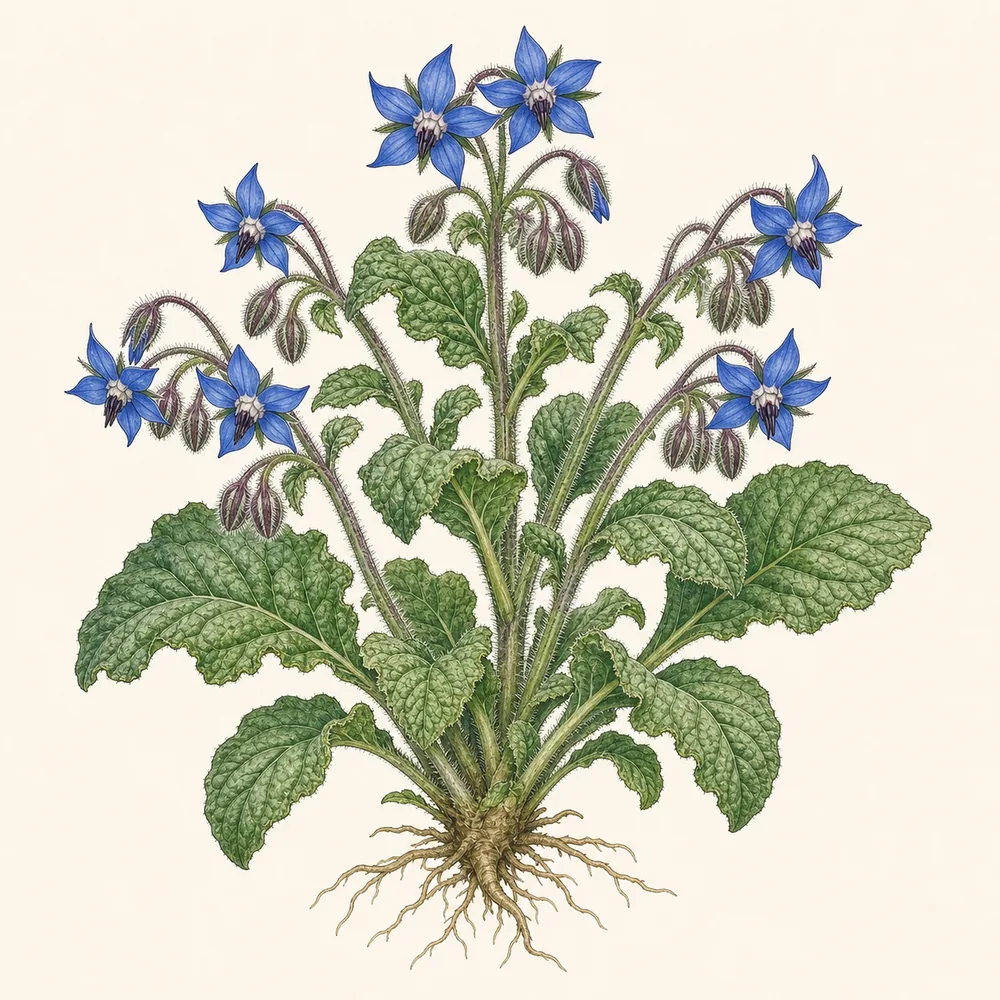
Borage
A big, bristly, cheerful herb topped with sky-blue star flowers that bees adore and you can drop, cucumber-fresh, into a summer drink. It's about as easy as growing gets — the only catch is that it sprawls and self-seeds with real enthusiasm.
Toxic to cats, dogs & horses
Borage (Borago officinalis, starflower) is listed as toxic to cats, dogs and horses on the ASPCA database. The tannins and mucilage in the leaves and bristly stems can cause vomiting, diarrhoea and skin irritation if eaten. A brilliant bee plant and culinary herb, but one to keep pets from grazing on.
Care at a glance
Everything that matters, in six lines. The detail is further down.
Light
Happiest in full sun, where it stays sturdy and flowers hardest. It tolerates light shade but grows leggier and leans towards the light.
Water
Deep roots make established plants very drought-hardy. Water new seedlings until they settle, then only in long dry spells.
Temperature
Frost kills the top growth, so sow outdoors once the worst frosts have passed, from April. It self-seeds and returns each year.
Spacing
Borage gets big and sprawling — up to 60 cm or more across. Thin plants generously so they don't smother smaller neighbours.
Feeding
It thrives on poor soil and needs no feeding. Rich ground just makes softer, floppier growth that flops over more readily.
Soil
Undemanding about soil as long as it drains. It only really sulks in cold, wet ground that stays soggy through winter.
What to do, and when
Sow direct from April where plants are to grow, once frost risk has eased. Thin seedlings generously — borage grows far bigger than it looks in the pack.
Flowering is in full swing and alive with bees. Pick young leaves and the star flowers for drinks and salads, and pinch out tips to keep plants bushy.
Plants set seed heavily and start to collapse after the first frosts. Leave a few heads to self-sow, and pull the tired parents onto the compost heap.
The annual dies back completely and there's nothing to do outdoors. Self-sown seed sits in the soil, ready to germinate once spring warms it up.
The bee plant every garden should have
If you grow one herb for pollinators, make it borage. The nodding blue stars are packed with nectar that refills remarkably fast, so bees work the same flowers again and again all day long. On a warm morning a clump of borage genuinely hums.
It flowers for a long season too, bridging the gaps when other plants pause. Tuck it near beans, courgettes or a fruit tree and the extra bee traffic helps pollination across the whole patch.
Eating the flowers and leaves
Borage tastes of fresh cucumber. The classic use is the flowers frozen into ice cubes for a Pimm's or a jug of summer cordial, but they're also lovely scattered over a salad or a soft cheese for an edible flourish.
Young leaves have the same cool cucumber flavour and can be chopped into salads or drinks, though older leaves get coarse and bristly. Pick little and fresh. As with any edible, wash it and eat in moderation rather than by the bowlful.
Living with a self-seeder
Borage does two things enthusiastically: it sprawls and it self-seeds. One plant can flop to half a metre across and drop enough seed to give you a dozen seedlings the following year in places you didn't choose.
That's a feature if you want a permanent, cost-free patch — sow once and you rarely need to sow again. If you'd rather keep it in check, cut plants back before the seed fully ripens and hoe off stray seedlings while they're small and easy to pull.
Common problems
Seedlings popping up everywhere
Borage self-seeds freely. Deadhead or cut plants back before the seed ripens if you want fewer, and simply hoe off unwanted seedlings while they're small.
Plants flopping and sprawling
Rich soil, too much shade, or crowding makes borage floppy. Grow it in full sun on leaner ground with plenty of space, and pinch out the tips to keep it bushier.
Powdery mildew on the leaves
A white coating in hot, dry, crowded conditions. Improve airflow by thinning, water the roots in drought, and pull badly affected plants — there's usually a self-sown replacement nearby.
Blackfly on the shoot tips
Aphids sometimes cluster on soft growth. Squash small colonies, let ladybirds and hoverflies deal with the rest, and avoid feeding, which pushes the soft growth they love.
Everything a borage patch needs
A packet of seed, a sunny corner, and room to let it sprawl.
We take no commission on anything in the "save your money" tier — if we don't think you should buy it, we don't link it. How our recommendations work
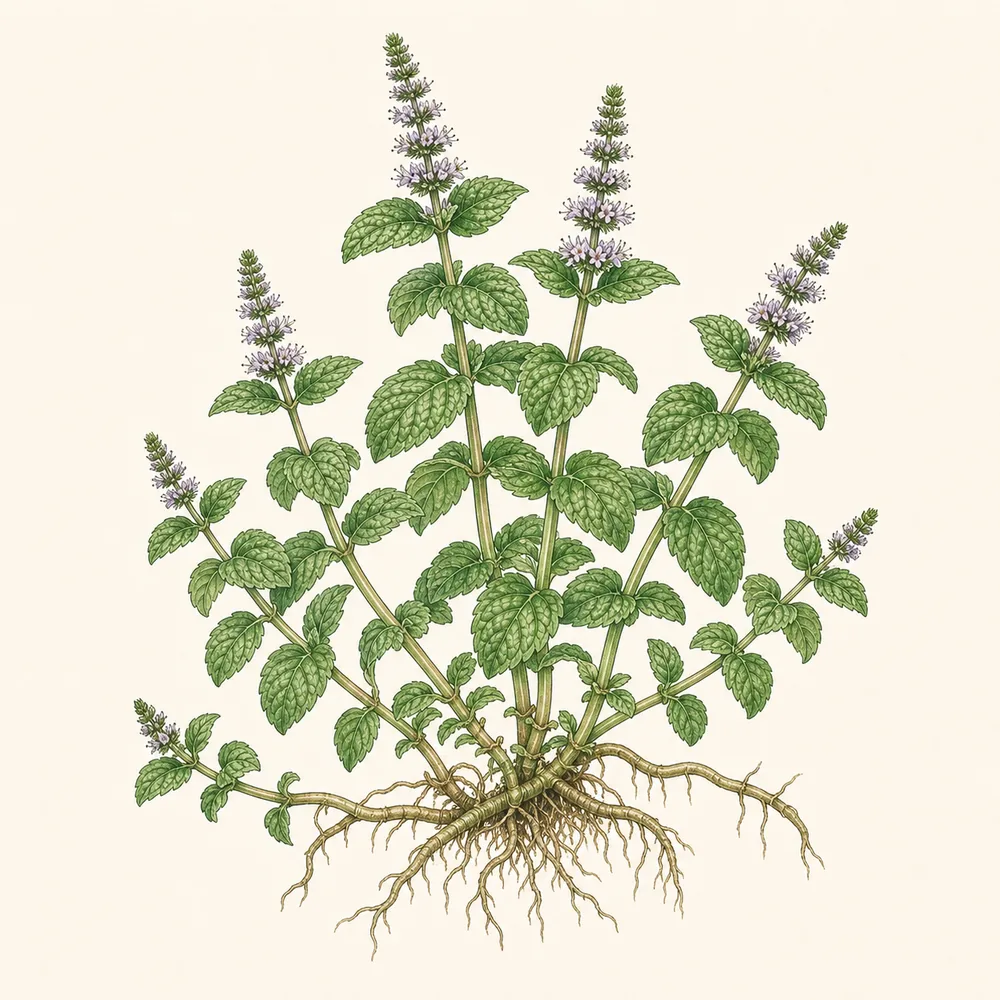
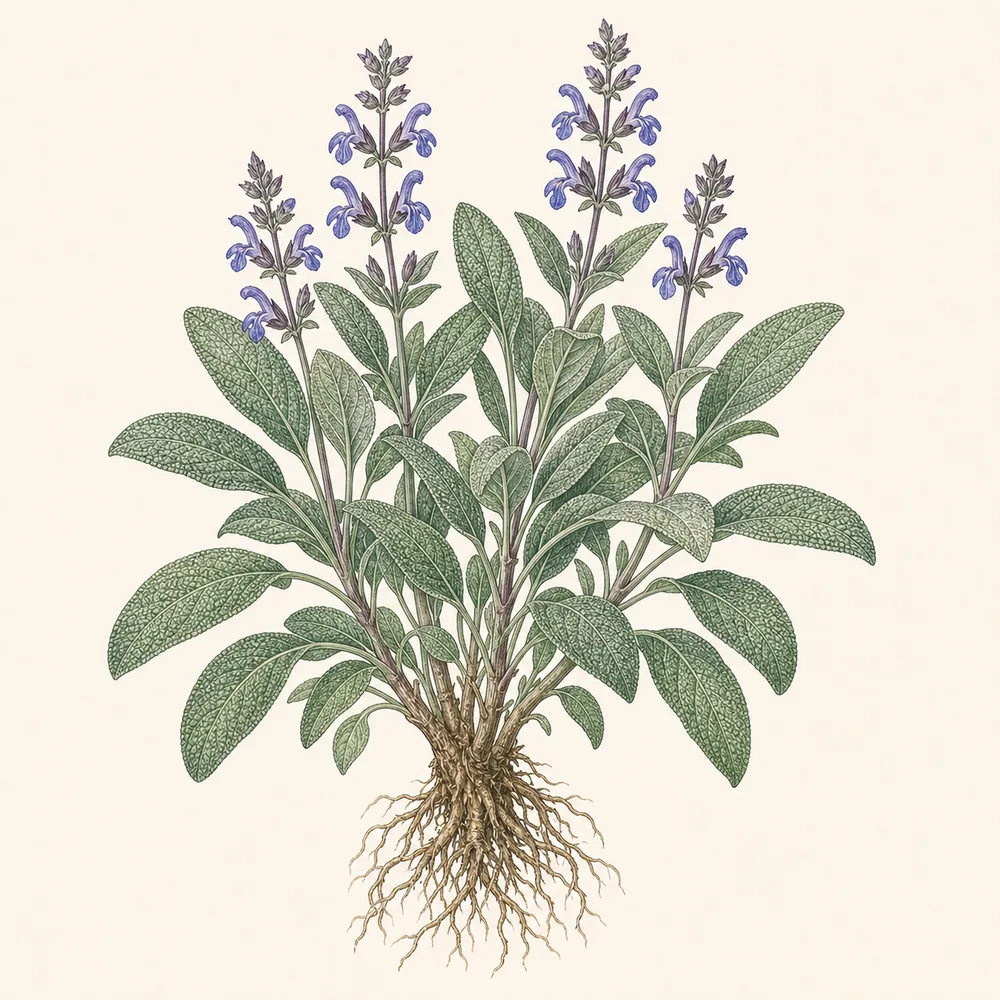
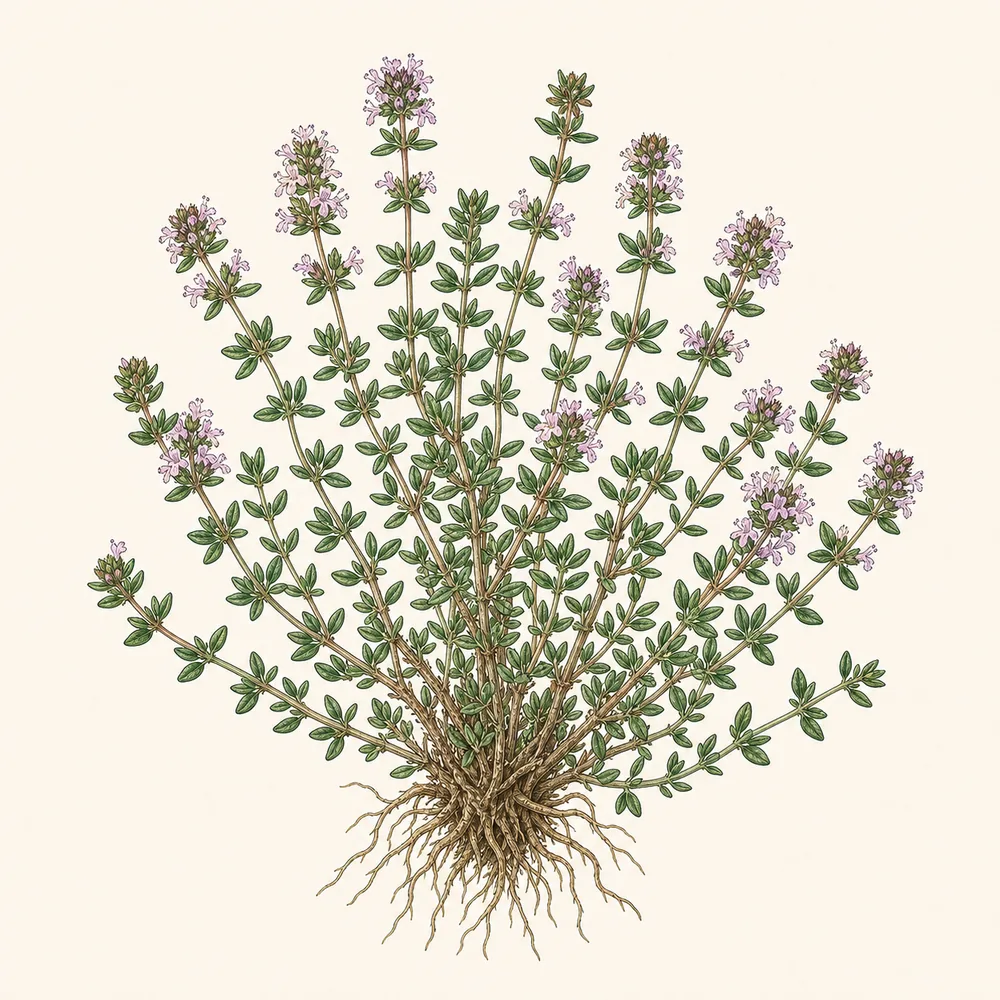
If you like this, try
Other plants with a similar temperament.
How we checked this
Care cross-checked against the RHS. Toxicity taken from the ASPCA database, which lists Borage (Borago officinalis) as toxic — tannins and mucilage. If our page and these sources ever disagree, believe them — and tell us.
Sources: RHS · ASPCA — toxic & non-toxic plants
Last reviewed · August 2026