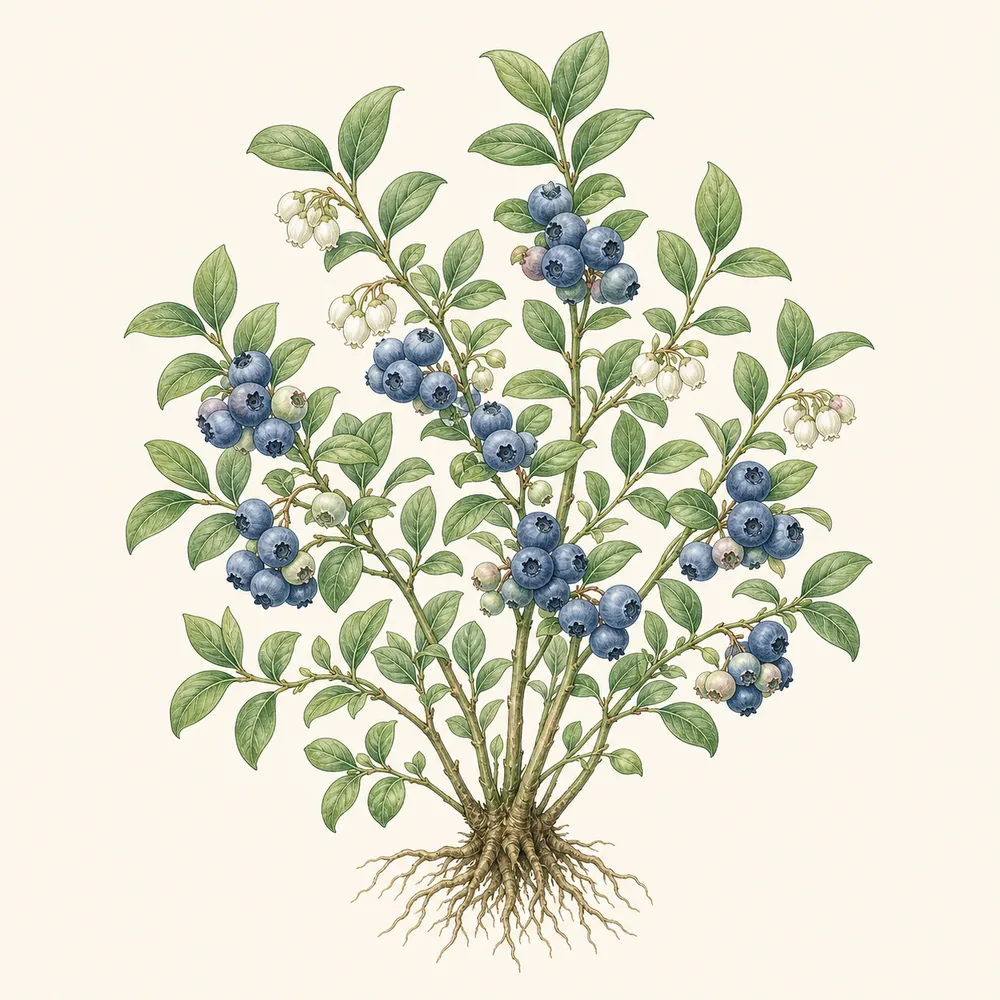
Blueberry
Handfuls of sweet, home-grown berries from a handsome bush with fiery autumn leaves. There's really only one rule that matters: blueberries must have acid soil, so most of us grow them in a pot of ericaceous compost — get that right and they're easy.
Not listed by ASPCA
The ASPCA doesn't list the blueberry, so we don't stamp it safe. The berries are commonly fed to pets in moderation with no known serious toxicity, but with no database entry we flag the gap honestly.
Care at a glance
Everything that matters, in six lines. The detail is further down.
Light
The more sun, the sweeter and heavier the crop. A sheltered spot in full sun ripens the berries and colours the autumn foliage.
Water
Never let the compost dry out, especially as the fruit swells — but use rainwater, not tap. Hard tap water raises the pH and locks out iron.
Temperature
Hardy across the UK and needs winter cold to fruit well. Only the early blossom is at risk — fleece it if a hard frost threatens in spring.
Spacing
Give each bush room and air. A pair of different varieties nearby crops far more heavily than a single bush on its own.
Feeding
Feed with a liquid feed formulated for acid-loving plants through the growing season. Ordinary feeds push the pH the wrong way.
Soil
Blueberries need acid soil around pH 4.5–5.5. Unless your garden is naturally acid, grow them in ericaceous compost in a pot.
What to do, and when
Blossom opens — fleece it if a sharp frost is forecast. Start liquid feeding with an ericaceous feed and top up the mulch as growth begins.
Berries ripen from July. Keep the compost moist with rainwater and net the bush before they colour, or the birds will beat you to it.
Pick the last berries and enjoy the fiery red foliage. A good time to plant new bushes and refresh the surface with fresh ericaceous compost.
Fully dormant and needing the cold. Prune established bushes now, removing the oldest wood, and shelter pots from waterlogging.
It's all about acid soil
Blueberries are woodland-edge plants that must have acid soil, ideally around pH 4.5 to 5.5. In most UK gardens the soil is nowhere near acid enough, and a blueberry planted in ordinary ground slowly starves — the leaves yellow between the veins and the bush sulks.
The simple answer is to grow in a container of ericaceous (lime-free) compost. A 30–40 cm pot suits a young bush, potting on as it grows. This gives you complete control over the soil, and the bush earns its keep with white spring flowers, summer fruit and blazing autumn colour.
Plant two, pick more
A single blueberry will crop, but two different varieties planted near each other cross-pollinate and give you noticeably heavier, better-set fruit. Choose types that flower at the same time so the bees can do their work.
Look for named varieties that spread the season — an early like 'Duke', a mid-season 'Bluecrop' and a late 'Chandler' will keep you in berries for weeks rather than one short glut.
Netting and picking
Blackbirds love ripe blueberries and will clear a bush in a day. Drape netting over the plant as the berries start to turn blue, holding it clear of the fruit so birds can't peck through.
Resist picking too early. A blueberry is only sweet once it has been fully blue for a few days — the colour comes before the sugar. Pick when the berries drop into your hand at the lightest touch.
Common problems
Yellowing leaves between the veins
Classic iron shortage from soil that isn't acid enough — usually from tap-watering. Switch to rainwater, use ericaceous compost and feed, and the new growth should green up.
Bush dries out and drops fruit
Pots dry fast in summer and blueberries have shallow roots. Keep the compost evenly moist as the berries swell, and mulch the surface to hold water in.
Birds stripping the berries
Blackbirds take ripe fruit fast. Net the bush before the berries colour up, keeping the netting off the fruit so they can't reach through.
Poor crop from a single bush
Blueberries fruit far better with a pollination partner. Grow a second, different variety that flowers at the same time nearby for a heavier set.
Everything a blueberry needs
Acid compost, rainwater, and a second bush for pollination.
We take no commission on anything in the "save your money" tier — if we don't think you should buy it, we don't link it. How our recommendations work
If you like this, try
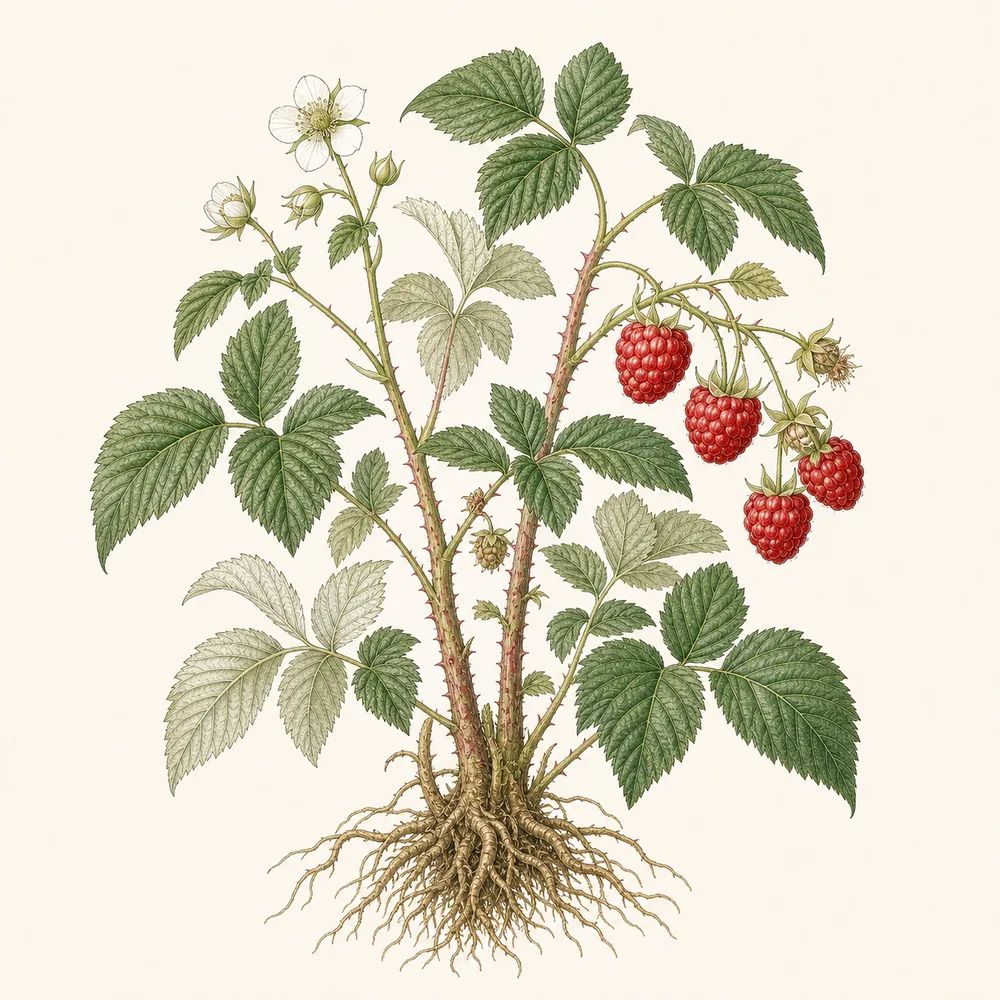
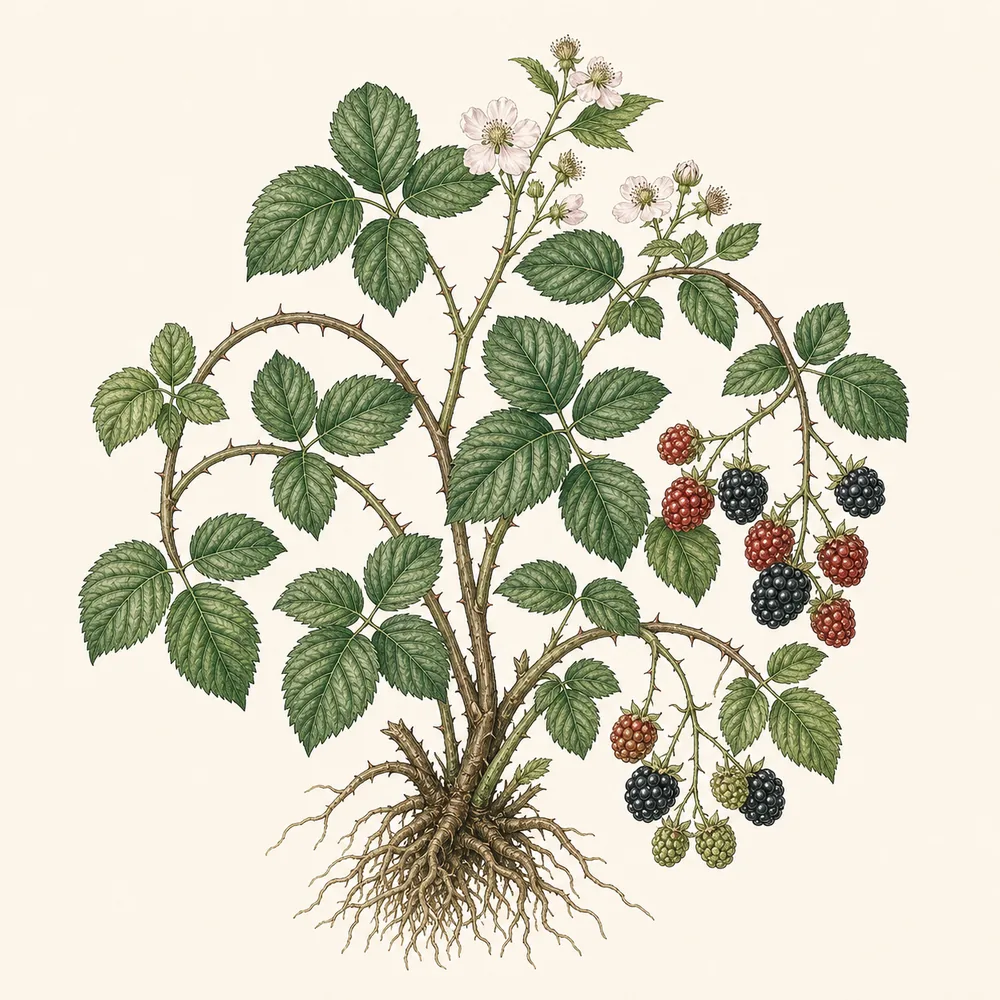
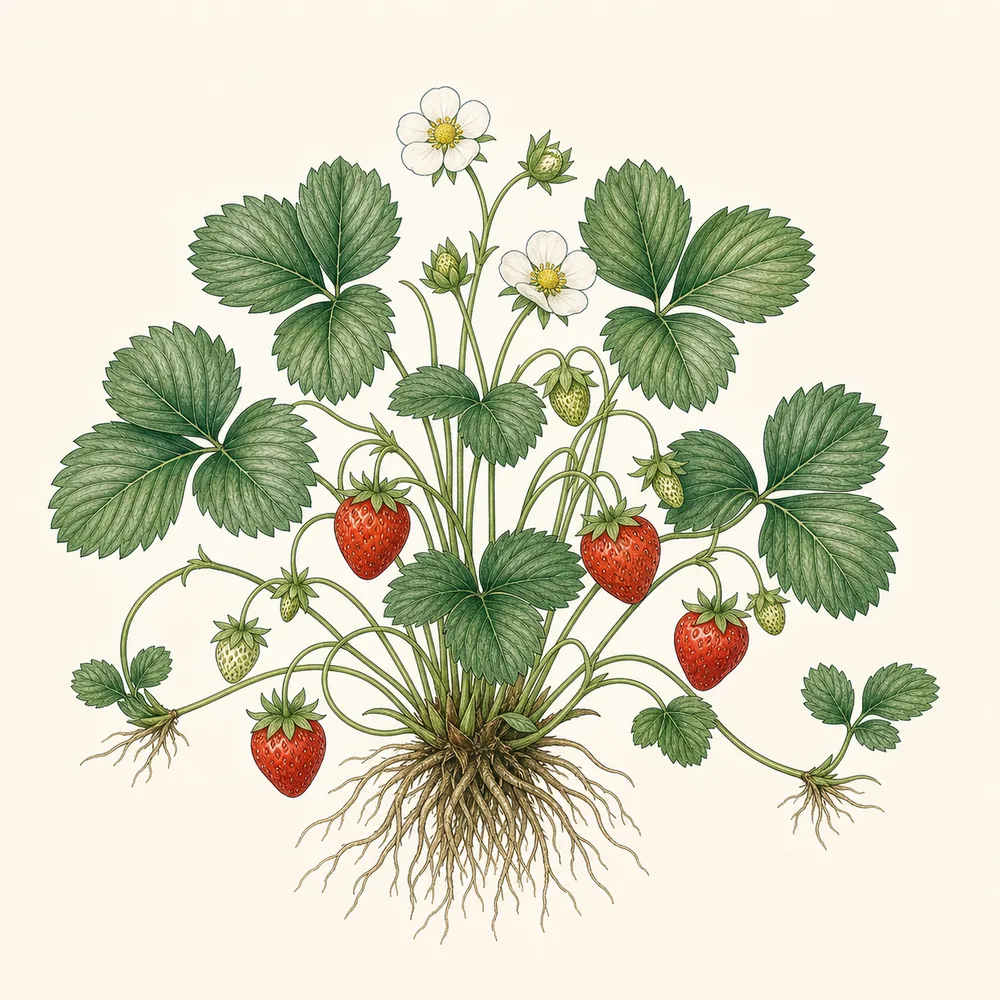
Other plants with a similar temperament.
How we checked this
Care cross-checked against the RHS. The ASPCA does not list the blueberry, so its pet-safety is unconfirmed and we have not stamped it safe. If our page and these sources ever disagree, believe them — and tell us.
Sources: RHS · ASPCA — toxic & non-toxic plants
Last reviewed · July 2026