Bleeding Heart
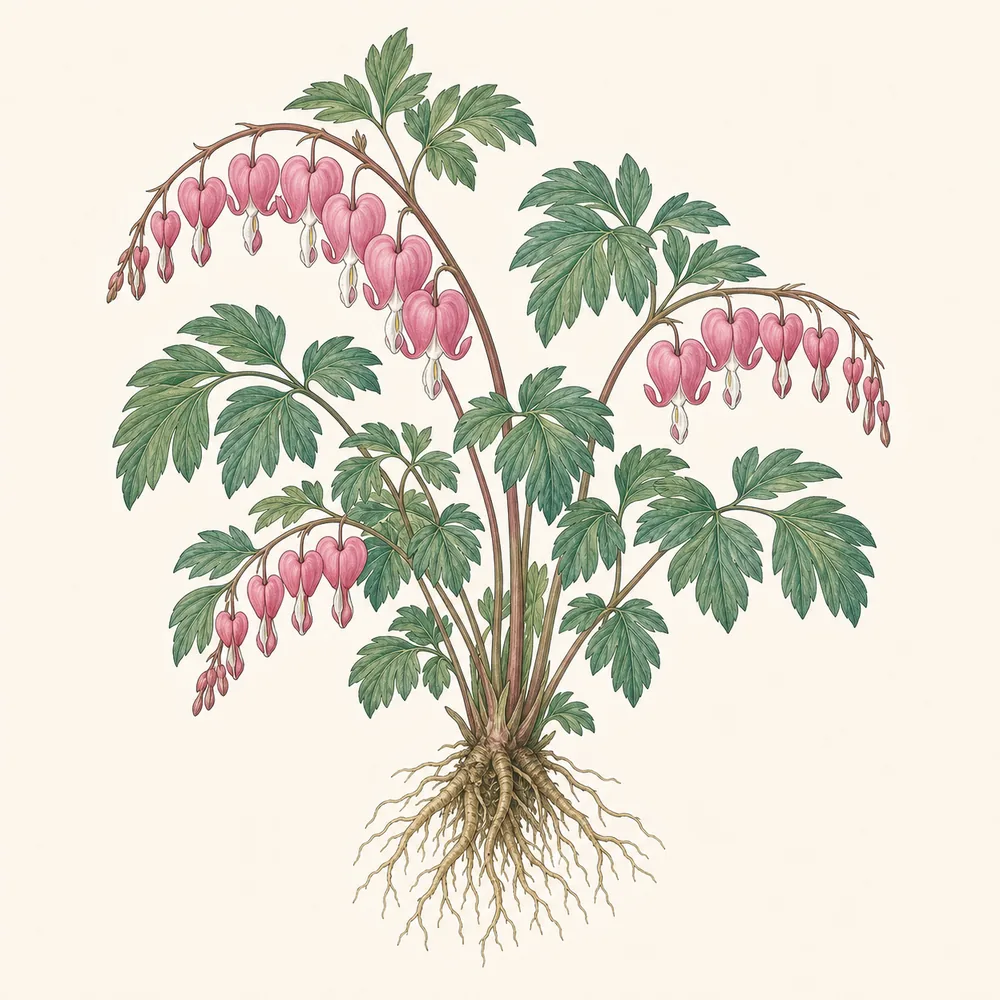
One of the loveliest spring woodland perennials — arching stems hung with dangling, heart-shaped pink-and-white lockets over ferny foliage. Easy in the cool, moist shade it loves, with one quirk to expect: it vanishes underground by midsummer.
Toxic to cats, dogs & horses
Bleeding heart (Lamprocapnos/Dicentra) is listed as toxic to cats, dogs and horses on the ASPCA database. It contains isoquinoline alkaloids that cause drooling, vomiting and trembling and, in quantity, breathing trouble. The foliage and roots are the main concern.
Care at a glance
Everything that matters, in six lines. The detail is further down.
Light
A classic woodland-edge plant — happiest in dappled or morning shade. Hot afternoon sun scorches the foliage and hurries it into dormancy.
Water
Keep the soil reliably moist through spring while it flowers. It hates both baking dry and sitting in winter wet.
Temperature
Completely hardy across the UK — the roots survive hard winters underground with no protection needed.
Habit
Naturally goes dormant and disappears after flowering — this is normal, not a problem. Mark its spot so you don't dig into it.
Feeding
A mulch of leaf mould or compost each spring is all it needs, mimicking the leafy woodland floor it comes from.
Soil
Fertile, humus-rich soil that stays cool and moist but drains freely in winter. Improve thin or sandy ground with plenty of organic matter.
What to do, and when
The season it lives for — fresh ferny growth pushes up early, followed by arching sprays of heart-shaped flowers from April into May. Mulch around it and keep the soil moist.
After flowering the foliage yellows and dies back, often gone by July. Don't panic and don't dig it up — it's simply gone dormant and will return next spring.
Fully dormant below ground. Top-dress with leaf mould or compost, and mark the position clearly so you don't disturb the crown while it's out of sight.
Sits dormant underground and is completely hardy. Nothing to do beyond making sure the spot doesn't become waterlogged, which can rot the fleshy roots.
A woodland plant for cool shade
Bleeding heart is a plant of the woodland edge, and that tells you everything about where to put it: cool, moist, dappled shade in fertile, humus-rich soil. Give it those conditions and it's one of the most reliable and charming spring perennials you can grow.
What it won't take is a hot, dry, sunny border. There it scorches, flowers briefly and collapses into early dormancy. Think of the leafy floor beneath deciduous trees and recreate that — a mulch of leaf mould goes a long way.
The summer disappearing act
Here's the quirk that catches people out. Bleeding heart is summer-dormant — after it flowers in late spring, the foliage yellows, browns and vanishes entirely, often by July. Every year someone assumes theirs has died and digs it up.
It hasn't. The plant simply retreats to its roots for the summer and reappears, right on cue, the following spring. The kindest thing you can do is leave it well alone and let nature take its course.
Planting and dividing
Plant in autumn or early spring, working plenty of leaf mould or compost into the soil first. Set the crown just below the surface and water it in well. It resents disturbance once settled, so choose the spot with a bit of care.
Mark the position with a label or a companion plant so you don't spear the dormant roots with a fork later in the year. If you do need to divide an old clump, do it in early spring as growth just begins, and handle the brittle roots gently — wearing gloves, as the sap and roots are toxic.
Common problems
Foliage yellows and dies in summer
Almost always normal summer dormancy, not death. Leave the crown undisturbed and it will re-emerge next spring; just don't dig into the empty space.
Wilting and scorch
Too much sun or dried-out soil. Move it to cooler, dappled shade and keep the ground reliably moist with a leaf-mould mulch through spring.
Slugs and snails on new shoots
The soft spring growth is a target. Protect emerging shoots early in the season with your usual slug defences before the damage is done.
Sap irritation and toxicity
The foliage and roots contain irritant alkaloids that can cause a skin reaction and are toxic to pets if eaten. Wear gloves when handling or dividing, and site it away from pets that graze.
Everything a bleeding heart needs
Cool moist shade, leaf mould, and a marker so you don't dig it up in summer.
We take no commission on anything in the "save your money" tier — if we don't think you should buy it, we don't link it. How our recommendations work
If you like this, try
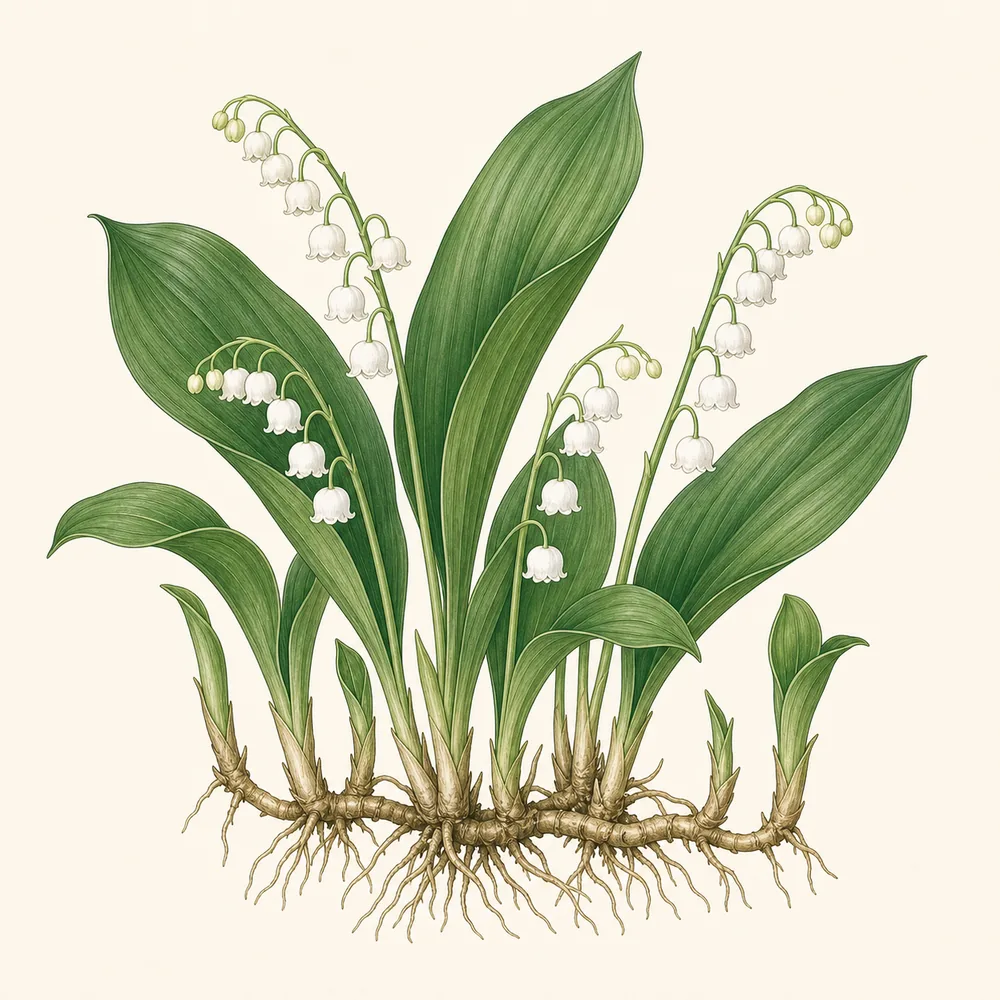
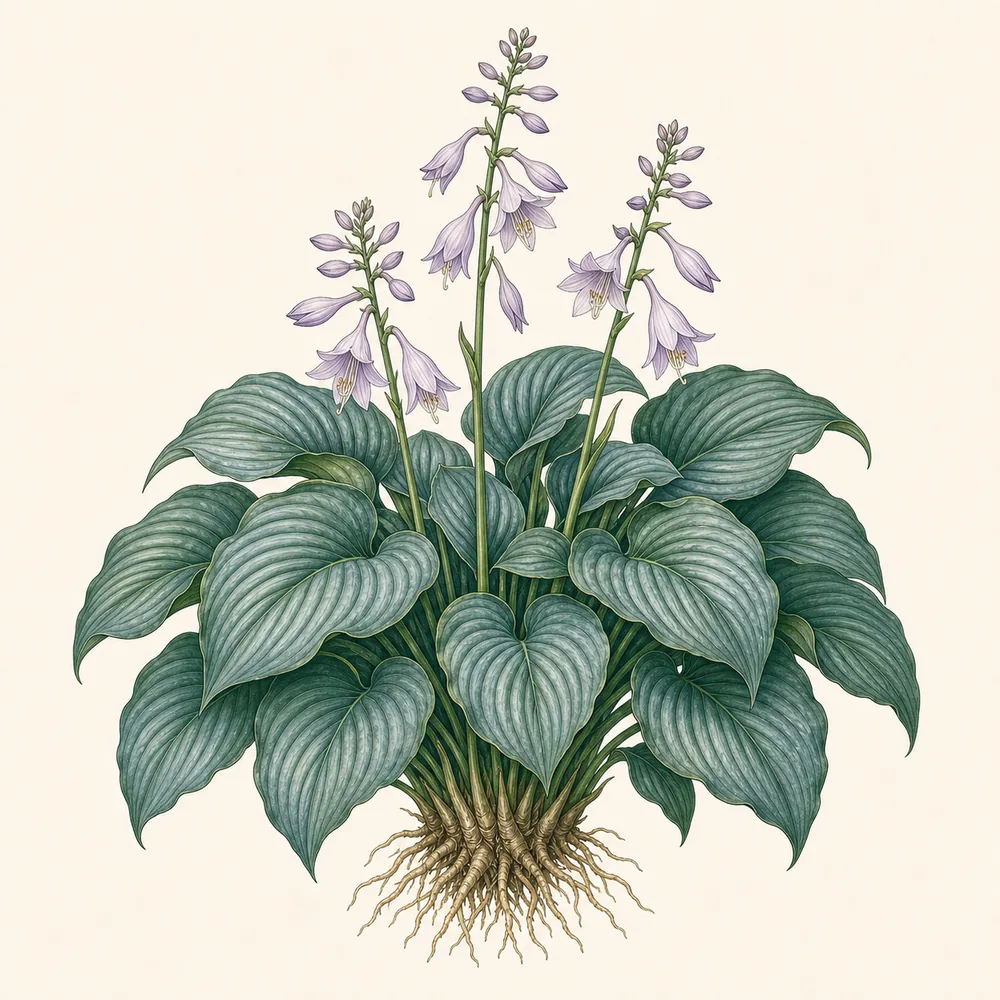
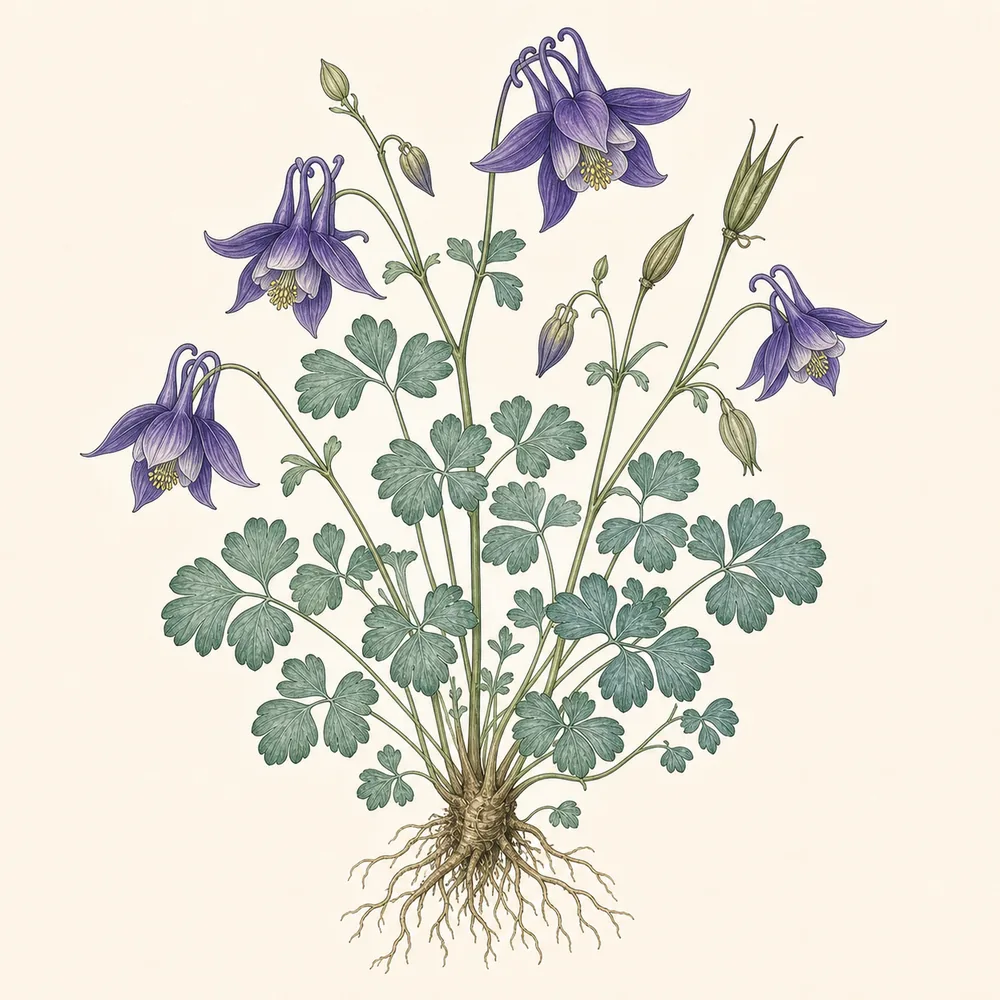
Other plants with a similar temperament.
How we checked this
Care cross-checked against the RHS. Toxicity taken from the ASPCA database, which lists Bleeding Heart (Lamprocapnos/Dicentra) as toxic — isoquinoline alkaloids. If our page and these sources ever disagree, believe them — and tell us.
Sources: RHS · ASPCA — toxic & non-toxic plants
Last reviewed · August 2026