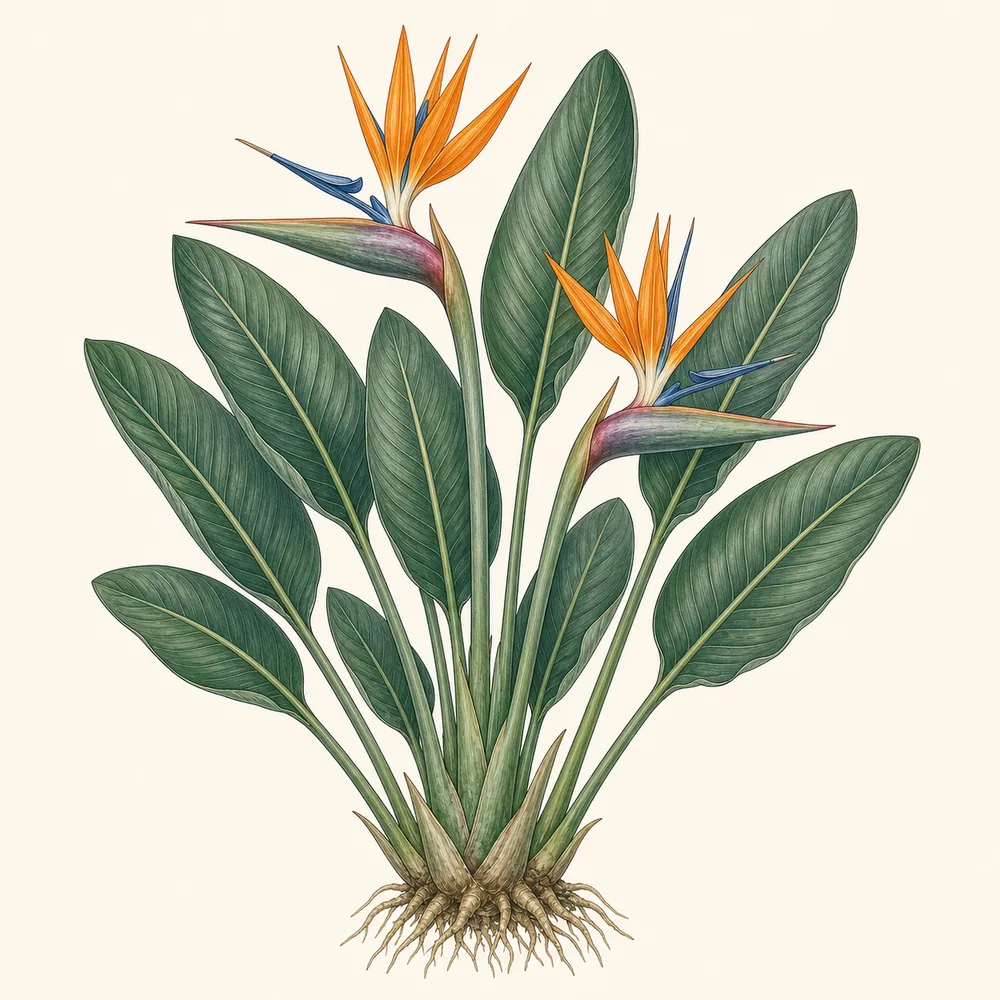
Bird of Paradise
A big, architectural plant with broad paddle leaves and, in the right conditions, the unmistakable orange-and-blue crane-like flowers. Give it light, warmth and room and it's a showstopper.
Toxic to cats & dogs if eaten
The bird of paradise (Strelitzia reginae) is listed as toxic to cats and dogs on the ASPCA database. The flowers and seeds are the main concern; eating them can cause vomiting, drowsiness and stomach upset. Keep it away from pets that chew.
Care at a glance
Everything that matters, in six lines. The detail is further down.
Light
The brightest spot you have — several hours of direct sun encourages flowering. Poor light means leaves only.
Water
Keep it moist in summer, watering when the top few centimetres dry; much drier in winter.
Temperature
Warmth-loving. Cold below about 10 °C checks it and damages the leaves.
Humidity
Fine in normal rooms; a little extra humidity keeps the big leaves from crisping.
Feeding
A balanced feed every couple of weeks in spring and summer supports its size and flowering.
Soil
A substantial loam-based mix with good drainage to anchor a large plant.
What to do, and when
Growth resumes — feed regularly, repot if truly crowded, and move it to your brightest spot.
Peak growth. Water and feed generously, and give it as much direct light as you can.
Ease back on water and feed as light fades.
Slower growth. Keep it bright and above 12 °C, water sparingly, and don't feed.
Getting it to flower
The famous crane-like flowers need three things: maturity, strong light and a bit of pot-binding. A plant needs to be several years old, in the brightest spot you can offer (ideally with some direct sun), before it will bloom indoors.
Feeding well through spring and summer and resisting the urge to over-pot both help. A young or shaded plant will give you handsome leaves but no flowers — that's normal, not a fault.
Those splitting leaves
The big paddle leaves naturally tear along the veins in a breezy or busy spot — it's how the plant copes with wind in the wild, and it isn't a health problem.
Brown, crispy edges are a different matter and usually mean dry air, under-watering or cold.
Common problems
No flowers
Usually youth or too little light. Give it the brightest spot and be patient — flowering takes maturity.
Brown, crispy leaf edges
Dry air, under-watering or cold. Raise humidity and keep it warm and evenly watered.
Yellowing leaves
Overwatering. Let the top dry more between drinks and check drainage.
Curling leaves
Thirst or heat stress. Check the soil and move it out of scorching midday glass.
Everything a bird of paradise needs
Bright light, room to grow and generous summer feeding.
We take no commission on anything in the "save your money" tier — if we don't think you should buy it, we don't link it. How our recommendations work
If you like this, try
Other plants with a similar temperament.
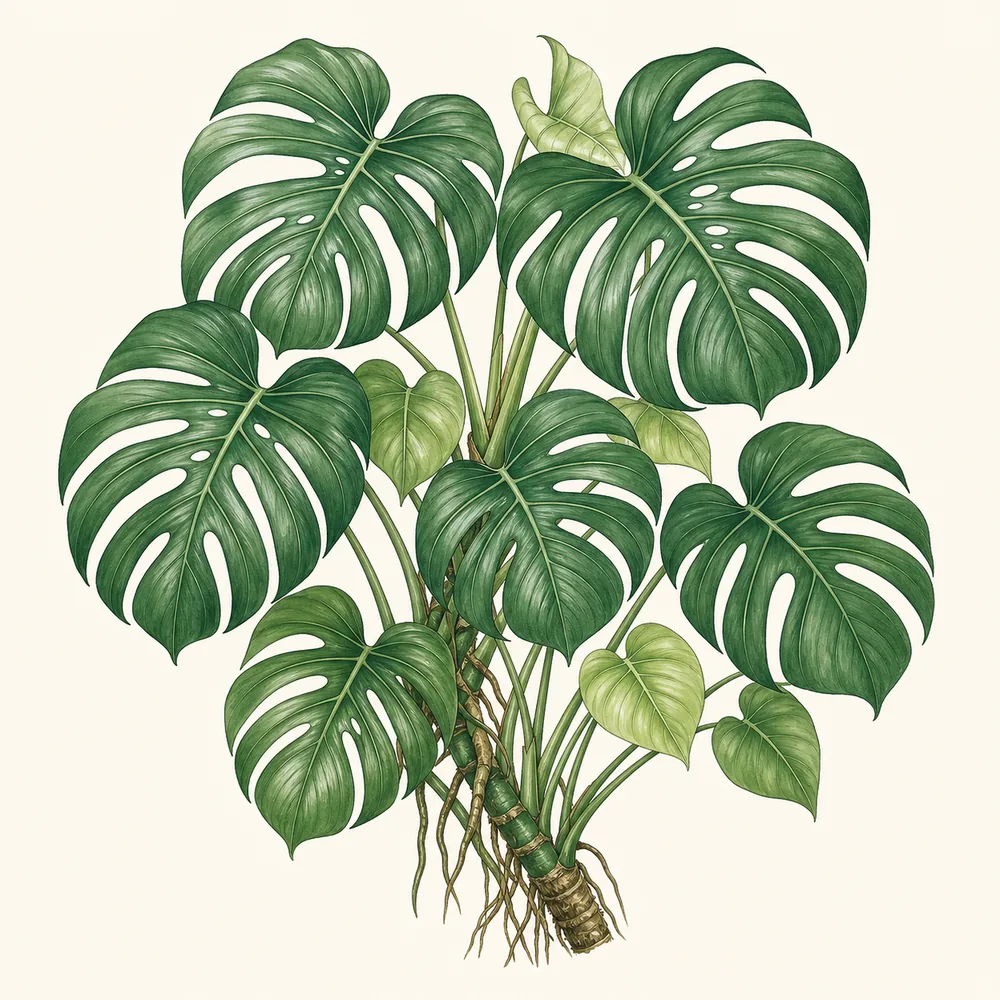
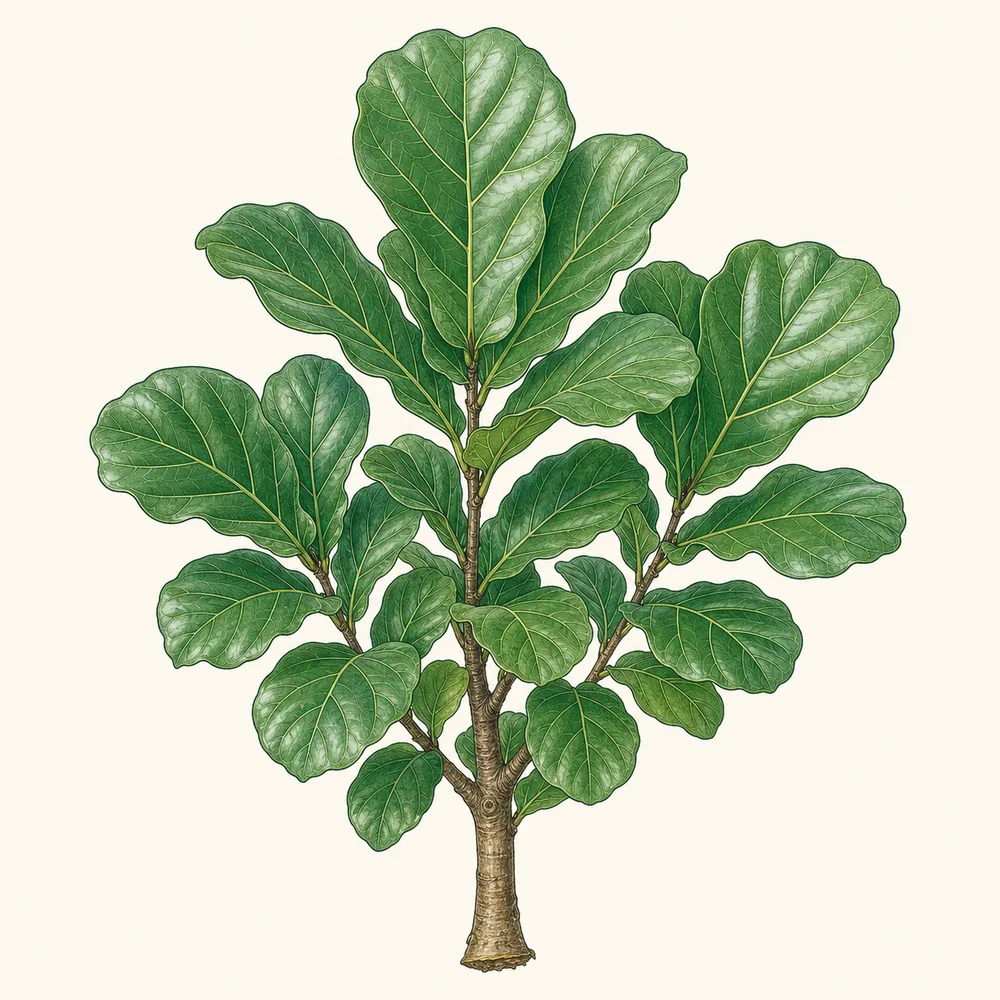
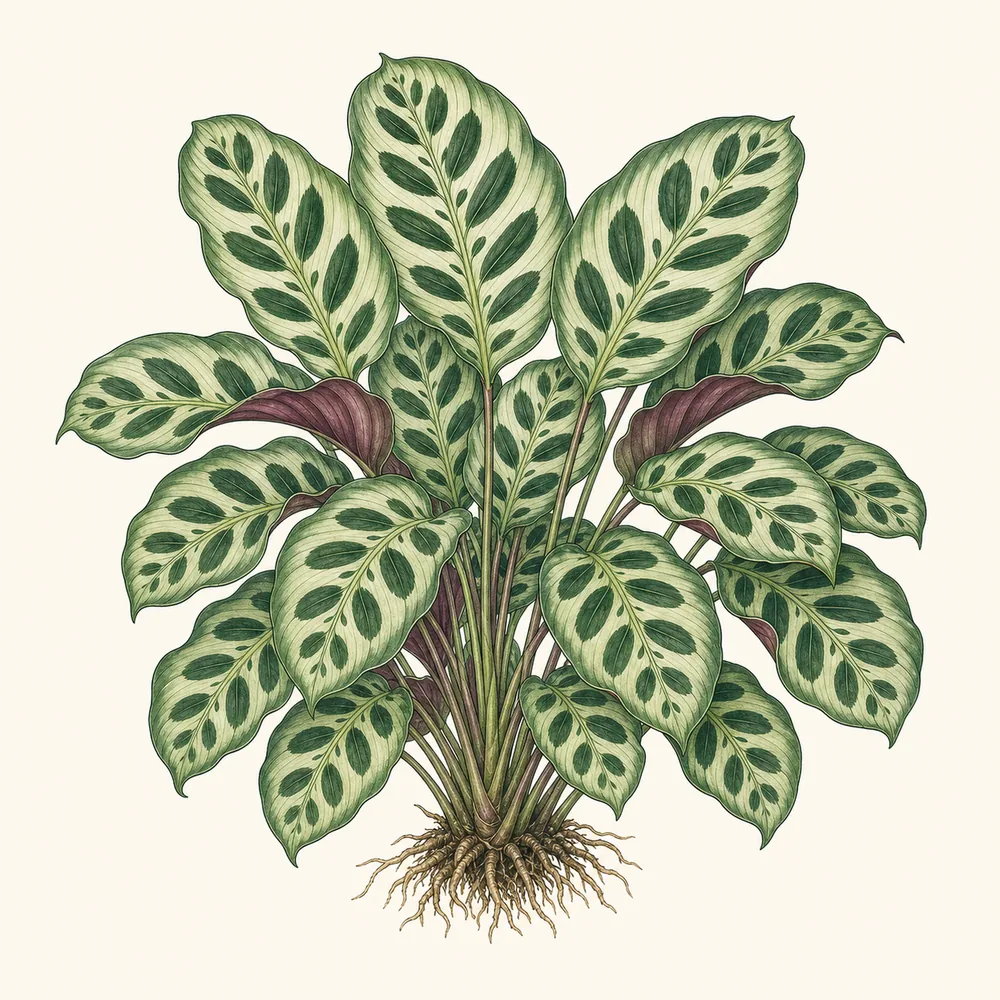
How we checked this
Care cross-checked against the RHS. Toxicity taken from the ASPCA database, which lists the bird of paradise (Strelitzia reginae) as toxic to cats and dogs — flowers and seeds the main concern. If our page and these sources ever disagree, believe them — and tell us.
Sources: RHS · ASPCA — toxic & non-toxic plants
Last reviewed · July 2026