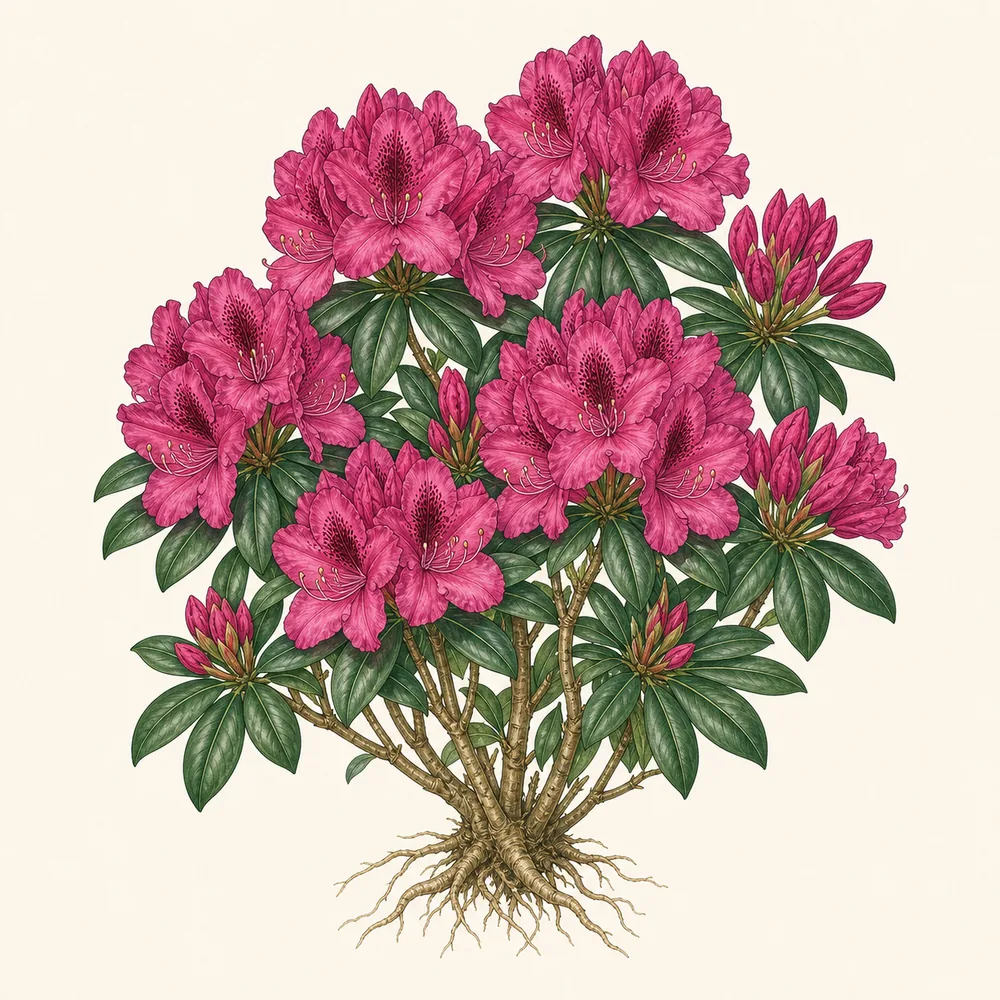
Rhododendron & Azalea
The great spring show-offs — mounds of trusses in every colour from soft pink to fiery orange, on evergreen rhododendrons and both evergreen and deciduous azaleas. The one non-negotiable is acid soil; get that right and a sheltered, dappled spot and they're long-lived and generous.
Seriously toxic to cats, dogs & horses
Rhododendrons and azaleas (Rhododendron) are listed as toxic to cats, dogs and horses on the ASPCA database. Every part contains grayanotoxins, which disrupt heart, muscle and nerve function — even a few leaves can cause serious poisoning, from drooling and vomiting to a weak heart rate, collapse and, rarely, death. One of the more dangerous garden shrubs around pets and grazing animals.
Care at a glance
Everything that matters, in six lines. The detail is further down.
Position
Happiest in light woodland shade with shelter from cold winds and early-morning sun, which can scorch buds and frozen flowers. Deciduous azaleas take a little more sun.
Water
Shallow-rooted and thirsty — never let them dry out in summer. Use collected rainwater where you can, as hard tap water is limy and they dislike lime.
Hardiness
Most garden types are fully hardy, but the early flowers can be browned by a late frost, so avoid frost pockets and open, exposed sites.
Soil
The key fact: they must have acid (ericaceous) soil. On neutral or chalky ground grow them in a pot or raised bed of ericaceous compost, and never add lime.
Feeding
Mulch with leaf mould or composted bark and feed with an ericaceous fertiliser after flowering. Yellowing leaves usually mean the soil is too limy.
Pruning
Snap off spent flower trusses to tidy them, taking care of the new buds just below. They need little pruning; overgrown plants can be cut hard in early spring.
What to do, and when
Peak season — trusses open from March to May depending on variety. Keep an eye on the frost forecast for the earliest bloomers, and deadhead as flowers fade.
This is when next year's buds form, so never let the roots dry out — water deeply in dry spells with rainwater and keep a moisture-holding mulch topped up.
A good time to plant, while the soil is warm and moist. Mulch with leaf mould, and enjoy the fiery leaf colour on the deciduous azaleas before they drop.
Evergreens carry on quietly through the cold. Check that pots haven't dried out in mild spells, and protect the fattening flower buds of early types from hard frost.
Acid soil is the whole game
Rhododendrons and azaleas are ericaceous — they can only take up nutrients from acid soil, roughly pH 4.5–6. On neutral or chalky ground the leaves turn yellow between the veins (lime-induced chlorosis) and the plant slowly starves.
If your soil isn't naturally acid, don't fight it across a whole border. Grow them instead in a large pot or raised bed filled with ericaceous compost, water with rainwater, and feed with an ericaceous fertiliser. Never add lime or mushroom compost anywhere near them.
Shelter and shallow roots
These are woodland-edge plants. They want dappled shade and shelter from cold, drying winds, and ideally protection from early-morning sun, which thaws frozen flowers too fast and browns them.
The root system is a shallow, fibrous mat that sits near the surface, so it dries out fast and resents being buried deeply. Plant with the top of the rootball level with the soil, mulch generously with leaf mould, and keep watering through summer droughts.
Deadhead, but barely prune
After flowering, gently snap off the spent trusses between finger and thumb, taking care not to knock out the new growth buds sitting just below them. It tidies the plant and steers energy into next year's display rather than seed.
Otherwise they need very little pruning. If a plant has outgrown its space, most rhododendrons take a hard cut back in early spring surprisingly well and will break from old wood — though you'll lose a year or two of flower while it recovers.
Common problems
Yellow leaves with green veins
Lime-induced chlorosis — the soil is too alkaline and the plant can't take up iron. Move it into ericaceous compost, water with rainwater, and apply a sequestered iron tonic as a stopgap.
Buds turn brown and don't open
Bud blast, a fungal disease often spread by rhododendron leafhopper, leaves buds dry and silvery-black. Pick off and bin affected buds, and control the leafhopper in late summer.
Flowers browned overnight
Frost damage on early trusses, worst where morning sun hits them fast. Site away from frost pockets and east-facing walls; there's no cure once they've been hit, just remove the mush.
Wilting, dying shoots on healthy-looking plant
Often Phytophthora root rot from waterlogging, or vine weevil grubs eating the roots. Improve drainage, never plant in wet ground, and check the rootball for cream C-shaped grubs.
Everything a rhododendron needs
Acid soil above all, a sheltered dappled spot, and rainwater in summer.
We take no commission on anything in the "save your money" tier — if we don't think you should buy it, we don't link it. How our recommendations work
If you like this, try
Other plants with a similar temperament.
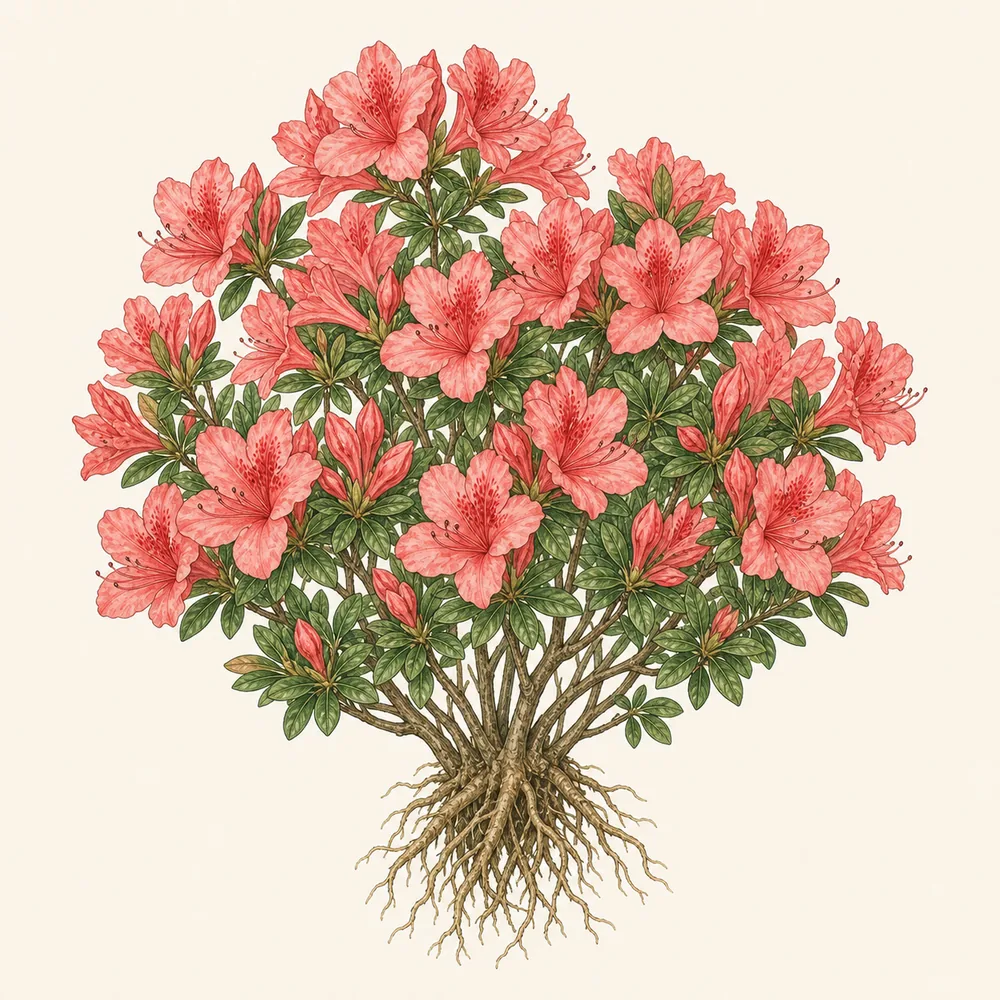
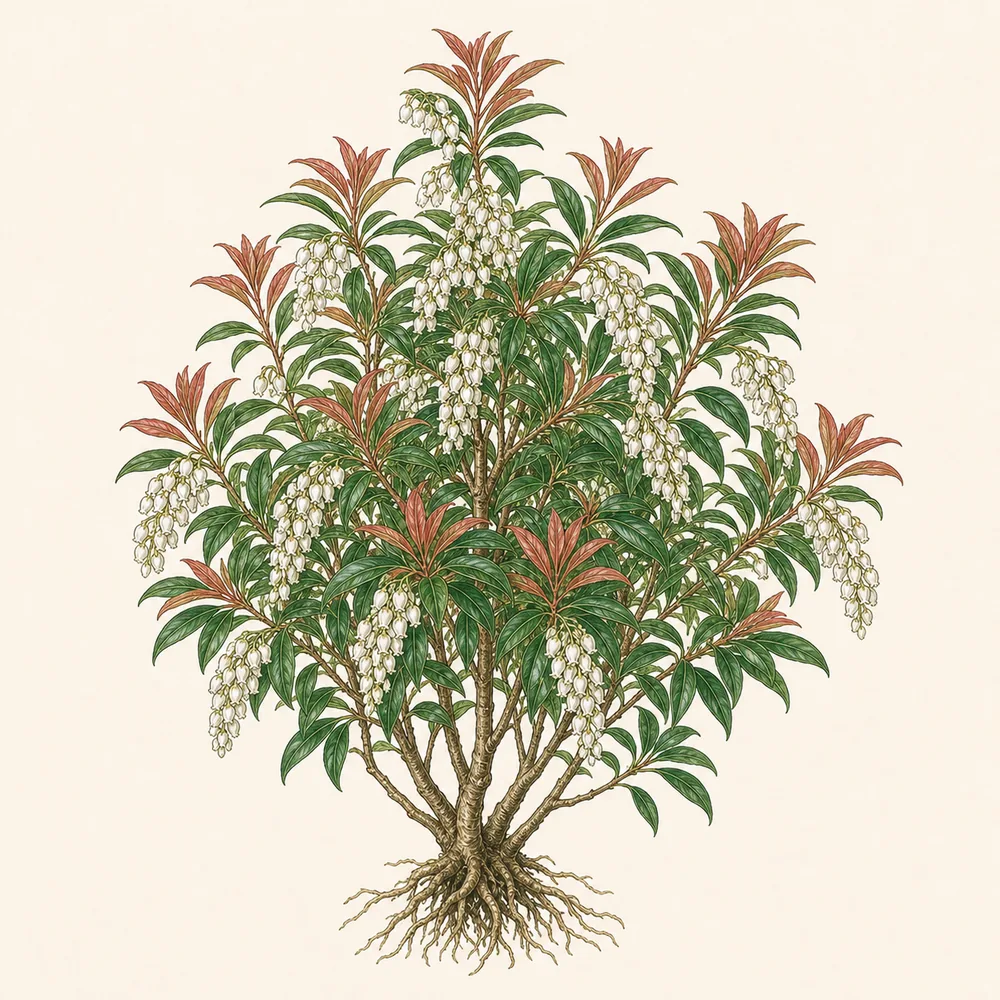
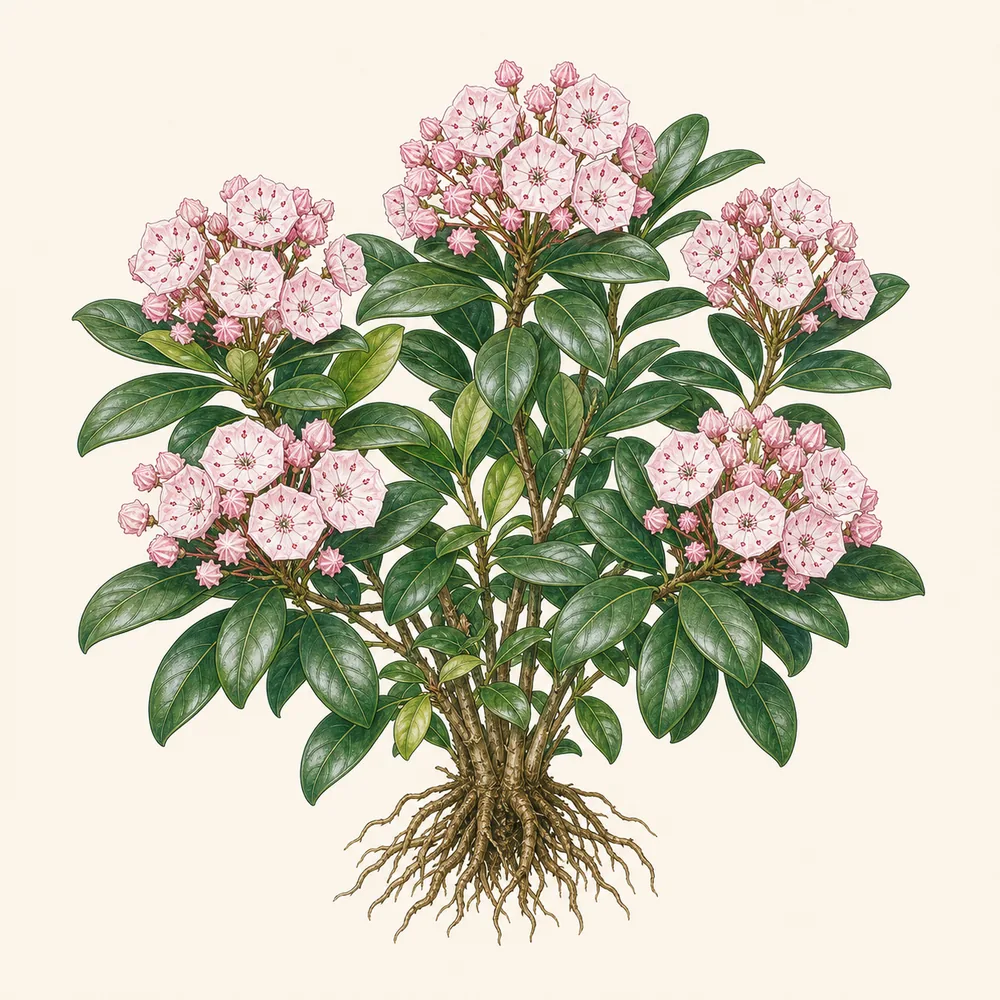
How we checked this
Care cross-checked against the RHS. Toxicity taken from the ASPCA database, which lists Rhododendron (incl. azalea) as toxic — grayanotoxins affecting heart and nerves; a few leaves can seriously poison. If our page and these sources ever disagree, believe them — and tell us.
Sources: RHS · ASPCA — toxic & non-toxic plants
Last reviewed · August 2026