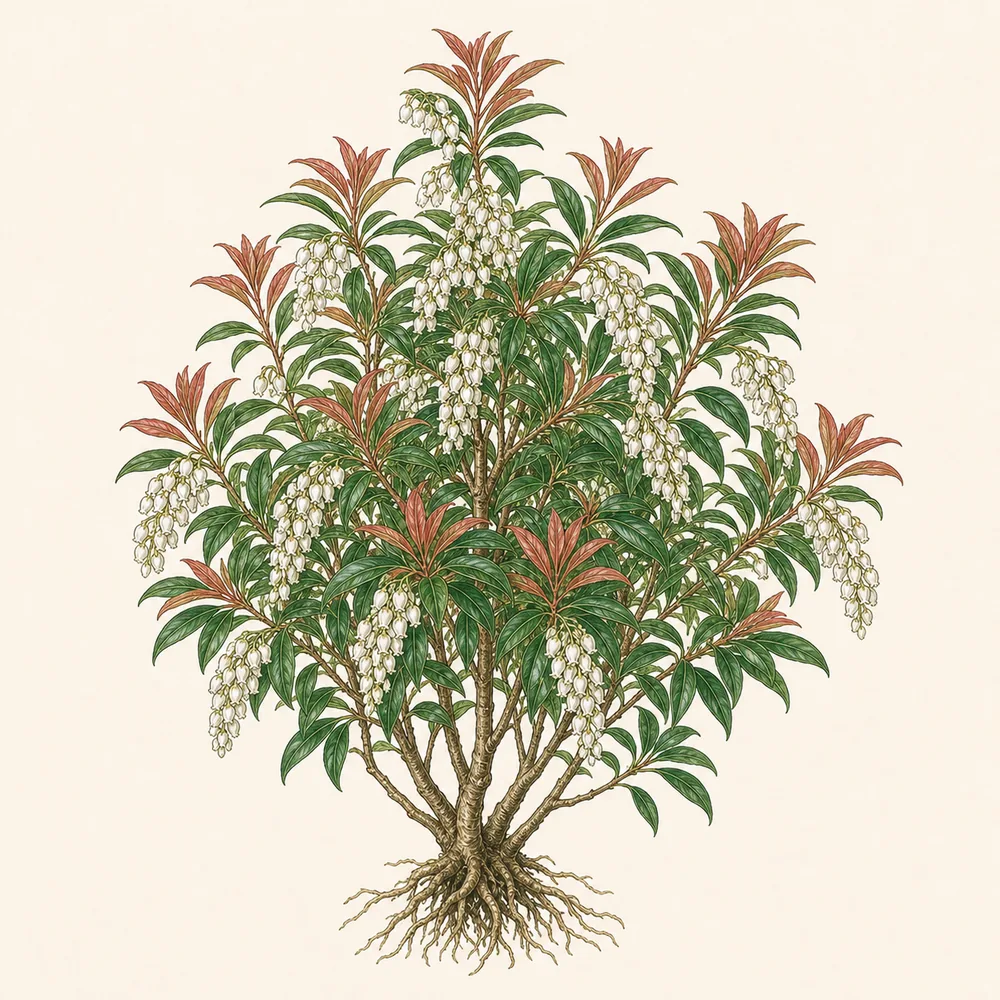
Pieris
Pieris earns its keep twice over: drooping sprays of white, lily-of-the-valley flowers in early spring, then vivid flame-red new leaves that fade to green. Like its rhododendron cousins it demands acid soil and part shade, and the tender young growth needs shelter from late frosts.
Seriously toxic to pets & livestock
Pieris (Pieris japonica) contains the same grayanotoxins as its azalea relatives and is seriously toxic. Eating even small amounts can cause drooling, vomiting, weakness and heart-rhythm problems. Keep pets and livestock away, and seek urgent veterinary help if it is eaten.
Care at a glance
Everything that matters, in six lines. The detail is further down.
Position
Dappled shade with shelter from cold, drying winds. Keep it out of frost pockets — the red new growth is frost-tender.
Water
Keep the roots evenly moist but never waterlogged. Use rainwater rather than hard tap water, especially in pots.
Hardiness
The shrub is hardy, but late frosts scorch the bright new shoots — shelter it and cover in a hard spring frost.
Soil
Ericaceous, like rhododendrons — acid soil, or ericaceous compost in pots. It will not cope with lime or chalk.
Feeding
A feed for ericaceous plants after flowering supports the new flush of growth. Avoid lime-based feeds.
Flowering
Sprays of white bells, followed by the fiery red young leaves that are half the reason to grow it.
What to do, and when
Sprays of white flowers give way to flame-red new growth — shelter those tender shoots from late frosts, then deadhead and mulch.
Keep the shallow roots cool and moist, watering with rainwater in dry spells, and give a light ericaceous feed.
A good time to plant; top up the mulch of leaf mould or composted bark to protect and feed the roots.
Dormant and evergreen — shelter from cold winds, keep out of frost pockets, and make sure it never sits waterlogged.
Acid soil, and shelter for the red growth
Pieris is ericaceous, so it needs acid soil or a pot of ericaceous compost — on limey ground the leaves yellow between the veins and it fails to thrive. Water with rainwater where you can, as hard tap water slowly raises the pH.
The famous red new leaves are also the plant's weak point: they are frost-tender, and a sharp late frost turns them brown. Site it out of frost pockets, give it shelter from cold winds, and throw fleece over it if a hard spring frost is forecast.
As poisonous as its cousins
Pieris carries the same grayanotoxins as azaleas and rhododendrons, affecting the heart and nervous system, so it is genuinely dangerous to dogs, cats, horses and grazing livestock even in small amounts.
Plant it where animals can't browse it, wash your hands after pruning, and if any is eaten treat it as an emergency and call a vet straight away.
Common problems
Yellow leaves with green veins
Lime-induced chlorosis from alkaline soil or hard water. Switch to rainwater, feed ericaceous, and grow in acid soil or a pot.
Blackened new shoots in spring
Late frost has caught the tender red growth. Shelter the plant and cover it with fleece when hard frosts threaten.
Mottled, greyish leaves
Pieris lace bug, worst on plants in too much sun. Move to dappled shade and remove badly affected leaves; check leaf undersides.
Wilting and dieback
Often waterlogging or Phytophthora root rot in wet soil. Improve drainage and never let it stand in water.
Everything a pieris needs
Acid soil, dappled shade, shelter from frost — and out of reach of pets.
We take no commission on anything in the "save your money" tier — if we don't think you should buy it, we don't link it. How our recommendations work
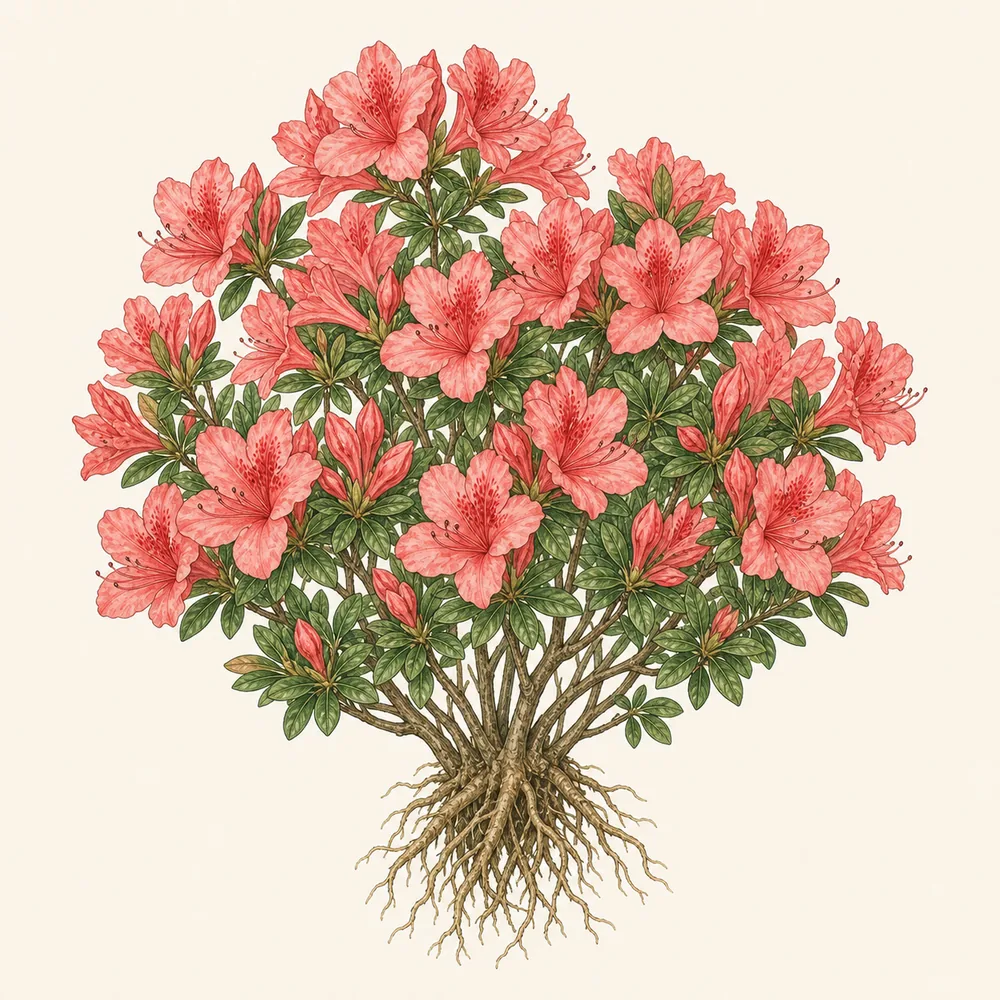
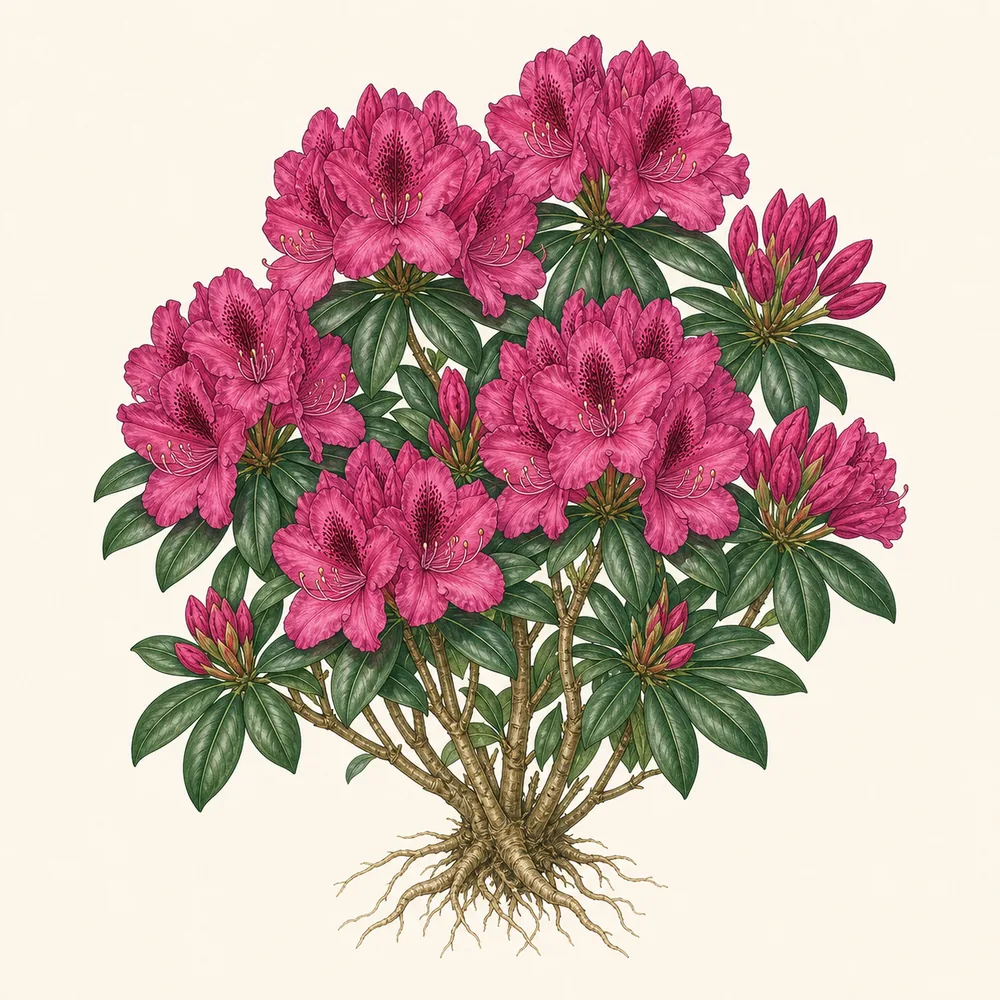
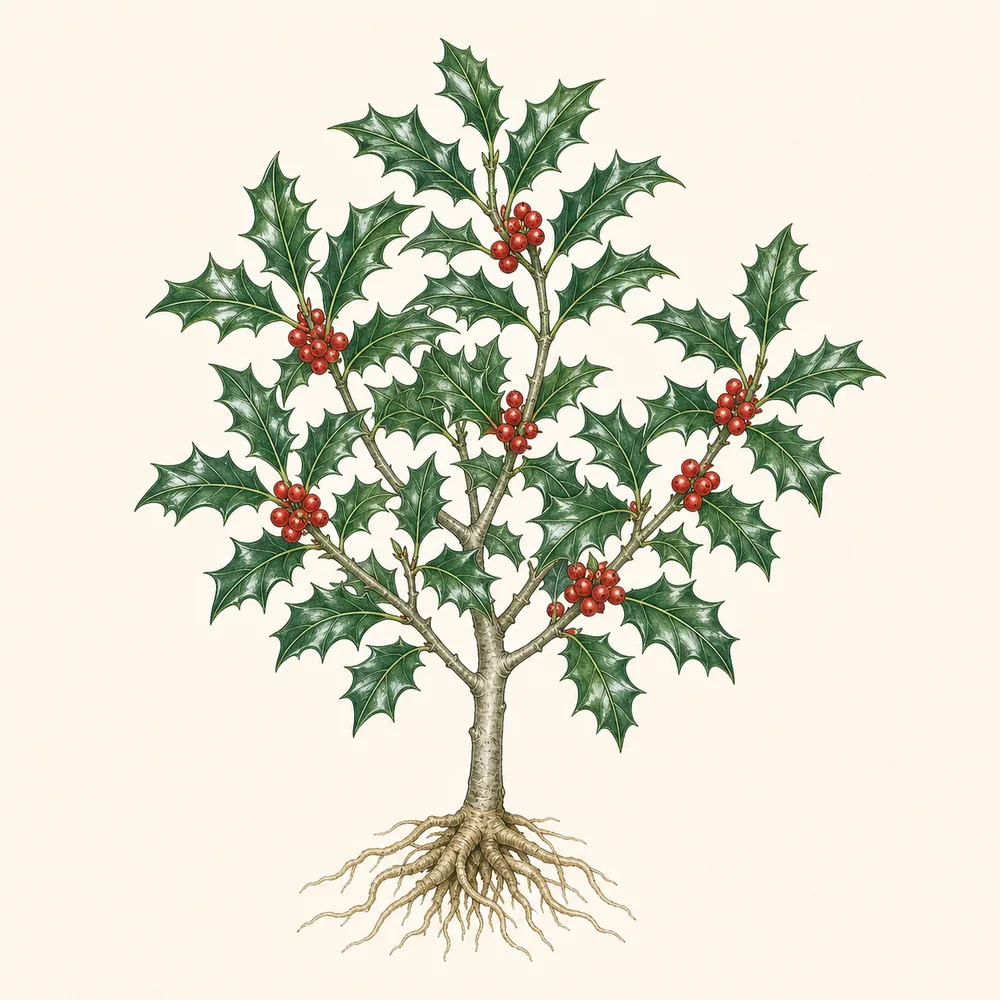
If you like this, try
Other plants with a similar temperament.
How we checked this
Care cross-checked against the RHS. Toxicity confirmed against the ASPCA database and project Tier A safety data, which list Pieris japonica as seriously toxic to cats, dogs, horses and livestock — grayanotoxins that can cause drooling, vomiting, weakness and heart-rhythm problems. If our page and these sources ever disagree, believe them — and tell us.
Sources: RHS · ASPCA — toxic & non-toxic plants
Last reviewed · July 2026