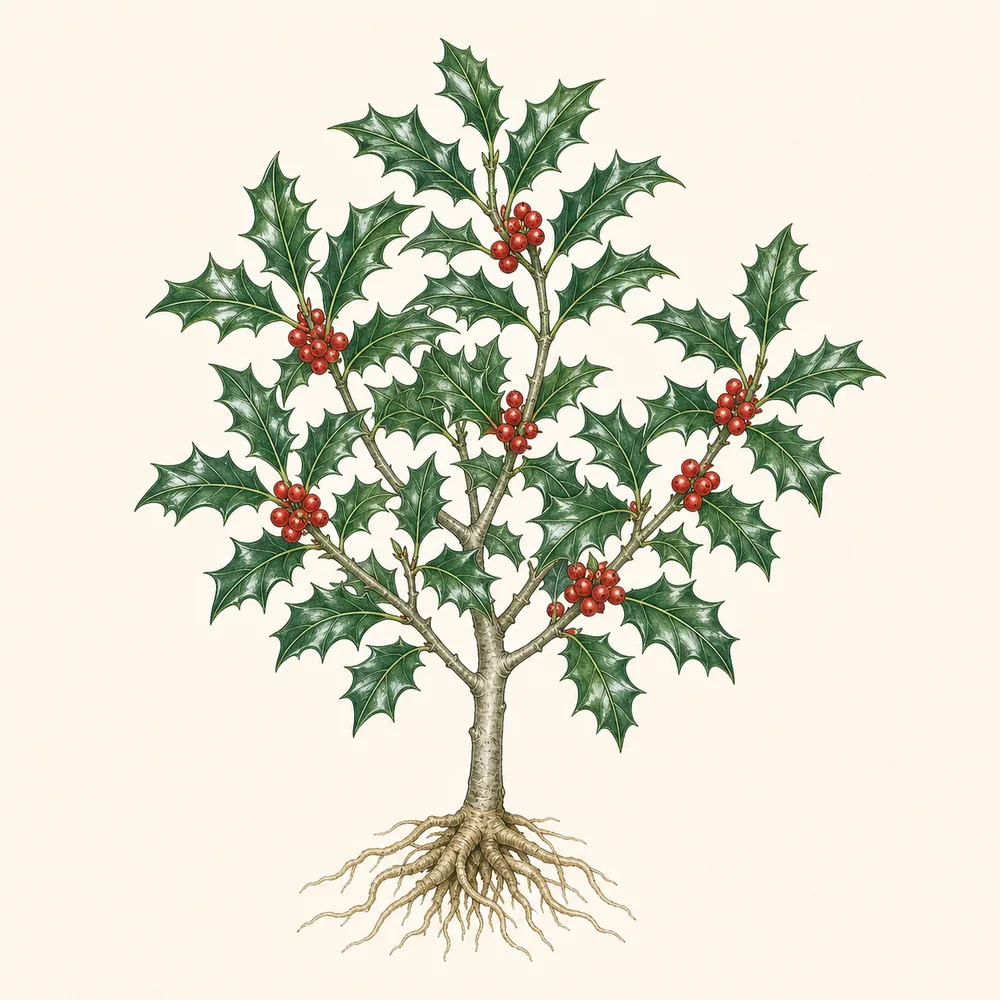
Holly
A tough native evergreen with glossy, spiny leaves and — on female plants — bright winter berries. Slow to establish but near-indestructible once away, and superb for hedging, topiary and wildlife.
Toxic to cats & dogs if eaten
Holly (Ilex) is listed as toxic to cats and dogs on the ASPCA database. The berries and leaves contain saponins; eating them causes drooling, vomiting and diarrhoea, and the spiny leaves can also injure the mouth. Keep pets away from the berries in particular.
Care at a glance
Everything that matters, in six lines. The detail is further down.
Position
Tolerates most positions, from full sun to fairly deep shade. Variegated forms keep their colour best with more light.
Water
Keep young plants watered through their first couple of summers. Mature hollies are very drought-tolerant.
Hardiness
One of our toughest natives — hardy, wind-resistant and reliable even in exposed coastal gardens.
Soil
Unfussy; grows on most soils as long as they aren't permanently waterlogged.
Feeding
An annual mulch is plenty. Feed only to nudge young plants along faster.
Pruning
Slow-growing and takes clipping well. Trim hedges, cones and topiary in late summer to keep them crisp.
What to do, and when
Small white flowers open; plant new hollies now as the soil warms and keep them watered.
Clip hedges, cones and topiary from mid- to late summer; keep young plants watered.
Berries colour up on female plants — a welcome feast for blackbirds and thrushes.
Cut sprigs for the house; established females hold their berries right through the cold.
You need a female for berries
Holly is dioecious — male and female flowers grow on separate plants, and only females carry berries. If your holly never fruits, it may simply be a male, or a lone female with no male nearby to pollinate it.
The names don't help: 'Golden King' is female and berries, while 'Silver Queen' is male and never will. For a good crop, plant a female and make sure there's a male holly within pollinating distance — a neighbour's often does the job.
Slow but tough
Holly asks for patience. It's slow to establish, sometimes sitting still for a year or two, and can look sorry for itself before it settles. Resist the urge to fuss — keep it watered and leave it be.
Once away, it's about as durable as garden plants get: hardy, shade-tolerant, wind-firm and long-lived, and it clips into hedges and topiary that hold their shape for decades.
Common problems
No berries at all
Either a male plant, or a female with no male nearby to pollinate it. Check the variety and its sex.
Pale winding trails or blisters in the leaves
Holly leaf miner, a small fly larva tunnelling inside the leaf. Largely cosmetic; pick off badly marked leaves.
Black sooty coating on the leaves
Sooty mould growing on the sticky honeydew from scale or whitefly. Treat the pest and it clears.
Yellowing, dropping leaves
Some old-leaf drop is normal in spring. Heavy loss can signal waterlogged roots — check the drainage.
Everything a holly needs
The right sex for berries, patience while it settles, and a late-summer trim.
We take no commission on anything in the "save your money" tier — if we don't think you should buy it, we don't link it. How our recommendations work
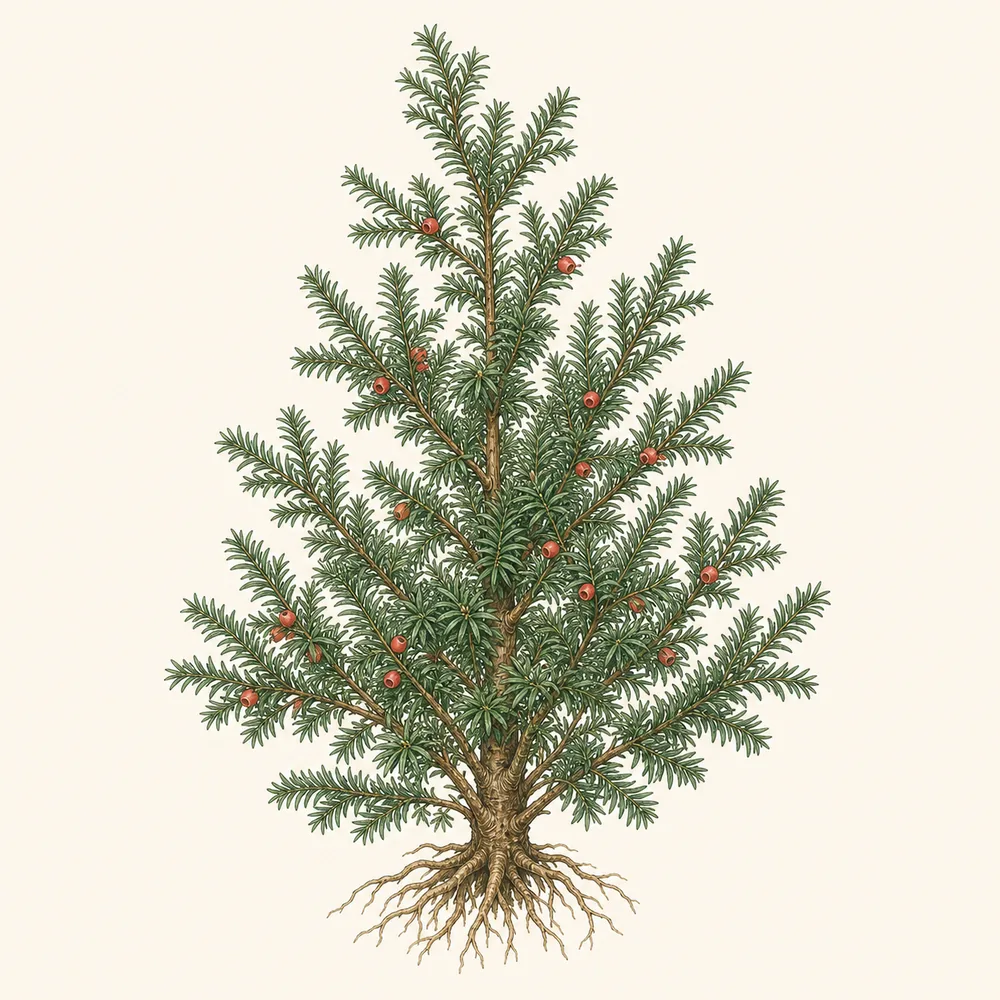
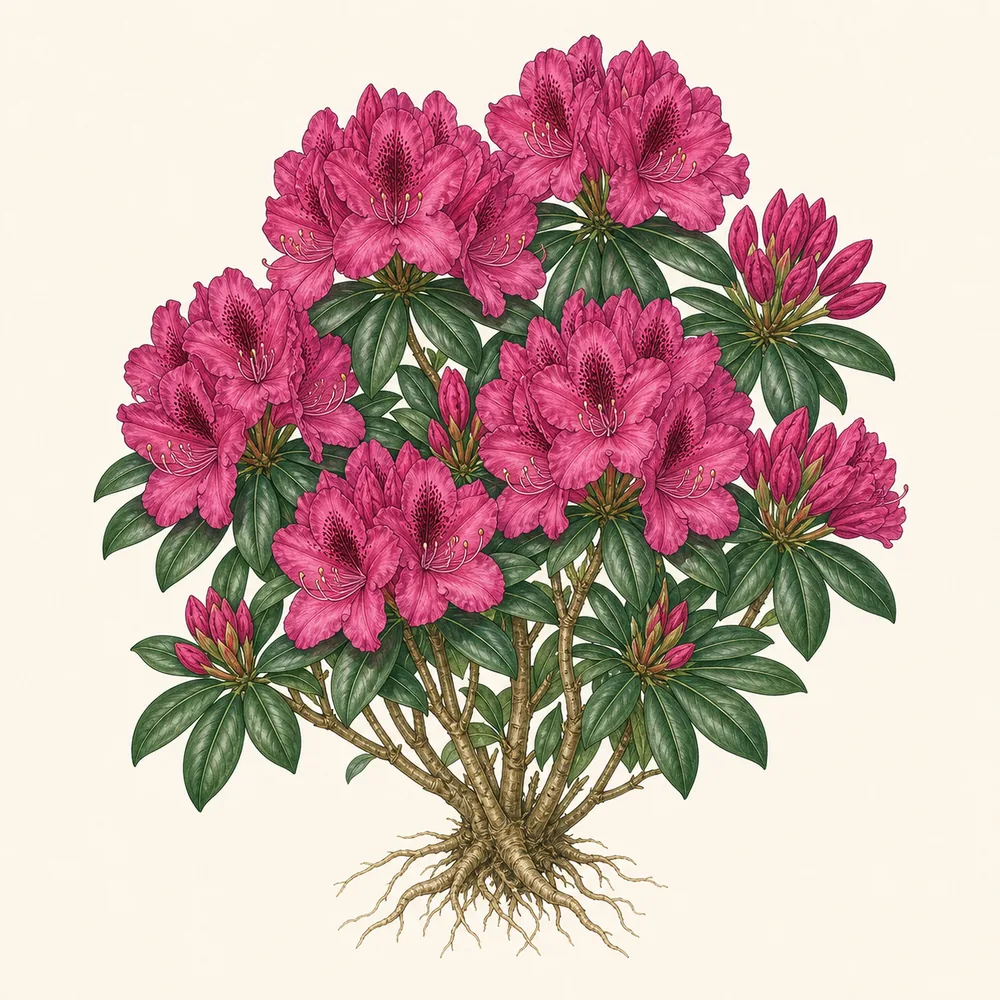
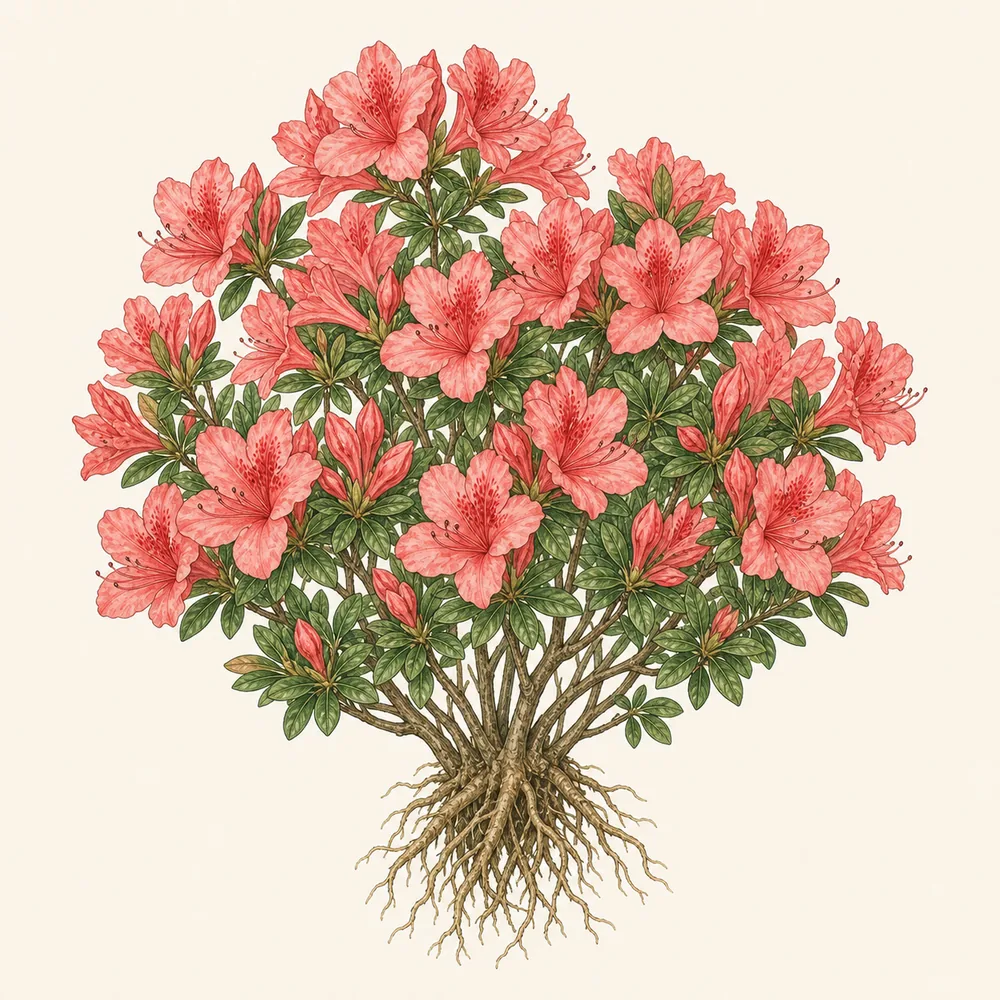
If you like this, try
Other plants with a similar temperament.
From the Notebook
Seasonal notes and guides that mention the holly.
How we checked this
Care cross-checked against the RHS. Toxicity confirmed against the ASPCA database, which lists Ilex (holly) as toxic to cats and dogs — saponins in the berries and leaves cause drooling, vomiting and diarrhoea. If our page and these sources ever disagree, believe them — and tell us.
Sources: RHS · ASPCA — toxic & non-toxic plants
Last reviewed · July 2026