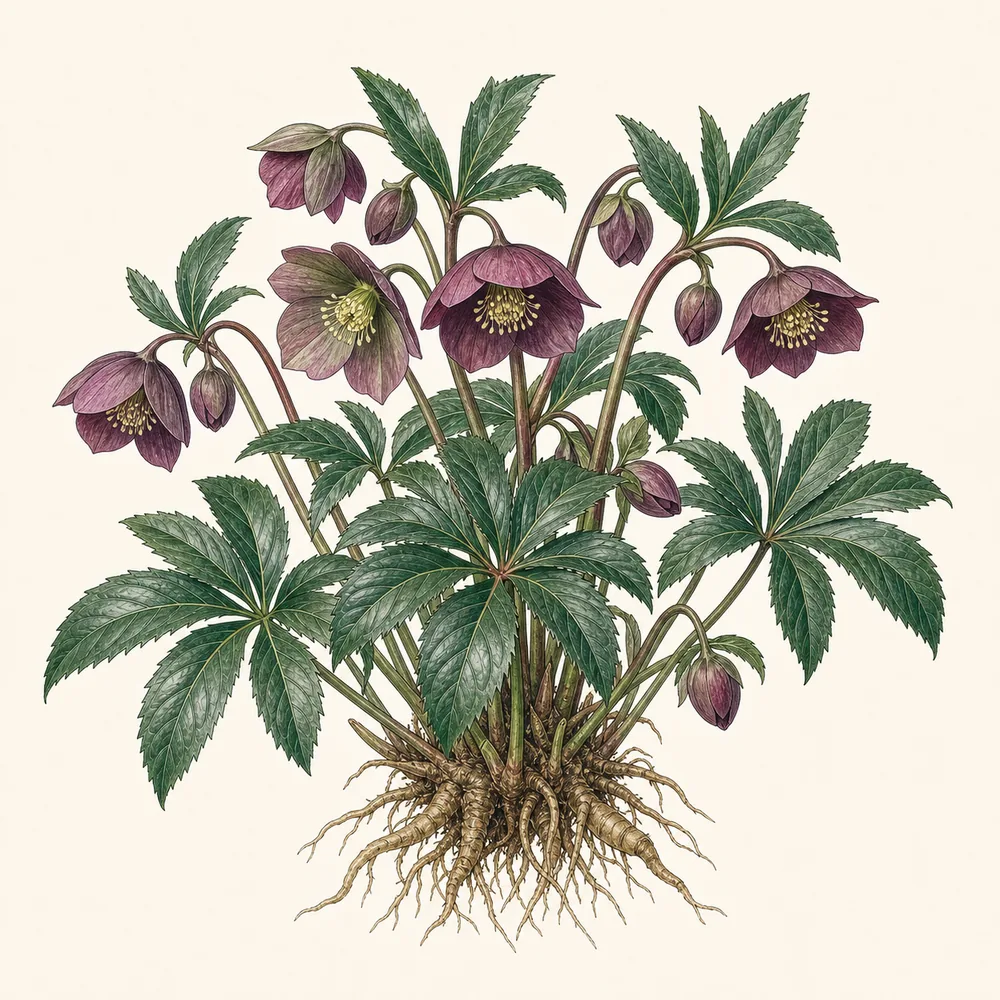
Hellebore
One of the great winter treasures — nodding, cup-shaped flowers in white, pink, plum and green that open when little else dares. Tough, shade-loving and long-lived once settled.
Toxic to cats, dogs & people if eaten
Hellebores (Helleborus) are harmful if eaten and their sap can irritate skin (RHS). Chewing causes drooling, vomiting and stomach pain; wear gloves when cutting them back. Keep pets from grazing the leaves.
Care at a glance
Everything that matters, in six lines. The detail is further down.
Position
Happiest in dappled shade beneath deciduous shrubs, where winter light reaches the flowers but summer sun doesn't scorch.
Water
Water in dry spells the first year. Established plants tolerate some summer dryness in shade but resent standing wet.
Hardiness
Thoroughly hardy — the flowers open in the depths of winter and shrug off hard frost and snow.
Soil
Loves leafy, humus-rich ground. Dig in plenty of leaf mould or garden compost when planting.
Feeding
A yearly autumn mulch of compost or leaf mould is usually all they ask for.
Pruning
Cut off the tatty old foliage in late winter to show off the flowers and reduce hellebore leaf spot.
What to do, and when
Flowering tails off — leave a few seedlings to self-sow around the parent if you'd like more.
Little to do; keep young plants watered in dry shade and mulch to lock in moisture.
Mulch around the crowns with leaf mould or garden compost.
Cut off the old leaves as the flower buds appear — both to reveal the blooms and to curb leaf spot.
Cut off the old leaves
The single most useful hellebore job is removing the old foliage in early winter, just as the flower buds push up. Do it and the nodding blooms stand clear and unhidden; skip it and they open half-buried in tired, spotted leaves.
It also does real work against hellebore leaf spot, the fungal disease that blackens old foliage. Cutting away and binning the old leaves removes the main source of infection for the year ahead.
Winter flowers, summer shade
Hellebores earn their keep by flowering when the border is otherwise bare, then quietly holding leafy ground cover through the rest of the year. Plant them where you'll see them from the window in the depths of winter.
They dislike being moved once settled, so choose the spot with care and be patient — a young plant takes a season or two to hit its stride, after which it's long-lived and near self-sufficient.
Common problems
Black blotches on the leaves
Hellebore leaf spot, a fungus. Remove and bin affected leaves; cutting old foliage in winter helps a lot.
Flowers hidden by scruffy foliage
The old leaves need removing. Cut them all back as the buds appear.
Stunted, distorted, dark-streaked growth
Possibly hellebore black death, a virus with no cure. Dig up and destroy affected plants to protect the rest.
Aphids on the flower stems
Greenfly gathering on soft new growth. Wipe or wash them off; they rarely do lasting harm.
Everything a hellebore needs
Humus-rich shade, an annual mulch, and a winter tidy-up.
We take no commission on anything in the "save your money" tier — if we don't think you should buy it, we don't link it. How our recommendations work
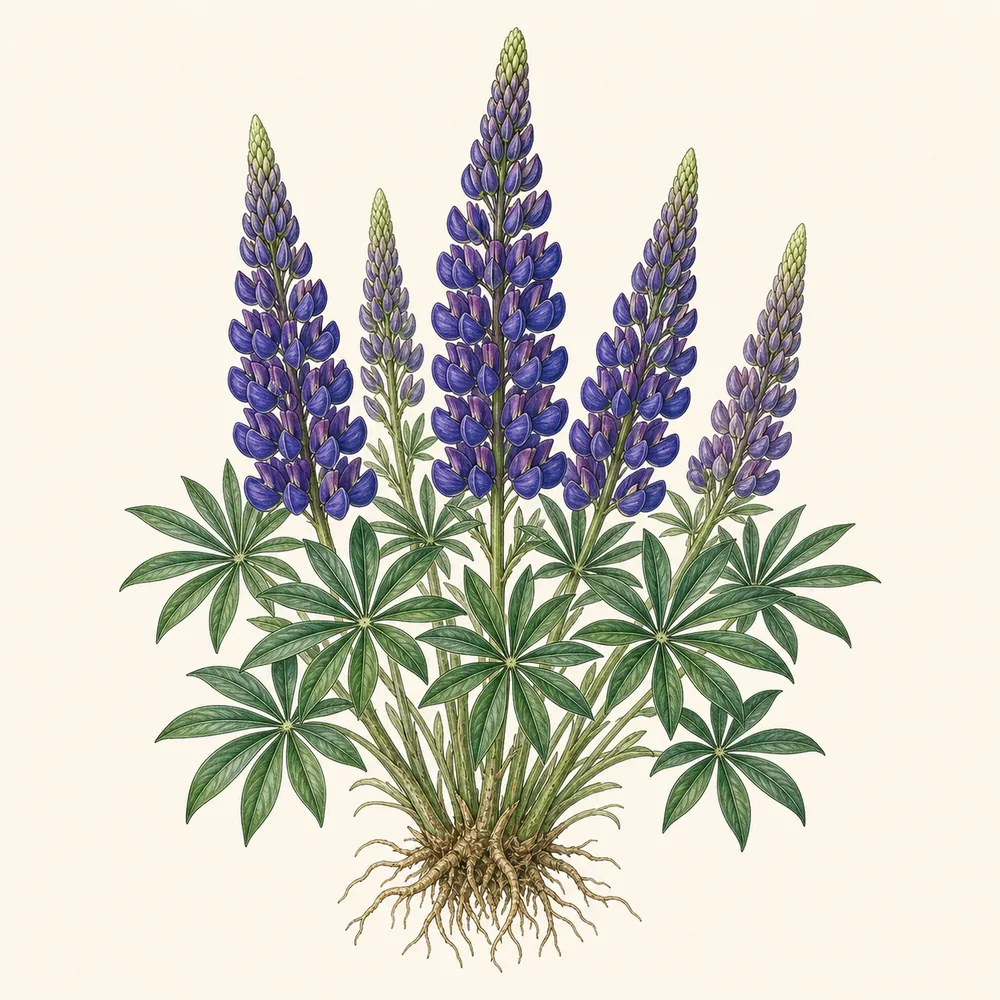
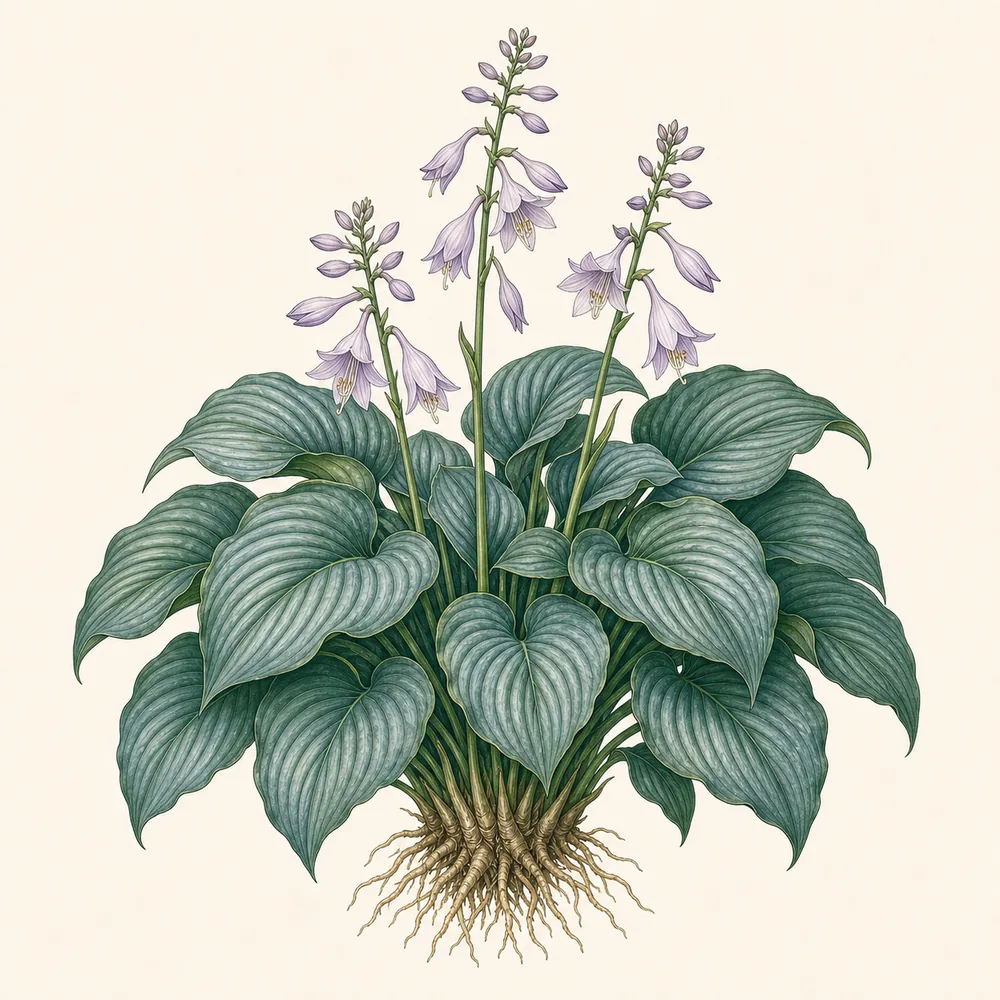
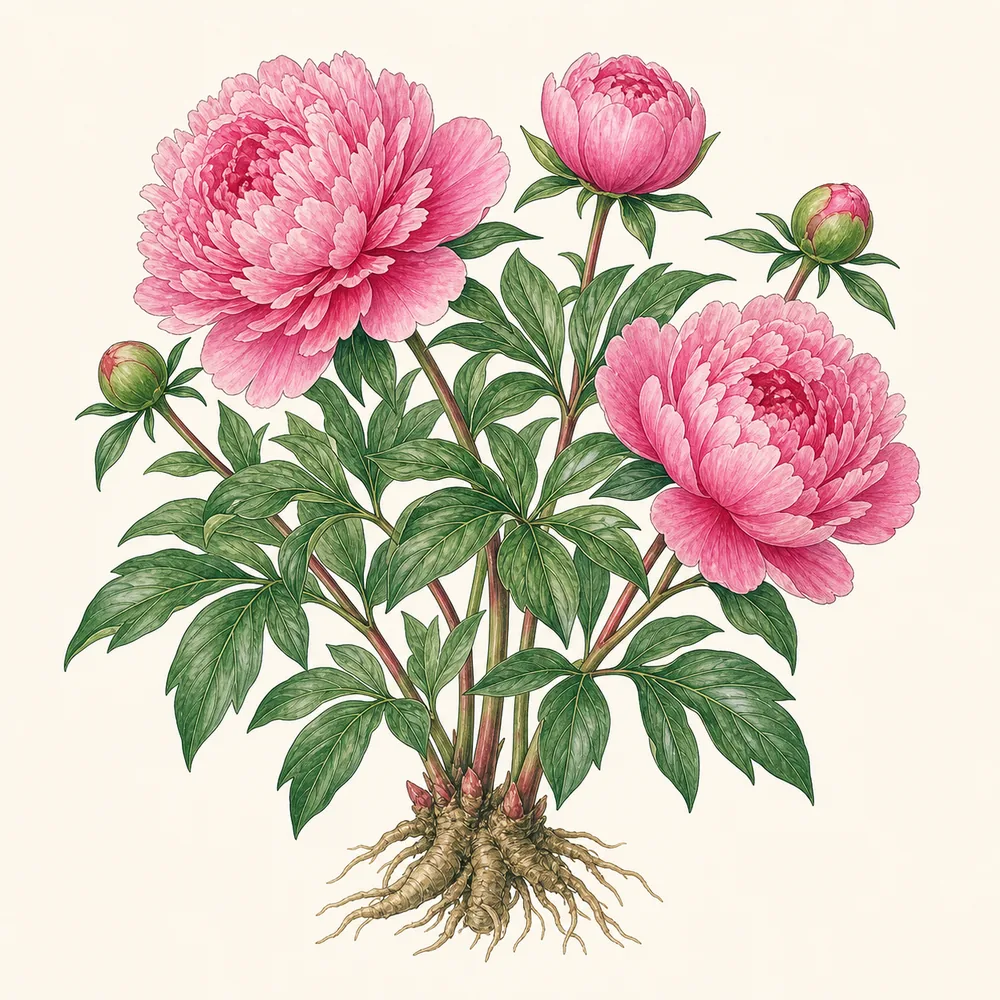
If you like this, try
Other plants with a similar temperament.
How we checked this
Care cross-checked against the RHS. Toxicity per the RHS, which lists Helleborus as harmful if eaten with sap that can irritate skin — chewing causes drooling, vomiting and stomach pain. If our page and these sources ever disagree, believe them — and tell us.
Sources: RHS · ASPCA — toxic & non-toxic plants
Last reviewed · July 2026