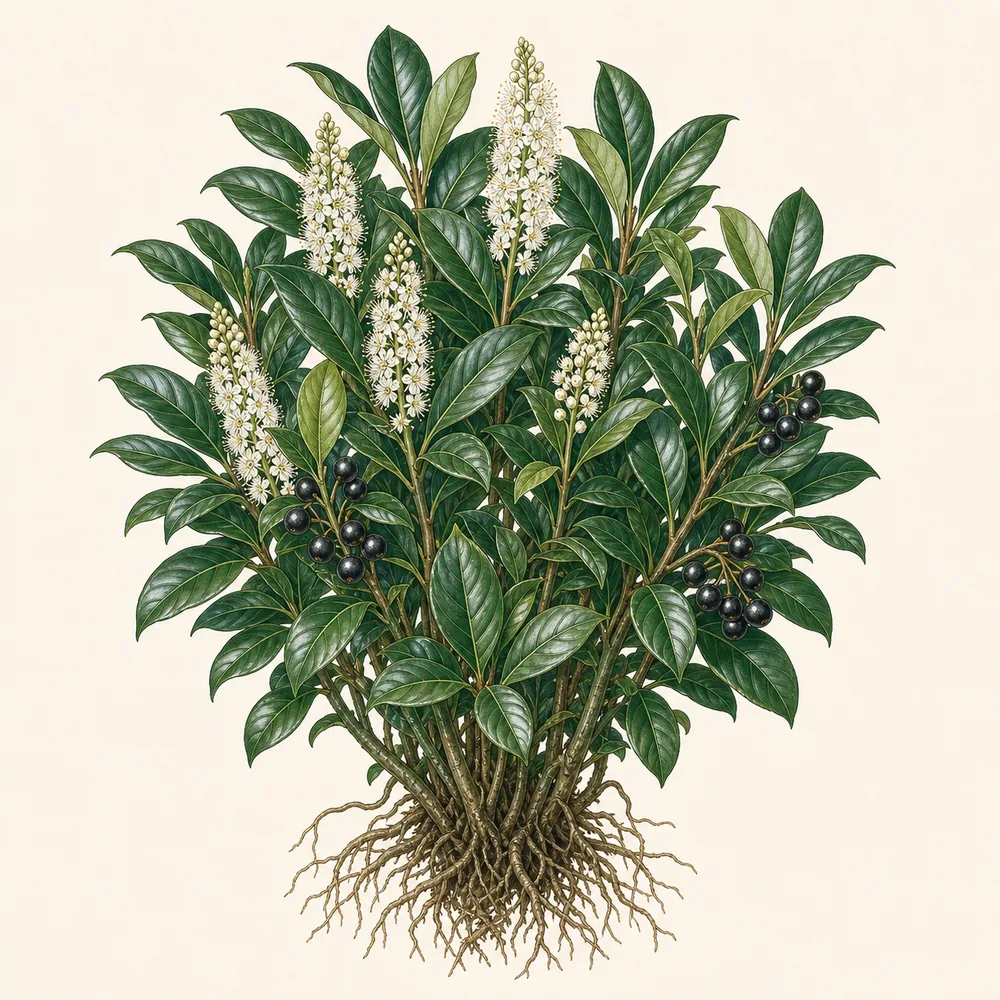
Cherry Laurel
The go-to for a fast, solid evergreen screen — big glossy leaves, dense growth and quick height, which is why it's everywhere for privacy hedges. It's genuinely easy, but the large leaves shred untidily under a trimmer, and the cyanogenic clippings need careful handling around pets and livestock.
Toxic if eaten (cyanogenic leaves & seeds)
Cherry laurel (Prunus laurocerasus) is on the RHS list of potentially harmful plants. The glossy leaves and seeds are cyanogenic — crushed or chewed foliage releases cyanide compounds — so drooling, vomiting and worse can follow. The fresh clippings are a particular hazard; never leave prunings where pets or livestock can reach them.
Care at a glance
Everything that matters, in six lines. The detail is further down.
Position
One of the best evergreens for shade — grows in full sun through to deep shade under trees, which is why it's so widely used.
Water
Keep new plants watered through their first two summers. A big-leaved evergreen loses a lot of moisture, so don't let young plants dry out.
Hardiness
Hardy across most of the UK. Cold, drying winter winds can bronze or brown the leaves in very exposed gardens.
Soil
Grows on most soils but dislikes shallow chalk, where it can go yellow. It won't thrive in permanently waterlogged ground.
Feeding
A spring feed and mulch keeps the big leaves glossy and green and supports its fast growth. Little else is needed.
Pruning
Best cut with secateurs to avoid shredding the large leaves. As a Prunus, prune in summer when wounds heal fast — never in winter.
What to do, and when
Upright spikes of small white flowers open. Feed and mulch as growth starts, and plant new laurels while the soil warms.
Fast growth to clip; trim the hedge in mid- to late summer when Prunus wounds heal quickly and disease risk is lowest.
Cherry-like berries ripen from red to black — toxic to pets and children. Growth slows; clear any fallen leaves and fruit.
Fully dormant but evergreen. Do NOT prune now — cuts invite silver leaf and canker. Cold winds may bronze exposed leaves.
Planting a fast evergreen screen
Cherry laurel is the default for quick privacy because it grows fast and makes a dense, solid wall of green. Space plants about 60–90cm apart depending on the size you buy and how quickly you want them to knit together.
It's usually planted from pots or root-balls in autumn or spring rather than bare-root. Prepare the ground well, firm plants in, and water through the first two summers — a big-leaved evergreen transpires heavily and won't establish in dry soil.
Prune in summer, and use secateurs
Two rules matter here. First, because it's a Prunus, prune in summer, not winter — winter cuts open the plant to silver leaf and bacterial canker. Second, the large leaves look ragged and brown-edged when sliced by a hedge trimmer.
For a smart finish on a formal hedge, cut with secateurs so you remove whole leaves cleanly rather than shredding them. On a big informal screen most people accept the trimmer for speed and let new growth hide the damage.
Growth rate and renovating overgrown laurel
Left alone, cherry laurel can reach the size of a small tree surprisingly fast, so it needs space and a yearly cut to stay in bounds. That vigour is a gift when a hedge has got away from you.
It renovates hard: cut an overgrown hedge back well into old wood in late spring, feed and water, and it breaks freely from bare stems. Handle the resulting clippings carefully — bruised laurel foliage is cyanogenic and must be kept away from pets and grazing animals.
Common problems
Ragged, brown-edged leaves after cutting
A hedge trimmer slices the large leaves, which then brown at the cut. Trim with secateurs for a formal hedge, or accept it on informal screens where new growth soon covers it.
Round holes or 'shotholes' in the leaves
Bacterial shothole, where damaged leaf tissue drops out leaving neat holes. Usually cosmetic on a vigorous plant; improve airflow, avoid overhead watering and feed to keep it growing strongly.
Yellowing leaves, especially on chalk
Often lime-induced chlorosis on shallow chalky soil, or waterlogged roots elsewhere. Mulch with organic matter, improve drainage, and on very chalky ground consider Portugal laurel instead.
Silver sheen on leaves and branch dieback
Silver leaf, a fungal disease entering through wounds — a real risk if pruned in winter. Only cut in summer, remove affected wood well below the damage, and clean tools between cuts.
Everything a laurel screen needs
Well-watered young plants, secateurs for a clean cut, and careful disposal of the toxic clippings.
We take no commission on anything in the "save your money" tier — if we don't think you should buy it, we don't link it. How our recommendations work
If you like this, try
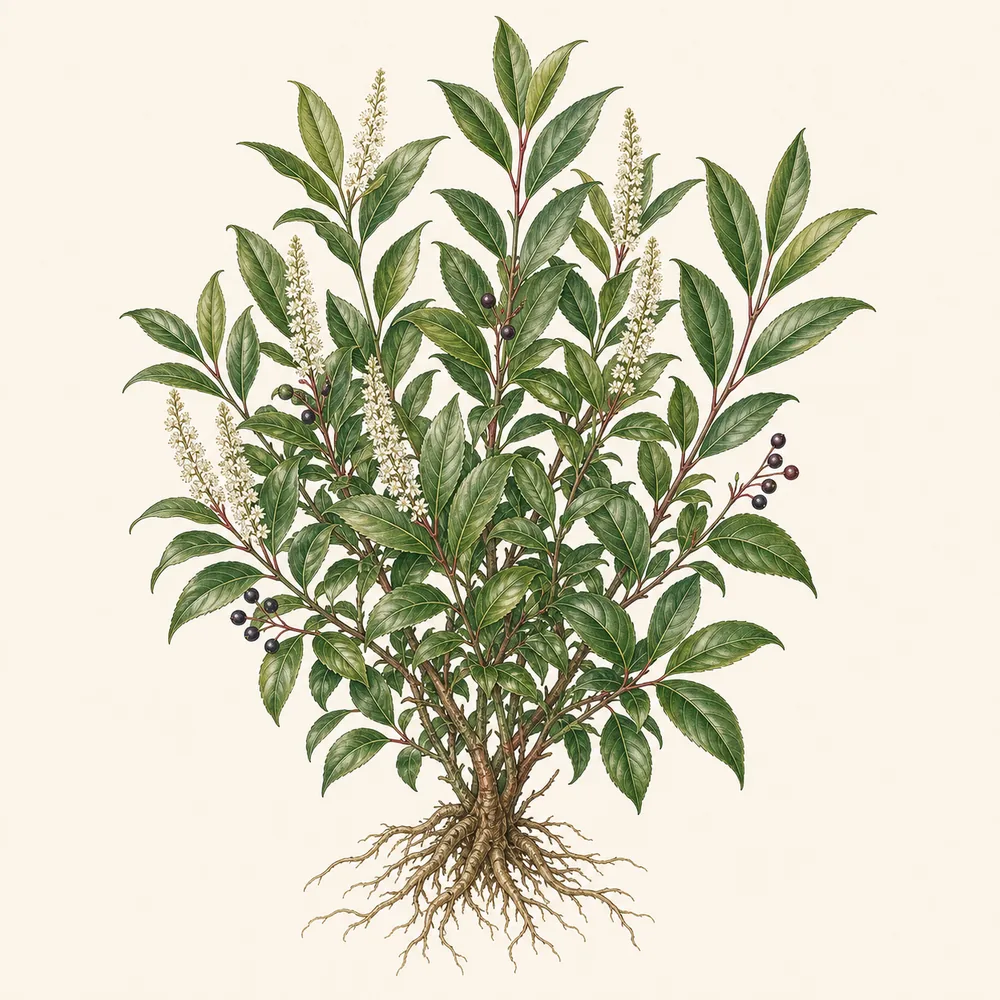
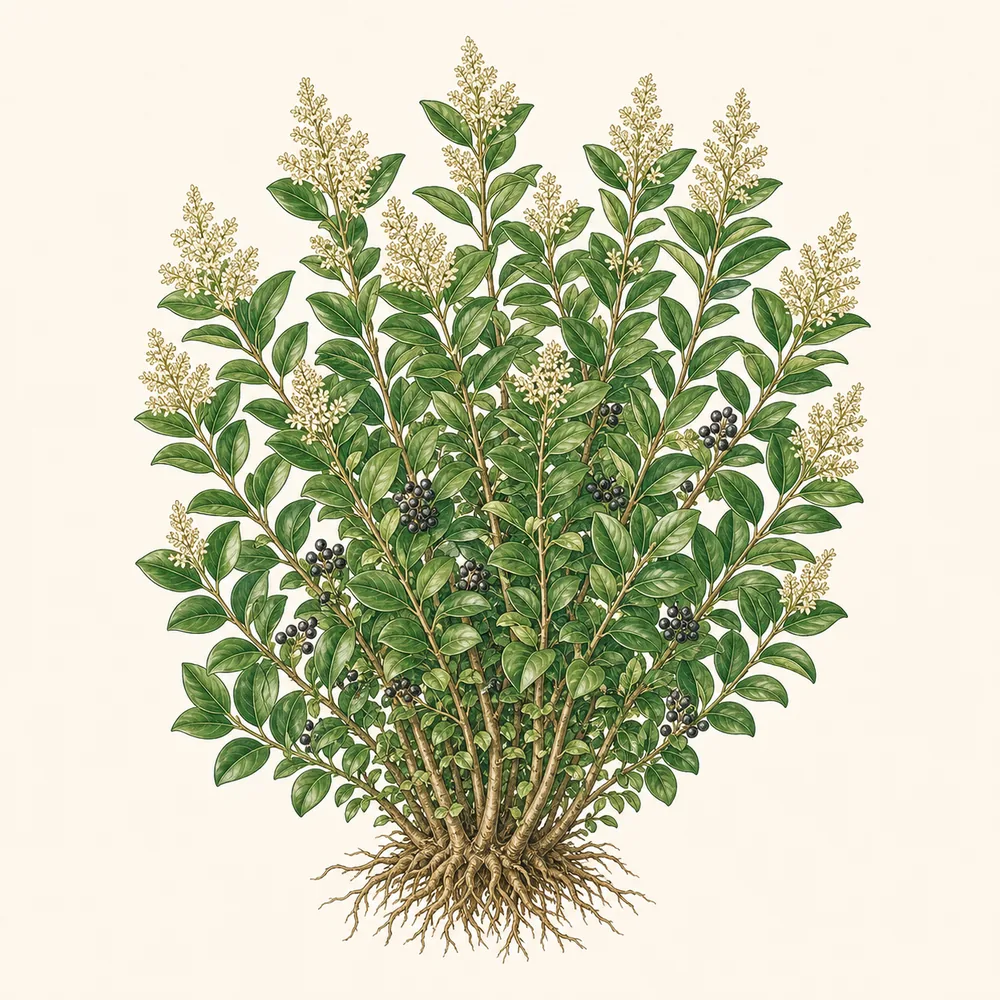
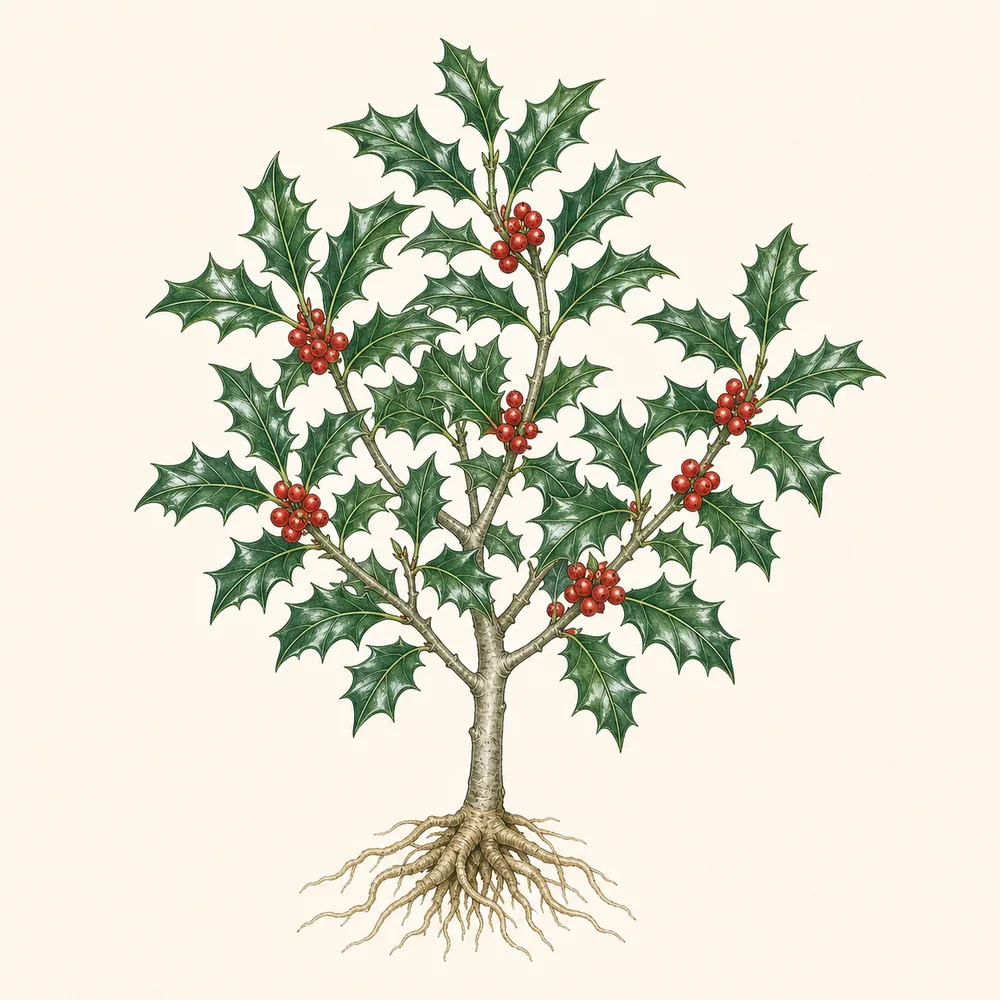
Other plants with a similar temperament.
How we checked this
Care cross-checked against the RHS, which lists Cherry Laurel (Prunus laurocerasus) as a potentially harmful plant — cyanogenic foliage and seeds. If our page and these sources ever disagree, believe them — and tell us.
Sources: RHS · ASPCA — toxic & non-toxic plants
Last reviewed · August 2026