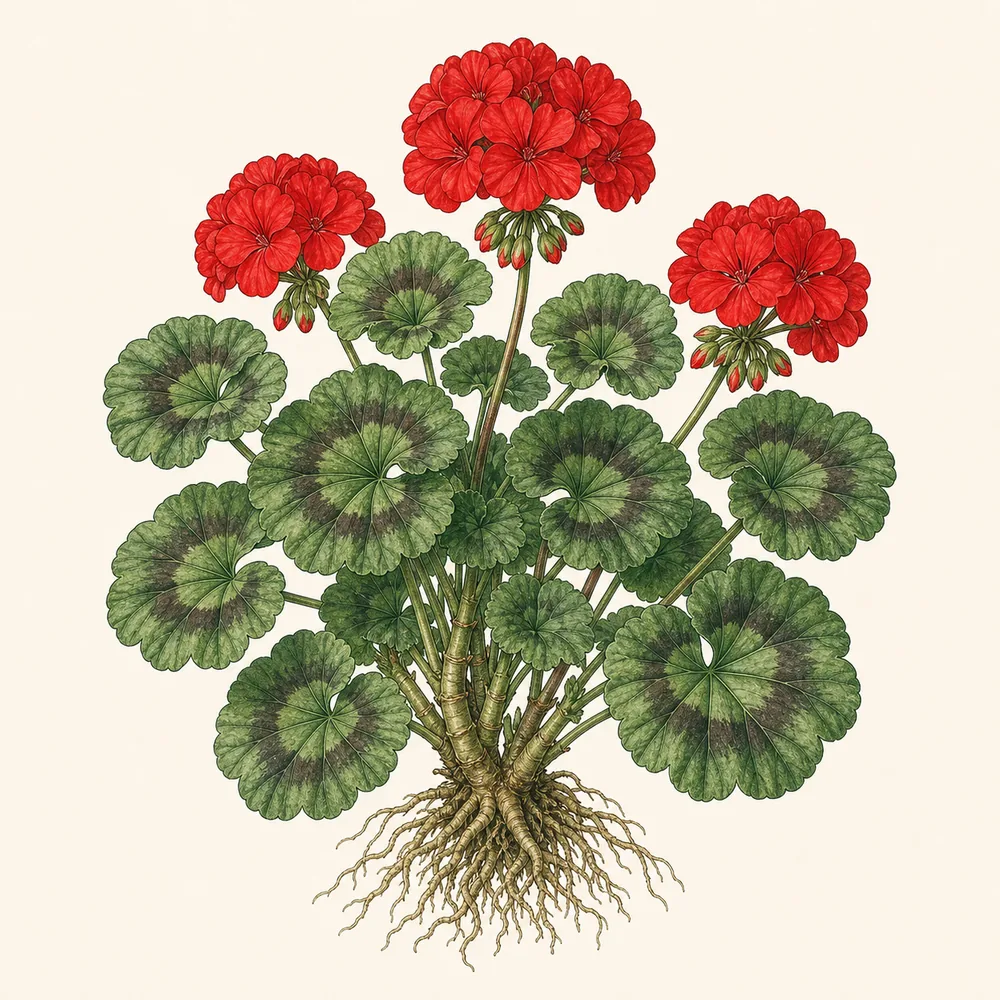
Bedding Geranium
The classic pot and windowbox 'geranium' — tender, sun-loving, and almost unkillable in a warm summer. Deadhead it, keep it on the dry side, and it flowers from late spring to the first frost. It's not truly an annual: take a few cuttings or bring plants in frost-free and the same plant will flower again next year.
Toxic to cats & dogs (bedding geranium)
Bedding geraniums (Pelargonium) are listed as toxic to cats and dogs on the ASPCA database. The leaves contain geraniol and linalool, causing vomiting, loss of appetite and skin irritation. Note this is the tender bedding 'geranium' (Pelargonium) — not the hardy border cranesbill (true Geranium), which is a different plant.
Care at a glance
Everything that matters, in six lines. The detail is further down.
Light
The more sun the better — a hot, bright spot gives the strongest flowering. In shade they grow soft and leggy with far fewer blooms.
Water
Water when the top of the compost feels dry, then let it drain. These are drought-tolerant plants that rot in constantly wet soil.
Temperature
Frost kills them. Plant out only after the last frost, and lift or bring pots under cover before the first frosts of autumn.
Deadheading
Pick or snap off each faded flower head at the stem base. It keeps them blooming and stops grey mould forming on the dying petals.
Feeding
Feed pot plants every week or two with a high-potash tomato feed through summer for a steady stream of flower over leaf.
Soil
Free-draining compost, ideally with added grit or perlite. They flower well in poorish soil and dislike anything heavy and wet.
What to do, and when
Bring overwintered plants back into growth, water more and pot on. Take cuttings and buy young plants, but keep everything frost-free until it's safe to plant out from late May.
The main flowering season — plant out after the frosts and they bloom flat out in sun. Deadhead, feed and keep them just on the dry side.
Take late cuttings now as insurance. Before the first frost, lift plants or move pots into a cool, frost-free, light place to overwinter.
Keep overwintering plants barely moist and frost-free — a cool windowsill or greenhouse. Don't overwater; the aim is to tick them over, not push growth.
Geranium or pelargonium? It matters
The plant everyone calls a 'geranium' for pots and windowboxes is really a Pelargonium — tender, from South Africa, and killed by frost. The true hardy Geranium (cranesbill) is a completely different, frost-hardy border perennial that comes back every year.
It's worth knowing which you've got, because the care is opposite in winter: the cranesbill stays out in the ground, while the pelargonium must come in or die. This profile is the tender bedding pelargonium.
Keep them lean and sunny
Pelargoniums are among the easiest summer plants precisely because they thrive on a bit of neglect. They want full sun, gritty free-draining compost, and watering only when the top has dried out. Kill them with kindness — constant water and rich, soggy soil — and they rot or run to leaf.
A high-potash tomato feed every week or two keeps flower coming rather than lush foliage. In a hot, well-drained pot they'll flower non-stop from late spring to the first frost.
They're not really annuals
Though sold as bedding, pelargoniums are perennials that simply can't take frost. Before the first frost of autumn, lift plants or move pots into a cool, light, frost-free spot — a spare windowsill, porch or unheated greenhouse — and keep them barely moist over winter.
The cheaper route is cuttings. Snip 8–10cm non-flowering shoots in late summer, pot them into gritty compost, and you'll have free young plants for next year from a single parent. It's one of the most reliable cuttings a beginner can take.
Common problems
Yellowing lower leaves
Usually overwatering. Let the compost dry out more between waterings, make sure pots drain freely, and ease off the water in dull spells.
Leggy with few flowers
Too little sun, or too much soft growth from overfeeding with nitrogen. Move to full sun, switch to a high-potash feed, and pinch back straggly stems.
Grey mould on flowers
Botrytis fluffs up on faded, damp petals in a wet summer. Deadhead promptly, improve airflow around the plants, and remove any mouldy growth at once.
Winter losses
Overwintered plants collapse from frost or from wet rot. Keep them cool, light, frost-free and on the dry side — and take autumn cuttings as a backup.
Everything a bedding geranium needs
Full sun, gritty free-draining compost, and a high-potash feed.
We take no commission on anything in the "save your money" tier — if we don't think you should buy it, we don't link it. How our recommendations work
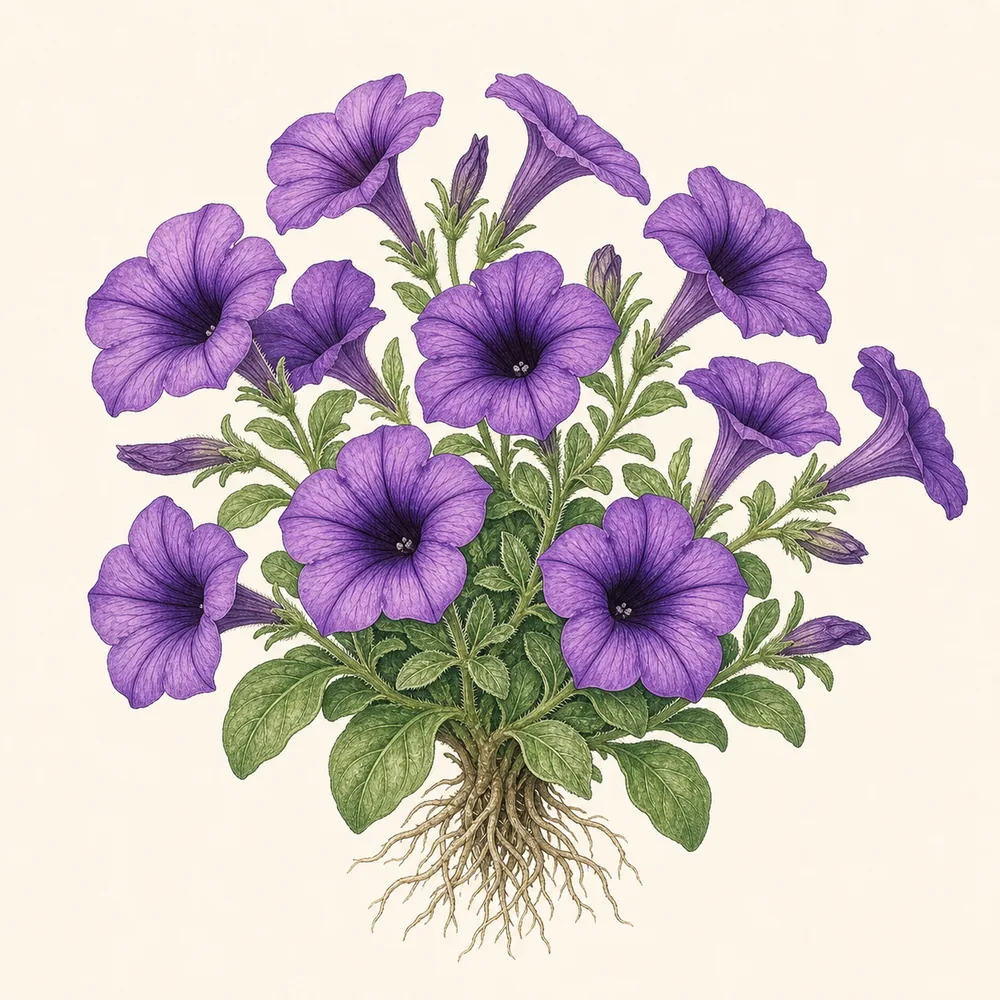
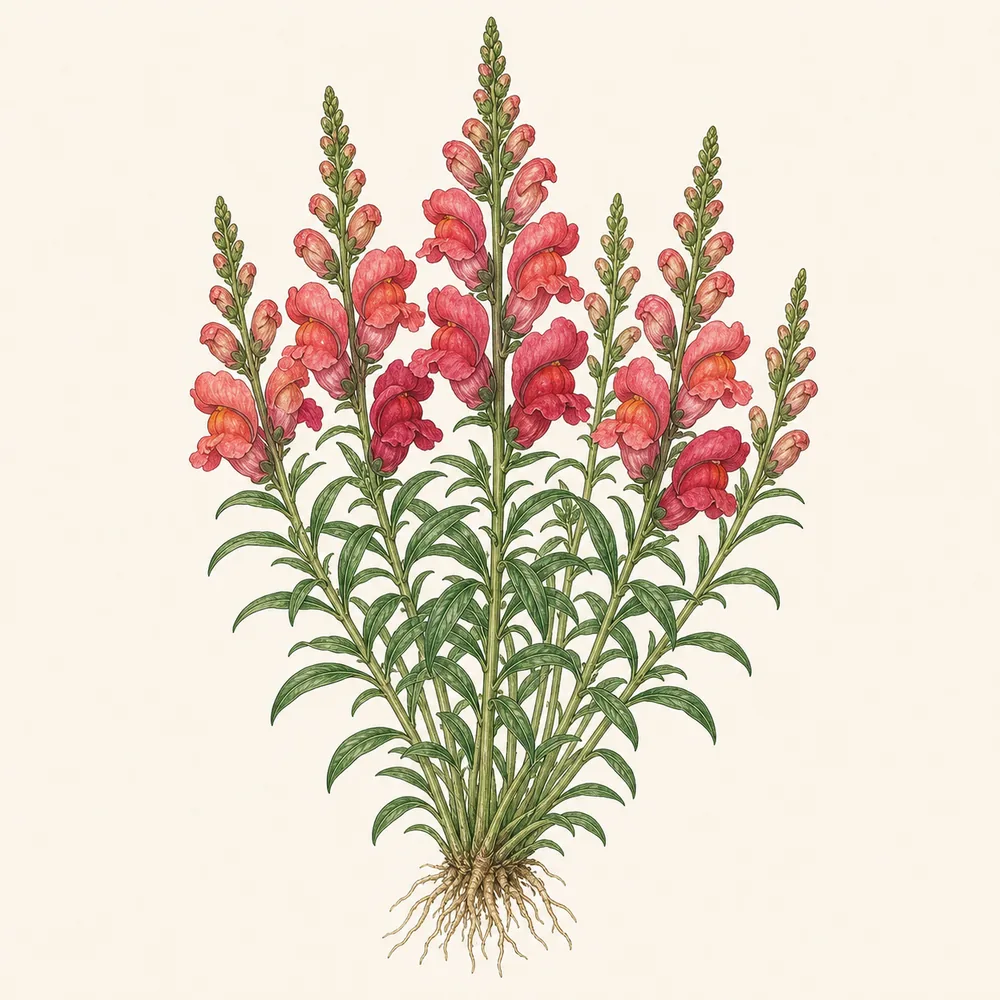
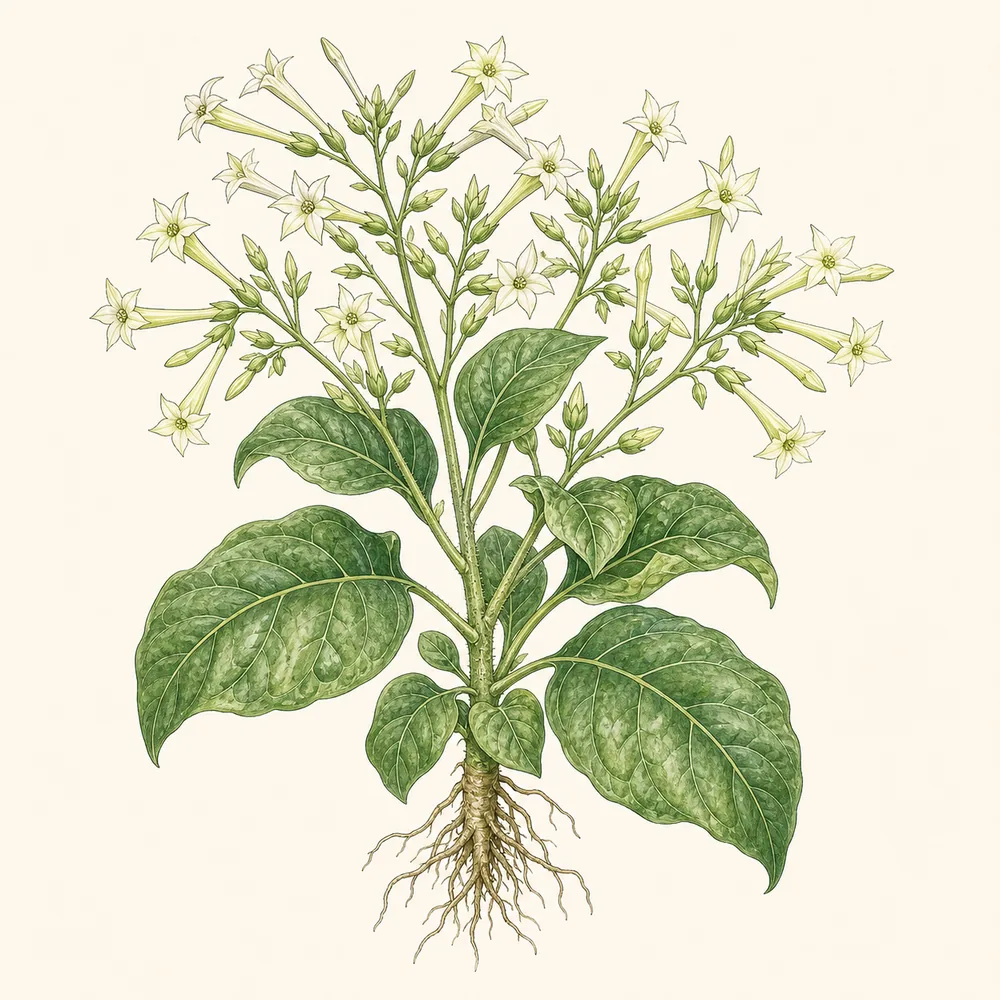
If you like this, try
Other plants with a similar temperament.
How we checked this
Care cross-checked against the RHS. Toxicity taken from the ASPCA database, which lists Geranium (Pelargonium) as toxic to cats and dogs — geraniol and linalool. If our page and these sources ever disagree, believe them — and tell us.
Sources: RHS · ASPCA — toxic & non-toxic plants
Last reviewed · August 2026