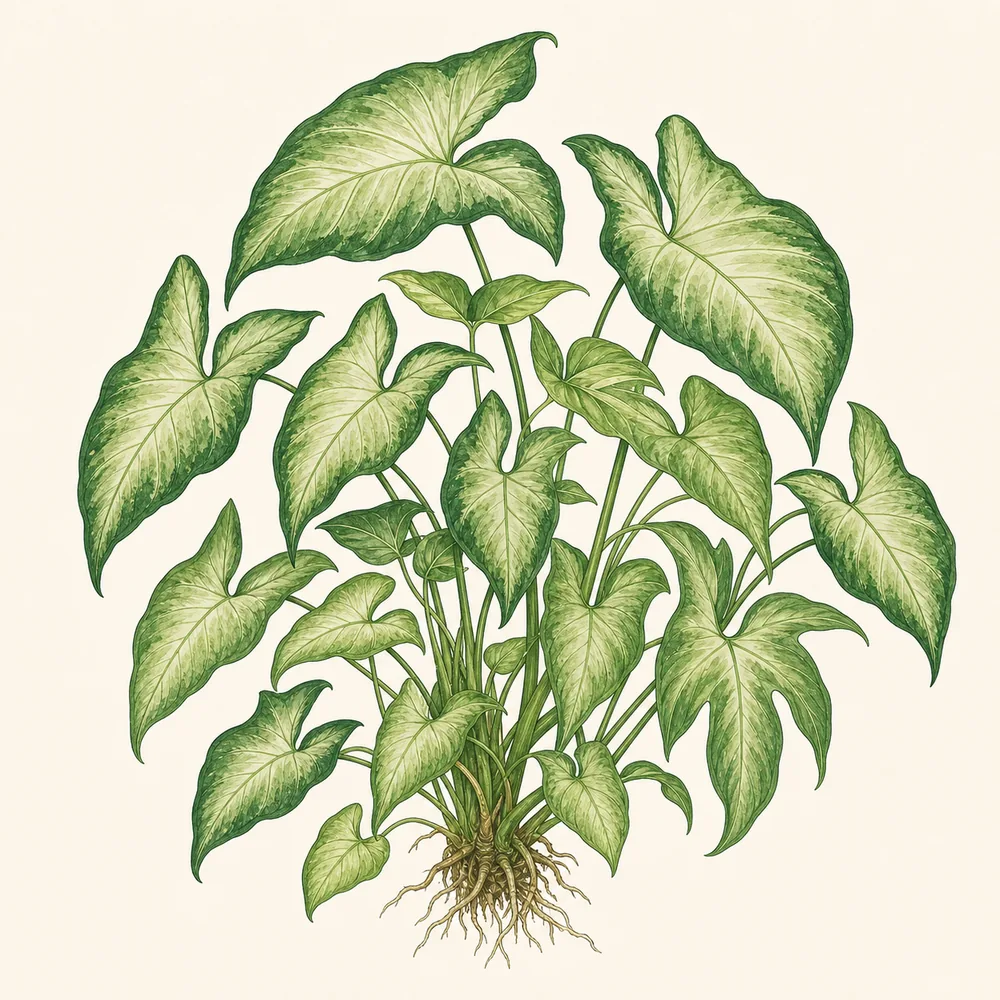
Arrowhead Plant
An easy, adaptable aroid whose arrow-shaped leaves change as it matures and which will trail or climb. Fast, forgiving and happy in modest light.
Mildly toxic to cats, dogs & people if chewed
Like other aroids, the arrowhead plant (Syngonium podophyllum) contains insoluble calcium oxalate crystals and is listed as toxic on the ASPCA database. Chewing causes mouth and throat irritation, drooling and possibly vomiting — painful but self-limiting. Keep it away from pets and toddlers that nibble.
Care at a glance
Everything that matters, in six lines. The detail is further down.
Light
Adaptable — copes with medium light, but variegated types need brighter, filtered light to hold their markings. No direct sun.
Water
Water when the top couple of centimetres dry. Even moisture suits it; it wilts dramatically but recovers fast when watered.
Temperature
Warmth-loving; keep it off cold windowsills in winter.
Humidity
Happy in normal rooms; a little extra humidity keeps the leaves lush.
Feeding
A balanced houseplant feed monthly through spring and summer.
Soil
A standard aroid-friendly mix loosened with a little bark or perlite.
What to do, and when
Growth restarts. Repot if crowded, and add a moss pole if you want it to climb and produce bigger leaves.
Peak growth — water as the top dries, feed monthly, and pinch to keep it bushy.
Ease back on water and feed as light fades.
Slower growth. Water sparingly and keep it warm and away from draughts.
Climb or trail — your choice
Syngonium is genuinely flexible: left alone it trails and stays bushy with smaller arrow-shaped leaves; given a moss pole to climb, the leaves grow larger and more deeply lobed as the plant matures.
Pinching the growing tips keeps a trailing plant full; letting it climb gives a bolder, more architectural look. Either way it's fast and forgiving.
Light and variegation
Plain green forms tolerate quite low light. The pink and white variegated types need brighter, filtered light or their markings fade back to green.
Keep all of them out of direct sun, which scorches the thin leaves.
Common problems
Dramatic wilting
Usually thirst — it wilts fast and recovers fast. Water thoroughly and it should perk up.
Fading variegation
Too little light. Move a variegated plant to a brighter, filtered spot.
Yellowing leaves
Overwatering. Let the top dry a little more between drinks.
Brown, crispy edges
Dry air or under-watering. Raise humidity and keep watering consistent.
Everything an arrowhead needs
Modest light, steady moisture and a pole if you want it big.
We take no commission on anything in the "save your money" tier — if we don't think you should buy it, we don't link it. How our recommendations work
If you like this, try
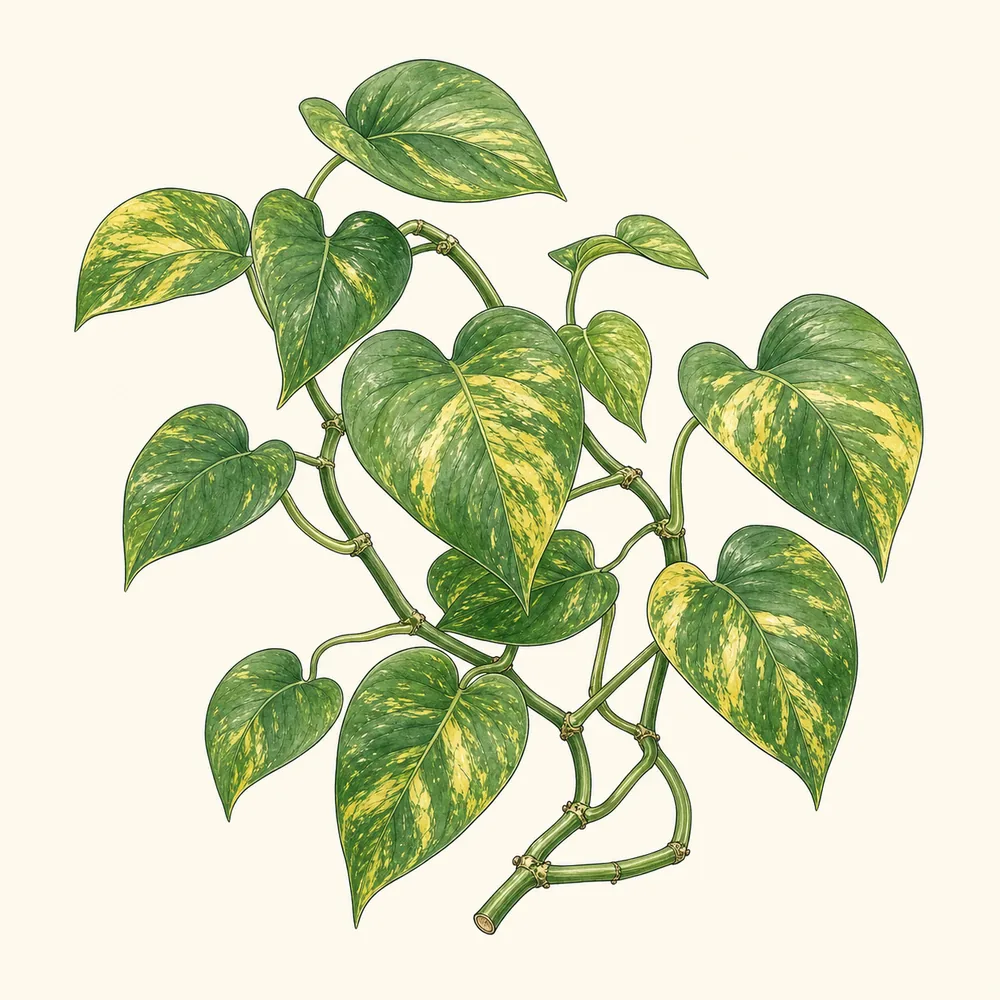
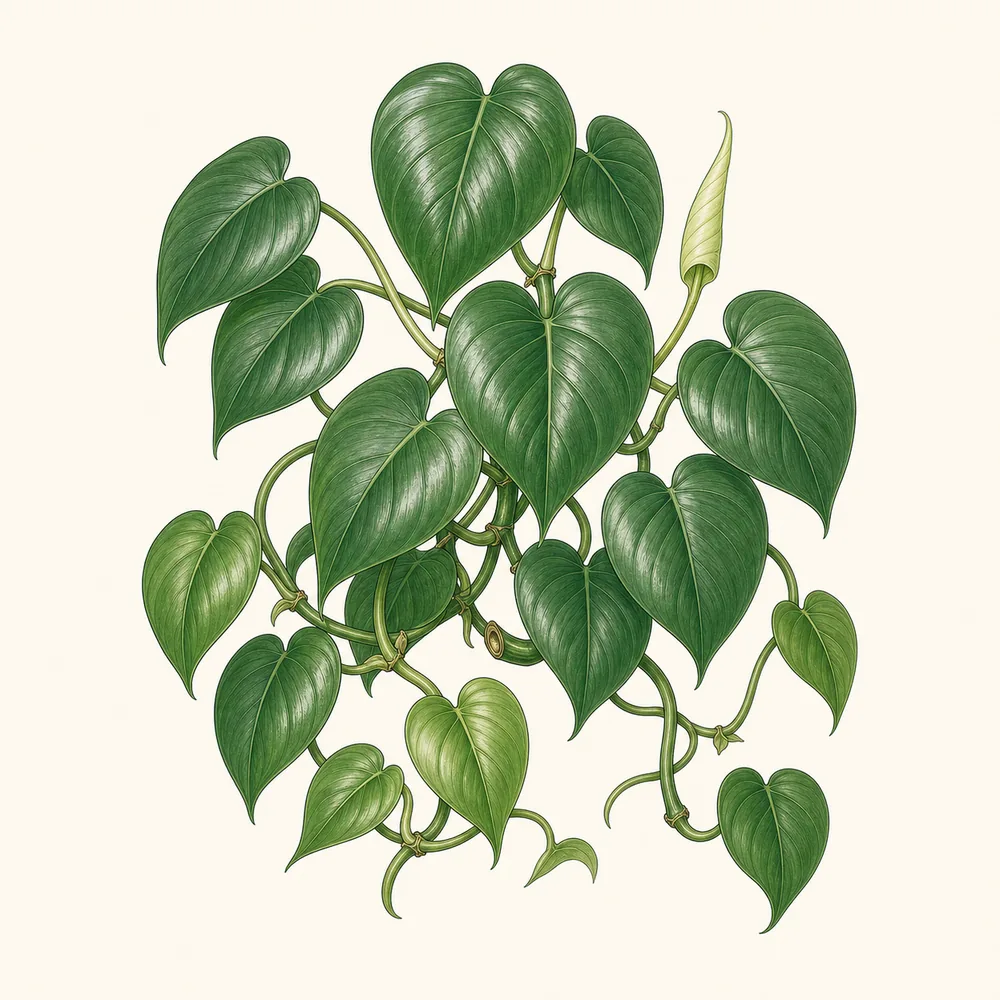
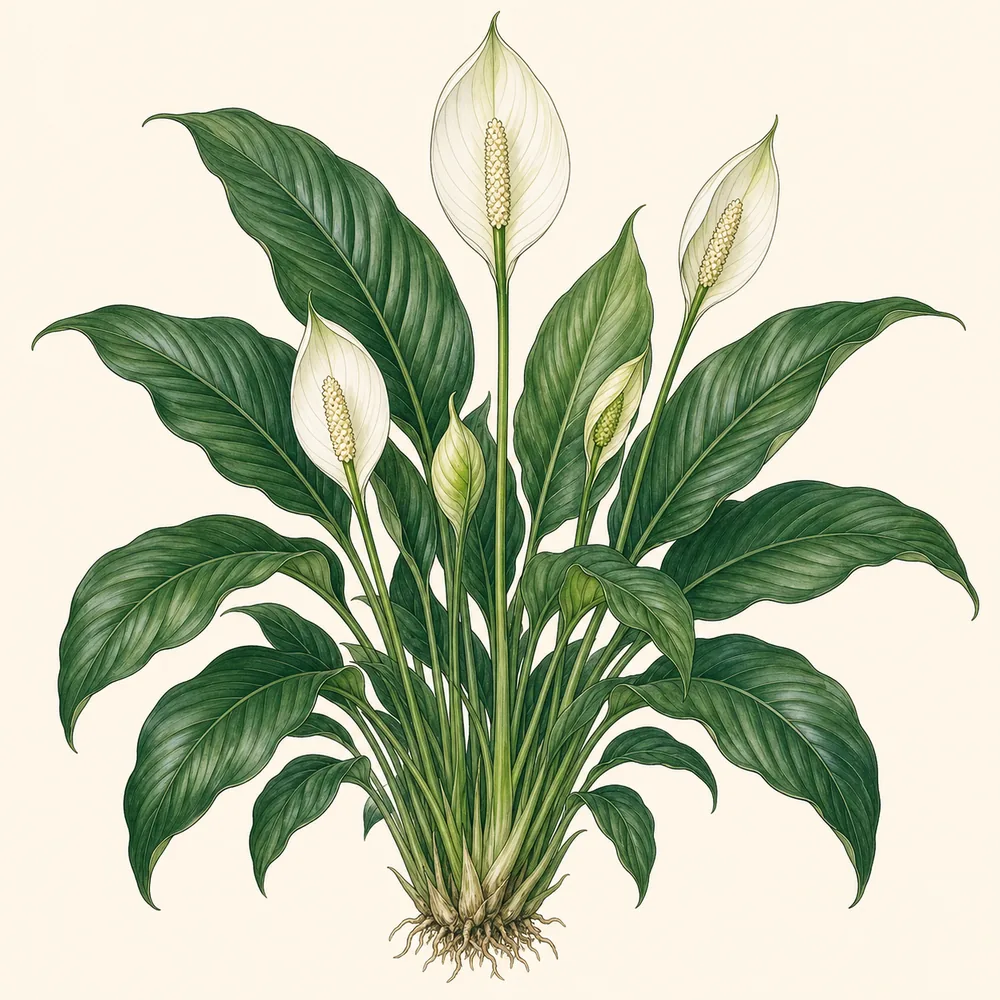
Other plants with a similar temperament.
How we checked this
Care cross-checked against the RHS. Toxicity taken from the ASPCA database, which lists Syngonium (arrowhead) as toxic — insoluble calcium oxalates, causing oral irritation. If our page and these sources ever disagree, believe them — and tell us.
Sources: RHS · ASPCA — toxic & non-toxic plants
Last reviewed · July 2026